
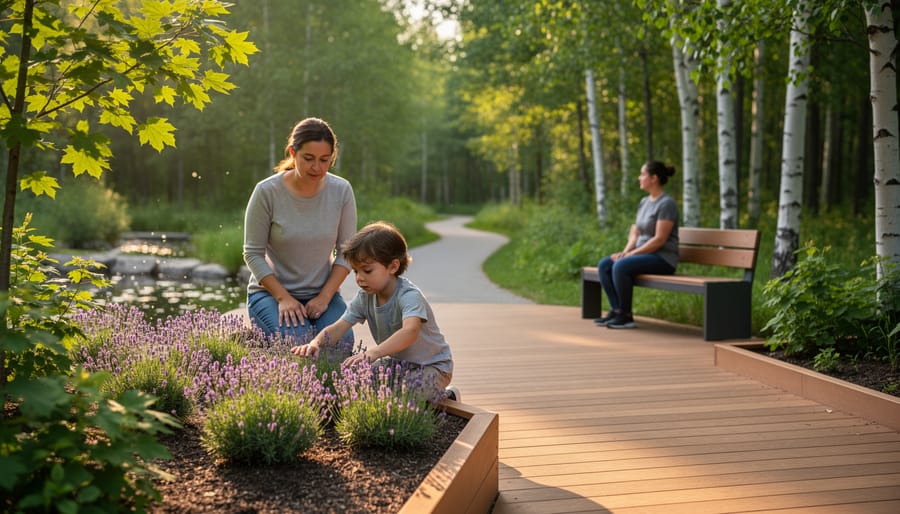
Picture a park where rustling leaves aren’t overwhelming, where quiet spaces invite calm exploration, and where everyone—regardless of sensory needs—can connect with nature on their own terms. That’s the beauty of sensory parks, thoughtfully designed outdoor spaces that transform how we experience the natural world.
These aren’t your typical playgrounds with bright lights and constant stimulation. Sensory parks create intentional environments with softer soundscapes, varied textures underfoot, gentle visual elements, and designated quiet zones. They’re game-changers for visitors with autism, anxiety, ADHD, or anyone seeking refuge from our overstimulated world. But here’s the insider tip: you don’t need a specific diagnosis to benefit from these calming spaces. They’re simply better-designed environments that make nature accessible outdoor experiences for everyone.
Ontario has been quietly leading this movement, weaving sensory-friendly features into provincial parks and conservation areas across the region. From tactile gardens where you can run your hands through fragrant herbs to woodland trails designed for peaceful, predictable walks, these spaces prove that inclusivity and natural beauty go hand in hand.
Whether you’re planning a family outing with a child who processes the world differently, seeking personal solace from daily stress, or simply curious about more mindful ways to enjoy the outdoors, sensory parks offer something remarkable. They remind us that nature should welcome everyone, not just those who can handle its loudest, brightest, busiest moments.
Ready to discover where these transformative spaces exist in Ontario and how to make the most of your visit? Let’s explore the parks that are redefining outdoor accessibility.
What Makes a Sensory Park Different?
Beyond Just Quiet Spaces
Sensory parks go far beyond simply offering quiet corners. They’re thoughtfully designed to engage all five senses in ways that feel comfortable and controlled, rather than overwhelming. Think of them as nature’s version of turning down the volume while turning up the richness of experience.
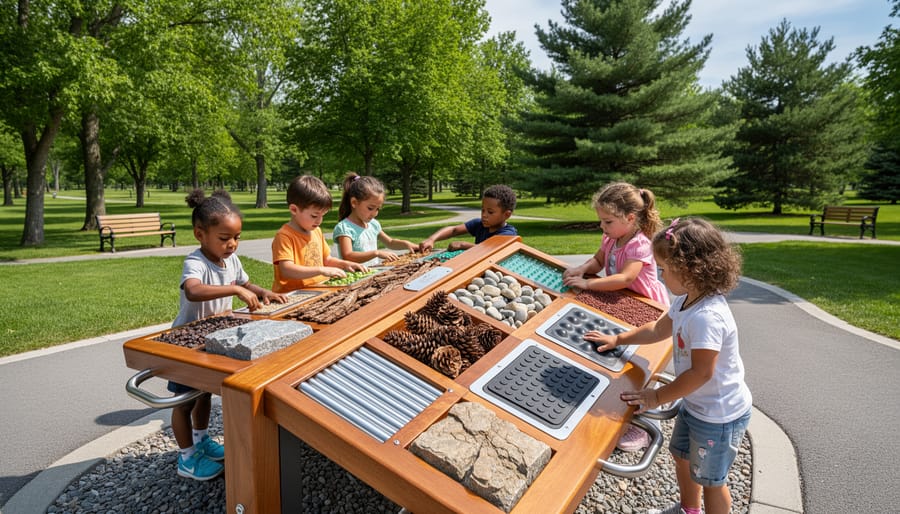
At tactile stations, you might find smooth river stones arranged alongside rough bark pieces, or interactive panels with different textures to explore at your own pace. These aren’t just for kids—I’ve watched adults spend twenty minutes at a texture wall, rediscovering the simple pleasure of touch without the usual urban chaos competing for attention.
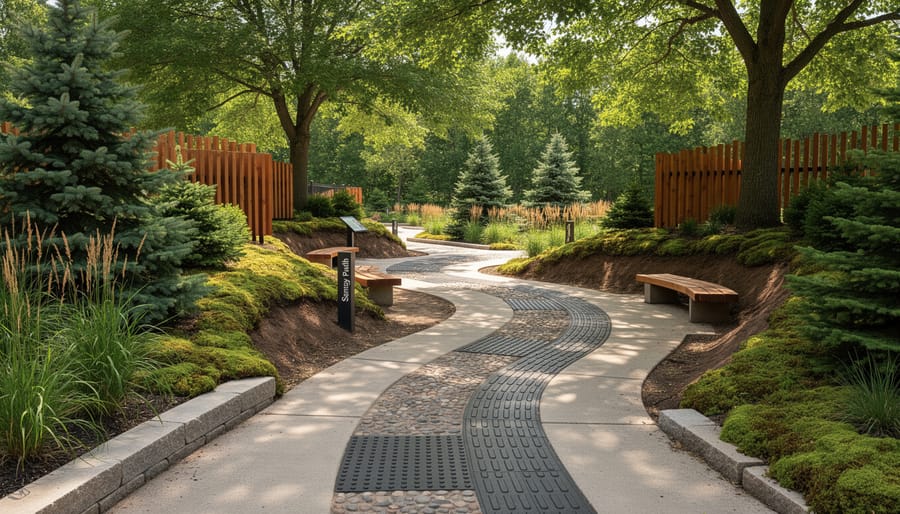
Visual contrast markers are another game-changer. Brightly colored path edges, high-contrast signage, and carefully planned sight lines help visitors navigate confidently. This is especially helpful for those with visual processing differences or anyone who simply appreciates clear wayfinding.
Sound-dampening areas use natural features like dense evergreen plantings and gentle earth berms to create peaceful pockets. You’ll notice the difference immediately—birdsong becomes clearer, and the buzz of nearby traffic fades to nothing.
Scent gardens round out the experience with fragrant herbs like lavender and mint planted at accessible heights. Here’s an insider tip: visit scent gardens in early morning when essential oils are strongest, but the sun hasn’t intensified the aromas to potentially overwhelming levels. This eco-friendly approach to sensory engagement works with nature’s rhythms rather than against them.
Ontario Parks Leading the Way in Sensory-Friendly Experiences
Flagship Sensory Spaces
Ontario is home to several remarkable parks that have embraced sensory-inclusive design, joining other accessible parks across Ontario in creating welcoming spaces for all visitors.
Presqu’ile Provincial Park leads the way with its dedicated Sensory Trail, a thoughtfully designed pathway near the Lighthouse Interpretive Centre. This quarter-kilometer loop features textured ground surfaces that transition from smooth boardwalk to crunchy gravel, wind chimes that dance in the lake breeze, and aromatic herb gardens planted at wheelchair-accessible heights. What makes Presqu’ile special is its proximity to the beach, allowing families to combine sensory activities with traditional park fun. Insider tip: visit in early morning when the trail is quietest and the herbs release their strongest scents in the cool air.
Mono Cliffs Provincial Park offers a different sensory experience through its quiet forest zones. The park has designated low-traffic areas where the forest canopy creates natural sound dampening, perfect for those who find busy trails overwhelming. Touch-friendly interpretive signs feature raised textures depicting local wildlife, and the park’s seasonal programming includes guided nature walks specifically designed for sensory-sensitive visitors.
Pinery Provincial Park has integrated sensory elements throughout its Oak Trail system, where benches are strategically placed in peaceful clearings. The park provides sensory backpacks at the visitor center, complete with noise-reducing headphones, fidget tools, and visual guides to help visitors identify calming spots. Their eco-friendly approach includes leaving fallen logs near trails for tactile exploration, turning natural features into interactive learning opportunities. These flagship spaces demonstrate how thoughtful design creates meaningful outdoor connections for everyone.
Parks with Sensory-Friendly Programming
Beyond dedicated sensory gardens, several Ontario Parks have embraced inclusive practices by offering sensory-friendly programming that makes outdoor experiences more accessible for everyone. These thoughtful initiatives recognize that timing and structure can make all the difference for visitors with sensory sensitivities.
Many parks now schedule quiet hours during traditionally busy periods, creating calmer windows for exploration. Early morning nature walks before the crowds arrive have become particularly popular, offering peaceful encounters with wildlife when the trails are still hushed and serene. I’ve found these dawn excursions magical – there’s something special about having a provincial park feel like your own private sanctuary.
Seasonal programming adds another layer of accessibility. Some parks host sensory-friendly campfire evenings with reduced noise levels and predictable routines, where families can enjoy traditional outdoor activities without the overwhelming chaos of larger gatherings. Winter brings quieter opportunities too, with snowshoe programs designed specifically for those who need gentler pacing and smaller group sizes.
Insider tip: Contact park offices directly before your visit to learn about upcoming adaptive programs. Staff members often know about unpublished quiet times or can suggest the calmest days to visit based on reservation patterns. This advance planning can transform your experience from stressful to sublime, ensuring everyone in your group feels comfortable connecting with Ontario’s natural beauty at their own pace.
Who Benefits from Sensory Parks (Hint: It’s Everyone)
Here’s a story that might surprise you: Sarah, a corporate lawyer from Toronto, visits sensory gardens regularly—not because she has a diagnosed sensory condition, but because the intentionally calming spaces help her decompress after stressful workweeks. Meanwhile, seven-year-old Marcus, who has autism, explores the same gardens with his family, finding joy in textured plants and predictable, quiet pathways where unexpected sounds won’t overwhelm him.
This is the beauty of sensory parks—they’re designed with specific needs in mind but end up serving everyone beautifully.
For families with children on the autism spectrum, these spaces eliminate common park stressors. There’s no pressure to conform to typical playground dynamics, and sensory stations provide structured exploration opportunities. Parents often share that these visits feel less exhausting because the environment works with their child’s needs rather than against them.
Veterans managing PTSD find solace in the predictable, enclosed nature of many sensory gardens. The mental health benefits extend to anyone dealing with anxiety or sensory overload from modern life’s constant stimulation.
Elderly visitors particularly appreciate the accessible pathways and seating areas positioned near fragrant herb gardens and textured plant displays. The gentle engagement keeps minds active without physical strain.
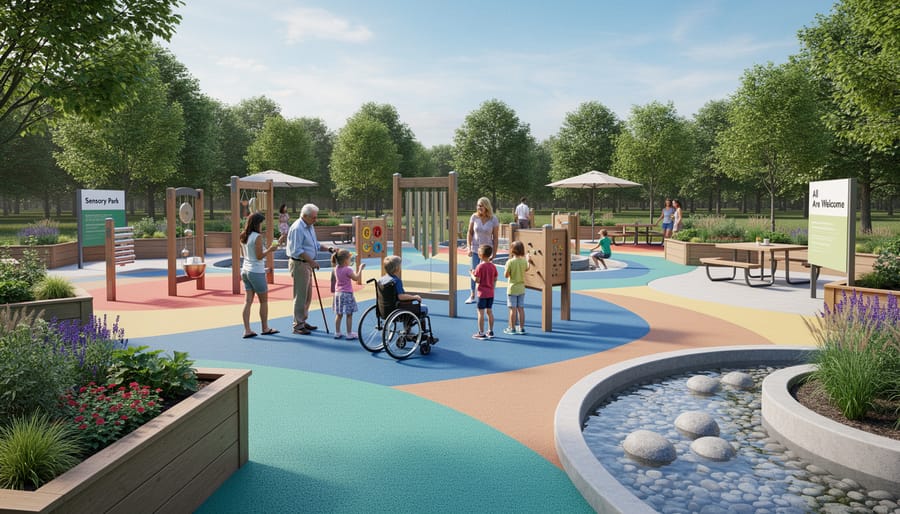
But perhaps the most delightful discovery? Families without specific sensory needs report that these spaces simply feel more peaceful. Parents watch toddlers safely explore textured bark paths while older siblings practice mindfulness at listening stations.
One mother from Ottawa told park staff: “I brought my daughter because she has sensory processing challenges, but my typically-developing son asks to come back constantly. He loves how calm he feels here.”
That’s the real magic—sensory parks create inclusive spaces where accommodation becomes enhancement. Whether you’re seeking therapeutic benefits or simply a gentler outdoor experience, these thoughtfully designed environments welcome you exactly as you are.
Planning Your Sensory-Friendly Park Visit
Before You Go: Insider Preparation Tips
A little preparation goes a long way toward ensuring your sensory park visit is everything you hope for. Start by exploring the park’s website before you arrive. Many Ontario parks now offer downloadable sensory maps and social stories that help visitors understand what to expect, from parking areas to trail conditions. These resources are game-changers for reducing anxiety and building excitement.
Timing matters more than you might think. Early mornings on weekdays typically offer the quietest experience, with fewer crowds and softer natural sounds. One parent shared that visiting Frontenac Provincial Park just after opening gave her autistic son the space to explore at his own pace without feeling overwhelmed. During peak seasons, consider midweek visits or shoulder seasons when trails are less busy.
Pack thoughtfully for sensory needs. Beyond the usual water and snacks, consider noise-cancelling headphones, fidget tools, sunglasses, and comfort items that help with regulation. A small sensory kit with familiar textures or scents can provide grounding when needed.
Don’t hesitate to contact park staff directly before your visit. They’re incredibly helpful about discussing specialized equipment and accommodations available, from accessible trails to quieter camping spots. Ask about current conditions, busy times, and any sensory-friendly programs scheduled during your visit.
Insider tip: Download offline maps on your phone. Cell service can be spotty, and having navigation ready eliminates one potential stressor. This simple step lets you focus on enjoying the experience rather than worrying about finding your way.
Making the Most of Your Experience
The best sensory park visits happen when you come prepared and listen to your own needs. Think of it like enjoying a good meal—rushing through defeats the purpose.
Start by arriving during off-peak hours if crowds tend to overwhelm you. Early mornings on weekdays often provide the calmest atmosphere, with softer natural sounds and fewer visitors. One parent I spoke with swears by the “first hour after opening” strategy, giving her son the freedom to explore without sensory overload.
Pace yourself intentionally. You don’t need to experience every element in one visit. Maybe today you focus on the tactile garden and save the sound installations for next time. Many visitors find that spending 20-30 minutes in a single area creates deeper, more meaningful experiences than rushing through everything.
Quiet zones exist for a reason—use them without guilt. These designated spaces offer refuge when things feel too intense. Pack a small bag with personal sensory tools like noise-canceling headphones, fidget items, or a favorite textured object. I’ve seen families bring weighted lap pads that work wonders during rest breaks.
Respect these specialized spaces by practicing leave-no-trace principles. Pack out everything you bring in, stay on designated paths to protect sensitive plantings, and keep voices low in quiet areas. These eco-friendly habits ensure sensory parks remain accessible and welcoming for everyone who needs them.
Remember, there’s no “right way” to experience a sensory park. Some people sit quietly for an hour; others prefer gentle movement. Trust your instincts and honor what your body needs.
The Ripple Effect: How Sensory Parks Are Transforming Ontario’s Outdoor Culture
The impact of sensory parks extends far beyond the individual visitors who walk their trails. These thoughtfully designed spaces are quietly reshaping how Ontario communities think about inclusion, accessibility, and connection to nature.
When Springwater Conservation Area introduced sensory-friendly elements, something unexpected happened. Local schools started booking field trips specifically to teach students about diverse sensory needs. Families who had never considered camping began reaching out about overnight stays. The park became a conversation starter about how public spaces can welcome everyone, not just accommodate them as an afterthought.
This ripple effect touches environmental awareness too. Many sensory parks incorporate native plant gardens that engage multiple senses while teaching visitors about local ecosystems. Kids who might struggle in traditional educational settings often thrive when learning through touch, smell, and sound. One park interpreter told me that their sensory garden program has become their most requested educational experience, drawing families from across the region.
The movement is growing faster than many realize. Several Ontario parks have plans to add sensory elements within the next two years, and community groups are advocating for similar spaces in urban settings. Some municipalities are even consulting with sensory park designers when planning new playground installations.
Want to support this expansion? Visit these parks and share your experiences on social media. Many operate on limited budgets, so your entrance fees and positive reviews help justify continued investment. Consider volunteering for maintenance days or donating to organizations like the Ontario Parks Foundation, which supports accessibility initiatives. Local advocacy matters too. Attending town halls or contacting your municipal representatives about sensory-friendly park development shows decision-makers there’s genuine community interest. Every visit, every conversation, every shared story helps build momentum for more inclusive outdoor spaces across Ontario.
Remember Sarah from the beginning of our journey? After discovering sensory parks, she now visits regularly with her son, finding their own rhythm among the quiet trails and gentle sounds of nature. Her story isn’t unique—countless families across Ontario are discovering that these thoughtfully designed spaces offer something truly special for everyone, whether you’re seeking sensory accommodation or simply craving a more mindful connection with the outdoors.
These parks remind us that nature’s greatest gift is its ability to meet us exactly where we are. The rustle of leaves, the warmth of sun-dappled paths, the soft earth beneath our feet—these simple pleasures become transformative when experienced without overwhelming stimulation.
Ready to explore a sensory park for yourself? Start with one close to home and visit during off-peak hours for the quietest experience. Bring a friend or family member to share the journey, and don’t forget to snap photos of your favorite moments. Share your experiences online to help others discover these hidden gems.
One insider tip: practice leave-no-trace principles during your visit. Pack out everything you bring in, stay on designated paths, and respect the peaceful atmosphere others are seeking. By caring for these special spaces today, we ensure they remain welcoming havens for generations to come.












+ There are no comments
Add yours