
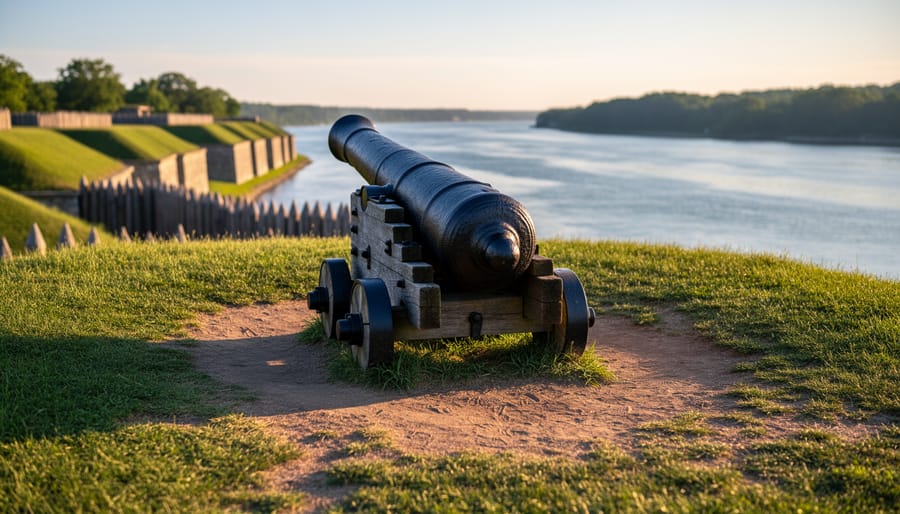
Stand where soldiers once fought for control of North America. Ontario’s War of 1812 battlefields preserve the stories of British regulars, Canadian militia, Indigenous warriors, and American forces who clashed along the Niagara frontier and the shores of Lakes Ontario and Erie. These sites aren’t dusty history lessons tucked behind glass. Walk the earthworks at Fort George where cannons still point toward the Niagara River. Explore the grounds at Queenston Heights where General Brock fell leading his men. Trace the battle lines at Crysler’s Farm where outnumbered defenders turned back an invading army.
Most battle sites sit within a comfortable day’s drive from Toronto, making weekend explorations entirely possible. Many locations feature reconstructed fortifications, costumed interpreters who demonstrate period weapons and tactics, and trails that follow the actual movements of troops during engagements. Several sites anchor larger heritage districts with nearby camping facilities, hiking trails, and waterfront activities that transform a history stop into a full outdoor adventure.
The conflict shaped Canada’s identity and left behind tangible landmarks you can visit today. Whether you’re a history enthusiast planning a dedicated battlefield tour or a family looking for educational stops between camping trips, Ontario’s War of 1812 sites offer compelling reasons to pull off the highway and step back two centuries into Canada’s defining struggle.
Why Ontario’s War of 1812 Battlefields Matter
Picture this: it’s 1812, and Ontario sits at the frontier of a conflict that will shape North America forever. The United States, barely 30 years old, has declared war on Britain, and suddenly this region becomes the hottest battleground on the continent. Why? Geography tells the story. The Great Lakes and the St. Lawrence River weren’t just scenic waterways—they were the highways of their time, making Ontario the strategic prize both sides desperately wanted to control.
The stakes were enormous. Americans hoped to expand their territory northward, while the British and their Canadian allies fought to preserve their communities and way of life. Indigenous nations, caught in the middle, made strategic alliances that would impact their futures for generations. From the thundering cannons at Fort George to the desperate struggle at Queenston Heights, these battlefields witnessed moments that decided whether Canada would remain independent or become part of the expanding American republic.
Today, these preserved sites offer something special beyond history lessons. Walking the grounds where soldiers once stood, you’re connecting with the people who shaped your home. Many sites have been carefully restored, and when you explore Ontario’s colonial forts, you’ll discover they’re not dusty museums but living landscapes where history comes alive through costumed interpreters, authentic demonstrations, and hands-on experiences.
Here’s an insider tip: visit during special commemoration events when battle reenactments fill the air with musket smoke and the thunder of cannons. You’ll gain appreciation not just for the historical significance, but for the dedicated communities who’ve preserved these places so future generations can understand the roots of modern Canada.
Niagara Region: Where the Action Was Fiercest
Queenston Heights
Standing high above the Niagara River, Queenston Heights marks where one of the war’s most pivotal battles unfolded on October 13, 1812. This is where British General Isaac Brock lost his life leading a counterattack against American forces, and his bravery here essentially saved Upper Canada from invasion. Today, the battlefield has transformed into a beautiful park where history and nature intertwine wonderfully.
The centerpiece is definitely Brock’s Monument, a towering 56-meter column you can climb for absolutely breathtaking views of the Niagara escarpment and river valley. Fair warning though – there are 235 steps to the top, so wear comfortable shoes and take your time. The views make every step worthwhile, especially during fall when the surrounding forests burst into colour.
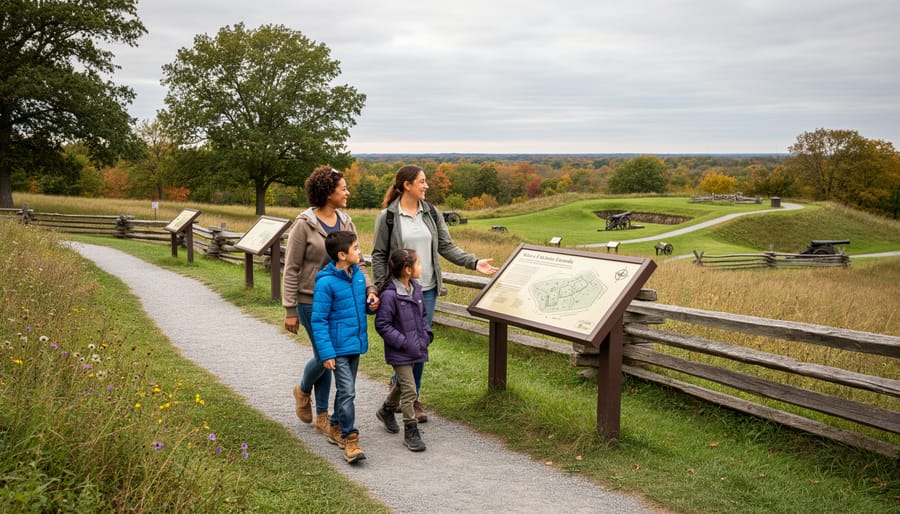
The park’s trails wind through the historic battlefield, with interpretive plaques explaining troop movements and key moments from the battle. I love the quieter paths that lead through the wooded areas – they’re perfect for reflection and often reveal stunning lookout points where you can really appreciate the strategic importance of this elevated position.
Here’s an insider tip: visit early morning on weekdays to avoid crowds and catch the mist rising from the Niagara River below. The park offers free admission and ample parking, plus clean washroom facilities and picnic areas. Bring a packed lunch to enjoy under the shade trees – it’s a wonderfully eco-friendly way to spend an afternoon while soaking up Canadian history. The nearby town of Queenston also has charming cafes and shops worth exploring afterward.
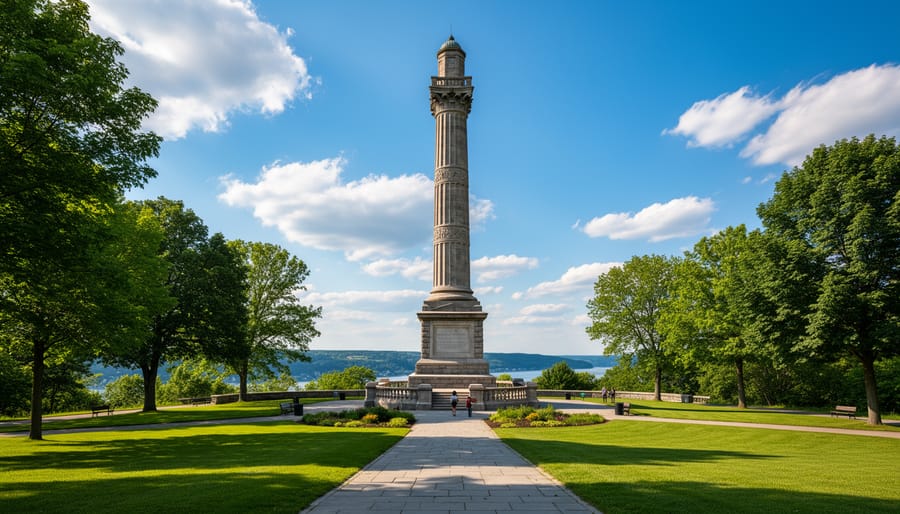
Fort George and the Battle of Niagara
Standing proudly at the mouth of the Niagara River, Fort George is one of the most impressive War of 1812 sites you’ll encounter. This meticulously restored British fort served as military headquarters during the conflict and witnessed the fierce Battle of Fort George in May 1813, when American forces launched a major amphibious assault across the river.
What makes Fort George truly special is how alive it feels. During summer months, costumed interpreters recreate daily military life with musket demonstrations, artillery firings, and even mock drills that’ll transport you back two centuries. The kids absolutely love the hands-on activities, and honestly, watching a full musket volley never gets old, even for adults.
Walk the earthworks and you’ll spot interpretive panels explaining battle positions and tactics. The Officers’ Quarters museum houses fascinating artifacts, from soldiers’ personal effects to military equipment. Don’t miss the powder magazine – the thick walls and ingenious ventilation system show just how seriously they took safety.
Insider tip: Visit during the weekend military demonstrations for the full experience, but come on weekday mornings if you prefer quieter exploration. The fort sits within walking distance of charming Niagara-on-the-Lake, perfect for combining history with wine country dining. Bring sturdy walking shoes and water, especially since much of your time will be outdoors exploring the extensive grounds.
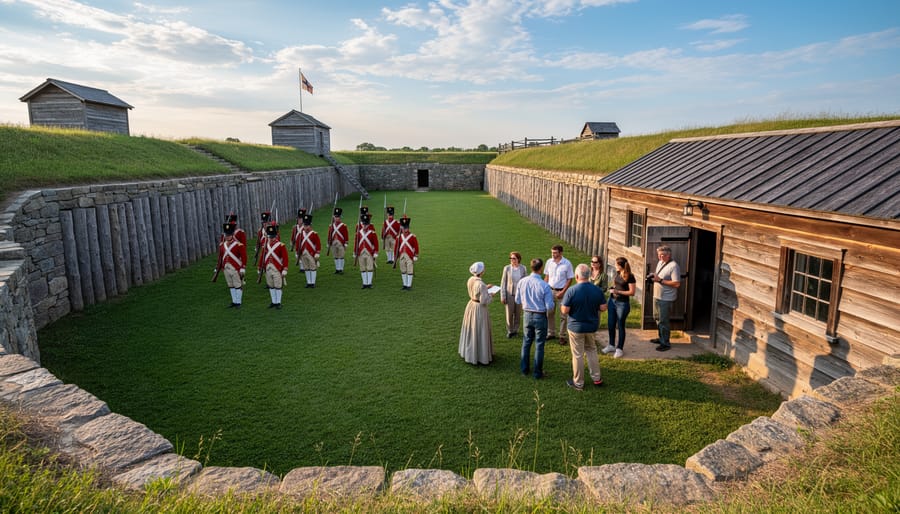
Lundy’s Lane
While Queenston Heights gets much of the glory, the Battle of Lundy’s Lane on July 25, 1814, was actually one of the war’s bloodiest encounters. Picture this: five hours of brutal fighting that stretched past midnight, with neither side backing down. Over 1,700 casualties from both armies made this hilltop clash truly devastating.
Today, Drummond Hill Cemetery marks the battlefield where soldiers fought desperately for control of a strategic rise overlooking the Niagara River. The towering monument at the cemetery’s center commemorates the fierce struggle, and you can still walk the grounds where the fighting was most intense. It’s a sobering experience that really brings home the human cost of this conflict.
Here’s an insider tip: visit during the quieter morning hours when you can really absorb the atmosphere without crowds. The interpretive plaques do an excellent job explaining troop movements and key moments in the battle.
Lundy’s Lane fits perfectly into a Niagara battlefield tour, positioned between Fort George and Chippawa. You can easily combine all three sites in a day, following the campaign chronologically. The surrounding neighborhood has grown around this historic ground, creating an interesting contrast between peaceful suburban streets and this haunting reminder of warfare. Pack a lunch and take time to reflect at this often-overlooked but critically important site.
Eastern Ontario’s Strategic Strongholds
Fort Wellington (Prescott)
Perched on the banks of the St. Lawrence River in charming Prescott, Fort Wellington stands as one of the most beautifully preserved War of 1812 sites you’ll find anywhere. This strategic fortification was built to protect the vital supply route along the St. Lawrence, and today it offers visitors an authentic glimpse into military life during the early 19th century.
What makes Fort Wellington special is how immersive the experience feels. The fort’s massive earthwork defenses and blockhouse have been meticulously restored, and costumed interpreters bring the past to life through guided tours that run daily during summer months. You’ll hear fascinating stories about the soldiers who lived here, their daily routines, and the constant tension of guarding against American invasion.
Plan your visit around one of the fort’s special events for an extra memorable experience. The military demonstrations are particularly thrilling, with musket firing displays and period military drills that echo across the parade grounds. Kids absolutely love the hands-on activities where they can try on replica uniforms and learn about soldier life.
Here’s an insider tip: Pack a picnic and explore the surrounding Centennial Park after your fort tour. The riverside setting is gorgeous, and you’ll find excellent trails for stretching your legs. For those wanting to extend their stay, Riverside Cedar Campground sits just minutes away, offering waterfront sites perfect for watching St. Lawrence freighters glide past at sunset. The location makes an ideal base camp for exploring other nearby War of 1812 sites along the Heritage Highway.
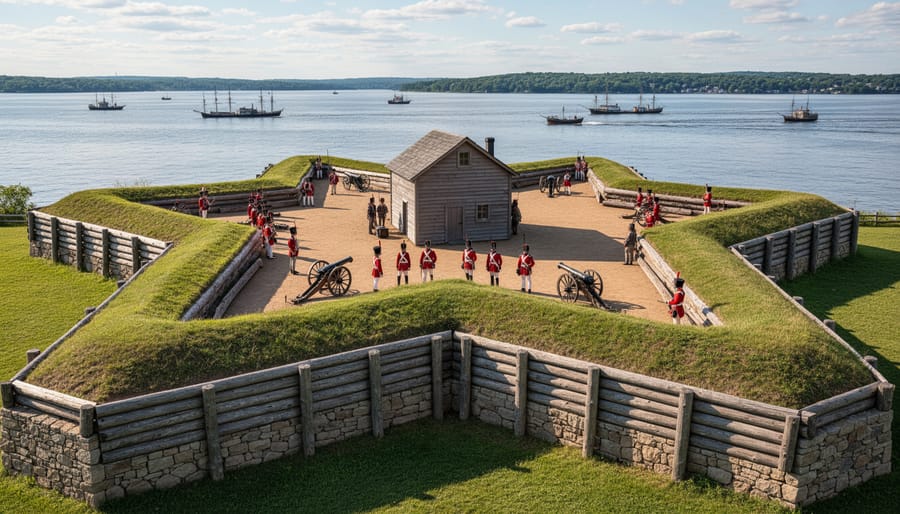
Crysler’s Farm Battlefield Memorial
Located along the picturesque St. Lawrence River near Morrisburg, Crysler’s Farm Battlefield Memorial stands as a testament to one of the War of 1812’s most decisive engagements. On November 11, 1813, British forces and their Indigenous allies won a strategic victory here that effectively ended American attempts to capture Montreal. Today, this serene battlefield offers visitors a chance to walk in the footsteps of history while enjoying the peaceful countryside.
The memorial park itself is beautifully maintained, featuring interpretive panels that guide you through the battle’s progression. As you stroll the grounds, you’ll notice how the gentle rolling landscape played a crucial role in the fighting. The British monument, a striking stone column erected in 1895, commands attention at the site’s heart and makes for a memorable photo opportunity.
Here’s an insider tip: visit during early morning or late afternoon when the soft light bathes the fields in golden hues, creating an almost meditative atmosphere perfect for reflection. The quiet rural setting, far removed from urban bustle, really helps you connect with the site’s historical significance.
The nearby Battle of Crysler’s Farm Interpretive Centre provides excellent context through artifacts, detailed displays, and engaging multimedia presentations. Staff members are incredibly knowledgeable and love sharing lesser-known stories about the battle. Don’t hesitate to ask questions!
For an eco-friendly visit, consider biking the scenic St. Lawrence River Recreation Trail, which passes near the battlefield. Pack a picnic lunch using local produce from nearby farm stands, and enjoy it on the grounds while contemplating the courage of those who fought here. The combination of natural beauty and historical importance makes Crysler’s Farm a uniquely rewarding destination that shouldn’t be missed on your War of 1812 journey.
Southwest Ontario and the Thames Valley
Battle of the Thames (Moraviantown)
The Battle of the Thames marked a turning point in the War of 1812 and remains one of Ontario’s most significant historical sites. On October 5, 1813, American forces decisively defeated British troops and their Indigenous allies near present-day Thamesville. The battle claimed the life of the legendary Shawnee leader Tecumseh, whose death shattered the Indigenous confederacy and shifted the balance of power in the region.
Today, the Battlefield Monument and National Historic Site offers visitors a meaningful glimpse into this pivotal moment. Walking the interpretive trails, you’ll traverse the actual grounds where soldiers fought, with informative panels bringing the battle’s story to life. The peaceful Thames River flows nearby, just as it did over two centuries ago.
Here’s an insider tip: visit during early morning or late afternoon when the light filters beautifully through the trees, creating an almost reverent atmosphere. The trails are easy to navigate and perfect for families, though the site’s historical significance connects deeply to Six Nations heritage and deserves thoughtful reflection.
For eco-conscious visitors, consider carpooling or cycling to the site from nearby communities. Pack reusable water bottles and take all waste with you, as facilities are limited. The surrounding area offers excellent opportunities for combining your visit with nature walks along the river. Admission is free, making this an accessible destination for history enthusiasts and families exploring southwestern Ontario’s rich past.
Fort Malden (Amherstburg)
Nestled along the Detroit River in charming Amherstburg, Fort Malden stands as one of the best-preserved War of 1812 sites you’ll discover. This strategic British stronghold played a crucial role in the Battle of Detroit and subsequent western campaigns. Today, Parks Canada maintains the impressive earthwork fortifications, restored barracks, and period buildings that transport you back to 1812.
Walk the ramparts overlooking the river where soldiers once kept watch, and explore the fascinating exhibits inside the Hough House visitor center. The grounds come alive during summer with costumed interpreters demonstrating military drills and period crafts. Insider tip: visit during their special event weekends for cannon firing demonstrations that really bring history to life.
The flat, accessible paths make exploring easy for all fitness levels, and the riverside location offers beautiful photo opportunities. Pack a picnic to enjoy in the scenic grounds after your historical exploration. The adjacent Toddy Jones Park provides additional green space for families to relax while soaking in views across to Detroit.
Making the Most of Your Battlefield Visit
Planning your War of 1812 adventure? Here’s how to make every moment count while exploring these historic grounds.
The sweet spot for visiting is late spring through early fall, roughly May through October. You’ll enjoy comfortable weather for outdoor exploration, and most interpretive centers operate on full schedules. My personal favorite time is September – the crowds thin out, the fall colors create stunning backdrops for photos, and the cooler temperatures make walking the battlefield trails absolutely perfect.
Consider clustering your visits geographically to maximize your time. The Niagara region sites work beautifully as a two-day circuit, while the Lake Erie and Thames sites pair well together. Starting early means you’ll beat the tour buses and have more intimate experiences with the landscapes where history unfolded.
Here’s an insider tip: bring a good pair of walking shoes and pack a picnic. Many battlefields have gorgeous grounds perfect for spreading out a blanket between site visits. Fort George and Queenston Heights particularly shine for combining history with outdoor relaxation. You’re literally dining where soldiers once camped – how cool is that?
For families, download the Parks Canada app before you go. Several sites offer interactive features and scavenger hunts that transform the visit into an engaging adventure for kids. The augmented reality features at some locations actually show you what buildings looked like 200 years ago.
Camping enthusiasts should check out provincial and private campgrounds near major battle sites. Staying overnight in the region lets you catch those magical early morning moments when mist rolls across the battlefields, creating an atmosphere that connects you to the past in profound ways.
Don’t rush through the interpretive centers. The artifacts, letters, and personal stories inside provide essential context that makes walking the grounds so much more meaningful. Chat with the guides too – they’re treasure troves of local knowledge and often share fascinating details you won’t find in any guidebook.
Lastly, travel responsibly. Stick to marked trails to protect these precious historical landscapes for future generations.
Planning Your War of 1812 Battlefield Road Trip
Ready to explore where history happened? Let me help you plan an unforgettable journey through Ontario’s War of 1812 battlefields without the stress of figuring out logistics on your own.
For weekend warriors with limited time, I recommend the Niagara Corridor Quick Tour. Start at Fort George in Niagara-on-the-Lake Friday evening, camp at nearby Niagara Glen Nature Reserve, then hit Queenston Heights and Fort Erie on Saturday. Sunday morning, swing by Lundy’s Lane before heading home. This compact route keeps driving to a minimum while covering the most dramatic battle sites.
Families with kids should consider the hands-on history approach. Many sites offer costumed interpreters and cannon demonstrations that captivate young minds better than dusty plaques ever could. Fort Henry in Kingston runs fantastic summer programs where children can try on period uniforms and learn basic military drills. Pack a picnic lunch and let them burn energy exploring the ramparts between educational moments.
History buffs wanting the complete experience need at least five days. Your grand tour should include the Niagara sites, then swing northwest to Stoney Creek Battlefield, continue to the naval battles sites around Lake Ontario’s shore, and finish at Fort Wellington in Prescott. Several provincial parks near these locations offer excellent camping with modern amenities.
Here’s my insider tip: visit during shoulder seasons in May or September when sites are less crowded and camping rates drop. The weather stays pleasant, and you’ll actually hear the interpretive presentations without competing with tour bus crowds.
For eco-conscious travelers, most battlefield parks are accessible by bicycle from nearby towns, and many offer electric vehicle charging stations. Consider packing reusable water bottles and supporting local farm markets between historic stops to minimize your environmental footprint while exploring Ontario’s fascinating past.
Ontario’s War of 1812 battle sites offer something truly special—a chance to step into pivotal moments of history while surrounded by stunning natural beauty. Whether you’re hiking the Niagara Escarpment near Queenston Heights or picnicking along the waterfront at Fort George, these historic grounds blend education with outdoor adventure perfectly. Pack a lunch, bring your camera, and make a weekend of exploring these remarkable places. You’ll leave with a deeper appreciation for the events that shaped this region, plus memories of discovering hidden trails and scenic vistas. History has never felt so alive or accessible.











+ There are no comments
Add yours