
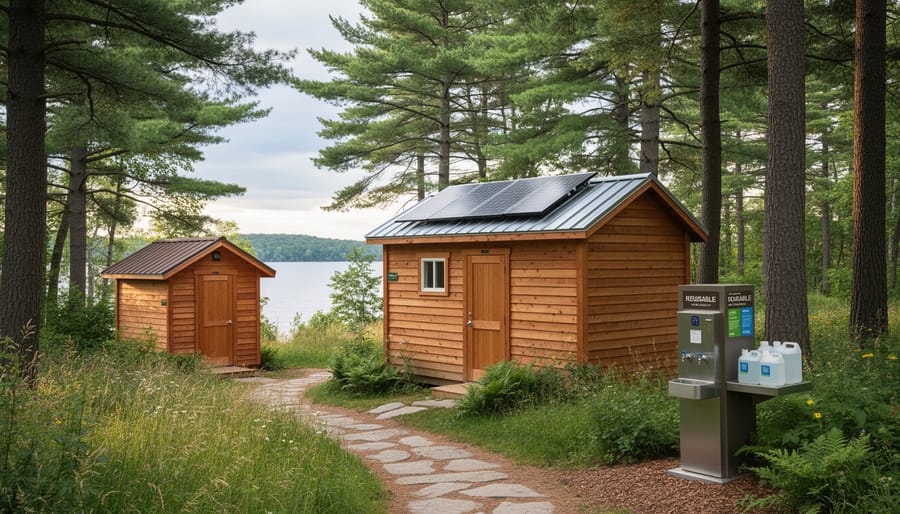
The 7 Sanctuary Commitments are a set of environmental principles that guide how eco-conscious accommodations in Ontario’s parks operate, minimize their footprint, and protect the natural landscapes visitors come to experience. These commitments go beyond basic recycling bins and “please reuse your towel” signs. They represent a comprehensive approach to sustainable tourism that touches everything from energy systems and waste management to wildlife protection and community engagement.
If you’ve ever wondered what makes one backcountry lodge or campground genuinely sustainable versus another simply claiming to be “green,” these seven principles offer a clear framework. Understanding the eco-conscious meaning behind these commitments helps you make informed choices about where to stay and how your visit can support conservation rather than undermine it.
Here’s something most travelers don’t realize: many accommodations promoting themselves as eco-friendly are actually following just one or two isolated practices. The 7 Sanctuary Commitments work as an interconnected system. When a property embraces all seven, you’re looking at a place that has genuinely reimagined how tourism and wilderness protection can coexist.
Whether you’re planning a weekend getaway to Frontenac Provincial Park or researching lodges for a longer Ontario adventure, knowing what these commitments mean in practice will transform how you evaluate your options. You’ll spot the difference between authentic stewardship and superficial marketing in minutes.
What the Sanctuary Commitments Mean for Your Stay
When you choose a sanctuary-style accommodation in Ontario’s parks, you’re stepping into a space designed with intention far beyond comfort. These aren’t just places to rest between hikes, they’re carefully crafted environments where every design choice, operational practice, and guest interaction serves a dual purpose: protecting the natural world and deepening your connection to it.
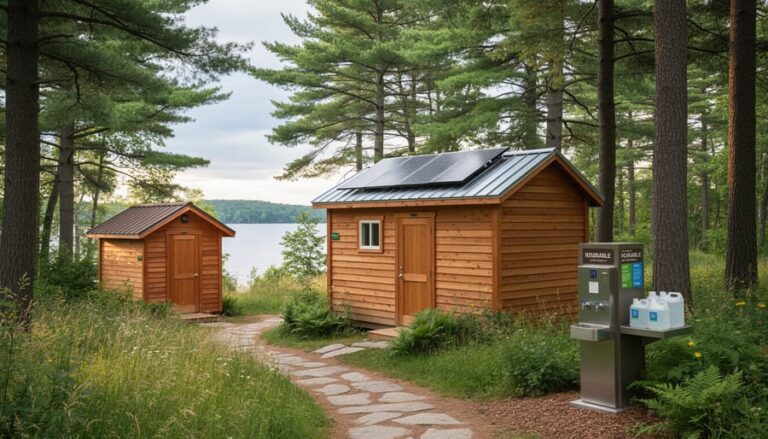
The sanctuary philosophy reframes your role from passive tourist to active participant in conservation. Your cabin’s solar panels aren’t merely cutting costs; they’re demonstrating how human presence can coexist with wilderness without draining its resources. The composting toilets, rainwater collection systems, and native plant landscaping become living lessons in sustainable living that you can observe, experience, and potentially replicate at home.
This approach changes what you notice during your stay. Instead of tuning out your surroundings after unpacking, you become aware of bird nesting boxes positioned near your deck, native wildflower gardens that support pollinators, and interpretive signs explaining the forest ecosystem around you. The commitments create a framework where your vacation becomes restorative not just for you, but for the land itself, where checking in means joining a larger effort to keep Ontario’s wild places wild for generations ahead.
The 7 Sanctuary Commitments Explained
1. Minimal Environmental Impact
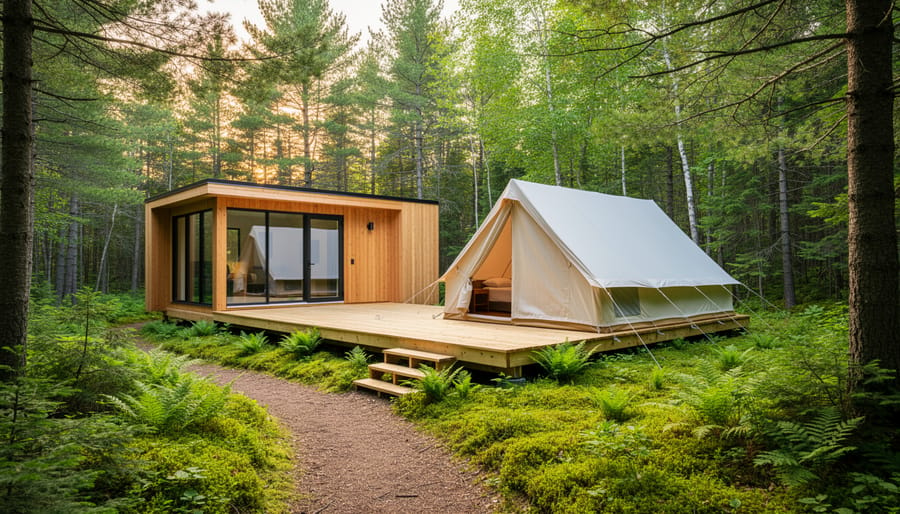
Minimal environmental impact starts with where and how structures are placed. Sanctuary-committed accommodations in Ontario choose sites that avoid disrupting wildlife corridors, sensitive ecosystems, and natural drainage patterns. You’ll notice facilities built on previously disturbed ground rather than pristine forest floors, with footpaths that follow existing contours instead of cutting through vegetation.
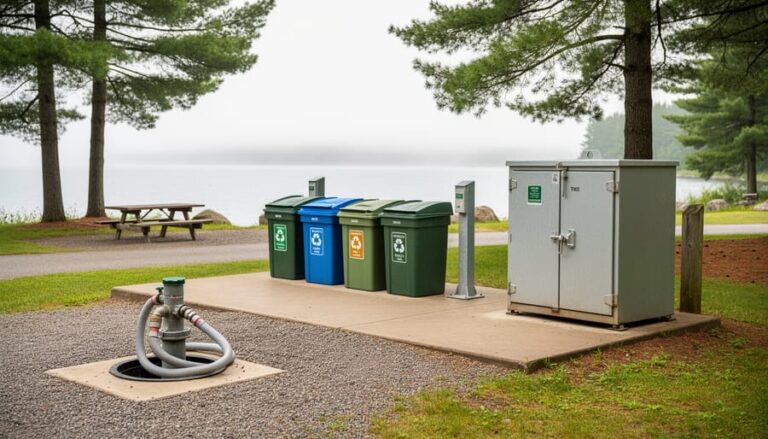
Waste reduction operates through multiple channels. Many parks have eliminated single-use plastics in their rental cabins, replacing them with refillable dispensers and reusable dishware. Composting toilets divert thousands of pounds of waste from landfills annually, while comprehensive recycling programs sort materials at the source. Some forward-thinking facilities have embraced zero waste travel principles, designing stays where virtually nothing ends up in the trash.
Energy efficiency shapes the guest experience in subtle ways. LED lighting, passive solar heating through strategic window placement, and high-performance insulation reduce power consumption without sacrificing comfort. Solar panels on cabin roofs and micro-hydro systems near water sources generate clean electricity, while smart thermostats adjust temperatures when accommodations sit empty between bookings.
2. Wildlife and Habitat Protection
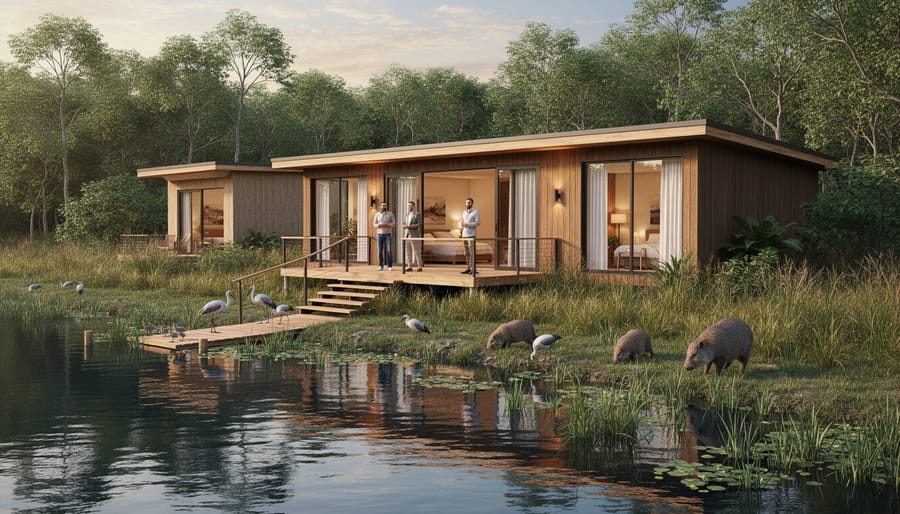
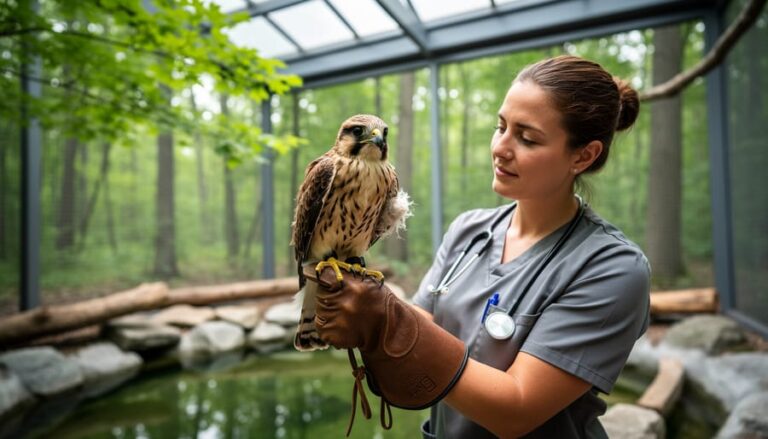
Wildlife-safe accommodation means more than keeping food locked away. It’s about designing campsites and lodges that work with the landscape rather than against it. In Ontario parks that follow sanctuary principles, you’ll notice buffer zones around known nesting sites, particularly for species like loons and herons that need quiet during breeding season. Trails and tent pads are positioned to avoid disrupting animal movement corridors that deer, foxes, and other wildlife use nightly.
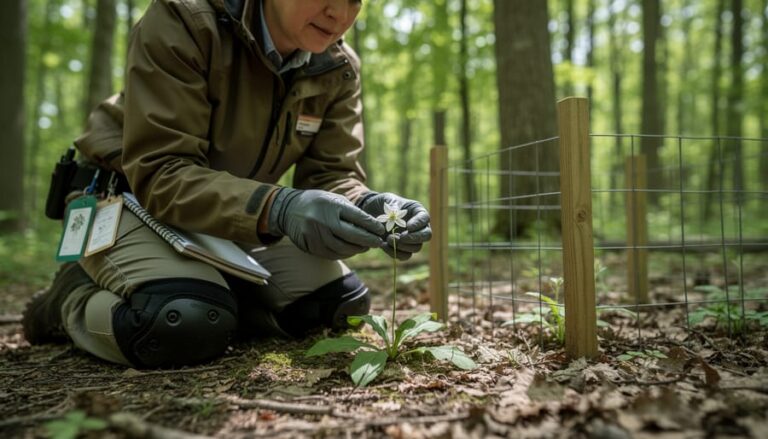
Look for facilities that use motion-sensor lights instead of constant illumination, reducing disruption to nocturnal animals. Some parks now install wildlife underpasses or elevated crossings near popular camping areas, letting animals move safely without encountering humans. Staff training plays a role too: interpreters and campground attendants learn to spot signs of denning or nesting activity and adjust site availability accordingly.
The commitment extends to vegetation management. Rather than clearing undergrowth completely, eco-conscious accommodations maintain native plants that provide food and shelter for birds, butterflies, and small mammals, preserving the ecosystem that makes these spaces special.
3. Water Conservation and Quality

Water is the lifeblood of Ontario’s parks, and sanctuary accommodations recognize their role as stewards of these precious resources. At places like Killarney Provincial Park and Silent Lake, eco-lodges capture rainwater for non-potable uses and install greywater systems that filter shower and sink water before returning it to the ground, naturally filtering it through layers of soil and vegetation. You’ll notice low-flow fixtures in washrooms and outdoor showers that cut water use by 40% without sacrificing comfort. These facilities also keep detergents and soaps at least 70 meters from shorelines, preventing phosphates from feeding algae blooms that choke fish populations. Some parks have adopted composting toilets that eliminate water waste entirely while using low-impact materials that break down waste without chemicals. Staff monitor water quality monthly, testing for contaminants that could signal problems from septic systems or runoff, catching issues before they compromise the lakes and rivers you came to enjoy.
4. Sustainable Materials and Construction
The fourth sanctuary commitment focuses on what accommodations are built from and how construction minimizes environmental harm. Rather than importing conventional materials that rack up carbon miles and require heavy processing, eco-conscious facilities prioritize timber harvested from sustainably managed Ontario forests, reclaimed wood from old barns or demolished structures, and natural insulation like sheep’s wool or cellulose.
You’ll notice this commitment in action when you stay at cabins featuring locally milled pine or cedar, stone foundations sourced from nearby quarries, and metal roofing designed to last decades without replacement. Some parks have embraced straw-bale construction for insulation or rammed-earth walls that regulate temperature naturally, cutting heating and cooling needs dramatically.
The construction process itself matters too. Crews minimize site disturbance by using smaller equipment, preserving existing trees, and timing builds to avoid nesting seasons. Finishing materials lean toward low-VOC paints, natural oils for wood treatment, and fixtures made from recycled content.
These choices create structures that blend into the landscape rather than dominating it, while supporting regional suppliers and craftspeople who understand Ontario’s climate demands and ecological priorities.
5. Community and Indigenous Partnership
This commitment recognizes that sustainable accommodation doesn’t exist in isolation, it thrives through genuine partnerships with the people who’ve stewarded these lands for generations. Many Ontario parks now work directly with local Indigenous communities to incorporate traditional ecological knowledge into facility design and operations. You’ll find accommodations where interpretive programs are led by Indigenous guides, teaching visitors about medicinal plants, seasonal cycles, and the cultural significance of the landscape.
Supporting regional economies is equally central. Eco-conscious lodges and campgrounds prioritize local suppliers for construction materials, food provisions, and maintenance services. Some facilities employ community members as naturalists and caretakers, ensuring knowledge and income stay within the region. This approach creates accommodations that respect both cultural heritage and economic sustainability.
When you stay at these places, you’re participating in reconciliation and community prosperity, not just occupying a bed for the night.
6. Visitor Education and Awareness
The sixth sanctuary commitment transforms your stay into a learning experience that extends far beyond your visit. Parks and eco-lodges integrate interpretive programs, guided nature walks, and interactive displays that reveal the delicate ecosystems around you. You’ll find trail signage explaining why you shouldn’t feed wildlife or stray from marked paths, and campground hosts who share Leave No Trace principles during evening programs.
Many facilities provide welcome kits with practical conservation tips, how to minimize grey water impact, what makes packaging truly compostable, or why certain soaps harm aquatic life. Some offer workshops on identifying native plants, tracking animal signs, or building backyard pollinator gardens at home. The Haliburton Forest’s Wolf Centre, for instance, educates thousands annually about predator ecology and coexistence strategies relevant to urban settings too.
This commitment recognizes that informed visitors become conservation ambassadors. When you understand why staff ask you to use specific waste bins or keep noise levels down during nesting season, you’re more likely to adopt these practices in daily life, exactly the ripple effect Ontario’s natural spaces need.
7. Carbon Neutrality and Renewable Energy
The seventh commitment addresses climate impact head-on through renewable energy adoption and carbon reduction strategies. Many sanctuary-style accommodations in Ontario parks now power their operations with solar panels, particularly in remote locations where grid connections would require destructive infrastructure. Some facilities use micro-hydro systems that harness stream flow without damming, while others employ geothermal heating and cooling that taps into the earth’s stable temperatures.
Beyond on-site generation, these accommodations measure their total emissions, from propane used in cabins to vehicle access for maintenance, and implement carbon offset travel programs that fund verified conservation projects. You’ll find lodges that offset 100% of guest transportation or invest in regional reforestation to balance unavoidable emissions. Some parks have eliminated diesel generators entirely, transitioning to battery storage systems charged by renewables. The commitment extends to construction choices too, selecting materials with low embodied carbon and partnering with suppliers who track their manufacturing footprint. This sanctuary principle recognizes that protecting nature requires addressing the climate crisis at its source.
Where to Experience Sanctuary-Style Accommodations in Ontario
Finding accommodations that genuinely embrace sanctuary principles requires knowing what to look for beyond the marketing copy. Start with Ontario Parks properties that display Green Key certification or participate in the Sustainable Tourism program. These designations mean the facility has undergone independent verification of its environmental practices.
Bruce Peninsula National Park and Algonquin Park both offer roofed accommodations that meet several sanctuary standards, from solar-powered facilities to composting toilet systems. The yurts at Bon Echo Provincial Park use locally sourced wood and feature minimal-impact foundations that protect root systems underneath. When browsing listings, look for specific mentions of renewable energy sources, greywater systems, or partnerships with Indigenous communities, vague “eco-friendly” claims don’t tell you much.
Private eco-lodges like those near Killarney Provincial Park often go further than provincial campgrounds in transparency. Check their websites for detailed sustainability reports rather than just green buzzwords. Properties serious about these commitments will spell out their waste diversion rates, water conservation measures, and community partnerships.
Before booking, ask direct questions: Where does your power come from? How do you handle wastewater? What happens to organic waste? Sanctuaries that walk the talk will answer enthusiastically with specifics. They’ll mention things like rainwater catchment barrels, native plant restoration projects, or staff training in Leave No Trace principles.
Your confirmation email or booking portal should include guidelines about what to bring and what to leave home, another sign the property takes its environmental role seriously. True sanctuary accommodations view every guest as a partner in conservation, not just a revenue source.
How You Can Support These Commitments
Supporting the seven sanctuary commitments starts before you even arrive at the park. Pack reusable containers, water bottles, and utensils to eliminate single-use plastics. Choose biodegradable soaps and toiletries, and bring a small mesh bag for separating recyclables from waste. If possible, opt for zero-emission transportation like electric vehicles or coordinate carpools with fellow campers.
Once you’re settled in, follow these daily practices to minimize your impact:
- Use designated trails and pathways exclusively, avoiding shortcuts that damage vegetation and disturb wildlife corridors.
- Conserve water by taking navy showers (wet, soap, rinse), turning off taps between uses, and collecting greywater for dousing campfires.
- Store all food, toiletries, and scented items in bear-proof containers or vehicle trunks, even during daylight hours.
- Extinguish fires completely before leaving your site or retiring for the night, using only locally sourced firewood to prevent invasive species spread.
- Report wildlife sightings to park staff without approaching animals, helping them monitor habitat use and population health.
Participate in any educational programs offered during your stay. Many sanctuary-style accommodations host guided nature walks, conservation workshops, or citizen science initiatives where you can contribute meaningful data. Before checkout, leave your site cleaner than you found it and share your eco-conscious experience with fellow campers, inspiring others to adopt these practices on their own adventures.
Common Questions About Sanctuary Accommodations
Many first-time visitors to sanctuary accommodations wonder if going green means sacrificing comfort or paying premium prices. Let’s clear up the most common questions.
Do eco-conscious accommodations cost more than standard campsites?
Pricing is generally comparable to conventional options, with many sanctuary-style sites falling in the mid-range. Some premium eco-lodges do charge more, but the difference reflects upgraded amenities and infrastructure investments rather than environmental features alone.
Will I have to rough it without modern conveniences?
Not at all. Most sanctuary accommodations provide comfortable beds, electricity, and running water, they just deliver these amenities more efficiently. You’ll find composting toilets work just as well as conventional ones, and solar showers stay surprisingly warm.
How far in advance should I book these accommodations?
Popular eco-lodges and certified green campsites fill up quickly during peak season, so reserve at least two to three months ahead for summer weekends. Shoulder season offers more flexibility and often better rates.
What if I forget to bring eco-friendly supplies?
Most sanctuary facilities stock biodegradable soap, reusable dishware, and other sustainable essentials in their camp stores. Staff can point you toward nearby options if something specific isn’t available on-site.
The commitment to sustainability actually enhances your stay rather than limiting it. Quiet solar generators mean no noisy gas engines disrupting the forest sounds at dawn. Greywater systems support lush native plantings around your cabin. Motion-sensor lighting preserves dark skies for stargazing while keeping pathways safe.
First-timers often report feeling more connected to their surroundings precisely because these accommodations remove the barrier between indoor comfort and outdoor experience. You’re not walled off from nature, you’re nestled into it thoughtfully.
Choosing accommodation guided by the seven sanctuary commitments means your Ontario getaway becomes part of something bigger than a simple vacation. Every night you spend at an eco-conscious campground or cabin actively contributes to habitat preservation, water protection, and carbon reduction, without sacrificing comfort or adventure.
These commitments prove that responsible tourism doesn’t mean roughing it or missing out. You’ll still enjoy cozy evenings by the fire, stunning lakeside views, and memorable wildlife encounters. The difference? You’re experiencing nature in a way that ensures it remains vibrant for future visitors and the creatures who call these parks home year-round.
Ontario’s network of sanctuary-style accommodations keeps growing as more operators recognize what travelers truly want: authentic outdoor experiences that align with their values. When you book your next trip, look for facilities embracing these principles. Ask about their conservation practices. Support businesses that invest in renewable energy, partner with Indigenous communities, and educate guests about environmental stewardship.
Your choice matters. Each reservation at a sanctuary-committed property sends a clear message about the kind of tourism Ontario should champion, one that protects our natural heritage while creating unforgettable memories in the great outdoors.







+ There are no comments
Add yours