
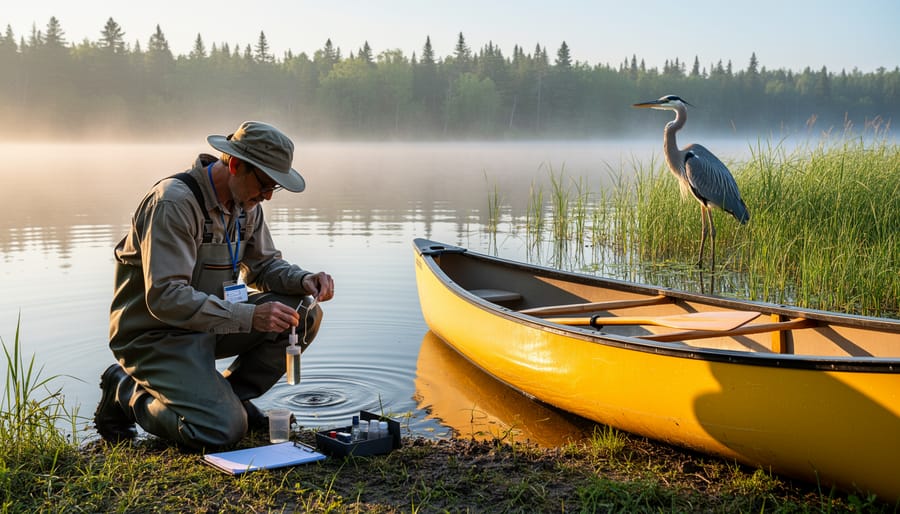
Picture this: An environmental scientist wades through a pristine wetland at dawn, collecting water samples while a great blue heron watches curiously from the reeds. By afternoon, she’s analyzing data in a research station, and by evening, she’s presenting findings to a community group about protecting their local watershed. Yes, environmental scientists travel – and their journeys offer surprising lessons for anyone exploring Ontario’s natural spaces.
These professionals don’t just visit beautiful places; they study them with purpose, moving between remote field sites, laboratories, government offices, and international conferences. Some spend months monitoring wildlife in provincial parks, while others jet between cities advocating for policy changes. Their work ranges from solo backcountry expeditions tracking species migration to collaborative projects with Indigenous communities preserving traditional lands.
What makes their travel particularly fascinating is how they’ve mastered the art of exploring nature while protecting it – a skill every Ontario traveler can learn from. Environmental scientists have developed practical strategies for minimizing impact during field research, choosing sustainable transportation, and truly understanding the ecosystems they visit rather than simply passing through.
Whether you’re planning a weekend camping trip or dreaming of a career that combines science with adventure, understanding how environmental scientists approach travel reveals both the realities of this dynamic profession and actionable ways to make your own Ontario explorations more meaningful and sustainable. Their fieldwork isn’t just about collecting data; it’s about forming deep connections with the natural world that transforms how we experience every trail, lake, and forest.

Where Environmental Scientists Travel (And Why It Matters to You)
Research Destinations in Ontario’s Backyard
You don’t need to venture far to find environmental scientists hard at work. Ontario’s parks serve as living laboratories where researchers study everything from climate change impacts to wildlife conservation.
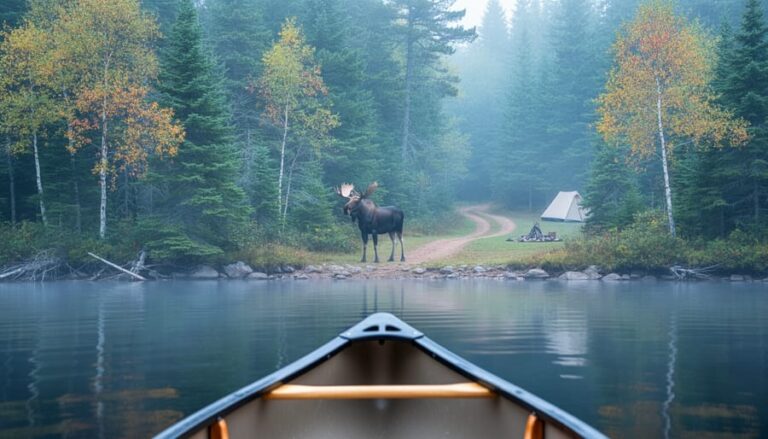
In Algonquin Park, scientists spend weeks tracking moose populations and studying how warming temperatures affect their habitat. I once chatted with a researcher knee-deep in wetland muck, collecting water samples to monitor mercury levels in fish. She explained how their findings directly influence park management decisions and help protect the ecosystems visitors love exploring.
Over at Bruce Peninsula National Park, environmental scientists focus on the unique Niagara Escarpment ecosystem. They’re documenting rare orchid species and studying how increased foot traffic affects sensitive cliff-edge vegetation. Their work has led to strategic trail modifications that protect fragile plants while still letting you enjoy those stunning Georgian Bay views.
The Great Lakes themselves are massive research sites. Scientists regularly travel between shoreline locations, testing water quality and tracking invasive species like zebra mussels. Their boats become mobile research stations as they collect data that helps predict algae blooms and protect drinking water sources for millions.
What’s fascinating is how this research translates into better visitor experiences. When scientists identify sensitive nesting areas or spawning grounds, parks create viewing platforms and interpretive signs so you can observe nature responsibly without disturbing it.
Beyond the Tourist Trail
Environmental scientists don’t just visit the popular spots—they venture into territories most travelers never see. Think peat bogs in remote northern regions, hidden wetlands tucked away from highways, and ancient forest pockets that don’t make it onto tourist maps. These researchers spend weeks in areas so untouched that cellular service becomes a distant memory.
Here’s the exciting part: you can follow in their footsteps. Many of Ontario’s lesser-known conservation reserves and provincial parks offer that same sense of discovery. Scientists have shared with me that some of their most profound moments happen in these quiet spaces—watching carnivorous pitcher plants thrive in acidic bogs or documenting rare orchids in microhabitats most people walk right past.
An insider tip? Connect with local naturalist groups or university field stations to learn about lesser-visited areas. These organizations often know about accessible spots that mirror scientific research sites. Just remember to practice Leave No Trace principles—the same code scientists follow to preserve these fragile ecosystems. Pack out everything you bring in, stick to established trails when possible, and give wildlife plenty of space. The reward? Authentic wilderness experiences that feel worlds away from crowded attractions.
Travel Habits Worth Stealing From Environmental Scientists
The ‘Leave No Trace’ Approach They Actually Live By
Environmental scientists aren’t just preaching sustainability from university offices—they’re living it in some of Ontario’s most remote locations. During a six-week monitoring project in Algonquin Park, Dr. Sarah Chen and her team demonstrated what Leave No Trace truly means when you’re camping in one spot for extended periods.
“We packed out absolutely everything, including organic waste like apple cores,” Sarah explains. “People think fruit scraps are harmless, but they alter wildlife behavior and introduce non-native seeds.” Her team used a sealed composting system they transported back to their research station weekly. That’s commitment!
Here’s what you can borrow from their playbook for your next camping trip. Scientists use biodegradable soap at least 70 meters from water sources and scatter the greywater broadly. They mark existing paths with temporary flagging tape rather than creating new trails, removing all markers before leaving. When observing wildlife, they maintain distances that don’t alter animal behavior—if a creature changes its activity because you’re there, you’re too close.
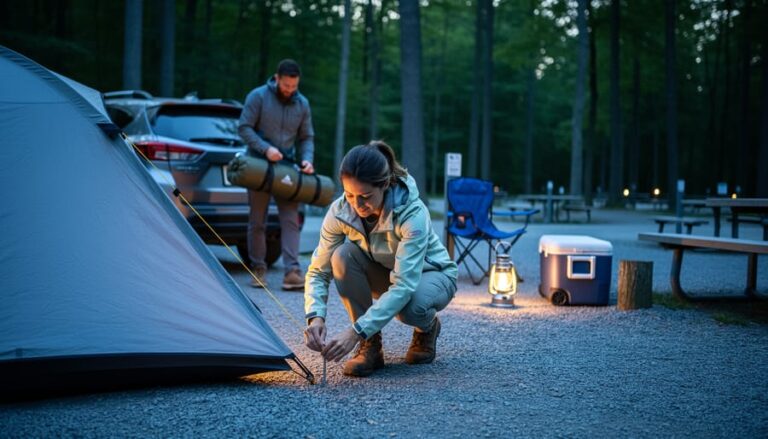
One insider tip that surprised me: environmental teams actually rake and scatter leaf litter before departing long-term campsites. This disguises their footprint and helps the forest floor recover faster. They also photograph their campsite upon arrival and aim to leave it looking identical, or better.
The golden rule these scientists follow? If you’re wondering whether something counts as trace evidence, it probably does. When in doubt, pack it out.
Packing Light and Smart for Minimal Impact
When environmental scientists head into Ontario’s backcountry, they’re masters at packing light while minimizing their footprint. I’ve learned some brilliant tricks from researchers who’ve shared their gear lists with me over the years.
First up: reusable everything. Scientists swap single-use plastics for collapsible silicone containers, stainless steel water bottles, and cloth bags. One researcher I met carries a lightweight titanium spork that’s lasted her fifteen years across three continents. Talk about reducing waste!
They also choose multi-purpose gear religiously. A bandana becomes a water filter, towel, and pot holder. A tarp serves as shelter, groundsheet, and rain cover. This approach cuts down on manufacturing demands and keeps pack weight manageable.
Here’s an insider tip: invest in quality items that last rather than cheap gear you’ll replace. Scientists often use equipment for decades because durability matters when you’re miles from civilization.
For soap and hygiene products, biodegradable options are non-negotiable. Look for phosphate-free, plant-based formulas, and always wash at least 60 meters from water sources.
Finally, consider a solar charger for electronics. It’s surprisingly effective even on cloudy Ontario days, eliminating the need for disposable batteries. Your camping trips become quieter, cleaner, and truly leave no trace behind.
Respectful Wildlife Observation Techniques
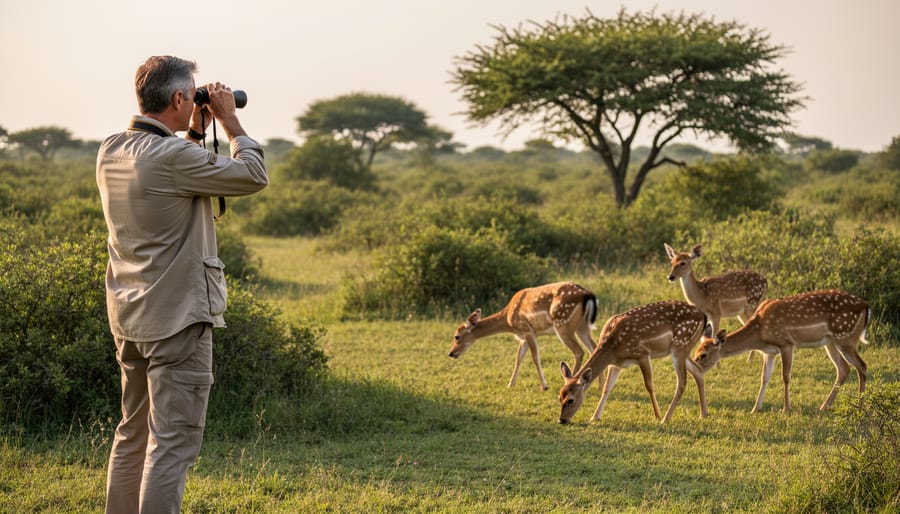
When environmental scientists track wildlife in Ontario’s parks, they follow techniques that any nature lover can adapt. The golden rule? Keep your distance and let animals behave naturally. A pair of quality binoculars becomes your best friend here – they let you zoom in without physically getting closer.
I learned this the hard way during a moose encounter in Algonquin Park. My excitement nearly scared off a magnificent bull until a seasoned researcher reminded me that patience wins every time. Stay at least 30 meters from most wildlife, and double that for bears or moose with calves.
Movement matters too. Walk slowly and avoid sudden gestures that might startle animals. Early morning and dusk offer the best viewing opportunities when wildlife is most active, so plan your hikes accordingly.
For photography enthusiasts, invest in a telephoto lens rather than creeping closer for that perfect shot. Scientists often use camouflage blinds, but even wearing neutral colors helps you blend into the surroundings.
Here’s an insider tip: if an animal changes its behavior – stops eating, stares at you, or moves away – you’re too close. Back up slowly and give them space. Remember, we’re visitors in their home, and respecting boundaries ensures these incredible creatures remain comfortable and visible for future generations to enjoy.
What They Notice That You’re Missing
Reading the Landscape Like a Pro
You don’t need a science degree to start reading the landscape like environmental scientists do during their fieldwork. Start with water quality – clear, flowing streams with visible rocks and aquatic plants typically indicate healthy ecosystems. If you spot frogs, dragonflies, or fish darting about, that’s nature’s thumbs-up for good water conditions.
Pay attention to tree bark and leaf patterns. Lichens growing on tree trunks signal clean air quality, while yellowing leaves in mid-summer might indicate stress from drought or disease. Environmental scientists track these visual cues to monitor ecosystem health over time, and you can too.
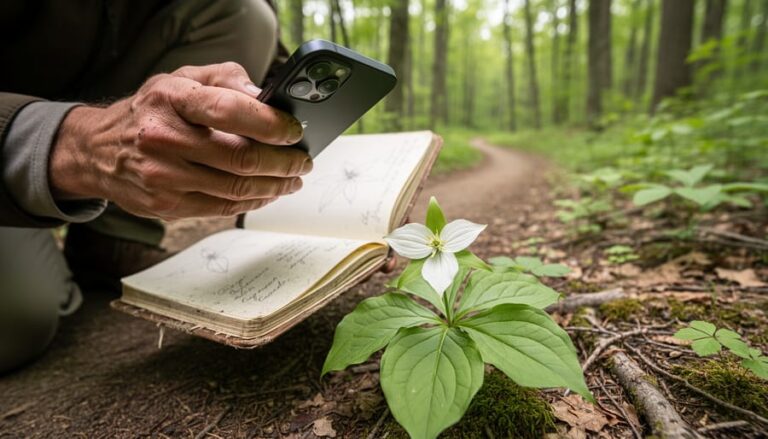
Seasonal changes tell fascinating stories. Notice when certain wildflowers bloom or when migratory birds arrive – these patterns reveal climate trends and ecosystem rhythms. I’ve found that keeping a simple nature journal during visits transforms casual hikes into meaningful observations. Jot down what you see, hear, and smell each season.
Here’s an insider tip: look for “indicator species.” Trout thrive only in cold, clean water, so their presence signals pristine conditions. Similarly, certain wildflowers like trilliums prefer undisturbed, mature forests. Finding them means you’ve discovered something special.
Ground disturbances matter too. Fresh animal tracks, overturned logs, or gnawed bark reveal which creatures call this place home. Scientists use these clues to assess biodiversity without expensive equipment – and so can you. This awareness not only enriches your outdoor adventures but also helps you become a better steward of the natural spaces you explore.
The Hidden Impact of Popular Trails
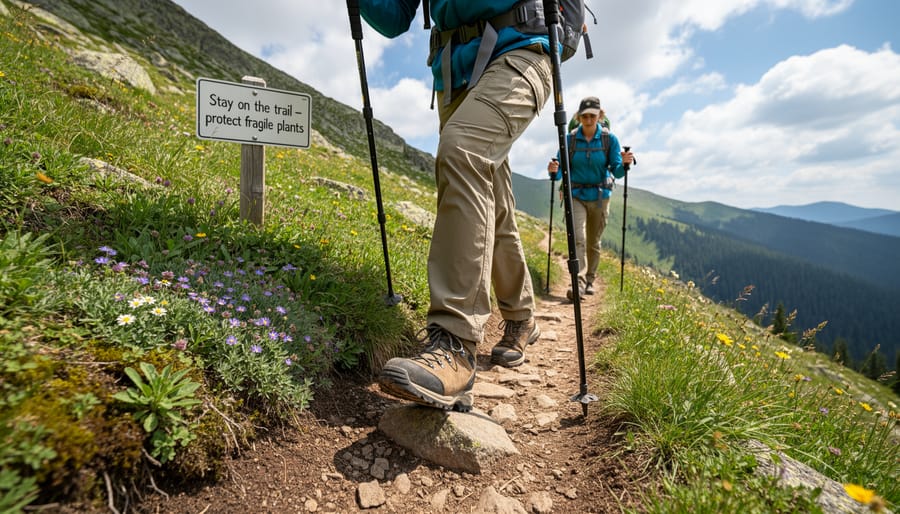
Environmental scientists studying Ontario’s most beloved trails have discovered something most hikers never notice: our favourite paths are literally changing the landscape beneath our feet. When they measure trail widths over time, they often find popular routes expanding by several metres as hikers step aside to avoid muddy sections or pass other groups. That simple sidestep contributes to soil compaction, root damage, and erosion that can take years to reverse.
Here’s what really opened my eyes during a conversation with a park ecologist: she explained that on some busy trails, the cumulative environmental impact of thousands of boots creates “desire paths” that fragment sensitive habitats. Wildlife, particularly ground-nesting birds and small mammals, avoid areas within 50 metres of heavily trafficked trails. Multiply that buffer zone across dozens of pathways, and you realize how much habitat we’re inadvertently closing off.
The good news? Scientists say small changes make a real difference. Staying on designated trails even when muddy, timing visits during off-peak hours, and choosing less popular routes all help. One researcher I spoke with called it “loving our parks to life instead of to death.” When you understand these hidden impacts, you naturally become a more thoughtful visitor—checking trail conditions before you go, sticking to established paths, and maybe exploring that lesser-known provincial park you’ve been curious about instead of joining the crowds at the Instagram hotspot.
How to Travel Like an Environmental Scientist in Ontario Parks
Timing Your Visit to Minimize Disruption
Timing really matters when you’re trying to minimize your footprint in nature, and environmental scientists have taught me some valuable lessons about this. I learned firsthand during a poorly-timed spring visit to a wetland area that my enthusiasm nearly disrupted nesting waterbirds – a mistake I won’t repeat!
The golden rule? Avoid sensitive areas during breeding seasons, typically late April through July for most Ontario wildlife. Scientists deliberately schedule their fieldwork around these periods when possible, and we should too. Early fall (September to October) offers a sweet spot – the weather’s still pleasant, wildlife has finished breeding, and you’ll witness spectacular migrations without causing stress to young animals.
Winter visits can actually be less disruptive in many ecosystems since animals are adapted to the season and human activity is naturally lower. Plus, tracking in snow helps you stay on designated trails more easily. One researcher told me she prefers winter surveys because her presence has minimal impact on dormant ecosystems.
Here’s an insider tip: visit popular spots on weekday mornings rather than weekends. You’ll experience the same beauty with fewer crowds, reducing collective impact on sensitive areas. Dawn visits also align with peak wildlife activity, giving you incredible viewing opportunities while animals are naturally active anyway, rather than disturbing their midday rest periods.
Choosing Eco-Friendly Activities and Tours
When exploring Ontario’s incredible natural spaces, you can follow the same principles environmental scientists use in their fieldwork. Look for eco-friendly activities and tours that minimize impact while maximizing learning opportunities.
Consider joining guided nature walks with organizations like Parks Ontario, where naturalists teach you to observe without disturbing wildlife habitats. I once joined a wetland tour near Lake Superior where our guide showed us how to identify invasive species – just like the scientists who monitor these ecosystems regularly. We stayed on designated boardwalks and learned proper plant identification techniques.
Kayaking and canoeing tours in places like Algonquin Park offer low-impact ways to explore waterways while observing aquatic ecosystems. Choose operators who practice leave-no-trace principles and use biodegradable cleaning products for equipment.
Bird-watching expeditions provide another scientist-approved activity. Bring binoculars instead of getting too close, and contribute your sightings to citizen science projects like eBird. These simple choices let you experience Ontario’s wilderness responsibly while supporting conservation efforts that environmental scientists rely on for their research.
Simple Daily Practices That Make a Difference
You don’t need a lab coat to practice what environmental scientists do in the field. Start with the “leave no trace” golden rule—pack out everything you bring in, including those tiny granola bar wrappers that love hiding in pockets. When hiking, stick to marked trails to protect fragile vegetation and prevent erosion. Scientists obsess over this because one shortcut can trigger soil degradation that takes years to repair.
Bring reusable water bottles and containers instead of single-use plastics. I’ve watched researchers meticulously collect their own waste during week-long expeditions, and if they can do it while hauling equipment, so can we. Use biodegradable soap at least 200 feet from water sources, and better yet, wash dishes at home before your trip.
Respect wildlife by observing from a distance—scientists use binoculars and telephoto lenses for good reason. Never feed animals, as it disrupts their natural behaviors and diet. Planning an earth-friendly Ontario adventure means choosing established campsites over pristine areas, and timing visits during off-peak seasons to reduce environmental pressure on popular spots. These small actions collectively protect the ecosystems we love exploring.
Here’s the truth: you don’t need a degree in environmental science to travel like one. By adopting even a few of the practices we’ve explored, you transform from a passive visitor into an active environmental steward, someone who leaves Ontario’s wild places better than they found them.
Think of yourself as a temporary guardian of the trails you hike, the lakes you paddle, and the forests you explore. When you pack out that extra piece of litter, stay on designated paths, or choose a refillable water bottle over single-use plastic, you’re practicing the same field-tested principles that environmental scientists follow daily. These small actions ripple outward, protecting the natural treasures that make Ontario exceptional.
Ready to start? Pick just one or two practices from this article to implement on your next adventure. Maybe you’ll download that plant identification app and start documenting the wildflowers you encounter. Perhaps you’ll commit to the “leave no trace” principles on your camping trip to Algonquin. Or you might simply pause more often to observe the incredible ecosystems around you, noticing details you previously overlooked.
Ontario’s provincial parks, waterways, and wilderness areas need champions like you. Every visit is an opportunity to explore, learn, and protect. So grab your daypack, bring your curiosity, and travel like the scientist you’ve always had within you.









+ There are no comments
Add yours