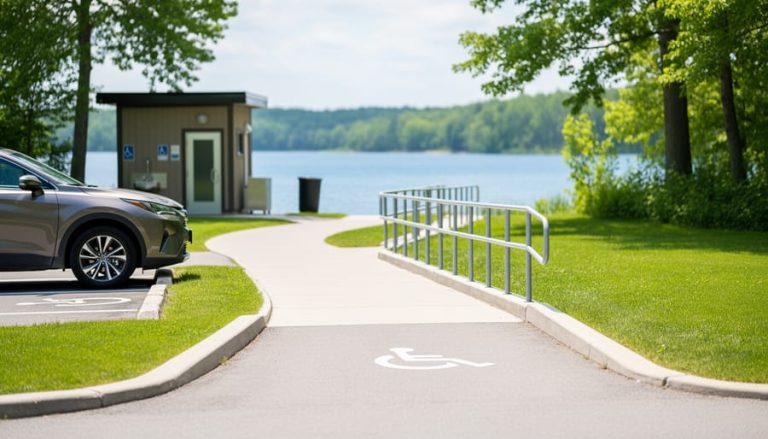
Public Restrooms and Showers in Ontario’s Parks: What to Expect and How to Find Them
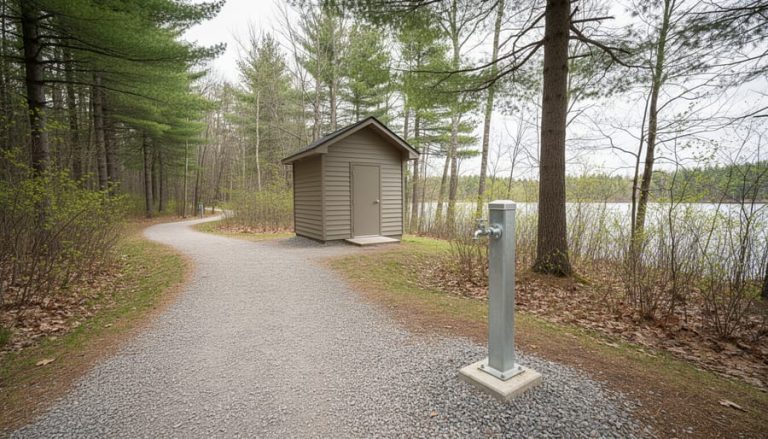
Most Ontario parks and campgrounds have public restrooms, and many also have showers, but what you’ll find depends on the park, the campground, and the…
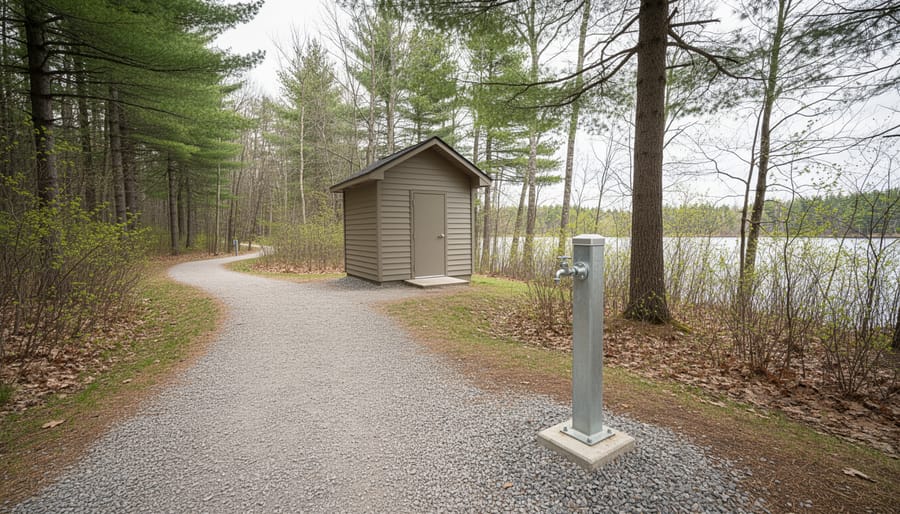
A centralized guide to on-the-ground services and infrastructure—trailheads, day-use areas, beaches, boat launches, washrooms, water and waste stations, parking, EV charging, visitor centres, picnic sites, and accessibility features—so travelers know exactly what’s available at each destination.
Most Ontario parks and campgrounds have public restrooms, and many also have showers, but what you’ll find depends on the park, the campground, and the…
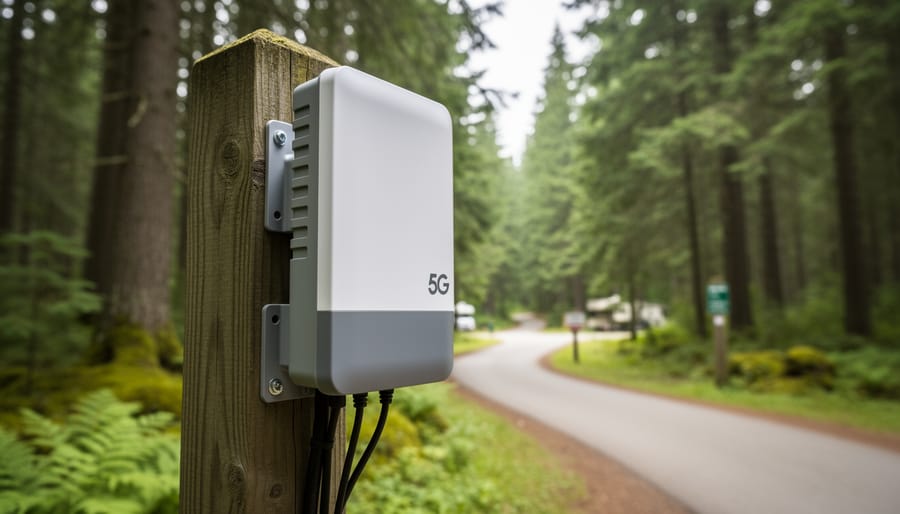
A 5G access point is a wireless networking device that broadcasts fifth-generation cellular signals to provide high-speed internet connectivity in a specific area, functioning much like traditional Wi-Fi but using cellular technology instead of landline broadband. Think of it as a cellular tower scaled down to serve a park, campground, or trail system rather than an entire city block.
For anyone planning outdoor adventures in Ontario’s parks, understanding 5G access points matters because connectivity in remote areas has traditionally been spotty at best. These devices are changing that reality. Parks Canada and Ontario Parks …
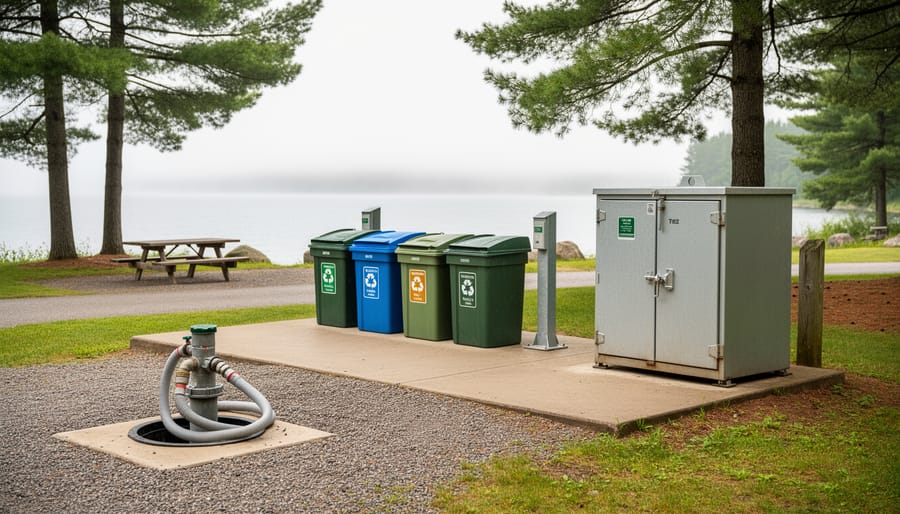
Ontario’s provincial parks and campgrounds provide free dump stations, bear-proof bins, and recycling programs at most developed sites, so responsible waste disposal comes down to knowing which stations serve your campground and packing out everything you carry into backcountry zones. RV travelers will find clearly marked sani-dump locations near campground exits or service areas, typically open from early May through mid-October, while tent campers use designated waste stations …
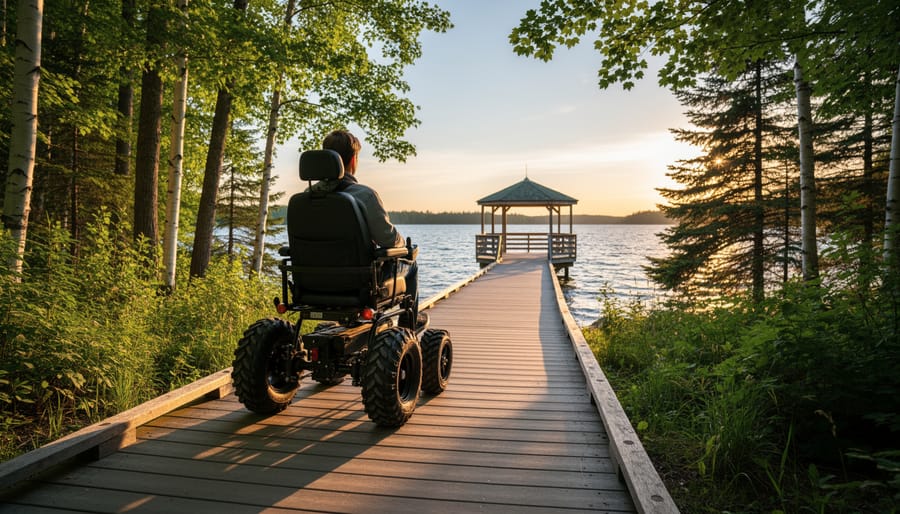
Ontario’s provincial and national parks have transformed accessibility in recent years, offering mobility assistive equipment that opens wilderness experiences to everyone. Beach wheelchairs with oversized balloon tires glide across sand at Sandbanks Provincial Park, while track chairs navigate rugged terrain at Algonquin Park’s interpretive trails. Many parks now stock all-terrain wheelchairs free of charge through reservation systems, though availability varies by season and location.
Planning ahead makes all the difference. Call park offices directly to confirm equipment availability, as online listings don’t …
Download free apps like Sanidumps, RV Parky, or Allstays Camp & RV to pinpoint dump stations within minutes of your current location—most show real-time availability, user reviews, and whether they’re free or paid. Call ahead to provincial parks and private campgrounds in Ontario, as many welcome non-guests for a small fee (typically $10-20) and offer potable water refills alongside dump access. Look for highway rest stops along major routes like the 401 and 400 series, where Ontario Travel Information Centres often provide complimentary dumping facilities during operating hours. Check with big-box retailers like Canadian Tire…
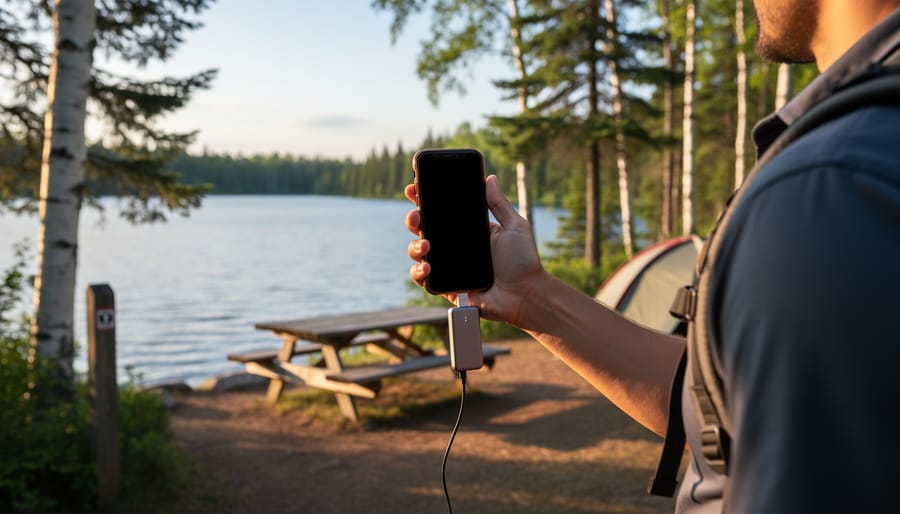
Download offline maps of your destination before leaving home – apps like Maps.me or Google Maps let you navigate trails and find campsites even when you’re completely off the grid. I learned this the hard way during a backcountry trip near Algonquin when my phone became nothing more than a camera for two days.
Check your specific campground’s connectivity before booking by calling the park office directly. Website descriptions like “limited service” can mean anything from spotty reception at the visitor center to zero bars across the entire property. Some Ontario parks have designated Wi-Fi zones near main…