
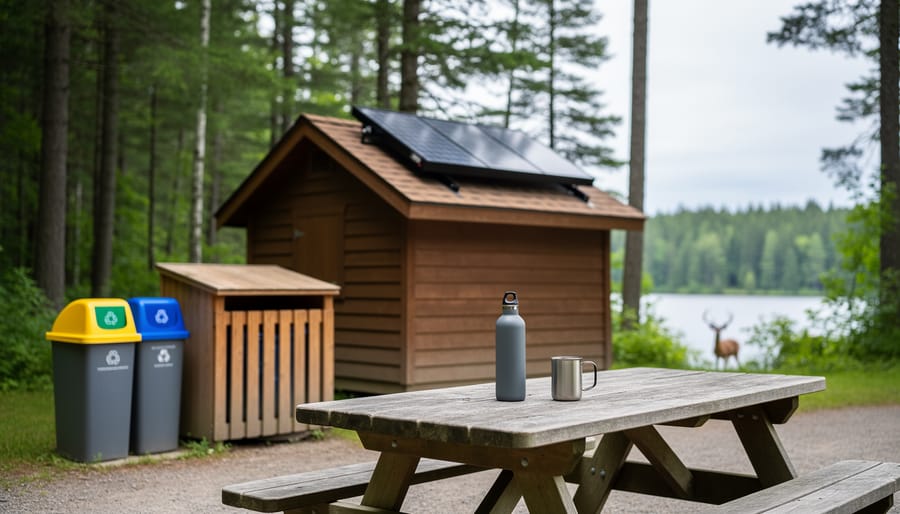
Eco-conscious means making choices that minimize harm to the environment and actively support the health of natural ecosystems. When you see this term in travel or accommodation contexts, it signals that a business or traveler prioritizes reducing waste, conserving resources, protecting wildlife, and lowering their carbon footprint through deliberate, measurable actions.
You’ve likely spotted “eco-conscious” on campground websites, lodge descriptions, or tour brochures and wondered whether it’s genuine commitment or marketing spin. The difference matters. True eco-conscious practices in the accommodations world go far beyond a recycling bin in the bathroom. They involve everything from water conservation systems and renewable energy to land stewardship programs and partnerships with local conservation groups.
This article breaks down exactly what eco-conscious means in practical terms, especially for travelers exploring Ontario’s parks and campgrounds. You’ll learn how accommodations demonstrate eco-conscious values through their operations, the specific practices and certifications that separate real efforts from greenwashing, and how understanding this term helps you make informed booking decisions that align with your values.
Whether you’re planning a weekend at a provincial park or researching sustainable lodges for your next outdoor adventure, knowing what eco-conscious actually entails gives you the tools to support businesses that treat environmental stewardship as a core responsibility, not an afterthought. The choices you make as a traveler create ripple effects, and understanding this definition is the first step toward travel that protects the wild spaces you love to explore.
What Eco-Conscious Means in Everyday Terms
At its core, eco-conscious means being aware of how your choices affect the environment and making deliberate decisions to reduce harm. It’s not about being perfect or following rigid rules, it’s about thinking before you act and choosing options that tread more lightly on the planet.
Let’s break down the two parts of the term. “Eco” comes from ecology, the study of how living things interact with their surroundings. When we talk about eco-conscious choices, we’re talking about decisions that consider these connections, how using a disposable water bottle affects waterways, or how driving to a trailhead impacts air quality. The “conscious” part is equally important: it means being awake to these connections and actively thinking about them rather than operating on autopilot.
When you apply both words together, you get a practical mindset. Being eco-conscious while camping might mean choosing a campsite close to home to reduce driving emissions, packing reusable dishes instead of disposables, or picking up litter you didn’t create. It’s that moment when you pause at the store and think, “Do I really need this single-use item, or can I bring something I already own?”
A few related terms often get mixed up with eco-conscious, so it helps to understand the distinctions:
- Sustainable
- Practices that can continue long-term without depleting resources or causing permanent damage. A sustainable campground uses resources at a rate nature can replenish.
- Eco-friendly
- Products or services designed to minimize environmental harm. An eco-friendly tent might use recycled materials and non-toxic waterproofing.
- Carbon footprint
- The total greenhouse gas emissions caused by your actions. Choosing a closer park over a distant one reduces your trip’s carbon footprint.
- Conservation
- Active protection and preservation of natural resources. Conservation efforts in Ontario parks protect wildlife habitats and water quality for future generations.
The difference is subtle but important. Eco-friendly describes the thing itself, while eco-conscious describes your awareness and decision-making process. You can stay at an eco-friendly lodge without being eco-conscious if you never thought about why it matters. Conversely, you’re being eco-conscious when you research options, weigh the environmental trade-offs, and pick the choice that does less damage, even if that choice isn’t perfectly green.
How Being Eco-Conscious Works in Practice
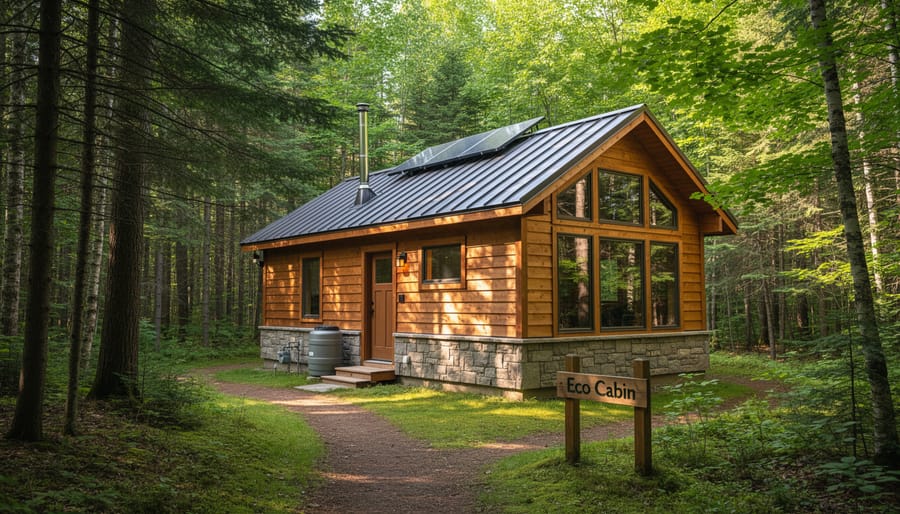
Being eco-conscious in practice starts with a simple mental shift: pausing before decisions to ask, “What impact will this choice have?” This isn’t about achieving perfection or overhauling your entire lifestyle overnight. It’s a deliberate process of noticing your options, understanding their environmental footprint, and choosing better alternatives when you can.
The first step is awareness, doing a bit of homework before your trip. When booking accommodation in Ontario’s parks, this means researching what properties actually do to reduce their impact. Look beyond marketing language for specific practices: solar panels, greywater systems, composting programs, or partnerships with local conservation groups. Read reviews from other travelers who mention environmental features. This research phase sets you up to make informed choices rather than guessing.
Next comes the evaluation stage, where you weigh your options against each other. Say you’re choosing between two campsites: one offers electrical hookups at every site, while another uses shared solar charging stations and encourages unplugged camping. An eco-conscious approach means considering which option aligns better with reducing energy consumption, even if it requires a small adjustment to your plans. You might also look at carbon offset travel programs when driving long distances to remote parks.
The action phase is where your decisions translate into real-world impact. You book the accommodation with proven environmental practices, pack reusable water bottles and containers, bring your own toiletries to avoid single-use packaging, and plan meals that minimize waste. During your stay, you follow Leave No Trace principles, conserve water, sort waste properly, and respect wildlife viewing distances.
Reflection completes the cycle. After your trip, consider what worked and what didn’t. Did you generate less waste than usual? Were the eco-conscious accommodations comfortable and worth supporting again? What would you do differently next time? This honest assessment helps you refine your approach for future adventures.
The beauty of this process is that it becomes second nature over time. What initially requires conscious thought eventually turns into automatic habit, making each subsequent trip easier and more impactful.
Types of Eco-Conscious Choices in Accommodation
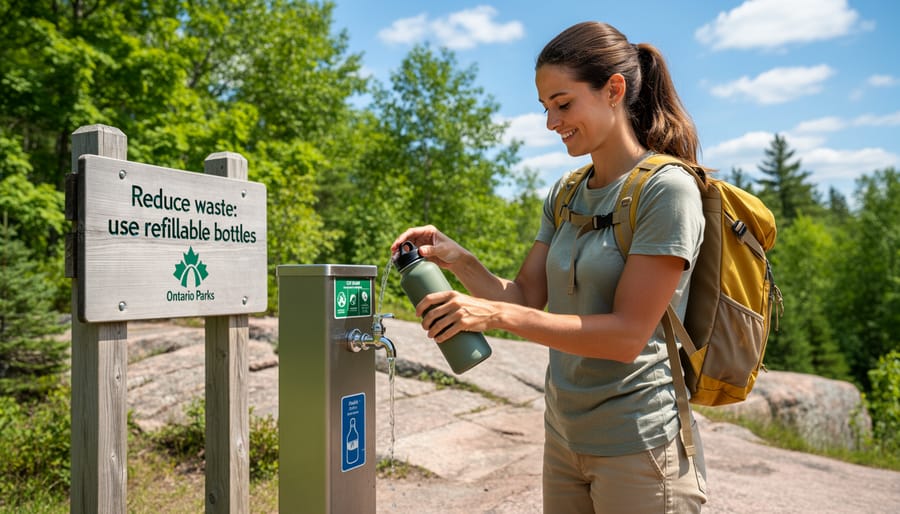
Eco-conscious accommodations in Ontario tackle environmental impact across five main areas, each addressing a different part of the footprint your stay creates.
Energy use covers everything from power sources to heating and cooling. Solar panels, LED lighting, and high-efficiency appliances cut electricity consumption. Some eco lodges in Ontario run entirely off-grid, while provincial park yurts use passive solar design to stay warm without burning fossil fuels. Even simple choices matter: motion-sensor lights in shared facilities, wood stove inserts instead of electric heat, and natural ventilation that reduces air conditioning needs.
Water conservation focuses on reducing both consumption and contamination. Low-flow fixtures, dual-flush toilets, and rainwater collection systems appear in many Ontario campgrounds now. Composting toilets eliminate water waste entirely while keeping nutrients out of waterways. Algonquin Park’s newer facilities feature greywater systems that filter sink and shower water for landscape irrigation. On the guest side, linen reuse programs and shorter showers add up when you’re talking hundreds of visitors per season.
Waste reduction tackles the garbage your stay generates. This includes composting food scraps, eliminating single-use plastics, and providing proper recycling infrastructure. Eco-conscious properties stock refillable soap dispensers instead of tiny bottles, offer reusable dishes and cutlery, and work with suppliers who use minimal packaging. Some Ontario campgrounds now operate zero-waste stores where you bring your own containers for basics.
- Energy: Solar power, LED lighting, passive heating in off-grid cabins and yurts
- Water: Low-flow fixtures, composting toilets, greywater systems, rainwater harvesting
- Waste: Composting programs, refillable dispensers, package-free camp stores, comprehensive recycling
- Local sourcing: Regional food suppliers, Ontario-made furniture and linens, nearby firewood
- Land stewardship: Native plantings, wildlife corridors, erosion control, invasive species management
Local sourcing means buying goods and services from nearby producers rather than shipping everything long distances. Accommodations that source Ontario-grown food, regional building materials, and local firewood support the community while cutting transportation emissions. You’ll find this at farm-to-table lodges and campgrounds that stock their shops with products from nearby makers.
Land stewardship protects the natural environment where the accommodation sits. This includes maintaining native plant communities, creating wildlife corridors, preventing erosion, and actively managing invasive species. Ontario parks restore shorelines, mark sensitive areas off-limits, and design trails that minimize habitat disruption. The best properties treat their land as something borrowed, not owned.
Where and When to Apply Eco-Conscious Thinking
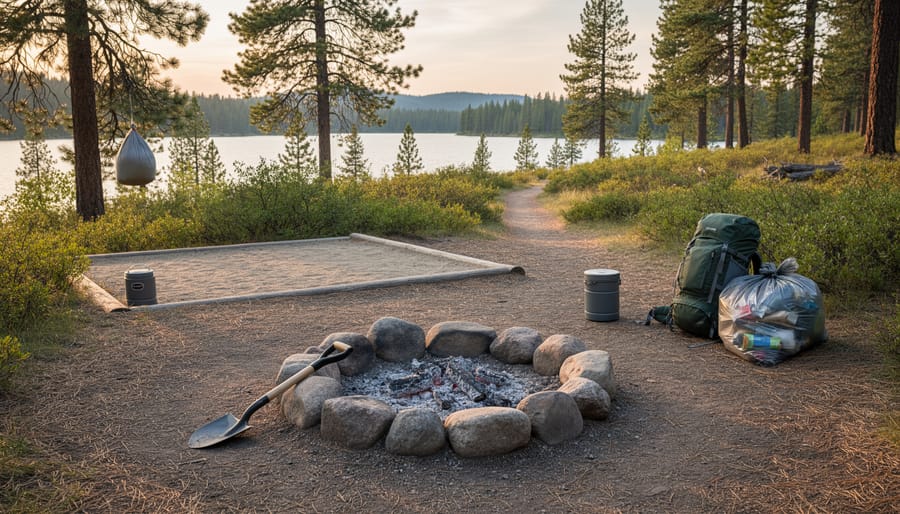
Being eco-conscious isn’t just about a single decision, it’s a mindset you can apply at every stage of your outdoor adventure. Here’s when and where those small choices add up to real impact.
Before You Book
Start before you even reserve your site. Research accommodations that prioritize conservation practices: renewable energy, water-saving systems, or waste diversion programs. Many Ontario parks publish their environmental initiatives online. When choosing your campsite, opt for established sites rather than creating new ones, which protects native vegetation and prevents soil erosion. Consider zero emission transportation options like cycling or paddling into backcountry sites instead of driving to every destination.
Packing and Preparing
Your packing decisions matter more than you’d think. Choose reusable containers over single-use packaging, bring a refillable water bottle and filter instead of plastic bottles, and pack concentrated biodegradable soap. Skip the disposable plates and cutlery. One insider tip: freeze meals in reusable silicone bags rather than buying pre-packaged camping food wrapped in layers of plastic.
During Your Stay
This is where eco-conscious thinking becomes daily practice. Use campground water sparingly, turn off lights in your cabin or RV when you’re outside, and stick to designated trails to avoid trampling fragile ecosystems. Pick up any litter you encounter, even if it’s not yours. Respect quiet hours, which helps reduce stress on wildlife.
After Your Visit
Eco-conscious thinking doesn’t end when you leave. Pack out everything you brought in, including food scraps and grey water where required. Share your experience with others, word-of-mouth support for eco-conscious accommodations encourages more properties to adopt sustainable practices. Reflect on what worked and what you’d change for next time.
Common Questions About Eco-Conscious Travel
Is eco-conscious the same as zero-waste?
No, eco-conscious is broader than zero-waste. Being eco-conscious means making environmentally aware choices across energy, water, waste, and land use, while zero-waste focuses specifically on eliminating garbage. You can be eco-conscious without achieving zero waste, though waste reduction is often part of the approach.
Do eco-conscious accommodations cost more?
Not necessarily. Many Ontario campgrounds and parks with eco-conscious practices charge standard rates because their operational efficiencies (like solar power or rainwater systems) reduce long-term costs. Some eco-lodges do carry premium pricing, but budget-friendly options exist, especially in provincial parks where sustainability is built into the experience.
How do I know if an accommodation is truly eco-conscious?
Look for specific details, not vague claims. Genuine eco-conscious properties describe their actual practices: solar panels, composting systems, water-saving fixtures, local food sourcing. In Ontario, certifications like Green Key or mentions in Parks Ontario’s sustainability reports signal real commitment rather than marketing language.
Can one person’s eco-conscious choices really make a difference?
Yes, especially in popular destinations. When you choose a campsite with eco-conscious practices, you’re voting with your wallet and encouraging other operators to follow suit. In Ontario’s high-traffic parks like Algonquin or Killarney, thousands of visitors making small adjustments, reusable water bottles, proper food storage, staying on trails, collectively protect ecosystems that millions enjoy.
These questions come up often because eco-conscious travel feels big and sometimes overwhelming. The truth is, you don’t need to overthink it or achieve perfection on your first camping trip. Start by asking one or two questions when booking your next Ontario adventure: How does this place handle waste? What are they doing about energy? The accommodations that can answer those questions clearly are usually the ones walking the talk. You’ll also find that many eco-conscious habits, packing reusables, choosing local food, spending time outdoors instead of idling in air-conditioned spaces, align naturally with what makes camping enjoyable in the first place.
Now that you understand what eco-conscious means, awareness of environmental impact combined with intentional decision-making, you can start putting it into practice on your next Ontario getaway. The beauty of being eco-conscious is that it doesn’t require perfection or grand gestures. Start small: choose a campsite with solar power, bring reusable containers, or simply pick up a few pieces of litter on the trail. Each conscious choice, no matter how modest, adds up.
Remember, eco-conscious thinking is a practice you develop over time, not an all-or-nothing standard you must meet immediately. You’ll make mistakes, forget your reusable water bottle, or realize later you could have made a better choice. That’s completely normal. What matters is the pattern of awareness and effort, not flawless execution every single time.
When you make eco-conscious decisions during your Ontario travels, you’re protecting the places you love. You’re helping preserve the pristine lakes, forests, and trails that make our provincial parks so special. You’re supporting accommodations and communities working hard to reduce their environmental footprint. And you’re modeling thoughtful choices for other visitors, creating a ripple effect that extends far beyond your own trip.
Ontario’s natural spaces thrive when we approach them with awareness and care. By understanding what eco-conscious means and applying it to your travel decisions, you become part of the solution, one campsite, one hike, one conscious choice at a time.









+ There are no comments
Add yours