
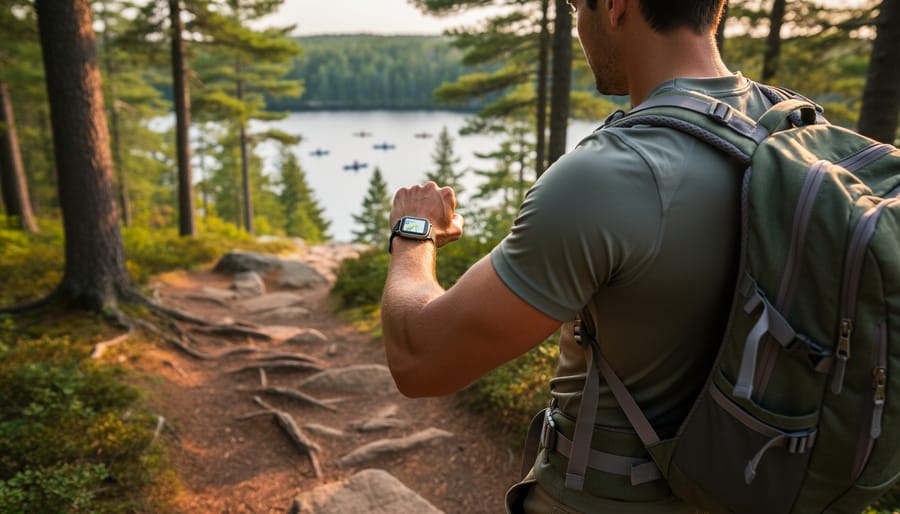
Picture this: you’re planning a weekend hike through Algonquin’s backcountry, but instead of spending hours cross-referencing trail maps, weather forecasts, and difficulty ratings, an intelligent system instantly suggests the perfect route based on your fitness level, the wildflowers currently blooming, and even how crowded each trail will be that Saturday morning.
That’s AI optimization transforming Ontario’s outdoor adventures from guesswork into personalized experiences.
AI optimization uses smart algorithms to analyze massive amounts of data—trail conditions, seasonal patterns, user preferences, and real-time updates—to deliver customized recommendations that match exactly what you’re looking for. Think of it as having an experienced hiking guide who knows every trail in Ontario, remembers your favorite landscapes, understands your pace, and can predict which routes will give you that magical solitude you crave.
For outdoor enthusiasts across Ontario, this technology means less time planning and more time exploring. The system learns from millions of hiker experiences to suggest trails you might never have discovered on your own, warns you about muddy sections after last night’s rain, and even recommends the best times to spot wildlife along your chosen path.
Tourism professionals are embracing these platforms to showcase hidden gems while managing overcrowding at popular destinations, creating sustainable tourism that protects the natural spaces we all love. The result? Smarter adventures that feel more spontaneous, more rewarding, and perfectly suited to your unique outdoor style.
What Exactly Are AI Trail Platforms? (And Why Ontario Hikers Are Loving Them)
Think of AI trail platforms as your super-smart hiking buddy who somehow knows exactly what you’re looking for before you even say it. These clever digital tools use artificial intelligence to crunch massive amounts of data—everything from your personal fitness level and trail preferences to real-time weather conditions and recent trail reports—then suggest routes perfectly tailored to you.
Here’s how it works in plain English: You tell the platform a bit about yourself (maybe you’re moderately fit, love waterfall views, and get nervous on steep climbs). The AI then analyzes thousands of data points—elevation changes, trail surface conditions, current weather forecasts, recent hiker reviews, wildlife sightings, and even seasonal foliage reports. Within seconds, it serves up customized route recommendations that match your abilities and interests.
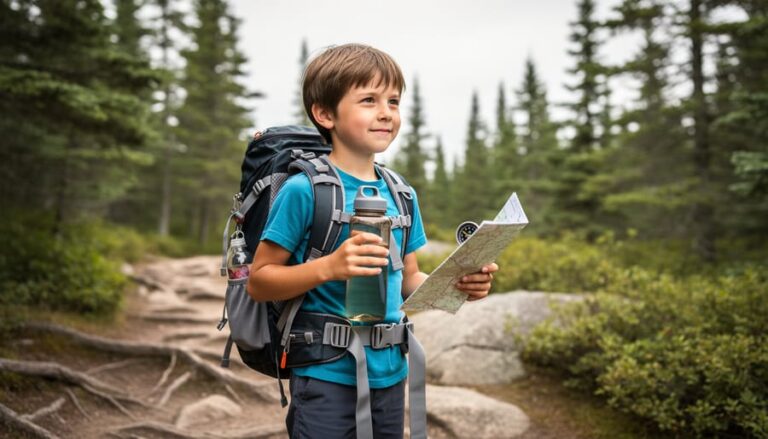
Let me share a real example. Last autumn, my friend Sarah used one of these AI travel tools before heading to Algonquin Park with her dog and ten-year-old daughter. She plugged in her criteria: dog-friendly, moderate difficulty, under two hours, with lake views. The platform recommended the Track and Tower Trail, flagging that recent rain made certain sections muddy but suggesting an alternate loop to avoid the worst spots. It even noted the fall colours were peaking that weekend and suggested the best photo spots along the route.
The result? A absolutely perfect day on the trails with zero guesswork or wrong turns.
What makes these platforms particularly brilliant is their ability to learn and adapt. The more you use them, the better they understand your hiking style. They consider factors you might not even think about—like suggesting shaded trails during heat waves or avoiding busy weekends if you prefer solitude. It’s personalization that goes way beyond what any printed guidebook could ever offer.
The Magic Behind the Recommendations
Your Personal Trail Preferences Meet Smart Algorithms
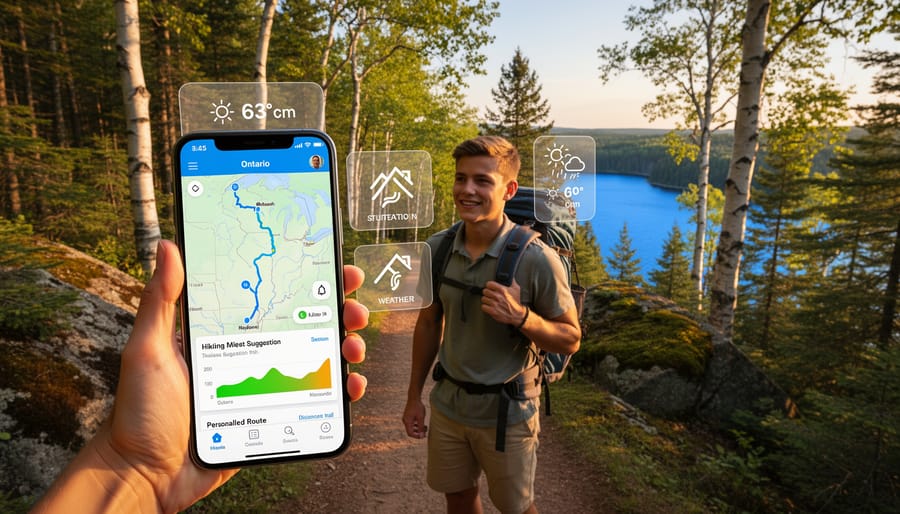
Think of it as having a hiking buddy who remembers everything you’ve ever loved about the outdoors. The platform’s smart algorithms notice patterns in your choices—maybe you consistently rate trails with waterfall views five stars, or you bookmark routes that pass through old-growth forests. Over time, it builds a detailed profile of your outdoor personality.
The technology tracks various preferences: difficulty levels, distance ranges, elevation gain, scenic features, wildlife opportunities, and trail surface types. If you’re someone who treasures those magical moments spotting deer at dawn, the system prioritizes trails known for wildlife sightings. Families seeking gentle paths with interpretive signs get matched with kid-friendly adventures.
Here’s an insider tip that makes all the difference: spend five minutes fine-tuning your preferences before your first search. Rate a handful of past hikes you’ve done, mark specific features you love (like boardwalks over wetlands or panoramic lookouts), and indicate any accessibility needs. The more information you provide upfront, the smarter your recommendations become. I’ve found that users who customize their profiles get spot-on suggestions within their first three searches, while those who skip this step often need a dozen tries to find their perfect match.
Real-Time Conditions That Keep You Safe and Happy
Here’s the thing about trail conditions: they change constantly, and AI optimization keeps pace with these shifts in real-time. The technology pulls data from weather stations, park reports, and even recent hiker feedback to ensure you’re not heading out to a flooded trail or exposed ridgeline during a thunderstorm. I learned this the hard way on a spring hike in Bruce Peninsula when I ignored early-season mud warnings.
Modern AI platforms track seasonal variations too. They know that certain trails in Algonquin Provincial Park become mosquito havens in June or that fragile wildflower meadows need protection during bloom season. This is where the eco-friendly magic happens. The system can redirect you away from overcrowded hotspots, suggesting equally beautiful alternatives that need less recovery time from foot traffic.
Trail congestion data helps spread visitors across Ontario’s vast network, preventing the “Instagram effect” where one viral location gets loved to death. You’ll discover hidden gems while giving popular spots breathing room. It’s personalized adventure planning that respects both your experience and the environment’s wellbeing. The AI becomes your insider guide, knowing when conditions align perfectly for your next outdoor escape.
Learning From Thousands of Other Hikers
Here’s what makes this technology truly special: it learns from the collective wisdom of thousands of hikers while keeping your personal information private. The system identifies patterns across users with similar preferences without ever sharing your individual data. Think of it like having a knowledgeable friend who’s talked to everyone who’s ever hiked in Ontario and can connect you with trails you’d never have discovered on your own.
I experienced this firsthand last spring when the platform suggested a lesser-known loop near Forks of the Credit. I’d never heard of it, but the AI recognized that hikers with my preference for moderate waterfall trails and spring wildflowers consistently raved about this spot. Sure enough, I found myself walking through carpets of trilliums beside cascading streams, with barely another soul in sight. It became one of my favorite hikes that season.
The beauty is that every time you rate a trail or adjust your preferences, you’re contributing to this collective intelligence too. Your insights help future hikers discover their perfect adventure, creating a community-powered system that gets smarter with every footstep. It’s eco-friendly information sharing at its finest, reducing overcrowding at popular spots by directing people to hidden gems that match their interests.
Real Benefits You’ll Notice on Your Next Hike
Say Goodbye to Trail Mismatches
We’ve all been there. You drive an hour to a trail you found online, only to discover it’s packed with crowds on a Saturday morning. Or maybe you arrive excited for a waterfall hike, but the “scenic views” turn out to be a trickle behind some bushes. Last summer, my friend Sarah drove her family to what was supposed to be an easy beginner trail near Tobermory, only to face steep rocky climbs that left her kids in tears halfway through.
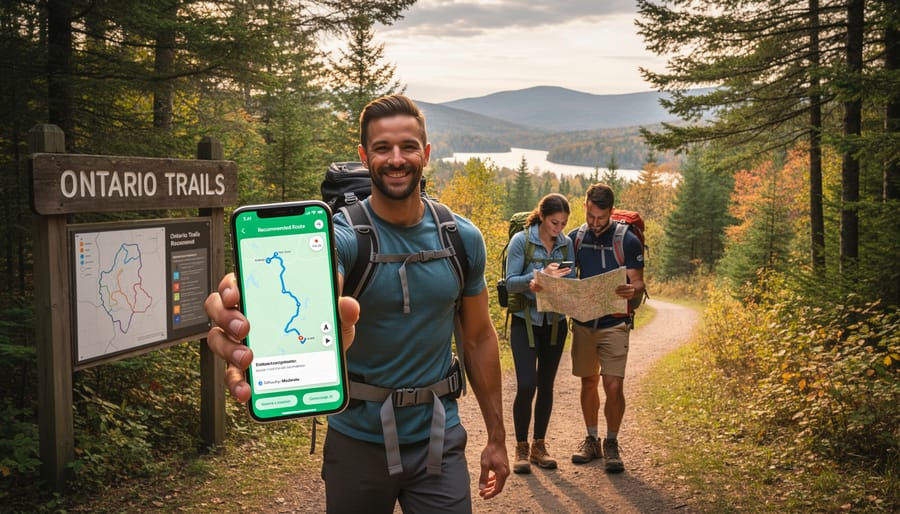
AI optimization eliminates these all-too-common disappointments. By analyzing real-time data like parking lot capacity, recent hiker reviews, and weather conditions, these smart platforms flag potential issues before you leave home. Planning a peaceful morning walk? The AI steers you away from trails hosting group events that day. Want that Instagram-worthy waterfall? It confirms water levels are actually high enough to be worth the trip.
The technology also learns from thousands of hiker experiences, matching trail difficulty ratings to your actual fitness level rather than vague classifications. No more guessing whether “moderate” means a leisurely stroll or a cardio workout in disguise.
Discover Trails You’d Never Find in Guidebooks
You know that magical feeling when you stumble upon a secluded waterfall or a quiet forest path nobody else seems to know about? AI-powered platforms are making these serendipitous discoveries more accessible by analyzing thousands of trail reviews, GPS data, and seasonal conditions to surface hidden gems that perfectly match your preferences.
Instead of crowding onto the same few popular routes everyone posts on Instagram, imagine discovering a lesser-traveled loop in Frontenac Provincial Park where you’ll spot rare orchids in spring, or finding that perfect lakeside clearing for a peaceful lunch break that traditional guidebooks never mention. The technology learns from your past hikes and preferences, then recommends quieter alternatives that offer similar features without the crowds.
Here’s an insider tip: When using these platforms, filter for trails with fewer than 50 reviews but high ratings. These often lead to stunning spots locals cherish but tourists overlook. Combine this with AR apps for nature walks, and you’ll unlock entirely new dimensions of exploration, experiencing Ontario’s wilderness in ways that feel personally curated just for you.
Save Time, Maximize Adventure
We’ve all been there – staring at a calendar, trying to squeeze maximum adventure into a precious two-day weekend or that hard-won week of vacation time. Here’s where AI optimization becomes your secret weapon. Instead of spending hours scrolling through trail reviews and weather forecasts, AI-powered platforms analyze your available time and instantly suggest itineraries that actually fit your schedule. Planning a Saturday hike? The system considers drive time from your location, trail length, current conditions, and even sunset times to ensure you’re back before dark.
I recently chatted with a Toronto couple who used to waste their first vacation day just researching where to go. Now, they input their dates and preferences, and within minutes have a complete itinerary – including backup options if weather doesn’t cooperate. The technology even clusters nearby trails and attractions, so you’re not zigzagging across the province. For weekend warriors especially, this means less planning stress and more time actually experiencing Ontario’s incredible outdoors. Think of it as having a knowledgeable friend who’s hiked every trail and knows exactly how to maximize your precious time off.
Getting Started: Your First AI-Optimized Trail Experience
What to Tell the AI About Yourself
Here’s my honest take: the AI is only as good as the information you give it. When I first tried a trail customization platform, I was tempted to exaggerate my fitness level—nobody wants to admit they’re winded after fifteen minutes, right? But being truthful actually got me better recommendations.
Start with the basics. Share your real hiking experience, whether you’re a weekend warrior or just getting started. Mention if you have any physical limitations or prefer gentler terrain. I’ve found that being upfront about needing frequent rest stops led me to trails with perfect scenic benches along the way.
Think about what actually makes a hike memorable for you. Is it wildlife spotting opportunities? Stunning lookout points for photography? The quiet solitude of less-traveled paths? Maybe you’re chasing waterfalls or seeking family-friendly routes with educational signage. One friend inputs “swimming holes” as a priority every summer, and she’s discovered incredible hidden gems across Ontario.
Don’t forget practical preferences too. Tell the AI about your preferred distance, whether you hike solo or with kids, and if you need accessible parking. The more specific you are about what brings you joy outdoors, the better your personalized recommendations will be.
Making Sense of Your Personalized Recommendations
When your trail app serves up recommendations, think of it as having a knowledgeable friend offering suggestions rather than absolute commands. The AI considers your fitness level, past preferences, and current conditions, but you’re still the expert on what feels right for you today.
Start by exploring why the system suggested a particular route. Most platforms show key factors like elevation gain, scenic highlights, or recent trail conditions that influenced the recommendation. If something seems off – maybe it’s suggesting a strenuous climb when you’re feeling low-energy – trust your gut and adjust the filters.
Here’s an insider tip: the feedback loop is your secret weapon. When you rate trails after hiking them or mark favorites, you’re teaching the system to understand you better. Think of it like training a hiking buddy who learns whether you prefer waterfalls over lookouts, or shaded forest paths over open meadows.
The technology works best alongside other tools too. Combine AI recommendations with smart safety technology for a complete outdoor experience. Remember, these suggestions open doors to new adventures you might have missed, but your own judgment about weather, preparedness, and personal comfort always comes first.
The Eco-Friendly Side of Smart Trail Selection
Here’s something most hikers don’t realize: every time we choose a trail, we’re casting a vote for the future of that ecosystem. AI optimization is turning those votes into smarter decisions that actually help protect the wilderness we love.
Think about it. We’ve all seen those heartbreaking photos of eroded trails or trampled wildflowers at popular spots. It happens because too many boots hit the same path while equally beautiful trails nearby sit empty. AI changes this equation by intelligently distributing foot traffic across Ontario’s vast trail network.
The technology analyzes real-time trail usage and gently steers hikers toward underutilized routes when popular destinations reach capacity. During spring wildflower season at Frontenac Provincial Park, for instance, the system might recommend alternative trails with similar blooms, giving sensitive areas time to recover. It’s like having a conservation-minded friend who always knows the perfect backup plan.
Even better, AI works hand-in-hand with wildlife conservation technology to protect nesting sites and migration corridors. If sensors detect critical wildlife activity, the platform can temporarily suggest different routes without broadcasting exactly where animals are located, preventing well-meaning visitors from accidentally disturbing them.
Ontario Parks has embraced this approach as part of their broader sustainability commitment. The algorithms consider each ecosystem’s carrying capacity, seasonal vulnerabilities, and recovery needs. You might receive a suggestion for a September hike through hardwood forests instead of a wetland trail where migrating birds need quiet.
The beauty is, you’re making eco-conscious choices without extra effort. The platform handles the complex environmental data while you simply enjoy discovering new trails you might never have considered otherwise.
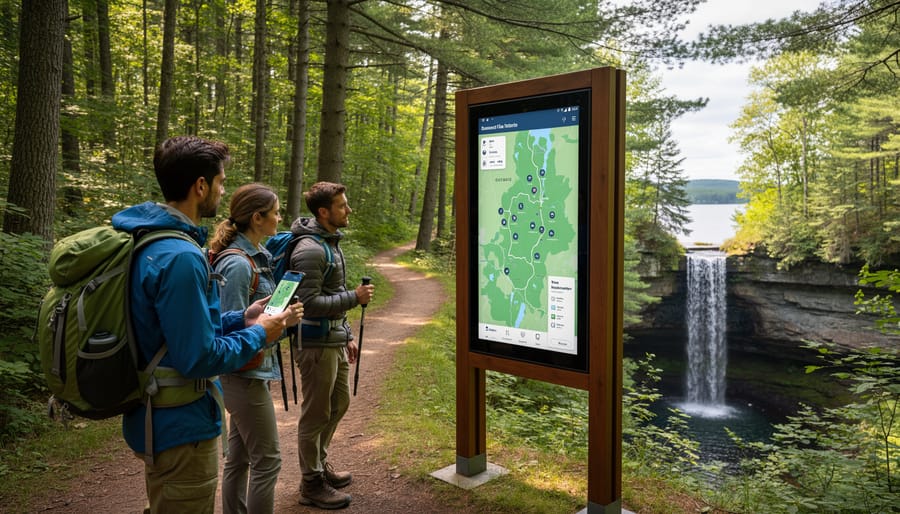
The trails of Ontario are calling, and now you have a smart companion to help you answer. AI-powered trail platforms aren’t about replacing that primal connection with nature—they’re about deepening it by removing the guesswork and stress from planning. Instead of spending hours scrolling through outdated forums or worrying whether a trail matches your abilities, you can focus on what really matters: breathing in that crisp forest air, spotting wildlife along the shoreline, and creating memories that’ll last a lifetime.
Think of these platforms as your knowledgeable trail buddy who’s hiked every path in Ontario and remembers exactly what you love. They help you discover hidden gems you’d never find otherwise, avoid crowds when you need solitude, and choose routes that align with your current fitness level and time constraints. The technology handles the logistics while you handle the adventure.
So next time you’re itching to explore, give one of these AI trail platforms a try. Download an app, input your preferences, and see what Ontario treasures it reveals. You might just find yourself on a breathtaking escarpment trail or peaceful lakeside path you never knew existed, all while hiking more sustainably and confidently than ever before. The future of outdoor exploration is here, and it’s wonderfully exciting.









+ There are no comments
Add yours