
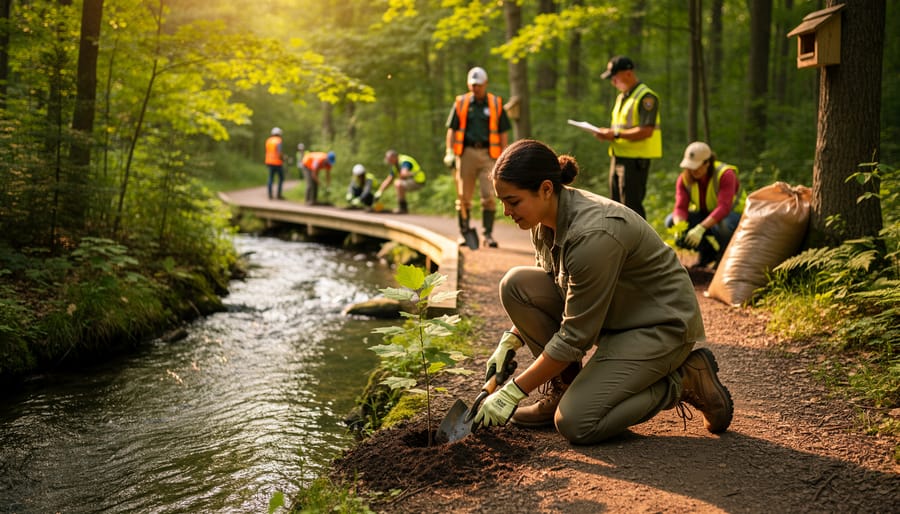
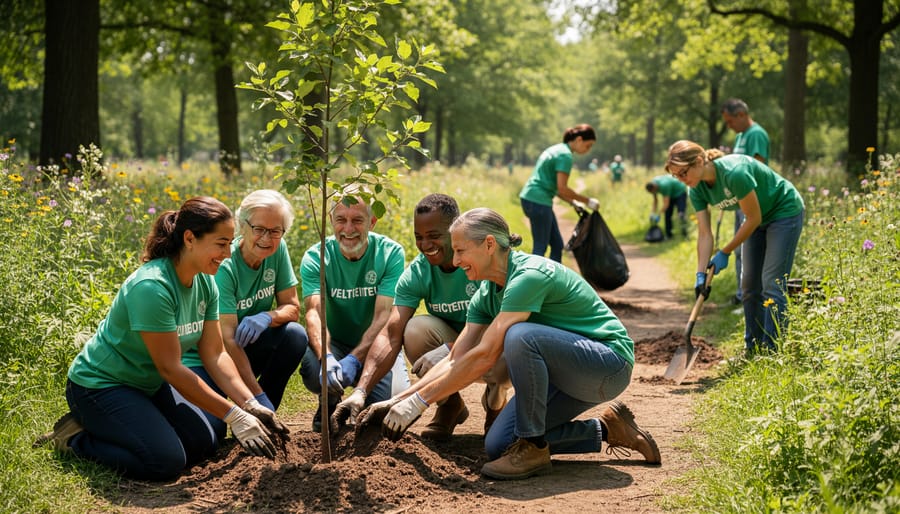
Picture yourself knee-deep in a stream restoration project, planting native species along a trail that thousands will enjoy, or cataloguing wildlife in a forest that needs protection. Travel and volunteering merge into something extraordinary when you trade passive sightseeing for active participation in preserving the places you visit.
The shift happens the moment you realize your vacation can leave destinations better than you found them. Traditional tourism often feels transactional—you visit, you consume, you leave. Volunteer travel flips this equation entirely. You arrive as a visitor but depart as someone who contributed real value, whether that’s trail maintenance, invasive species removal, ecological monitoring, or habitat restoration.
Ontario’s parks and conservation areas offer some of the most accessible entry points into this world. Unlike international volunteer programs that require months of planning and hefty fees, local opportunities let you test the waters with weekend commitments or week-long projects. You’ll work alongside conservation experts who share insider knowledge about ecosystems you’d never access on standard tours. The morning might find you building bird boxes, while afternoons could involve guided nature walks where you actually understand what you’re seeing because you’ve spent hours working within those habitats.
The personal transformation surprises most first-time volunteer travelers. Participants consistently report deeper connections to nature, new friendships forged through shared purpose, and practical skills that change how they interact with outdoor spaces back home. You’re not just taking photos of beautiful landscapes—you’re understanding the complex work required to maintain them, meeting the dedicated people who make conservation possible, and discovering that meaningful travel creates stories worth telling long after your tan fades.
Why Ontario’s Parks Need You (More Than You Might Think)
Here’s something most visitors don’t realize: Ontario’s parks are stretched thin. Really thin. With over 340 provincial parks and conservation areas spanning more than 9 million hectares, there simply aren’t enough park staff to handle everything that needs doing. Trail erosion from increased foot traffic, invasive species creeping into sensitive ecosystems, wildlife population surveys that require countless hours of monitoring – the list goes on.
Last spring, Algonquin Park had to temporarily close three popular trails because volunteers weren’t available to help with crucial maintenance work. Think about that. Some of Ontario’s most beloved outdoor spaces literally depend on people like you showing up with work gloves and a willingness to help.
But here’s the beautiful part: your contribution genuinely moves the needle. When you spend a weekend clearing brush from a portage route, you’re not just making life easier for the next paddler. You’re preventing soil erosion that would otherwise damage fish spawning areas. When you help count migrating birds at Point Pelee, that data directly informs conservation decisions that protect species across the Americas.
Park managers will tell you straight up – without volunteers, many programs would simply cease to exist. The monarch butterfly monitoring at Pinery Provincial Park? Volunteer-run. The trail building at Bruce Peninsula? Couldn’t happen without community support. Educational programs that teach kids about Ontario’s ecosystems? You guessed it – powered by passionate volunteers.
The numbers tell the story too. Every volunteer hour contributed saves parks approximately 30 dollars in operational costs, money that gets redirected toward habitat restoration and visitor safety. Last year alone, volunteers contributed over 2 million hours across Ontario’s protected spaces.
Your time matters more than you think. Whether you can offer a weekend or an entire summer, Ontario’s wild places need you. And honestly? They’re worth fighting for.
The Real Benefits of Volunteer Travel You Won’t Find in a Guidebook
What You’ll Actually Gain (Besides a Great Story)
Let’s talk about the real perks that come with volunteering in Ontario’s outdoor spaces. Sure, you’ll have incredible stories to share, but the tangible benefits might surprise you.
Many conservation programs offer hands-on training you won’t find in a classroom. I met Sarah during a trail maintenance weekend who learned proper chainsaw certification through her volunteer work. Now she uses those skills professionally as a backcountry guide. You might gain wilderness first aid training, species identification expertise, or learn how to build and maintain trail infrastructure. These aren’t just resume boosters—they’re genuinely useful life skills.
The networking opportunities are gold. You’ll connect with park rangers, biologists, environmental educators, and fellow nature enthusiasts who share your passions. My friend James landed his dream job with Ontario Parks after impressing staff during a volunteer tree planting initiative. Even if career advancement isn’t your goal, these friendships often lead to future adventure buddies and camping companions.
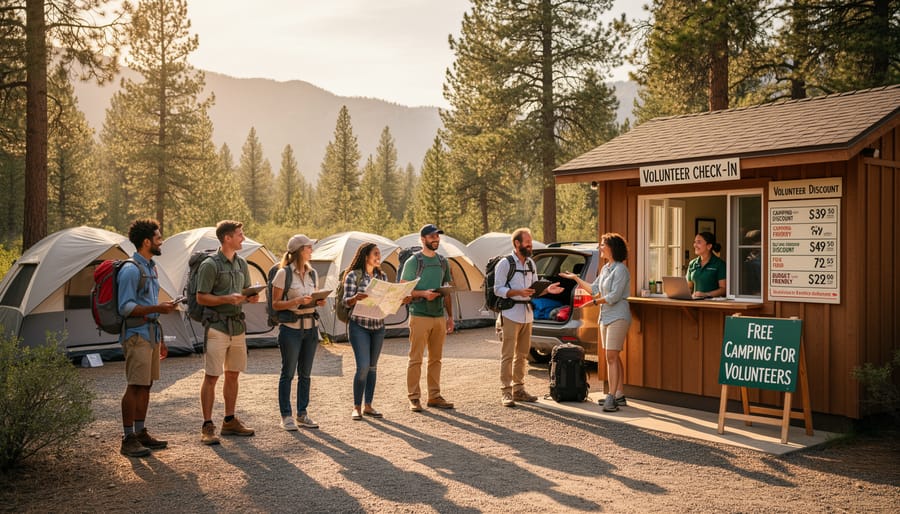
Here’s a practical bonus: many programs offer free or heavily discounted camping as part of the volunteer package. Some provide meals, equipment loans, and even waive entrance fees for extended volunteer periods. You’re essentially getting paid in experiences and accommodation.
The unexpected gift, though? It’s the confidence that comes from contributing something meaningful. You’ll return home with muddy boots, new skills, genuine friendships, and the quiet satisfaction of knowing you’ve helped protect the places you love. That feeling lingers long after the mosquito bites fade.
The Environmental Impact That Sticks With You
Something remarkable happens when you spend your days restoring trails or monitoring wildlife – those eco-friendly habits don’t stay at the volunteer site. They follow you home.
Take Sarah from Toronto, who spent two weeks helping with wetland restoration in Frontenac Provincial Park. “I couldn’t stop thinking about water conservation after seeing how delicate those ecosystems were,” she shares. Now she’s an active member of her local environmental group and has convinced her entire apartment building to start composting.
The connection runs deeper than daily habits. When you’ve planted native species with your own hands or counted migrating birds at dawn, nature stops being something you observe and becomes something you’re part of. Many volunteers discover that low-impact travel practices become second nature after their experience.
Mark, who volunteered with turtle monitoring programs, now gives presentations at schools about wildlife conservation. “I went from someone who enjoyed camping to someone who actively protects the places I love,” he explains.
The ripple effect is real. Volunteers return home as storytellers and changemakers, inspiring friends and family to care more deeply about protecting Ontario’s incredible natural spaces.
Where to Find Meaningful Volunteer Opportunities in Ontario’s Outdoors
Provincial Parks Programs That Welcome Volunteers
Ontario Parks runs several volunteer programs that let you trade your time and energy for unforgettable experiences in some of the province’s most stunning natural settings. Whether you’re handy with tools, love sharing stories around the campfire, or have a passion for wildlife, there’s likely a perfect fit for your skills and interests.
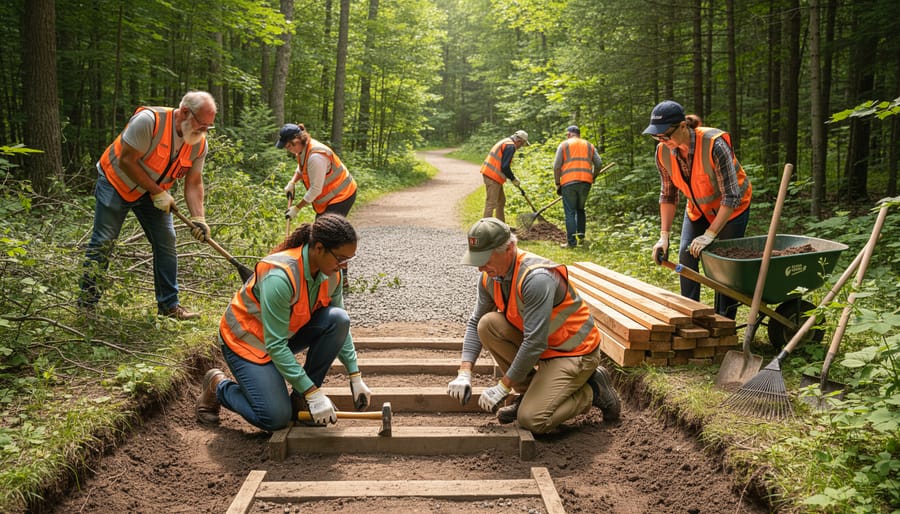
Trail crew volunteers are the unsung heroes who keep Ontario’s pathways accessible and safe. You might spend a weekend clearing fallen branches after a storm, building wooden bridges over creek crossings, or installing erosion controls on popular routes. It’s physical work, but there’s something deeply satisfying about knowing thousands of hikers will benefit from your efforts. Plus, you’ll learn practical outdoor skills from experienced park staff.
Campground hosts are the welcoming faces that greet visitors at park gates and campsites. These volunteers typically commit to longer stays, often a week or more, and help with everything from answering questions about the best swimming spots to organizing evening programs. Many hosts return year after year, becoming part of the park’s extended family.
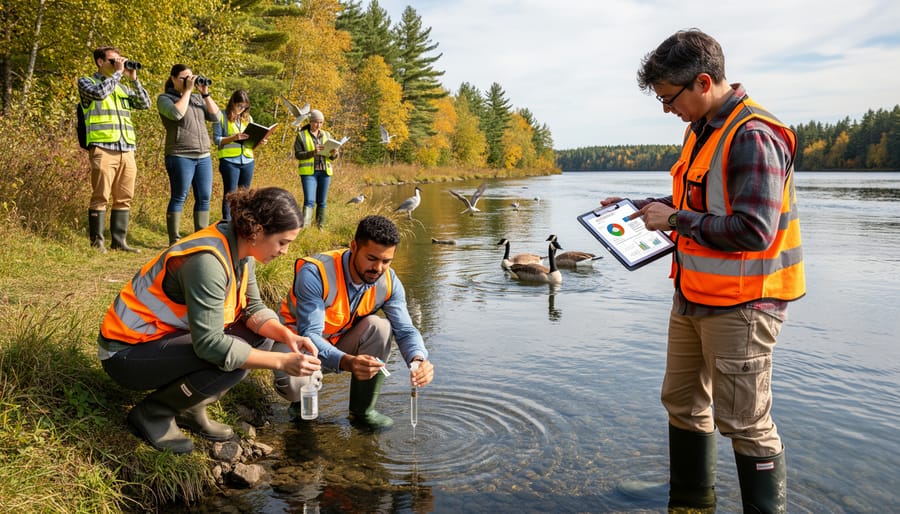
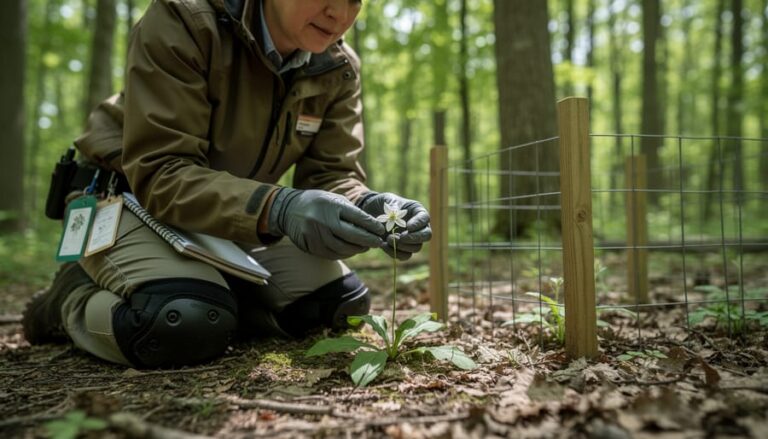
Frontenac Provincial Park near Kingston offers particularly robust volunteer opportunities. Their citizen science projects include monitoring loon populations, tracking salamander migrations, and documenting rare plant species. You don’t need a biology degree – just curiosity and attention to detail. The park provides training and equipment, and you’ll contribute valuable data that shapes conservation decisions.
Interpretive program volunteers lead guided nature walks, present educational talks, and help visitors connect with the landscape’s stories. If you’ve ever wanted to share your enthusiasm for frogs, geology, or Indigenous history, this role lets you inspire others while deepening your own knowledge. Many parks offer training sessions that transform passionate amateurs into confident educators.
Conservation Groups Making a Real Difference
You don’t need to travel far to make a meaningful impact. Right here in Ontario, passionate conservation groups are creating accessible volunteer experiences that combine travel with real environmental stewardship.
Ontario Nature stands out as one of the province’s leading conservation voices, connecting volunteers with hands-on projects across the region. Through their volunteer network, you can join wildlife monitoring programs, participate in species-at-risk surveys, or help restore critical habitats. What I love about their approach is how they match your interests and skills with specific needs, whether you’re into bird counts or invasive species removal.
Local Conservation Authorities and stewardship councils offer incredible weekend getaway opportunities. The Credit Valley Conservation, for example, regularly organizes tree planting events and stream restoration projects that feel more like adventures than work. Imagine spending a Saturday morning knee-deep in a creek, learning about aquatic ecosystems while actually improving them.
Watershed groups are another hidden gem for volunteer travelers. Organizations like the Lake Simcoe Region Conservation Authority run shoreline cleanups and wetland restoration programs that let you explore beautiful areas while giving back. These groups typically provide all the tools and training you need, plus the chance to meet like-minded nature enthusiasts.
Getting connected is refreshingly simple. Most organizations maintain active volunteer portals on their websites where you can browse upcoming projects by location and date. Sign up for newsletters to catch special multi-day opportunities, and don’t hesitate to reach out directly about creating custom experiences for groups or families.
Seasonal Opportunities You Can’t Miss
Ontario’s parks offer incredible volunteer opportunities year-round, each season bringing its own unique adventures. Spring is perfect for tree planting initiatives – there’s something deeply satisfying about getting your hands dirty while helping restore forest ecosystems after winter. I’ve joined these programs in April and May, and the energy is contagious as you watch bare hillsides transform.
Summer opens up trail maintenance projects when the weather’s ideal for outdoor work. You’ll clear brush, repair boardwalks, and ensure paths stay accessible for visitors. Pro tip: volunteer during weekday mornings to avoid the heat and enjoy quieter trails.
Fall brings wildlife monitoring opportunities that are absolutely magical. Help track migratory birds or participate in species counts as the landscape explodes in autumn colours. September through October offers the most comfortable temperatures and stunning backdrops for your conservation work.
Winter volunteers are always needed for backcountry patrol, assisting with everything from trail marking to visitor safety checks. While it’s cold, the serene beauty of snow-covered forests makes it worthwhile. Insider advice: February offers the best snow conditions without the bitter January temperatures, and parks desperately need help during March break when visitor numbers spike.
Planning Your Volunteer Adventure: What You Actually Need to Know
Getting Started Without Overwhelm
Ready to dive in but not sure where to start? Here’s the good news: you don’t need special qualifications to begin your volunteer travel journey. Most Ontario parks welcome enthusiastic learners of all backgrounds.
Start by browsing opportunities that genuinely excite you. Ask yourself: Do I prefer working with people or focusing on conservation tasks? Am I comfortable camping, or do I need nearby accommodation? How much time can I realistically commit? Matching your interests and lifestyle makes the experience far more rewarding.
Application timelines vary, but popular summer programs typically fill up by early spring. Winter and shoulder-season opportunities offer more flexibility and are often easier to secure. Don’t wait for the “perfect” moment – many volunteers say they learned most of their skills on-site.
Here’s an insider tip: reach out to the volunteer coordinator before applying. A quick email or phone call helps you understand daily expectations and shows genuine interest. Most coordinators love chatting with potential volunteers and can suggest programs that match your comfort level.
During orientation, you’ll receive hands-on training for your specific role. Whether you’re leading nature walks or maintaining trails, experienced staff guide you through everything. Expect practical demonstrations, safety briefings, and time to ask questions. Many programs pair newcomers with seasoned volunteers for the first few days.
Remember, everyone starts somewhere. That trail maintenance expert? They once held their first hammer nervously too. Your enthusiasm matters far more than previous experience.
Packing Smart for Outdoor Volunteer Work
Packing light yet smart makes all the difference when you’re heading out for outdoor volunteer work. Start with your essential gear: sturdy work gloves, closed-toe hiking boots, a reusable water bottle, and layers that work for Ontario’s unpredictable weather. I always pack a rain jacket and fleece, even on sunny days—trust me, you’ll thank yourself later.
Choose eco-friendly products like biodegradable soap, reef-safe sunscreen, and a metal lunch container instead of disposables. A daypack with extra socks, insect repellent, and a hat rounds out your basics. Here’s an insider tip: bring a small towel and hand sanitizer, as handwashing stations aren’t always nearby on trail projects.
What not to bring? Skip cotton clothing that stays wet, single-use plastics, and anything overly valuable. Leave the fancy electronics at home—dusty trails and electronics don’t mix well.
For winter projects, add thermal layers and hand warmers. Summer volunteers should prioritize sun protection and extra hydration. Check with your volunteer coordinator beforehand about specific needs, and remember: comfortable volunteers are productive volunteers.
Making It Affordable (Even on a Tight Budget)
Volunteer travel doesn’t have to drain your savings. Many programs offer free accommodation and meals in exchange for your help—conservation projects in Ontario parks often provide camping spots or shared lodging, making them incredibly budget-friendly. Look for opportunities that cover your basics, then apply the same principles as saving money in Ontario parks to stretch your dollars further.
Pack your own reusable water bottle and prepare simple meals when possible. Trail maintenance crews often share cooking duties, which builds community while keeping costs low. Choose programs closer to home to minimize travel expenses—you’d be surprised how many meaningful opportunities exist within a few hours’ drive. Some organizations even provide stipends for longer commitments. The secret is researching thoroughly and asking upfront about what’s included. Remember, the most rewarding experiences rarely cost the most money.
Real Stories from the Trail: Volunteers Share Their Experiences
When Sarah first arrived at Algonquin Provincial Park for a weekend trail maintenance project, she wasn’t sure what to expect. “I thought I’d be clearing brush all day, but we also helped build erosion barriers and learned about native plant restoration,” she recalls. “By Sunday afternoon, I felt like I’d made real friends and actually contributed something meaningful.” Sarah’s experience is just one example of how volunteering in Ontario’s parks creates connections that go far beyond picking up litter.
For Miguel, a Toronto resident looking to escape the city, signing up for a month-long position as a campground host at Killarney Provincial Park transformed his summer. “I helped visitors plan their routes, answered endless questions about wildlife, and even taught kids how to identify animal tracks,” he shares. The best part? “Waking up to that view every morning and knowing I was helping people discover what I love about this place.” Miguel’s insider tip: apply early for host positions, as the waterfront spots fill up quickly.
Weekend warrior volunteers like Jennifer found her niche with invasive species removal projects at Presqu’ile Provincial Park. “I can only spare Saturdays, but the park’s flexible scheduling means I’ve participated in six different projects this year,” she explains. Her favorite eco-friendly suggestion? “Bring reusable water bottles and containers for lunch. The parks provide tools and gloves, but reducing waste is something we can all control.”
Then there’s the Patel family, who turned their two-week vacation into a volunteer adventure at Sandbanks Provincial Park. “Our teenagers weren’t thrilled initially,” admits Raj, “but after helping with the butterfly monitoring program and leading a beach cleanup that collected over 200 pounds of debris, they’re already asking about next summer.” The family discovered that volunteering together created shared memories stronger than any typical vacation could offer.
These stories reveal a common thread: whether you have a weekend or a whole season, there’s a volunteer opportunity that fits your schedule and interests. The impact extends both ways, enriching the parks while transforming the volunteers themselves.
Making Your Impact Last Beyond Your Visit
Your volunteer experience doesn’t have to end when you pack up your tent and head home. In fact, some of the most meaningful conservation work happens in the months and years after your initial visit, when you weave environmental stewardship into your everyday life.
Start by staying connected with the park where you volunteered. Many Ontario parks maintain email lists and social media groups where former volunteers share updates, celebrate wins, and organize reunion trips. I still get excited seeing photos from the trail I helped restore at Frontenac Park three years ago – watching it evolve through the seasons feels like checking in on an old friend.
Consider becoming a citizen scientist from your own backyard. Apps like iNaturalist let you document local wildlife observations that contribute to conservation databases. Those bird identification skills you picked up while volunteering? Put them to work in your neighborhood. Parks Canada and Ontario Parks frequently need volunteers for remote data collection projects you can participate in anywhere.
Advocacy is another powerful tool. When park funding comes up for discussion, your firsthand volunteer experience gives your voice credibility. Write to your MPP, attend town halls, or simply share your stories on social media. Personal testimonials often resonate more than statistics.
Make your future travels count by committing to eco-friendly park visits. Pack out more than you pack in, stick to designated trails, and choose low-impact camping practices. Every visit becomes a form of ongoing stewardship.
Finally, inspire others. Host a slideshow night, mentor first-time volunteers, or organize a local cleanup inspired by your park experience. Conservation grows through community, and your enthusiasm might be exactly what someone else needs to take their first step toward meaningful travel.
The journey from curious traveler to committed volunteer might feel like a giant leap, but here’s the beautiful truth: it begins with a single step. Maybe it’s spending an afternoon picking up litter along a trail you love, or dedicating a weekend to building nesting boxes at your local provincial park. These small actions ripple outward in ways you might never fully see, but trust me, they matter deeply.
Volunteer travel isn’t about grand gestures or dramatic transformations—though those can happen too. It’s about showing up with open hands and an open heart, ready to give back to the places that give us so much. Ontario’s parks offer something truly special in this regard. Where else can you monitor the haunting calls of loons at dawn, restore precious habitat by day, and fall asleep under star-filled skies knowing you’ve made a tangible difference? This is travel that feeds your soul while nourishing the earth.
The opportunities are waiting for you right now, whether you’re a student with summer vacation ahead, a professional craving meaningful adventure, or a retiree ready to share decades of wisdom. Start small if you need to. Research a project that speaks to your interests. Reach out to a park coordinator. Mark one weekend on your calendar. That’s all it takes to begin.
Your Ontario adventure with purpose is calling. Will you answer?






+ There are no comments
Add yours