

Nestled within Ontario’s cherished holiday traditions, vintage Home Interiors nativity sets tell stories of Christmas celebrations spanning generations. These beloved ceramic figurines, particularly popular during the 1960s through 1990s, combine exquisite craftsmanship with timeless religious symbolism. Each carefully detailed piece—from the serene Madonna to the humble shepherds—captures the essence of traditional holiday décor while reflecting the distinctive aesthetic of mid-century Christian home accessories. Whether displayed on a Victorian-era mantelpiece or incorporated into a modern farmhouse holiday vignette, these collectible sets bring warmth and nostalgic charm to seasonal decorating. Today’s collectors particularly value the HOMCO-branded pieces, known for their delicate hand-painted details and subtle glazes that distinguish them from mass-produced alternatives. For Ontario families seeking to connect with holiday traditions of the past, these vintage treasures offer both decorative appeal and meaningful connection to our shared cultural heritage.
The Rich History of Ontario’s Vintage Nativity Collections
Early Settlement Influences
When European settlers first arrived in Ontario during the 18th and 19th centuries, they brought with them cherished Christmas traditions, including the custom of displaying nativity sets. These early pioneers, particularly those from Germany, France, and Britain, often crafted their own nativity scenes using locally available materials like wood, clay, and fabric.
In many early Ontario homes, nativity sets became a symbol of both religious devotion and artistic expression. German Mennonite communities, settling in the Waterloo region, were especially known for their detailed wooden figurines, while French-Canadian settlers often incorporated indigenous materials like birch bark and pine cones into their displays.
These early influences can still be seen in vintage nativity sets found throughout Ontario today. Many families proudly display sets passed down through generations, each telling a unique story of their ancestors’ craftsmanship and dedication to preserving holiday traditions. The simple yet meaningful designs of these early sets continue to inspire modern artisans and collectors, reflecting a beautiful blend of European heritage and Canadian craftsmanship.
Local Craftsmanship Legacy
Ontario’s rich heritage of craftsmanship shines through in its vintage nativity sets, with local artisans leaving an indelible mark on holiday traditions. The province’s dedication to traditional Ontario craftsmanship has produced some of the most distinctive nativity pieces in North America.
In the 1950s and 60s, skilled woodcarvers from the Muskoka region became renowned for their detailed figurines, while pottery artists in the Niagara Peninsula created unique ceramic interpretations of the holy family. These artisans often incorporated local materials, like native maple and pine woods, giving their pieces a distinctly Canadian character.
The Cooper family of Stratford, particularly known for their hand-painted designs, produced limited series of nativity sets that have become highly sought-after collectors’ items. Their attention to detail and use of natural pigments created pieces that still maintain their vibrant colors decades later.
Today, many of these vintage sets are treasured family heirlooms, passed down through generations, each telling a story of Ontario’s artistic heritage and the skilled hands that shaped them.
Characteristics of Heritage-Inspired Nativity Sets
Traditional Materials and Craftsmanship
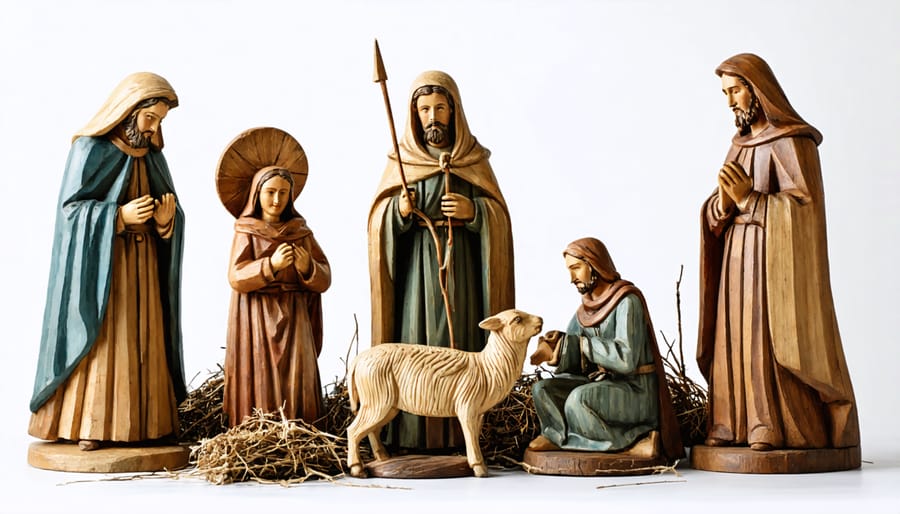
The craftsmanship behind vintage nativity sets reflects the incredible attention to detail that artisans of yesteryear brought to their work. Many cherished sets from the 1950s and 60s, which you’ll often find among prized Ontario heritage pieces, were crafted using high-quality materials like hand-painted porcelain, carved wood, and carefully molded plaster.
These traditional sets typically feature a combination of materials, with porcelain figures being the most sought-after for their delicate features and lasting durability. The stable structures were often constructed from real wood, sometimes using reclaimed barn boards that added authentic character to the scene. Artisans would carefully distress the wood to create an aged appearance that perfectly captured the humble setting of the first Christmas.
The painting techniques used on vintage figures were remarkably detailed, with artists applying multiple layers of paint to achieve depth and dimension. Many pieces were finished with a special glazing process that not only protected the paint but also gave the figures a subtle sheen that still catches the light beautifully today.
What makes these vintage sets particularly special is the hand-finishing touches – from the tiny straw details in the manger to the textured clothing on the shepherds. Each piece tells a story of patient craftsmanship that modern mass-produced sets simply can’t replicate.
Regional Design Elements
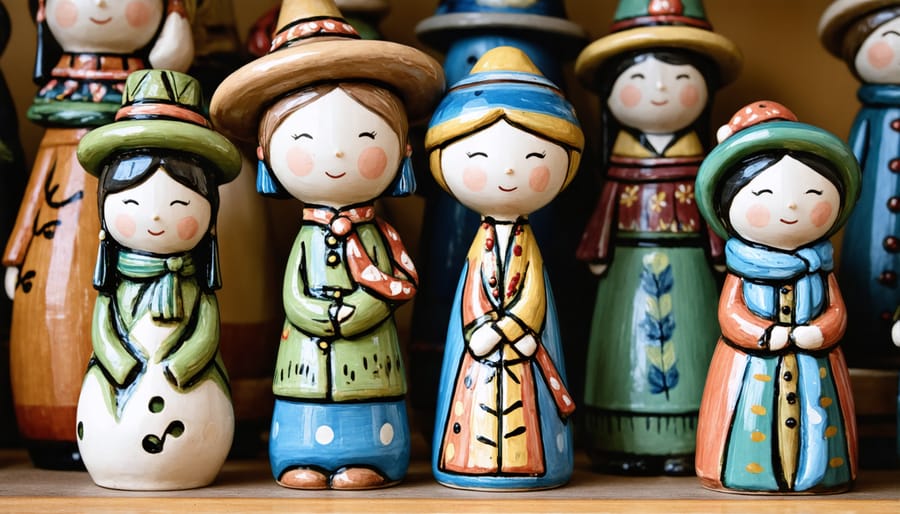
Ontario’s unique cultural heritage has left an indelible mark on vintage nativity set designs, blending European traditions with local artistic influences. Many sets from the 1950s and 60s feature distinctive maple leaf motifs subtly incorporated into the stable’s woodwork or as decorative elements around the base. Local artisans often used native Ontario woods like pine and maple to craft their pieces, giving them a warm, rustic appeal that perfectly suits our provincial aesthetic.
A charming regional quirk appears in many Ontario-made sets from this era: the inclusion of local wildlife. Don’t be surprised to find carefully painted raccoons, cardinals, or even the occasional beaver alongside the traditional donkey and sheep. These delightful additions reflect our province’s deep connection to its natural heritage.
The color palettes in Ontario vintage sets tend to be more subdued than their European counterparts, often featuring earth tones and forest greens that mirror our landscape. Many pieces from the Georgian Bay area showcase unique blue undertones, inspired by the region’s famous waters.
Local craftspeople frequently incorporated elements from Ontario’s pioneering history, with stables resembling early settler cabins rather than Middle Eastern structures. Some sets even feature miniature versions of split-rail fencing, a common sight in rural Ontario during the colonial period. These thoughtful regional touches make our vintage nativity sets truly special pieces of Ontario’s decorative arts heritage.
Incorporating Vintage Nativity Sets in Modern Decor
Display Tips and Techniques
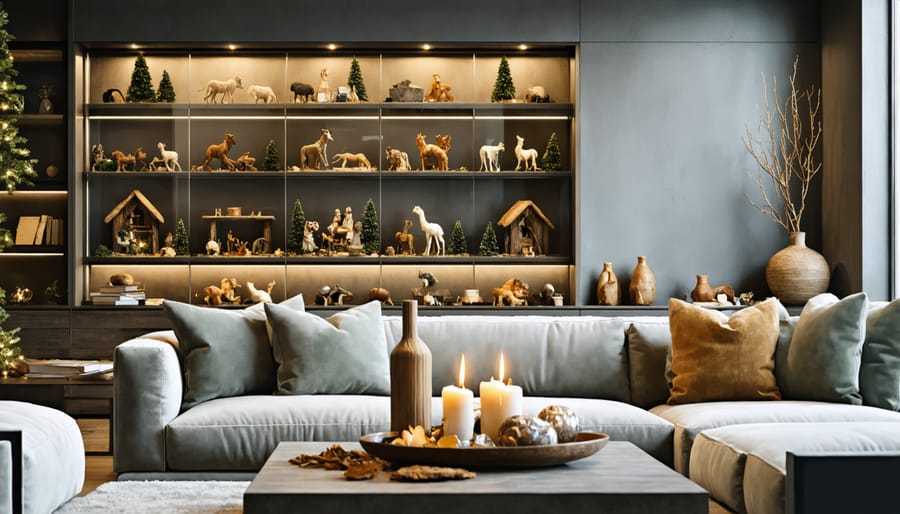
Showcasing your vintage nativity set requires a thoughtful balance between preservation and presentation. Create a dedicated display area using natural materials like reclaimed wood or antique tables that complement your heritage-rich home decor. Consider placing your set on a bed of preserved moss or natural burlap to protect delicate pieces while adding rustic charm.
For optimal preservation, handle figures by their bases and store them individually wrapped in acid-free tissue paper during off-seasons. When displaying, use soft LED lighting to prevent heat damage while creating a warm, inviting glow. Position your nativity scene away from direct sunlight and heating vents to protect the original paint and materials.
Create depth in your display by incorporating varying heights using wooden blocks or vintage books hidden beneath the scene’s backdrop. Traditional Ontario pine boughs or locally sourced cedar can frame your display naturally while adding a wonderful seasonal scent.
For pieces showing wear, resist the urge to repair or repaint them – these signs of age add character and tell a story of generations past. Instead, embrace these imperfections as part of your set’s unique history and charm.
Preservation and Care
Ontario’s fluctuating climate requires special attention when preserving vintage nativity sets. Store your treasured pieces in a climate-controlled environment, away from direct sunlight and heat sources that could cause fading or warping. Our humid summers and dry winters can be particularly challenging, so consider using silica gel packets in your storage containers to manage moisture levels.
When cleaning your vintage pieces, use a soft, dry brush or cloth to gently remove dust. Avoid harsh chemicals or water, as these can damage delicate paint and finishes. For stubborn dirt, a slightly damp microfiber cloth will usually do the trick – just be sure to dry the pieces immediately afterward.
Between seasons, wrap each figure individually in acid-free tissue paper before placing them in sturdy boxes. Cardboard boxes can become acidic over time, so opt for plastic containers with secure lids. Store your set off the ground, preferably on a shelf in a closet or under a bed.
Consider documenting your set’s condition with photos each year, making note of any changes or repairs needed. This helps track deterioration and ensures timely preservation efforts. For particularly valuable sets, consulting with a local antique restoration specialist can provide personalized care advice specific to your pieces’ materials and age.
Where to Find Authentic Vintage Nativity Sets
Finding authentic vintage nativity sets in Ontario is like embarking on a delightful treasure hunt. The best places to start your search are the charming antique markets scattered throughout the province, with notable spots in Toronto’s Distillery District and Hamilton’s Ottawa Street North.
Local estate sales often yield wonderful discoveries, especially in historic neighborhoods where families have preserved their holiday decorations for generations. Sign up for estate sale notifications in your area, and arrive early for the best selection.
Many church thrift stores and charity shops receive vintage holiday donations, particularly during the pre-Christmas season. The Salvation Army stores and St. Vincent de Paul locations across Ontario frequently have unique pieces at reasonable prices.
Don’t overlook online marketplace platforms, where Ontario sellers often list family heirlooms and vintage collections. Join local antique collecting groups on social media to connect with fellow enthusiasts who might have leads on rare finds.
For the most authentic pieces, visit specialty antique dealers who focus on holiday collectibles. The Aberfoyle Antique Market and the St. Jacobs Antique Market are excellent destinations for serious collectors. Remember to bring along a reference guide or photos of authentic vintage pieces to help verify authenticity.
Pro tip: The best time to hunt for vintage nativity sets is during the off-season, particularly spring and summer, when prices tend to be more negotiable and selection more varied.
As we cherish these vintage Home Interiors nativity sets, we’re not just preserving beautiful decorative pieces – we’re safeguarding precious fragments of our holiday heritage. These carefully crafted figures tell stories of Christmas celebrations past, connecting generations through shared traditions and memories. By maintaining and displaying these sets, we ensure that future families can experience the same wonder and reverence that has captivated hearts for decades. Consider documenting your set’s history, properly storing pieces during off-seasons, and teaching younger family members about their significance. Remember, today’s careful preservation becomes tomorrow’s cherished inheritance, keeping the magic of vintage Christmas alive for generations to come. Let’s continue to value these timeless treasures as both decorative masterpieces and irreplaceable links to our collective past.













+ There are no comments
Add yours