

Gear up for Ontario’s rugged backcountry with the right essential adventure gear to transform your 4×4 experience from challenging to exhilarating. From the rocky Canadian Shield to muddy forest trails, proper equipment isn’t just about adventure—it’s about safety and confidence in the wilderness. Whether you’re tackling the Madawaska Highlands or exploring the Ganaraska Forest, your gear checklist needs to include recovery equipment, vehicle protection, emergency supplies, and navigation tools. As seasoned off-roaders know, the difference between an epic adventure and a frustrating ordeal often comes down to having the right equipment at the right moment. Let’s dive into the must-have gear that’ll keep you rolling through Ontario’s diverse terrain, no matter what challenges the trails throw your way.
Must-Have Recovery Equipment
Basic Recovery Kit Components
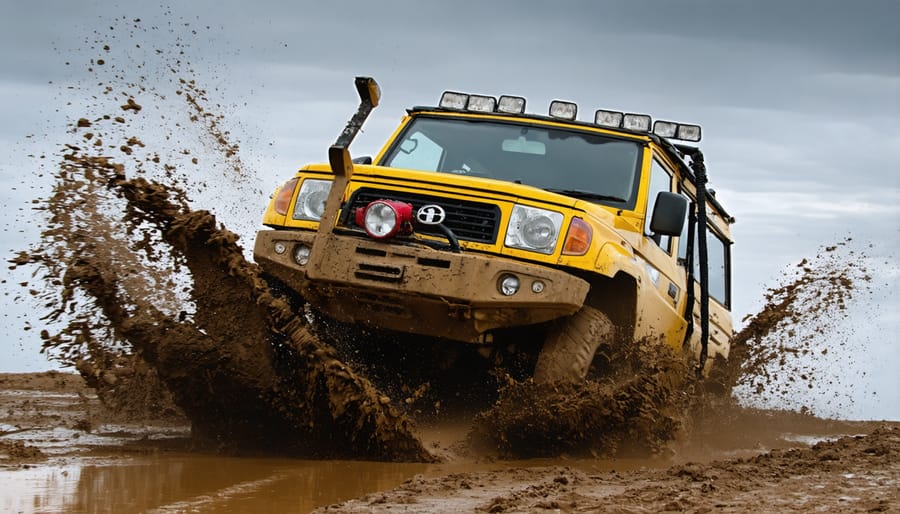
When hitting the trails in Ontario, having a reliable recovery kit can be the difference between a minor setback and a day-ending disaster. Start with a heavy-duty recovery strap rated for at least twice your vehicle’s weight – I always recommend keeping both a kinetic and a static strap handy. They work differently, and you’ll be glad to have options when you’re stuck in our famous mud holes!
D-ring shackles are another must-have, and I suggest carrying at least four rated at 3/4 inch or larger. Make sure they’re bow-style shackles with a working load limit appropriate for your vehicle’s weight. Remember to check their condition regularly – a compromised shackle is an accident waiting to happen.
A reliable winch is worth its weight in gold out on the trails. For Ontario’s challenging terrain, look for one rated at least 1.5 times your vehicle’s weight. I’ve found synthetic rope to be more practical than steel cable – it’s lighter, safer if it snaps, and much easier on the hands in our cold weather.
Don’t forget the accessories that make these tools work safely: a tree trunk protector, winch line damper, and heavy-duty gloves are essential. A snatch block can double your winch’s pulling power, which comes in handy when you’re dealing with our sticky spring mud or deep winter snow.
Pro tip: Keep all your recovery gear in a dedicated bag or box, and always check everything before heading out. Our weather can be tough on equipment, so regular maintenance is key!
Winter-Specific Recovery Tools
When winter blankets Ontario’s trails in snow and ice, you’ll need some specialized recovery gear to stay safe and mobile. A good set of tire chains is absolutely essential – they’ll give you the extra grip needed when you’re dealing with deep snow or icy patches. Keep them easily accessible, not buried under other gear.
A dedicated snow shovel is another must-have. Trust me, the compact folding ones are perfect for clearing snow around stuck tires or digging out your vehicle. Pack some cat litter or traction mats too – they’re lifesavers when you need extra grip to get moving again.
Don’t forget a heavy-duty tow strap rated for winter conditions. The regular ones can become brittle in extreme cold. A battery booster pack is crucial since batteries tend to lose power in freezing temperatures. I always throw in a few chemical hand warmers – they’re great for warming up frozen locks or keeping your hands functional while working on recovery.
Pro tip: Store a small bag of sand in your vehicle. It not only provides extra weight for traction but can also be scattered under tires when you’re stuck.
Vehicle Protection Gear
Skid Plates and Rock Sliders
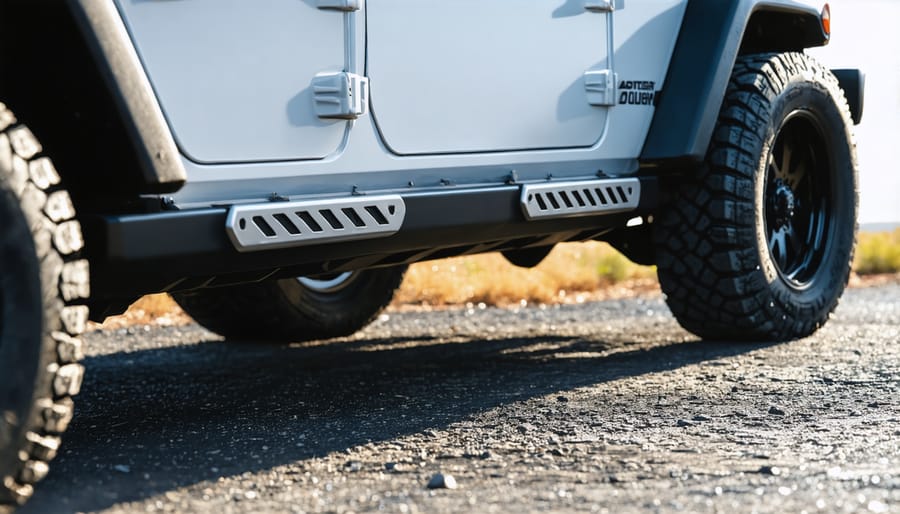
When tackling Ontario’s rugged trails, your vehicle’s underbelly needs serious protection. Skid plates and rock sliders aren’t just fancy add-ons – they’re essential shields for your 4×4’s vital components against our notorious Canadian Shield terrain. As someone who’s learned the hard way on the Minden Hills trails, I can’t stress enough how crucial this eco-friendly outdoor equipment is for protecting both your vehicle and the environment.
Look for heavy-duty steel or aluminum skid plates that cover your engine, transmission, and transfer case. The best ones are at least 3/16-inch thick and bolt directly to your frame. For rock sliders, opt for models that tie into your frame rails – they’ll not only protect your rocker panels but can also serve as a sturdy lifting point if you get stuck.
Don’t forget about your fuel tank and differential covers. Our Ontario trails are notorious for hidden rocks that can puncture these vulnerable areas. While the initial investment might seem steep, it’s far cheaper than trail repairs or environmental cleanup from damaged components. Trust me, when you hear that first “clunk” on the trails, you’ll be glad you installed proper protection.
Mud and Water Protection
When you’re hitting Ontario’s muddy trails or crossing those spring-fed streams, having the right water and mud protection gear is absolutely essential. Start with a reliable snorkel kit to protect your engine’s air intake – this is especially handy during those deep water crossings you’ll find up in the Kawartha region.
Don’t forget to pack a good set of mud flaps and fender flares to keep that sticky stuff from flying everywhere. A quality set of mud-terrain tires with deep treads will give you the grip you need, while waterproof diff breathers help prevent water from seeping into your differentials during stream crossings.
Keep a few heavy-duty recovery mats in your rig – they’re lifesavers when you’re stuck in those notorious Ontario mud holes. A waterproof toolbox is also essential for keeping your gear dry, and don’t forget to bring along some quick-dry microfiber towels for wiping down equipment.
For personal protection, pack a couple of sets of waterproof boots and clothing. After all, there’s a good chance you’ll need to hop out and winch at some point, and nobody likes soggy socks on the trail!
Trail Communication and Navigation
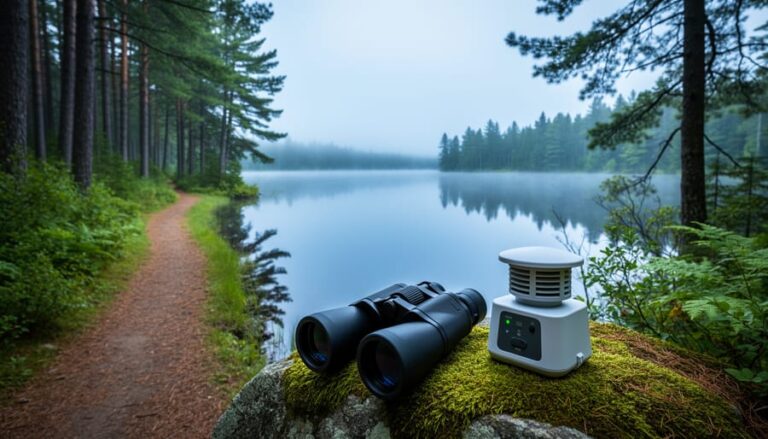
When you’re deep in Ontario’s backcountry, reliable communication and navigation gear isn’t just convenient – it’s essential for your safety and peace of mind. Start with a rugged GPS unit that’s specifically designed for off-road use. I’ve found that models with preloaded topographic maps of Ontario’s trails are worth the extra investment, as they’ll work even when your cell phone doesn’t have service.
Speaking of phones, while you shouldn’t rely solely on them, downloading offline maps through apps like Gaia GPS or AllTrails Pro before your trip can serve as a valuable backup. Remember to pack a portable power bank and keep your devices in waterproof cases – Ontario’s weather can be unpredictable!
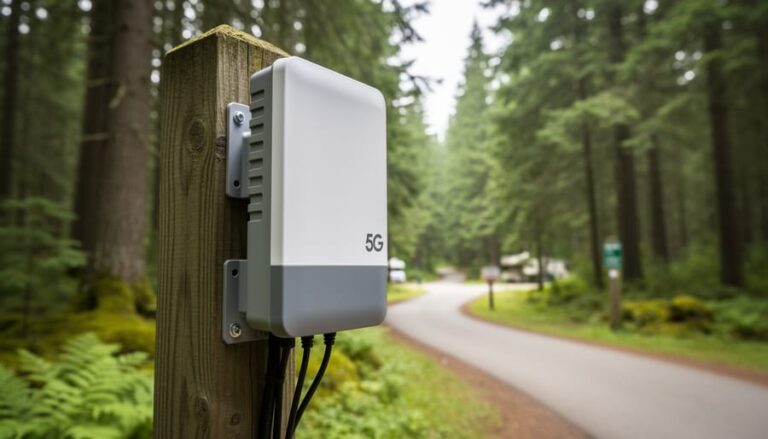
For communication, a good set of two-way radios is crucial, especially when traveling in a group. Look for models with a minimum 5-kilometer range and weather-alert features. In remote areas where cell service is spotty, consider investing in a satellite communicator. These devices let you send messages, share your location, and call for help in emergencies.
Don’t forget the basics! A traditional compass and paper maps of your intended route should always be in your kit. They never run out of batteries and can be lifesavers if technology fails. Pro tip: keep a trail map holder mounted on your dash for easy reference while driving.
For group rides, establish communication protocols before heading out. Simple hand signals, radio check-ins at designated points, and predetermined meeting spots can make your adventure safer and more organized. Remember, the best navigation tool is the one you know how to use, so practice with your gear before hitting the trails.
Emergency and Safety Equipment
First Aid and Survival Gear
When heading out on Ontario’s rugged trails, a well-stocked first aid and survival kit isn’t just a good idea – it’s essential. Pack a comprehensive first aid kit with plenty of bandages, antiseptic wipes, and basic medications. Don’t forget tweezers for those pesky thorns and ticks that are common in our forests.
Include emergency supplies like a space blanket, waterproof matches, and a reliable flashlight with extra batteries. A multi-tool and paracord can be lifesavers in unexpected situations. Keep a supply of emergency food and water – I always pack extra granola bars and at least 2 liters of water per person.
Pro tip: Store a paper map and compass in a waterproof container – electronics can fail, but these trusty tools won’t let you down. Consider adding a satellite communication device if you’re heading to remote areas where cell service is spotty.
For our unpredictable Ontario weather, pack an emergency poncho and extra warm layers. And here’s an eco-friendly reminder: include a few garbage bags to pack out what you pack in, helping preserve our beautiful trails for future adventures.
Weather Protection Equipment
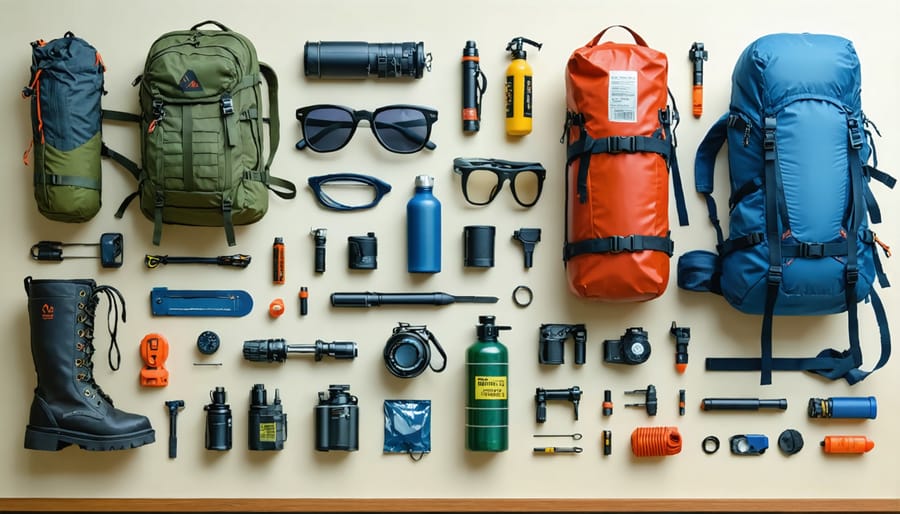
Ontario’s unpredictable weather demands serious preparation for your 4-wheeling adventures. Start with weather-appropriate outdoor clothing that you can layer up or down as conditions change. Pack a waterproof jacket and pants set that can easily fit over your regular gear – you’ll thank yourself when those surprise summer storms roll in!
Don’t forget to bring emergency ponchos for unexpected downpours and a few quick-dry towels to wipe down equipment or yourself. A small tarp or awning can be a lifesaver for creating a dry workspace when maintaining your quad trailside. Pro tip: keep a separate waterproof bag with spare gloves and socks – wet hands and feet can quickly turn a fun ride into a miserable experience.
For winter riding, invest in a good set of hand guards and heated grips. They’re game-changers during those chilly morning rides through frost-covered trails. And here’s an insider secret: stuff a few disposable hand warmers in your gear bag. They’re perfect for emergencies or when you need a quick warm-up during rest stops.
As we wrap up our guide to 4 wheeling gear, remember that being well-equipped isn’t just about having the latest gadgets – it’s about safety, preparedness, and respect for the trails. By investing in quality recovery gear, protective equipment, and navigation tools, you’re setting yourself up for countless memorable adventures in Ontario’s stunning backcountry.
Keep in mind that responsible off-roading means treading lightly on our trails, staying within designated areas, and always following the “pack in, pack out” principle. Make sure to check local regulations and weather conditions before heading out, and never hit the trails alone. Consider joining one of Ontario’s many off-road clubs to learn from experienced riders and discover new trails safely.
Most importantly, start with the essential gear we’ve covered and gradually build your collection as you gain experience. Whether you’re exploring the rugged Canadian Shield or navigating muddy forest trails, having the right gear – and knowing how to use it – will make all the difference in your 4 wheeling adventures. Happy trailing, and see you out there on Ontario’s amazing off-road paths!



+ There are no comments
Add yours