
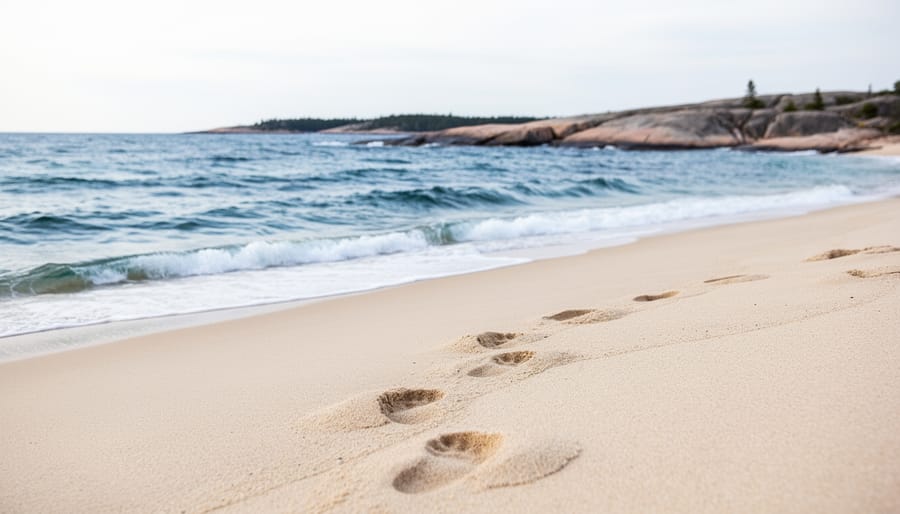
The closest Great Lakes beach to you depends on where you’re starting from in Ontario, but chances are you’re within two hours of sandy shores and crystal-clear water. If you’re in the Greater Toronto Area, Wasaga Beach on Georgian Bay sits just 90 minutes north and stretches for 14 kilometers of soft sand. Windsor and southwestern Ontario residents can reach Point Pelee’s Lake Erie beaches in under an hour, while those in eastern Ontario will find Sandbanks Provincial Park on Lake Ontario their nearest escape, about two hours from Ottawa.
Finding your nearest beach isn’t just about distance. It’s about matching what you want from a beach day with what each shoreline offers. Georgian Bay delivers dramatic rocky coastlines and some of the clearest water in the lakes, thanks to its granite bedrock filtering. Lake Erie’s shallow, sandy bottom means warmer swimming temperatures that peak in late summer, perfect for families with young kids. Lake Huron’s endless dune systems create that classic coastal beach feel you’d expect from an ocean, and Lake Ontario’s accessibility makes it ideal for quick evening visits.
I’ve spent years exploring these beaches, from the tourist-packed stretches of Grand Bend to the quiet coves only locals know about. The Great Lakes hold 21% of the world’s surface freshwater, and Ontario claims shoreline on four of the five lakes. That gives us incredible variety. You can walk white sand dunes one weekend and explore pebble beaches with fossil hunting the next.
This guide identifies seven beaches across Ontario’s Great Lakes coastline, organized by lake and region. Each entry includes driving distances from major cities, what makes that beach special, and the practical details you need to plan a visit in 2026.
Why Visit Great Lakes Beaches and Sand Dunes
Ontario’s Great Lakes beaches offer something truly special: soft, sandy shores that rival ocean coastlines without the salt, crowds, or long-distance travel. The warm, shallow waters make these beaches perfect for families with young children, kids can wade and splash safely while adults relax knowing the gradual depth creates a natural play zone. Unlike the chilly Pacific or the unpredictable Atlantic, Great Lakes water temperatures climb to a comfortable 20-24°C by midsummer.
The real showstoppers are the dramatic Ontario sand dunes that tower above certain beaches, creating landscapes that feel more like Lake Michigan or the Outer Banks than inland Canada. These aren’t just pretty backdrops, they’re living ecosystems supporting rare plants and wildlife found nowhere else in the province. Understanding how Great Lakes formed helps you appreciate why these freshwater beaches exist at all, carved by retreating glaciers that left behind massive basins and sculpted shorelines.
Best of all? Most Ontario residents live within a two-hour drive of at least one world-class Great Lakes beach. You can leave after breakfast, spend the day swimming and sunbathing, and sleep in your own bed that night, no expensive flights or hotel bookings required.
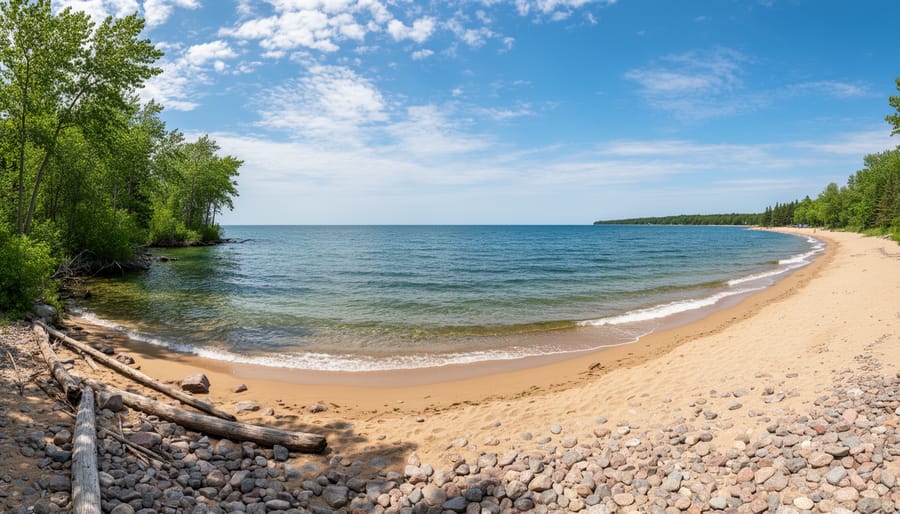
Top Great Lakes Beaches Near You in Ontario
1. Sauble Beach, Lake Huron’s Longest Stretch
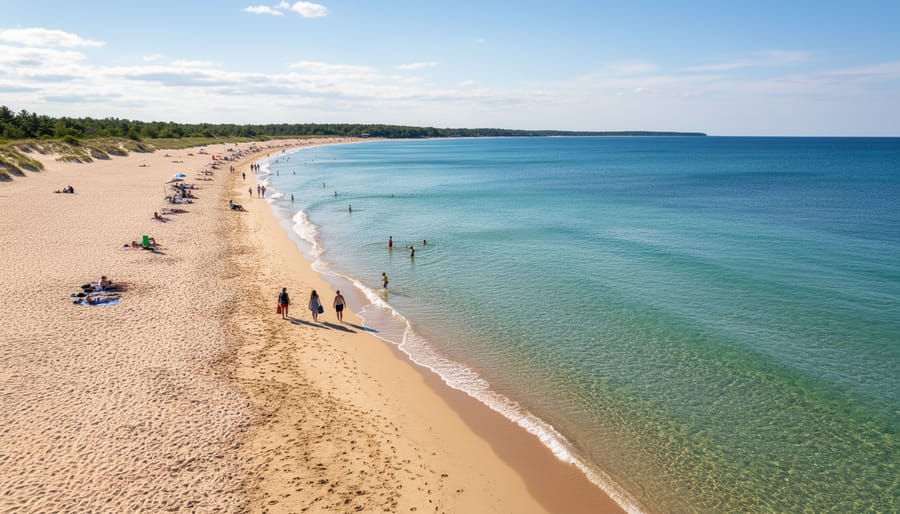
Sauble Beach stretches 11 kilometres along Lake Huron’s eastern shore, making it one of Ontario’s longest continuous sandy beaches and a strong contender if you’re searching for the closest Great Lakes beach from anywhere in the Grey-Bruce region or southern Ontario. The water here stays shallow for 30 metres or more from shore, warming quickly in summer and creating ideal conditions for families with young children. You’ll wade out to waist depth and still feel sand beneath your feet.
The beach town itself runs parallel to the shore, lined with motels, ice cream shops, and fish-and-chip stands that give Sauble a classic summer resort feel without the corporate polish of larger destinations. On weekends, the main beach fills with volleyball nets, beach umbrellas, and the smell of sunscreen, but walk 15 minutes north or south and you’ll find quieter stretches where the crowds thin considerably.
Just north of the main beach area, natural sand dunes roll inland, stabilized by beach grasses and offering a glimpse of the coastal ecosystem that once dominated this shoreline. These dunes are fragile, so stick to marked paths if you explore them.
Sauble Beach works best for families wanting easy swimming, couples seeking a low-key beach town vibe, and anyone within two hours of Owen Sound or three hours of Toronto who wants warm, safe water without crossing the border. The sunsets over Lake Huron are spectacular, and you can watch them with your toes still in the water.
2. Wasaga Beach, World’s Longest Freshwater Beach
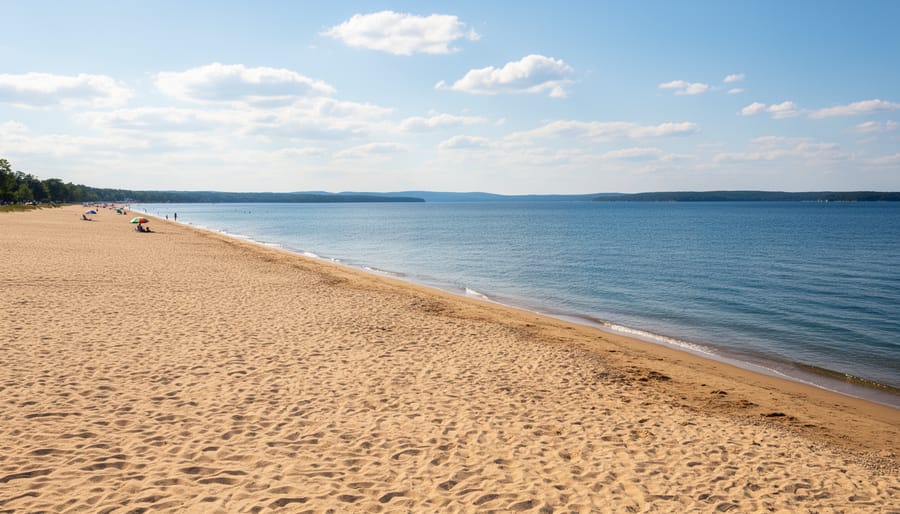
Stretching 14 km along Georgian Bay’s southern shore, Wasaga Beach earns its title as the 14 km longest freshwater beach in the world. That’s a lot of soft, golden sand waiting for you. For anyone living in the Greater Toronto Area, this beach sits roughly 90 minutes north on Highway 400, making it one of the most accessible Great Lakes destinations for a quick weekend escape or even a spontaneous day trip.
The beach divides into six main access areas, Beach 1 through Beach 6, each with its own parking lot, washrooms, and character. Beach 1 anchors the lively east end with restaurants, ice cream shops, and volleyball nets, while Beach 2 offers a slightly quieter vibe with playgrounds perfect for families. As you move west through Beaches 3 to 6, the crowds thin out and the atmosphere shifts toward relaxed sunbathing and long walks along the water’s edge.
Wasaga Beach Provincial Park protects a portion of this shoreline, offering nature trails through rare dune ecosystems and river mouth habitats where the Nottawasaga River meets the bay. The shallow, gradually sloping water here warms beautifully by mid-summer, creating ideal conditions for kids to splash safely while parents relax nearby. Parking fills fast on hot July and August weekends, so arriving before 10 a.m. saves you the circling-for-a-spot frustration.
3. Sandbanks Provincial Park, Lake Ontario’s Dune Paradise
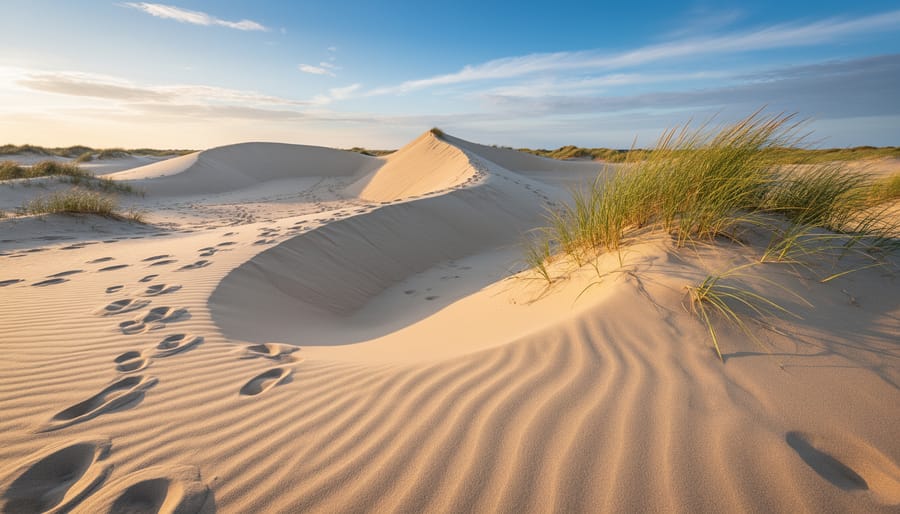
Sandbanks Provincial Park in Prince Edward County delivers something rare: the world’s largest baymouth dunes fronting a freshwater lake. These towering sand formations, some rising 25 metres above Lake Ontario’s shoreline, create a landscape that feels more Caribbean than Canadian. The park protects three separate beach areas. Outlet Beach, the main access point, stretches along the lake with gentle waves and shallow entry ideal for families. Sandbanks Dunes Beach sits tucked behind the dune system itself, offering swimmers a protected bay with calm, warm water. Then there’s the spectacular Dunes Beach, where you walk through the dune field to reach an isolated stretch of sand facing open water.
What makes this place remarkable goes beyond the scenery. The sand dune science here tells a story thousands of years old: wind and waves built these formations grain by grain, creating a freshwater baymouth barrier unique in the world. That ecological significance means certain dune areas are off-limits to protect fragile vegetation, but marked trails let you experience the landscape without damaging it. For beach and camping enthusiasts, Sandbanks combines premier swimming with over 500 campsites, many within walking distance of the shore. Located about 2.5 hours from Toronto and 3 hours from Ottawa, it’s the closest you’ll get to a true dune paradise on the Great Lakes’ northern shore.
4. Grand Bend, Lake Huron’s Southern Gem
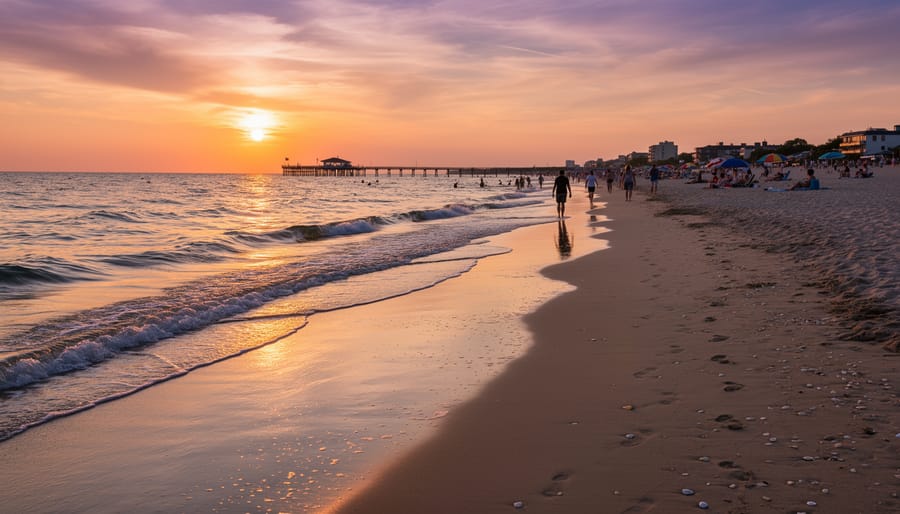
Grand Bend sits roughly two hours southwest of Toronto and just 45 minutes north of London, making it one of the most accessible Lake Huron beaches for southwestern Ontario residents searching for the closest great lakes beach to their location. This lively beach town wraps around a wide crescent of soft sand where shallow, warm waters stretch far from shore, perfect for families with young children and swimmers of all levels.
The beach itself runs several kilometers along the shoreline, offering plenty of space even on busy summer weekends. What sets Grand Bend apart is its vibrant atmosphere: the main beach connects directly to the town’s commercial strip, where you can grab ice cream, browse boutiques, and enjoy patio dining just steps from the water. As evening approaches, visitors gather along the shore to watch spectacular sunsets paint the sky over Lake Huron, a ritual that defines summer here.
Just ten minutes south, Pinery Provincial Park protects a rare oak savanna ecosystem alongside pristine beaches and towering sand dunes. The park’s ten kilometers of shoreline offer a quieter, more natural experience than the town beach, with boardwalks threading through ancient dunes and forest trails leading to secluded stretches of sand. The contrast between Grand Bend’s energetic beach-town vibe and Pinery’s wilderness setting means you can choose your atmosphere, or experience both, all within one trip to this corner of Lake Huron.
5. Singing Sands Beach, Lake Huron North Shore
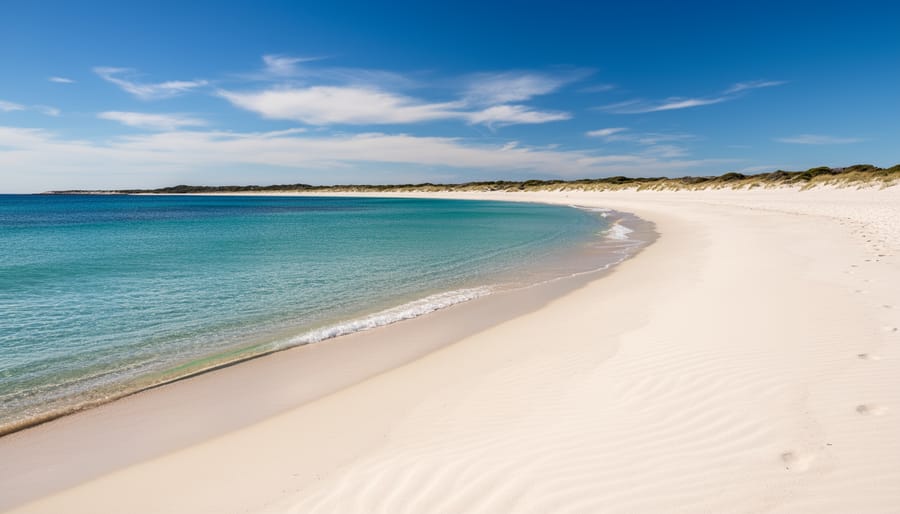
Tucked away on the northern Bruce Peninsula, Singing Sands Beach offers one of the most pristine and remote Great Lakes experiences you’ll find. If you’re searching for the closest beach to you and you’re in the Georgian Bay or Bruce Peninsula region, this hidden gem deserves serious consideration, though its distance from major cities means it’s genuinely closest to those already exploring the northern reaches of the peninsula.
The beach gets its name from a rare acoustic phenomenon: under the right conditions, the fine quartz sand actually produces a melodic squeaking sound when you walk across it. This curious effect happens when dry sand grains rub together, creating vibrations you can hear and feel underfoot.
Beyond the singing sand, what sets this beach apart is its stunning clarity. The turquoise waters rival tropical destinations, and the relatively shallow entry makes it ideal for wading and swimming. Since it sits within Bruce Peninsula National Park, development is minimal, you won’t find beach volleyball nets or snack bars here. Instead, expect a wilderness shoreline backed by forests, with basic facilities and a small parking area.
The trade-off for this unspoiled beauty is accessibility. The final approach involves a moderate hike through the woods, and the beach can only accommodate a limited number of visitors. Arrive early in summer or visit on weekdays to avoid capacity restrictions.
6. Presqu’ile Provincial Park, Lake Ontario’s Sandy Point
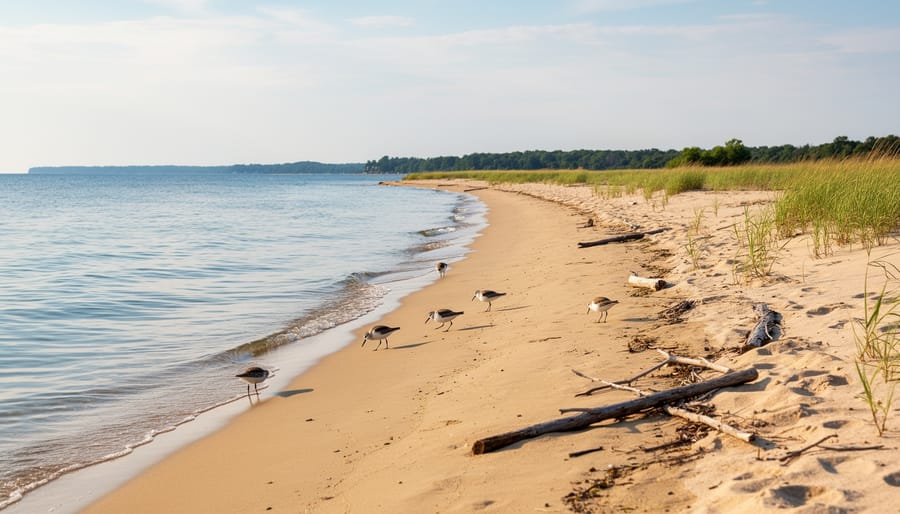
Tucked on a sandy peninsula jutting into Lake Ontario near Brighton, Presqu’ile Provincial Park offers one of the closest Great Lakes beaches to communities in eastern Ontario and the Greater Toronto Area, just 90 minutes from Oshawa and two hours from Toronto. The park’s main beach stretches along a sheltered bay with soft sand and gradual entry, making it ideal for families with young children who want calm, swimmable waters.
Beyond the beach, Presqu’ile’s landscape includes the historic lighthouse (built in 1840 and still standing sentinel at the point), extensive marshlands, and boardwalk trails through diverse coastal habitats. Presqu’ile’s established bird migration patterns make spring and fall exceptional times for birdwatching, with over 330 species recorded. Bring binoculars, you might spot warblers, herons, or raptors depending on the season.
The park maintains several hundred campsites, many within walking distance of the beach, plus modern comfort stations and a camp store. Day visitors will find ample parking, picnic areas with shade, and clean washroom facilities. The protected waters here warm up nicely by mid-summer, and the shallow swimming area stays comfortable for hours of play without the dramatic waves you’ll encounter on the more exposed Great Lakes shores.
7. Ipperwash Beach and Pinery Provincial Park, Unspoiled Lake Huron Coast
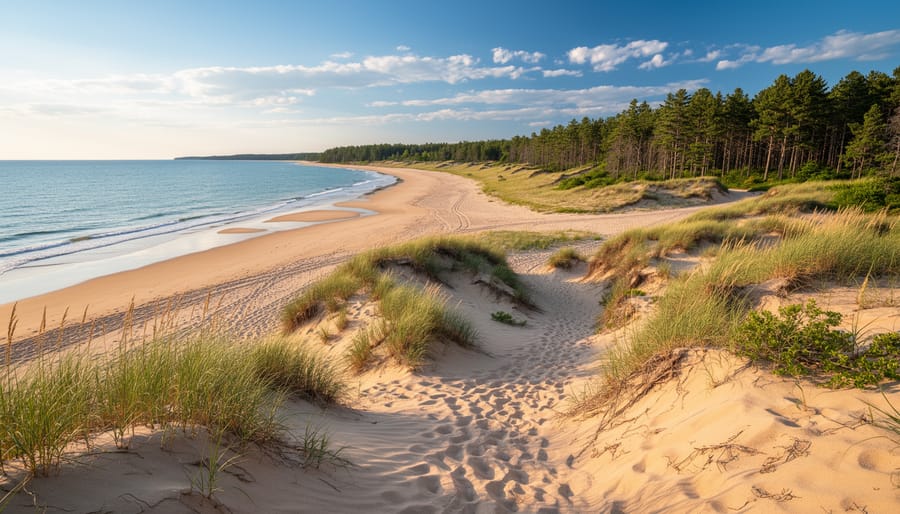
Ipperwash Beach and the adjacent Pinery Provincial Park protect one of Lake Huron’s most ecologically significant stretches of coastline. If you’re searching for the closest Great Lakes beach to you and want an unspoiled natural experience, this southwestern Ontario gem delivers pristine beauty without the crowds.
The park’s 10 km of sandy shoreline features some of the region’s most dramatic dunes, rising up to 25 metres and supporting rare oak savanna and Carolinian forest ecosystems. These fragile dunes took thousands of years to form, and marked trails let you explore them while protecting the sensitive vegetation that holds them in place.
Ipperwash Beach itself offers calm, shallow waters perfect for families, but the real draw is the sense of wilderness. You won’t find beach umbrellas rented by the hour here. Instead, expect quiet stretches of sand, clear water, and opportunities to spot nesting piping plovers and other threatened species.
The park’s 1,000 campsites range from electrical hookups to walk-in backcountry spots, making it ideal for extended stays. Day visitors can access the beach through designated parking areas. Water quality is consistently excellent, and the absence of commercial development means darker skies for stargazing after sunset.
For eco-conscious travelers calculating which Great Lakes beach sits closest to them, Pinery offers a compelling reason to make the drive.
How We Chose These Great Lakes Beaches
We didn’t just pick the most popular names. Each beach made this guide based on five clear criteria that help you find your closest Great Lakes beach and understand what makes it worth the drive:
- Geographic spread across Lake Huron, Georgian Bay, and Lake Ontario to serve different regions of the province
- Driving distance from major population centers like Toronto, London, Ottawa, and the Greater Golden Horseshoe
- Presence of distinctive sand dunes or coastal features shaped by ancient ice and ongoing shoreline processes
- Variety of experiences from full-service beach towns with amenities to quiet wilderness shores
- Family-friendly features including shallow water, lifeguards where available, and accessible facilities
This approach ensures you’ll find a beach that matches both your location and the type of experience you’re after. Some visitors want boardwalks and beach volleyball nets. Others seek unmarked sand and solitude. We’ve included both, along with everything in between, so your closest Great Lakes beach can also be your ideal one.
Planning Your Great Lakes Beach Visit: Practical Information
Start by pinpointing which beach sits closest to your current location. Google Maps or Apple Maps will calculate driving distances accurately, just search for each beach name and compare travel times from your address. Most beaches are well-signposted off major highways, making navigation straightforward even for first-time visitors.
| Beach | From Toronto | From Ottawa | From London |
|---|---|---|---|
| Wasaga Beach | 2 hours | 5.5 hours | 3 hours |
| Sandbanks Provincial Park | 2.5 hours | 3 hours | 4.5 hours |
| Sauble Beach | 3 hours | 6 hours | 2.5 hours |
| Grand Bend | 2.5 hours | 6 hours | 45 minutes |
| Presqu’ile Provincial Park | 2 hours | 3.5 hours | 4 hours |
Lake Huron and Georgian Bay warm up fastest, with water temperatures reaching swimmable levels by late June. Peak season runs July through August when water hovers around 20-22°C. September offers quieter visits but cooler swims. Provincial parks require advance reservations through Ontario Parks’ website, especially for camping, book several months ahead for summer weekends. Day-use parking fills quickly at popular beaches like Wasaga and Sandbanks; aim to arrive before 10 AM on weekends or consider weekday visits.
Most beaches charge parking fees ranging from ten to twenty-five dollars per vehicle. Sandbanks, Presqu’ile, and Pinery require park entry permits on top of camping fees if you’re staying overnight. Free municipal beaches like Sauble offer budget-friendly alternatives, though facilities may be more basic. Some beaches near limestone landscapes feature rockier entries, so check specific beach profiles before packing. Camping spots book up months ahead at provincial parks, but day-use access remains available even when campgrounds are full.
Local Tips and Insider Knowledge
Get the most out of your Great Lakes beach day by arriving before 10 a.m. on summer weekends, especially at popular spots like Wasaga and Sauble. You’ll secure better parking, claim your preferred beach spot, and enjoy cooler morning temperatures before the afternoon crowds arrive.
Cash remains king at several beach parking lots and small-town vendors near the shore, so bring bills for parking meters and local concessions. Water shoes are a smart addition to your beach bag if you’re visiting rocky-entry beaches on the northern Lake Huron or Georgian Bay shores, where smooth stones and zebra mussel shells can make barefoot wading uncomfortable.
Don’t underestimate the power of the sun reflecting off open water and pale sand. Apply sunscreen generously and reapply after swimming, even on overcast days when UV rays penetrate cloud cover. A wide-brimmed hat and UV-protective clothing make long beach days far more comfortable.
Time your visit to west-facing beaches like Grand Bend or Sauble for late afternoon to catch spectacular sunsets over Lake Huron. The golden hour light transforms the water and dunes into something magical, and you’ll avoid the midday heat while experiencing the beach at its most photogenic.
Frequently Asked Questions
Which Great Lakes beach is warmest for swimming?
Shallow beaches on Lake Erie and southern Lake Huron typically warm fastest in summer. Sandbanks and Grand Bend often reach comfortable swimming temperatures by late June, while deeper Georgian Bay locations may stay cooler longer.
Are dogs allowed at Great Lakes beaches in Ontario?
Pet policies vary widely by location. Many provincial park beaches prohibit dogs during peak season, while municipal beaches like Sauble have designated dog-friendly sections. Always check specific beach regulations before bringing your pet.
Do these beaches have lifeguards on duty?
Popular beaches like Wasaga, Sauble and Grand Bend typically staff lifeguards during summer months at main swimming areas. Remote beaches such as Singing Sands usually don’t have lifeguard supervision, so swim at your own risk.
What facilities can I expect at Great Lakes beaches?
Provincial parks and major beach towns offer washrooms, changing rooms, picnic areas, and food concessions. Wilderness beaches may have vault toilets and little else, so pack supplies accordingly.
How do I check current water quality before visiting?
Ontario’s Beach Water Quality program posts current conditions online. Check the provincial website or local health unit pages for recent test results, algae warnings, and any beach closures before you head out.
These answers cover the essentials for planning a beach day, but conditions change throughout the season. Water temperatures fluctuate with weather patterns and lake levels, so what’s swimmable in August might be bracing in June. If you’re traveling a distance to visit a specific beach, a quick phone call to the park office or local visitor center can confirm current conditions, parking availability, and any temporary closures. This extra step saves disappointment and helps you choose the best beach for your visit timing.
Ontario’s Great Lakes shoreline offers some of the finest freshwater beaches in the world, and the closest Great Lakes beach to you might be just a short drive away. Whether you’re drawn to the lively summer energy of Wasaga Beach or Grand Bend, the wilderness tranquility of Singing Sands, or the spectacular dunes at Sandbanks, there’s a coastal experience that matches what you’re looking for.
These aren’t distant tropical destinations requiring flights and passports. They’re accessible escapes where you can dig your toes into soft sand, swim in clean fresh water, and watch stunning sunsets over the lake, all within a few hours of home. The beaches range from fully-serviced provincial parks with modern amenities to undeveloped stretches where you’ll have the shore nearly to yourself.
Check the distances from your location, pick a beach that suits your style, and make the trip. Summer weekends fill up fast, so plan ahead if you’re visiting popular spots. But once you’re there, standing at the water’s edge with miles of sand stretching in both directions, you’ll understand why Ontario’s Great Lakes beaches deserve their world-class reputation. Your nearest beach is waiting.







+ There are no comments
Add yours