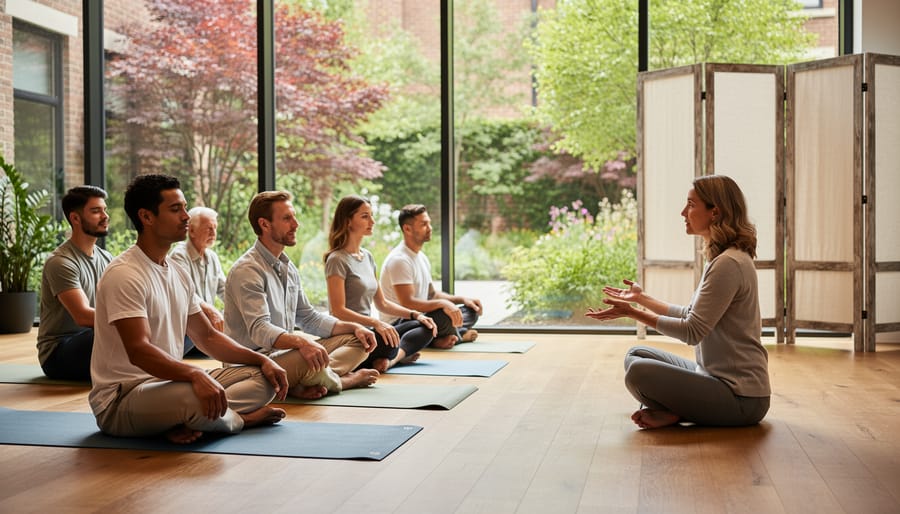
Onsite retreats bring transformative wellness experiences to your organization’s existing space, eliminating costly venue rentals and travel logistics while creating meaningful connection for teams, groups, or community gatherings. Instead of coordinating offsite accommodations and transportation, you can use structured retreat kits, guided facilitators, or self-led programs designed to turn your boardroom, community center, or outdoor yard into a purposeful sanctuary for a few hours or a full day. The approach works particularly well when you incorporate Ontario’s rich natural heritage through locally inspired practices, seasonal themes, and outdoor elements that ground participants in place.
The real appeal lies in control and customization. You decide the schedule, the participant mix, and how deeply you want to integrate movement, reflection, or skill-building. A half-day forest bathing session adapted for your office courtyard costs a fraction of a weekend lodge rental, yet delivers measurable stress reduction and team cohesion. Small conservation groups, corporate teams, school staff, and wellness practitioners across Ontario have discovered that a well-designed onsite format often builds stronger outcomes than glossy destination retreats because the familiarity of your space reduces anxiety and allows focus on the actual practice.
This guide walks you through choosing the right retreat type for your group size and goals, comparing kit-based versus facilitated options, avoiding common planning mistakes, and selecting elements that honor Ontario’s seasons and ecosystems.
What Makes an Onsite Retreat Work: Essential Planning Factors
Planning a successful onsite retreat starts with honest assessments of your space, people, and purpose. Whether you’re hosting ten colleagues in a meeting room or twenty family members in a backyard, certain fundamentals determine whether your retreat delivers genuine rejuvenation or becomes a logistical headache.
Location and Space Requirements
Your venue shapes everything. Indoor spaces, conference rooms, community centres, large living areas, work year-round and provide climate control, but they require intentional design to feel restorative rather than institutional. Add plants, natural light, comfortable seating arrangements that encourage connection, and views of greenery when possible. Outdoor settings bring Ontario’s natural beauty directly into the experience: a forested property, lakeside cottage, or even a well-designed urban park can host mindfulness circles, gentle movement, and nature observation. The best retreats often blend both, moving between sheltered areas and open-air activities as energy and weather dictate.
Consider spatial flow. Participants need quiet zones for reflection, gathering areas for group work, and enough room to move without feeling cramped. A cramped basement won’t inspire wellness, no matter how well-intentioned your program.
Key Planning Factors at a Glance
- Space requirements: minimum 50-75 square feet per person for movement activities, separate quiet areas for meditation
- Participant needs: physical abilities, dietary restrictions, comfort with nature exposure, prior wellness experience
- Seasonal considerations: spring and fall offer mild temperatures and stunning Ontario foliage; summer allows extended outdoor time; winter requires heated spaces and contingency plans
- Budget tiers: basic DIY retreats ($15-30 per person for materials), mid-range kits with guided content ($50-100 per person), premium facilitated experiences ($150-300+ per person)
- Wellness objectives: stress reduction, team cohesion, personal growth, physical activity, creative expression, or cultural connection
Group Dynamics and Duration
Group size profoundly affects intimacy and logistics. Six to twelve people create close-knit experiences where everyone shares meaningfully. Twenty to thirty require more structured facilitation and breakout options. Beyond forty, you’re running an event, not a retreat, possible, but demanding detailed coordination.
Duration matters too. Half-day retreats (three to four hours) work for busy teams needing a reset without overnight commitment. Full-day experiences (six to eight hours) allow deeper immersion, with time for multiple activities, meals, and genuine rest. Weekend retreats create transformation but require more investment in planning, eco-friendly gear and participant buy-in.
Ontario-Inspired Wellness Elements
Incorporating regional themes grounds your retreat in place. Forest bathing concepts drawn from Ontario’s boreal and mixed forests encourage slow, sensory walks. Indigenous wellness practices, smudging ceremonies, teachings about the medicine wheel, or land acknowledgments, honour this territory’s heritage when approached with respect and proper guidance. Seasonal rhythms matter here: spring emergence, summer abundance, autumn preparation, winter rest. Aligning retreat themes with Ontario’s natural cycles deepens participants’ connection to the land, whether they’re experiencing it onsite or planning future park visits.
Types of Onsite Retreat Experiences to Consider
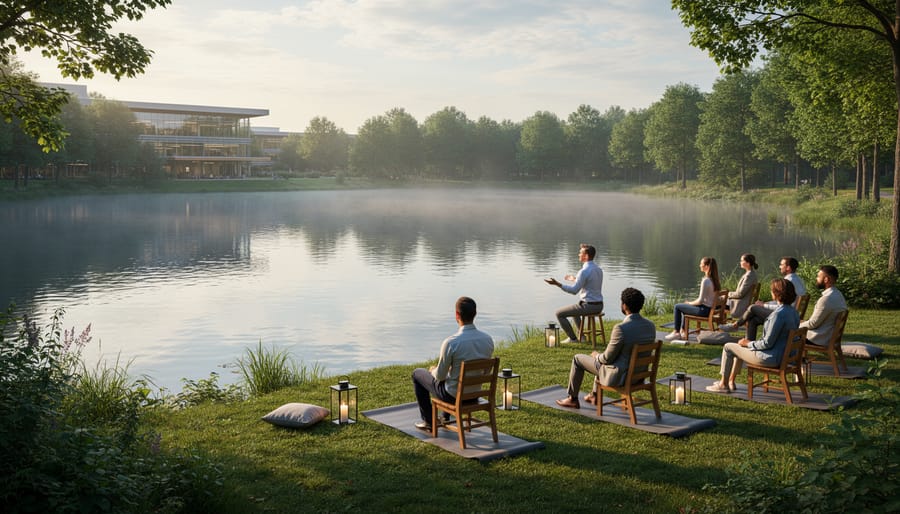
Choosing the right retreat format starts with understanding what your group needs and how Ontario’s diverse natural environments can shape that experience. Each retreat type channels a different aspect of well-being, from quiet contemplation to energetic movement, and the best choice depends on your participants’ goals, available space, and the kind of connection you want to create.
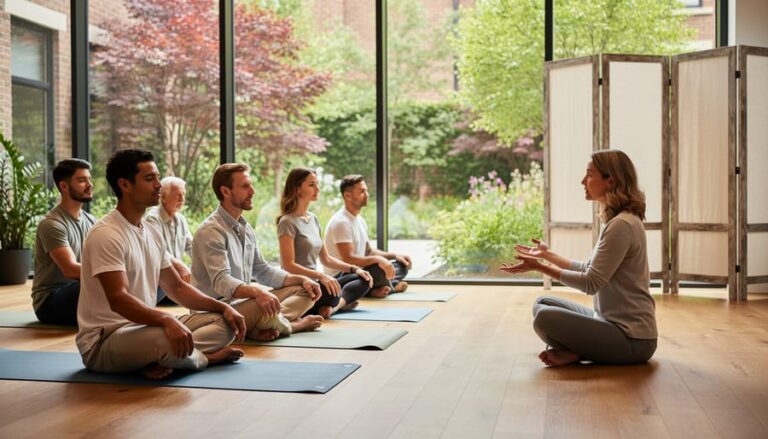
Mindfulness and meditation retreats bring stillness and focus, ideal for groups dealing with stress or seeking mental clarity. These work beautifully in any quiet indoor space, a community hall, office boardroom, or even a backyard, where you can minimize distractions. The Muskoka calm theme fits perfectly here: think gentle guided visualizations of lakeside sunrises, breathing exercises timed to wave rhythms, and seated meditation paired with recordings of loon calls. I’ve seen corporate teams transform a windowless conference room into a sanctuary just by dimming lights, adding nature sounds, and following a structured mindfulness sequence. These retreats typically run half-day to full-day formats and scale well from intimate groups of six to larger gatherings of thirty.
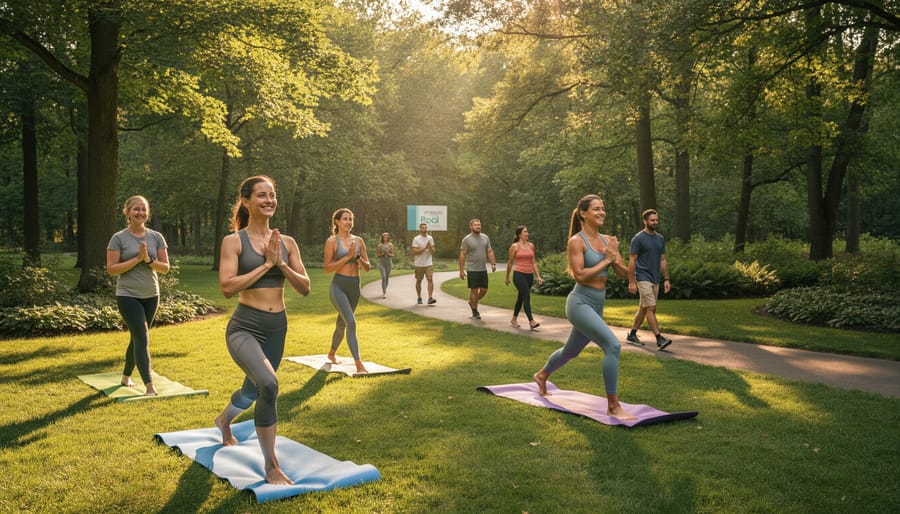
Active outdoor wellness experiences get people moving and breathing fresh air, combining physical exercise with nature immersion. Yoga flows, guided nature walks, or light hiking circuits fit this category. You don’t need wilderness; a local park, wooded trail, or even a large backyard with tree cover works. The Algonquin wilderness theme inspires this format, imagine sunrise yoga sequences that mirror the forest waking up, walking meditations focused on observing seasonal changes, or simple trail challenges that encourage participants to notice details they’d normally miss. One organizer I know runs these in urban green spaces, proving you don’t need to travel to retreat centers for an authentic outdoor wellness experience. Best for groups of eight to twenty who want moderate activity levels.
Creative and arts-based retreats unlock expression through activities like nature journaling, stone painting, outdoor sketching, or collaborative art projects using natural materials. These suit mixed-ability groups beautifully because everyone participates at their own skill level. Set up stations indoors or outside where participants rotate through different creative prompts. The Great Lakes energy theme works well, think bold colours reflecting water and sky, creative exercises inspired by shoreline geology, or group murals depicting seasonal landscapes. Families especially love these because kids and adults engage equally.
Team-building corporate retreats focus on collaboration, communication, and shared problem-solving through structured activities. These range from nature-based scavenger hunts to trust exercises in outdoor settings to reflective group discussions. They need a mix of space, both private areas for small breakout sessions and open areas for larger group activities. Any Ontario theme can anchor these, but I’ve found the wilderness survival angle (light Algonquin inspiration) resonates with corporate groups because it creates memorable challenge moments without real risk.
Family wellness experiences balance activities across age ranges, often combining gentle movement, creative time, and unstructured nature play. These need flexibility and variety: maybe twenty minutes of family yoga, followed by a nature craft station, then free exploration time. Shorter formats (two to four hours) work better than full-day programs when young children participate.
| Retreat Type | Best Use Case | Ideal Group Size | Ontario Theme | Typical Duration |
|---|---|---|---|---|
| Mindfulness & Meditation | Stress reduction, mental clarity | 6-30 people | Muskoka calm | Half-day to full-day |
| Active Outdoor Wellness | Physical movement, nature connection | 8-20 people | Algonquin wilderness | 3-6 hours |
| Creative & Arts-Based | Expression, mixed abilities | 10-25 people | Great Lakes energy | Half-day |
| Corporate Team-Building | Collaboration, communication | 12-40 people | Any Ontario theme | Full-day to weekend |
| Family Wellness | Multi-generational bonding | 4-20 people | Seasonal themes | 2-4 hours |
The beauty of onsite formats is their adaptability. You can blend elements, adding a creative component to an active retreat, or weaving mindfulness moments into a corporate day. The Ontario-inspired themes aren’t rigid categories but rather flavour palettes that help participants connect emotionally to the province’s natural character, whether they’re in a downtown space or a rural setting.
Top Onsite Retreat Kit Recommendations for Ontario Settings
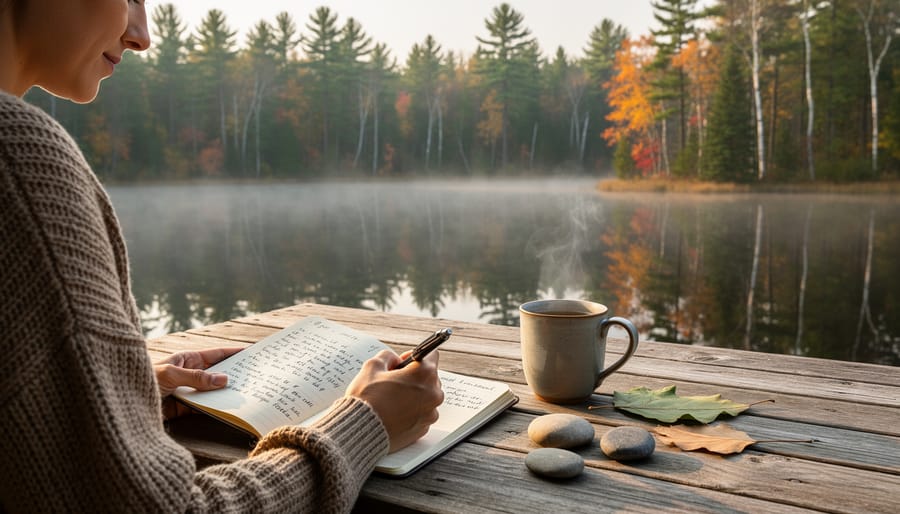
Choosing the right retreat kit can make the difference between a forgettable event and a transformative experience. Here are the top approaches that work beautifully in Ontario settings, whether you’re planning for a corporate team, a community group, or your own family.
Nature Immersion Kits: Bringing the Forest to You
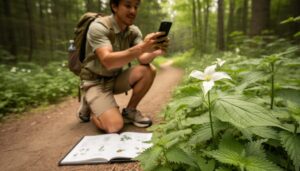
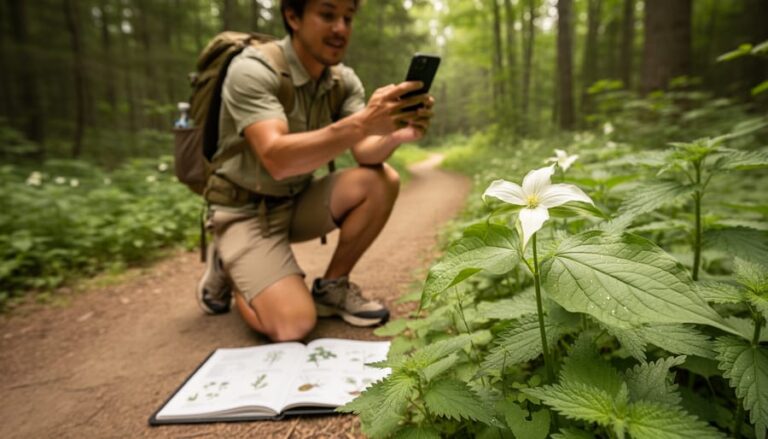
These kits center on Ontario’s incredible biodiversity and forest environments. A solid nature immersion package includes a forest bathing guide adapted for local ecosystems, field identification cards for common Ontario birds (think loons, chickadees, and blue jays), seasonal foraging basics highlighting edible plants like wild leeks and serviceberries, and nature journaling prompts tied to the four seasons.
Best for: Groups seeking grounding and connection to the natural world, educators, families with children, and anyone new to outdoor wellness practices.
Insider tip: Set up your nature immersion activities near a window or in a yard with mature trees. Even urban settings work, Toronto’s ravine system or Ottawa’s greenbelt areas provide perfect backdrops. Schedule these experiences for early morning when bird activity peaks and natural light is softest.
Mindfulness and Meditation Packages
These packages typically feature guided audio sessions (20-40 minutes) narrated with Ontario landscape imagery, structured journaling prompts exploring themes like reflection and gratitude, simple mindfulness activities requiring no essential adventure gear and breath work exercises tied to natural rhythms.
Best for: Stress reduction programs, mental health initiatives, individuals new to meditation, and groups needing quiet introspection.
The real magic happens when you pair audio sessions with real sensory elements, a small dish of pine needles, smooth stones from Georgian Bay, or recordings of actual Ontario loon calls create anchors that participants remember long after.
Active Wellness Kits
Active kits blend movement with nature appreciation. Look for packages offering yoga sequences designed for outdoor spaces (including modifications for uneven ground), trail challenge cards with achievable fitness goals, stretching routines that mirror animal movements found in Ontario forests, and outdoor fitness activities requiring minimal equipment.
Best for: Corporate teams, fitness enthusiasts, youth groups, and anyone who finds stillness challenging.
I’ve seen these work wonders for groups resistant to traditional meditation. A 30-minute trail walk with intentional movement breaks feels less “woo-woo” than sitting cross-legged, yet delivers similar stress relief benefits.
Cultural Wellness Elements
The most meaningful kits incorporate indigenous teachings and regional storytelling. Quality packages include teachings about the medicine wheel and seasonal cycles, stories connected to Ontario’s Great Lakes and waterways, local ecology lessons explaining how forests, wetlands, and shorelines interconnect, and respectful introductions to plants holding cultural significance.
Best for: Organizations prioritizing reconciliation and cultural awareness, educators, and groups seeking deeper meaning beyond physical wellness.
Choose providers who work directly with indigenous educators and knowledge keepers. Authentic cultural content requires proper permissions and profit-sharing, not generic appropriation.
Common Mistakes to Avoid When Planning Your Onsite Retreat
I learned this lesson the hard way during my first corporate retreat in Muskoka back in 2023. We packed the schedule so tightly, sunrise yoga, forest walk, team building, meditation, lunch workshop, afternoon hike, that participants looked more exhausted than renewed by dinner. One attendee joked that she needed a vacation from our wellness retreat, and honestly? She wasn’t wrong.
The most common planning mistakes stem from enthusiasm rather than malice, but they can derail even the best intentions. Here’s what to watch out for:
- Overpacking the schedule without buffer time for transitions, personal reflection, or spontaneous moments
- Skipping weather backup plans for Ontario’s unpredictable conditions, especially during shoulder seasons
- Choosing spaces that look beautiful but lack basic accessibility features, washrooms, or climate control
- Sending vague invitations that leave participants unsure whether to bring trail safety gear or meditation cushions
- Assuming everyone eats the same foods without collecting dietary restrictions and preferences ahead of time
- Ignoring Ontario-specific elements that could anchor the experience in place and season
That schedule issue isn’t unique to my Muskoka disaster. A colleague organizing retreats near Algonquin told me she now builds in what she calls “white space”, unstructured hours where people can nap, journal, or just sit by the water. Participants consistently rate these open blocks as their favorite part.
Weather contingencies matter more than you’d think. Ontario can swing from sunny and mild to cold rain within hours, particularly in spring and fall. I’ve watched retreat leaders scramble when an outdoor meditation session got rained out and they had no indoor alternative planned. Now I always scout backup indoor spots and pack extra blankets, even for summer retreats.
Communication failures create unnecessary stress. Be specific about what the day includes, what participants should bring, and what the space offers. If you’re incorporating outdoor feast planning let people know meal details in advance so those with dietary needs don’t feel sidelined.
The biggest missed opportunity? Failing to weave in Ontario’s natural identity. Generic wellness activities work anywhere, but connecting to local ecology, seasonal rhythms, or regional traditions transforms a good retreat into a memorable one that participants actually talk about months later.
Getting the Most from Your Ontario-Inspired Retreat Kit
Your retreat kit is just the starting point. I learned this after running a weekend workshop where we barely scratched the surface of our materials on day one, by Sunday morning, participants were designing their own nature meditations using leftover prompts and trail maps in completely unexpected ways.
Tailor the experience to your group’s rhythm. Not every component will resonate equally. If you notice people gravitating toward the journaling prompts but skipping the guided audio, lean into that. Swap out generic worksheets for ones that reflect your team’s specific challenges or your family’s shared memories of past camping trips. Add local touchpoints by including photos of nearby conservation areas or references to regional ecology that participants might recognize from their own neighborhoods.
Stretch a single-day kit into a full weekend by spacing activities with generous breathing room. Run the forest bathing walk Saturday morning, break for unstructured outdoor time, then introduce the mindfulness exercises after dinner when energy naturally quiets. Sunday becomes integration day, participants revisit their favorite elements, create action plans for bringing practices home, or explore nature identification activities at a slower pace. This rhythm mirrors how actual multi-day retreats unfold in places like Algonquin, where the best moments often happen between scheduled sessions.
Create meaningful carryover by designating one practice as your group’s touchstone. Maybe it’s a weekly five-minute grounding exercise or a monthly nature walk using techniques from the kit. Schedule a follow-up gathering six weeks out where people share how they’ve adapted the materials to daily life. I’ve seen teams turn a simple birdsong identification card into an ongoing office challenge that kept the retreat’s spirit alive for months.
Handle materials thoughtfully when you’re done. Laminated cards, reusable journals, and fabric items can cycle into your next retreat or be donated to schools and community groups. Compost plant-based components, and pack smart for minimal waste from the start by choosing kits with durable, multi-use elements rather than single-session printables.
Bridge your onsite experience to the real thing by planning a day trip to Frontenac or a weekend in Algonquin as your next chapter. The kit introduces the concepts; Ontario’s actual forests, lakes, and trails deepen them in ways no indoor space can replicate.
Main Options Compared
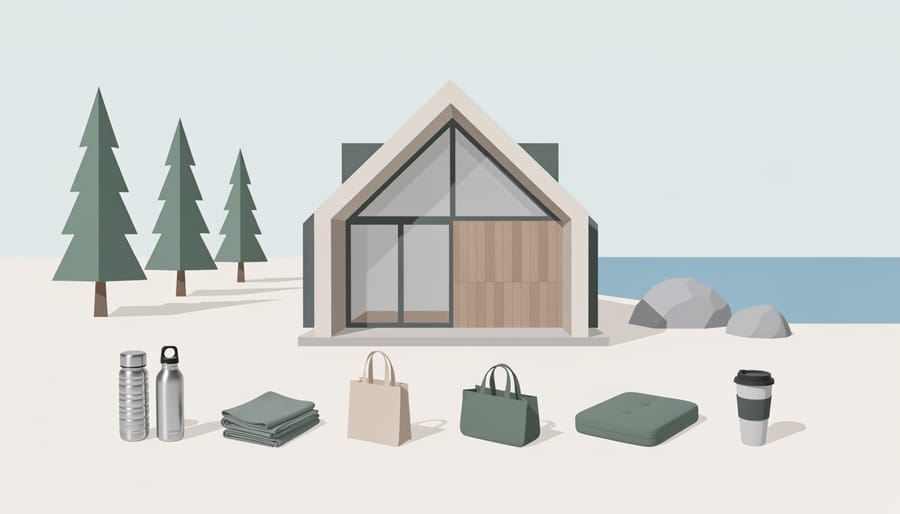
When choosing your onsite retreat format, you’re essentially deciding between three core approaches, each offering distinct advantages for Ontario-inspired wellness experiences.
Nature Immersion Retreats work best for groups craving deep connection with the outdoors. These focus on forest bathing, guided nature observation, and quiet contemplation. They require minimal equipment, maybe a guided audio component and field journals, making them budget-friendly at roughly $25-40 per person. Perfect for stressed professionals or anyone seeking mental clarity through nature’s rhythms.
Active Wellness Retreats blend movement with mindfulness through yoga, hiking circuits, or outdoor fitness challenges. These demand more physical space and equipment (mats, resistance bands, trail markers) but deliver energizing results. Expect costs around $50-75 per person. Ideal for teams building camaraderie or fitness-minded groups.
Mindfulness and Reflection Retreats emphasize meditation, journaling, and guided introspection. They’re location-flexible, you can run them entirely indoors if weather turns, and typically cost $30-50 per person for quality materials. Best suited for personal development groups or organizations addressing burnout.
Your choice hinges on your group’s energy level, available space, and whether you want calming restoration or active rejuvenation.
Bringing Ontario’s natural wellness tradition into your own space doesn’t require a remote lodge or weeks of planning. Onsite retreats let you create meaningful, restorative experiences right where you are, whether that’s a community center, backyard, corporate office, or rented venue. By weaving in elements inspired by Ontario’s forests, lakes, and seasonal rhythms, you ground your retreat in something deeper than generic wellness programming. You’re tapping into a heritage of outdoor connection that makes the experience both practical and genuinely moving.
The beauty of this approach is its flexibility. A half-day mindfulness session can introduce your team to concepts they’ll carry forward, while a weekend retreat creates space for real transformation. Start small if you’re new to retreat planning: pick one Ontario-inspired element, like a guided forest bathing exercise or seasonal reflection activity, and build from there. Pay attention to what resonates with your group, and let that guide your next steps.
How much do retreat kits typically cost?
Basic kits with guided materials and simple props start around $200-300 for groups up to 15 people, while comprehensive packages with physical materials, audio guides, and seasonal components range from $500-1200 depending on customization.
Can we host an onsite retreat in winter?
Absolutely. Winter retreats work beautifully with indoor mindfulness activities, cozy reflection sessions, and brief outdoor elements like snowshoeing or winter forest walks dressed for the cold.
Do we need outdoor space for an effective retreat?
Not necessarily. While access to nature enhances the experience, you can create powerful retreats indoors using nature sounds, seasonal imagery, and activities that connect participants to Ontario’s landscapes conceptually.
What group size works best for onsite retreats?
Groups of 8-20 people allow for both intimate sharing and diverse perspectives. Smaller groups (under 10) feel more personal, while larger gatherings benefit from breaking into smaller discussion circles.
Once you’ve experienced the grounding effect of an onsite retreat, consider taking the next step. Visit the actual places that inspired your kit: walk the trails of Frontenac Provincial Park, canoe the waters of Algonquin, or stand beside the Great Lakes at sunrise. There’s something irreplaceable about being in those spaces yourself. Your onsite retreat is the beginning, not the destination. It’s an invitation to discover what Ontario’s natural places can offer when you show up ready to receive them.




+ There are no comments
Add yours