

Transform your Ontario adventures into earth-conscious experiences by packing ultralight reusable gear, choosing local eco-lodges, and exploring the province’s pristine wilderness through low-impact activities. The growing movement toward sustainable travel isn’t just a trend—it’s reshaping how we experience Ontario’s natural wonders, from the rugged shores of Georgian Bay to the ancient forests of Algonquin Park.
As more travelers seek ways to minimize their environmental footprint while maximizing authentic experiences, eco-friendly travel has evolved beyond simple recycling and reusable water bottles. Today’s conscious explorers are embracing innovative solutions like solar-powered camping gear, supporting Indigenous-led tours, and discovering how sustainable choices enhance rather than limit their adventures.
Whether you’re planning a weekend hiking trip or a month-long exploration of Ontario’s backcountry, this guide will equip you with practical strategies to travel sustainably while creating unforgettable memories in Canada’s most diverse province.
Essential Sustainable Gear for Ontario Adventures
Reusable Water Solutions
When exploring Ontario’s wilderness, staying hydrated sustainably is crucial. Invest in a high-quality stainless steel water bottle – I’ve found my 40oz insulated bottle keeps drinks cold for 24 hours, perfect for those sweaty summer hikes. Pair it with a reliable water filtration system to safely drink from Ontario’s countless lakes and streams. The Sawyer Mini or LifeStraw are excellent portable options that easily fit in your pack.
For longer backcountry trips, consider a gravity filtration system that can process several liters at once – perfect for group camping. These systems use replaceable filters and eliminate the need for countless plastic water bottles. Pro tip: bring a collapsible water container to set up camp with filtered water ready for cooking and drinking.
Remember to check your destination’s water sources beforehand. While most of Ontario’s backcountry water is pristine, some areas may require additional treatment. Always pack your filtration system’s backwash syringe and spare filters for longer journeys. By embracing reusable water solutions, you’ll not only save money but also help preserve Ontario’s beautiful wilderness for future generations.

Earth-Friendly Camping Equipment
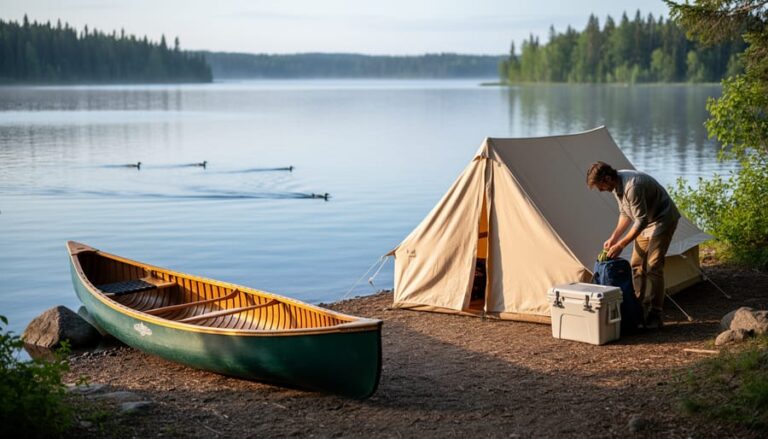
When gearing up for your Ontario outdoor adventure, choosing eco-friendly camping equipment makes a world of difference for our environment. Start with a tent made from recycled materials – brands like Big Agnes and Mountain Equipment Co-op offer fantastic options that use recycled polyester and responsibly sourced materials. These tents are just as durable as traditional ones but leave a much smaller environmental footprint.
For a cozy night’s sleep, check out sleeping bags filled with recycled synthetic materials or responsibly sourced down. Companies like Patagonia and The North Face have excellent sustainable options available at outdoor retailers across Ontario. Don’t forget your sleeping pad – look for ones made from recycled foam or natural materials.
Consider swapping traditional camping cookware for bamboo utensils and biodegradable plates. Solar-powered lanterns eliminate the need for disposable batteries, while reusable water filters remove the need for plastic bottles. Many Ontario outfitters now stock these sustainable alternatives, making it easier than ever to camp responsibly.
Pro tip: Visit your local outdoor gear swap or second-hand sporting goods store – extending the life of existing equipment is one of the most eco-friendly choices you can make!

Local Ontario Eco-Brands to Support
When packing for your Ontario adventures, why not support our province’s eco-conscious entrepreneurs? These local brands are crafting sustainable outdoor gear while keeping our environment in mind. One standout is Toronto-based Kotn, which creates ethically-made organic cotton basics perfect for layering on hiking trails. Their partnership with Egyptian farmers ensures sustainable farming practices and fair wages.
For your camping needs, check out Camp Brand Goods in Hamilton. They produce durable outdoor wear using recycled materials and offer repair services to extend product life. Their “Buy Once, Wear Forever” philosophy perfectly aligns with sustainable travel values.
Ottawa’s Eco Outdoor Equipment specializes in recycled plastic backpacks and camping gear, transforming what could have been landfill waste into reliable travel companions. Each purchase helps remove plastic from Ontario’s waterways.
Don’t forget about local artisan products like handcrafted hiking sticks and natural fiber camping accessories from The Wandering Woodsman in Muskoka. Their items are made from sustainably harvested Ontario timber and finished with natural oils.
For eco-friendly footwear, Native Shoes in Toronto offers waterproof boots made from recycled materials – perfect for muddy trail conditions. They even have a recycling program for worn-out shoes.
These brands not only provide high-quality gear but also contribute to Ontario’s growing sustainable business community. By choosing their products, you’re supporting local entrepreneurs while reducing your environmental impact – a win-win for conscious travelers.

Zero-Waste Food and Storage Solutions
When exploring Ontario’s beautiful parks, embracing local food options and practicing sustainable meal planning can significantly reduce your environmental footprint. Start by investing in reusable containers made from durable materials like stainless steel or bamboo. These lightweight options are perfect for packing trail snacks and keeping your meals fresh throughout your adventure.
Consider bringing a set of cloth produce bags for shopping at local farmers’ markets, and pack a few beeswax wraps instead of plastic wrap for storing fruits and sandwiches. Mason jars are versatile champions for storing everything from overnight oats to trail mix, and they’re perfect for collecting wild berries during your hikes (where permitted).
To minimize waste, pre-portion your meals before leaving home and use a cooler with reusable ice packs rather than disposable bags. A trick I’ve learned from experienced Ontario campers: freeze your drinking water in reusable bottles – they’ll keep your food cold and provide fresh drinking water as they thaw.
Don’t forget to bring a dedicated compost bag for food scraps, which can be disposed of properly at designated facilities in many Ontario parks. Remember to store food in animal-proof containers, especially in bear country, and always pack out what you pack in.
Sustainable Transportation Tips
Getting to and around Ontario’s parks sustainably is easier than you might think! Start by considering carpooling with friends or joining local hiking groups that organize shared rides to popular destinations. If you’re heading to parks near urban areas like Rouge National Urban Park or Bruce Peninsula, take advantage of shuttle services and public transit options that run during peak seasons.
For Toronto residents, the seasonal Park Bus service is a fantastic way to reach various provincial parks without a car. They offer direct routes to destinations like Algonquin and Killarney, letting you sit back and enjoy the views while reducing your carbon footprint.
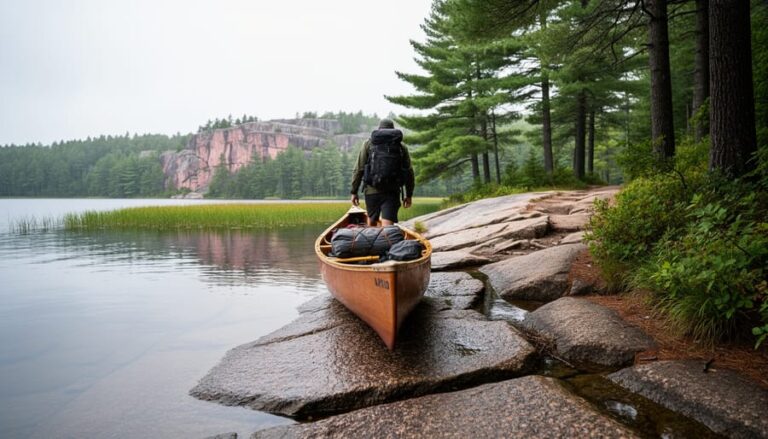
Once you’re at your destination, embrace human-powered transportation! Many parks offer well-maintained bike trails, and some even have bike rental services on-site. In larger parks like Algonquin, consider renting a canoe or kayak to explore waterways – it’s not only eco-friendly but also gives you access to stunning viewpoints you can’t reach by car.
For multi-day trips, plan your itinerary to minimize vehicle use. Choose a central campsite or accommodation and explore nearby trails on foot. Some parks even offer electric vehicle charging stations, making it easier for EV owners to visit sustainably.
Remember to check park websites before your visit, as many now offer real-time updates about shuttle services, trail conditions, and sustainable transportation options specific to each location.
Leave No Trace: Best Practices
When exploring Ontario’s stunning wilderness, following Leave No Trace principles helps preserve these spaces for future generations. Always pack out what you pack in, including food scraps, wrappers, and other waste. Stick to marked trails to prevent soil erosion and protect delicate vegetation. Keep a safe distance from wildlife – remember, we’re visitors in their home!
Before making camp, look for designated camping areas or durable surfaces. Avoid creating new fire pits; instead, use established fire rings and only collect fallen wood. When nature calls, dig a small hole at least 200 feet from water sources and pack out toilet paper.
Minimize your impact by traveling in small groups and keeping noise levels down. Take photos instead of souvenirs – leave rocks, plants, and artifacts where you find them. Consider bringing reusable water bottles, food containers, and eco-friendly hygiene products.
Before heading home, do a final sweep of your area to ensure you haven’t left anything behind. Remember, even organic waste like apple cores can disrupt local wildlife patterns and should be packed out.
As we wrap up our eco-friendly travel journey, remember that every small choice makes a difference in preserving Ontario’s natural beauty. From packing reusable water bottles to supporting local businesses and choosing sustainable accommodations, you have the power to create positive change while exploring our stunning province. Consider these practices not just as travel choices, but as part of a larger commitment to protecting our environment for future generations of adventurers. Start small, learn from fellow travelers, and gradually incorporate more sustainable habits into your trips. By traveling mindfully, we can all contribute to keeping Ontario’s wilderness pristine and thriving. So pack your eco-friendly gear, embrace the principles we’ve discussed, and set out to create unforgettable memories while treading lightly on our beautiful landscape.






+ There are no comments
Add yours