
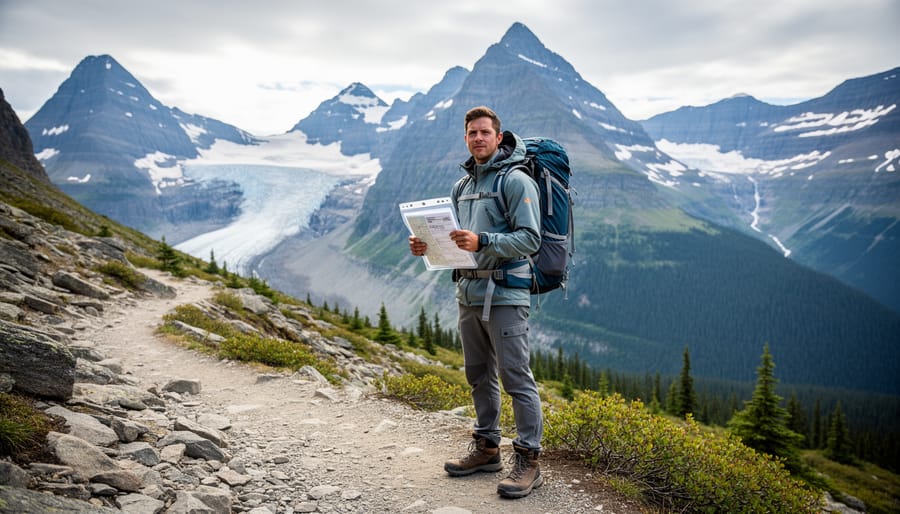
Securing a backcountry permit for Glacier National Park requires advance planning, and your best shot at nabbing prime campsites is applying the moment the reservation window opens, typically in mid-March for the upcoming summer season. The permit system operates on a first-come, first-served basis through an online lottery and walk-in availability, with most coveted sites filling within hours of release. You’ll need to map your route, understand group size restrictions (usually 4-8 people depending on the campground), and budget around $7 per person per night plus a non-refundable reservation fee.
Here’s what catches most first-timers off guard: Glacier’s backcountry isn’t a casual weekend decision. The park receives thousands of permit requests for limited spots, especially along iconic routes like the Highline Trail or Gunsight Pass. Success means understanding the three-tier permit system (advance reservations, walk-in permits 24 hours before departure, and same-day availability), knowing which campgrounds allow fires versus stove-only cooking, and having backup routes ready when your first choice sells out.
Whether you’re eyeing a multi-day traverse or a single overnight escape into wilderness that rivals anything you’ve experienced at Ontario’s accessible cabin options getting your permit right is the gateway to an unforgettable glacier-country adventure. The process rewards preparation, flexibility, and respect for leave-no-trace principles that keep these alpine ecosystems thriving for future adventurers.
What You’ll Need Before You Apply
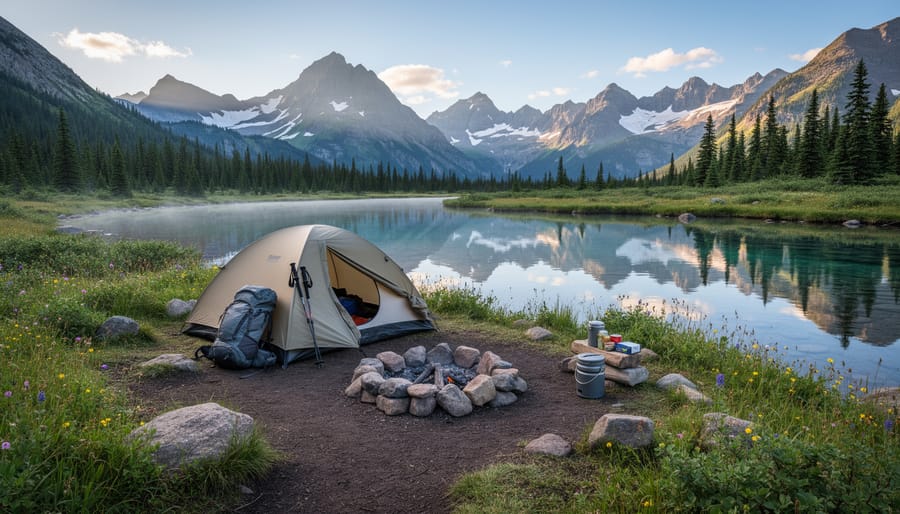
Before you start your Glacier backcountry permit application, gather everything you need to avoid delays or errors. Having the right documents and information ready makes the process smoother and increases your chances of securing your preferred dates and campsites.
Required Documents and Information
You’ll need a valid government-issued photo ID for the permit holder and basic details for everyone in your group, including full names and ages. If you’re applying for a spot in Glacier National Park, you’ll also need a valid park entrance pass or be prepared to purchase one, the backcountry permit doesn’t include general park admission.
Make sure you have the following ready before starting your application:
- Valid photo ID (driver’s license or passport)
- Credit or debit card for permit fees and park pass if needed
- Complete list of group members with full names and contact information
- Proposed trip dates with flexible alternatives in case your first choice isn’t available
- Emergency contact details for all group members
Preparation Materials for a Stronger Application
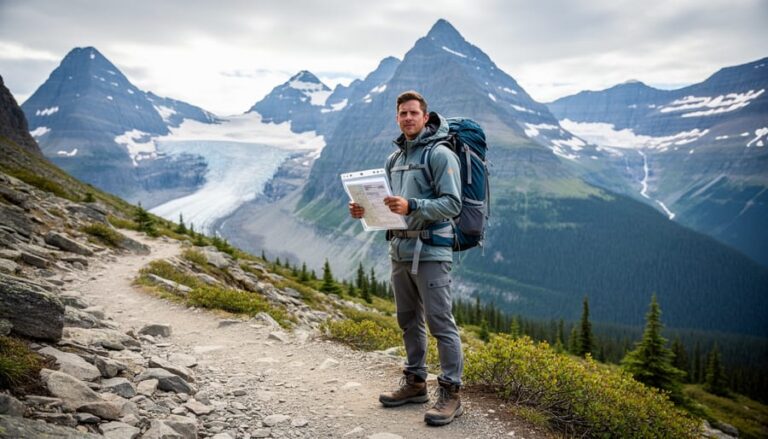
While not mandatory, having topographic maps, a detailed route plan, and knowledge of specific campsite locations dramatically improves your application. Study trail distances, elevation gains, and campsite amenities beforehand so you can select appropriate sites for your group’s fitness level and experience. The more prepared you are with realistic route choices, the easier it is to pivot if your preferred sites are fully booked.
Keep digital or printed copies of trail maps handy during the application process. You’ll reference trailhead names, campsite codes, and mileage estimates while filling out forms. This preparation also helps you identify backup routes and sites, which is essential during peak season when competition for permits runs high.
Important Safety Rules and Permit Restrictions

Glacier backcountry permits come with strict rules designed to protect both visitors and the fragile wilderness ecosystem. Group size is capped at eight people per party, which helps minimize environmental impact and ensures campsites aren’t overcrowded. Bringing more than eight means you’ll be denied a permit or asked to split into separate groups with different itineraries.
Bear country requirements are non-negotiable. You must carry approved bear-resistant food canisters or use provided bear poles at designated sites. Bear spray is strongly recommended, and in some high-activity zones, rangers may close areas entirely if grizzly or black bear activity escalates. Seasonal closures also affect permit availability, certain trails shut down during spring avalanche danger, wildlife breeding seasons, or when snowpack makes routes impassable.
Fires are banned throughout most of Glacier’s backcountry. Only a few lower-elevation sites permit fires in established rings, and even then, conditions like drought or high winds can trigger park-wide fire restrictions. Check current conditions before you go; what was allowed last year may be off-limits now.
Restricted zones include wildlife corridors, sensitive vegetation areas, and locations recovering from overuse. Your permit specifies exactly where you can camp, deviating from assigned sites, even by a few hundred metres, isn’t just discouraged; it’s prohibited. If weather or trail conditions force a route change, you’re required to contact a ranger station and amend your permit rather than improvising. Respecting these boundaries keeps the backcountry accessible for everyone.
How to Apply for Your Permit: Step-by-Step
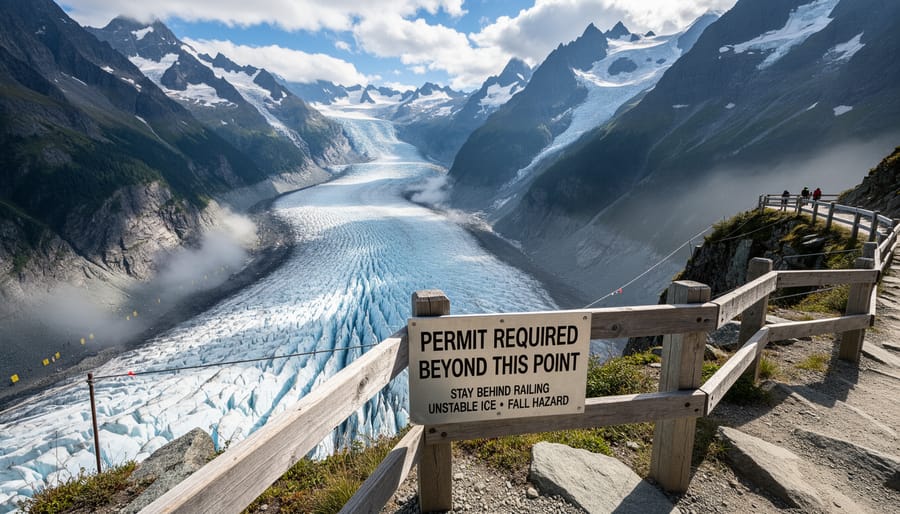
Choosing Your Backcountry Sites and Route
Picking the right campsites and route isn’t just about availability, it shapes your entire trip and influences whether your permit gets approved. Start by studying the park’s official backcountry map and campsite descriptions online. Each site lists mileage, elevation gain, and difficulty ratings, giving you a realistic picture of what you’re committing to.
Match routes to your group’s fitness and experience. First-timers often gravitate toward popular corridors like the Gunsight Pass Trail or Iceberg Lake backcountry zones, where trails are well-maintained and distances manageable (8-12 miles per day). These areas fill up fast during summer, so apply early or build flexibility into your dates. More experienced hikers might explore remote zones along the Continental Divide or northern wilderness areas, where you’ll encounter fewer people but also rougher terrain, stream crossings, and longer water carries.
Elevation matters more than mileage in the Rockies. A 10-mile day with 3,000 feet of climbing exhausts most groups, especially at altitude. Check campsite elevations and calculate your total ascent for each day, frontloading big climbs early in your trip gives you recovery time later.
Site selection directly affects approval odds. Rangers review applications for safety and experience match. Requesting a challenging route with minimal backcountry experience may get flagged or denied. Be honest in your application about skill level, and consider building a progression: start with one moderate night out before tackling multi-day traverses. Having alternate routes ready increases your chances when first-choice sites are booked.
Booking Windows and Reservation Tips
Glacier’s advance reservation window opens in mid-March for the entire summer season, and permits for prime July and August weekends disappear within hours. Set reminders for that opening date and have your trip details ready before you click submit. If you miss the initial rush, check back regularly, cancellations pop up as people’s plans change, especially two weeks before departure when modification fees drop.
Peak season demands flexibility. Build your backcountry permit planning around several date options and multiple route choices. Popular zones like Gunsight Pass or Stoney Indian fill first, but equally stunning alternatives in the North Fork or Two Medicine areas often have availability. The same campground site strategy applies here, less-trafficked zones deliver better odds.
Weekday trips beat weekend competition. If your schedule allows a Sunday, Thursday window instead of Friday, Sunday, you’ll face fewer applicants and enjoy quieter trails. September offers another sweet spot: permit availability improves dramatically after Labour Day while weather often stays cooperative through mid-month.
After You Get Your Permit: Verification and Next Steps
Once your permit arrives, print a physical copy and save a digital backup to your phone, you’ll need to show it at the ranger station before hitting the trail. Review every detail immediately: confirm your exact dates, campsite names, group size, and entry/exit points match your plans. If you spot an error, contact the permit office right away; small mistakes now can derail your entire trip.
You must check in at a ranger station on or before your start date, skipping this step can invalidate your permit. Rangers will review current trail conditions, wildlife activity, bear spray requirements, and any last-minute closures. Ask about water sources, ford crossings, and snow conditions if you’re heading out early or late in the season. They’ll also verify your group size matches the permit and ensure you have proper food storage containers.
Pack your printed permit in a waterproof sleeve along with your photo ID, park pass, and emergency contact information. Bring detailed maps, a compass or GPS, first aid supplies, and enough food for an extra day in case weather delays your exit. If you’re not camping in the backcountry and prefer a base lodge instead, research hotels near Ontario Parks for similar wilderness access with more amenities.
If plans change due to weather, injury, or personal reasons, notify the park immediately, this frees up campsites for other hikers and keeps rescue teams informed of who’s actually on the trail. Most parks allow modifications up to 24 hours before your start date, though fees may apply. Cancellations often require advance notice for partial refunds.
Practice Leave No Trace throughout your trip: pack out all trash including micro-plastics and food scraps, camp only at designated sites, keep noise levels low, and use established fire rings where permitted. Wash dishes and yourself at least 200 feet from water sources using biodegradable soap sparingly. Respect wildlife by storing food properly and never approaching animals for photos. Your permit is a privilege, treat the backcountry with care so others can enjoy it too.
Common Questions About Glacier Backcountry Permits
How much do Glacier backcountry permits cost?
In 2026, permits cost around $7 per person per night, plus a one-time $40 non-refundable reservation fee per trip. Prices can change annually, so check the official Glacier National Park website when you’re ready to book.
Can I get a same-day permit if I didn’t reserve in advance?
Yes, walk-up permits are available on a first-come, first-served basis starting the day before your trip at the Apgar Backcountry Permit Office. Be prepared to be flexible with your route and campsites, as popular areas fill up fast during summer months.
What happens if bad weather forces me to change my route?
If conditions make your planned route unsafe, you can modify your permit at a ranger station or backcountry office, subject to availability. Rangers will work with you to find an alternative, but there’s no guarantee the exact sites you want will be open.
Are permits required year-round?
Yes, backcountry permits are mandatory every season, including winter. However, the reservation system typically closes in late fall, and winter permits are often issued as walk-ups with additional self-rescue and avalanche safety requirements.
Another question that comes up often: can multiple people share a single permit? Not quite. Each person in your group must be listed on the permit by name, and everyone needs to travel and camp together. You can’t split off or add people mid-trip without updating your permit with a ranger.
Some visitors wonder whether they can transfer a permit to someone else if plans fall through. The answer is no, permits aren’t transferable. If you need to cancel, do so as early as possible (the reservation fee isn’t refunded, but you’ll free up the site for others). Last-minute no-shows without canceling can result in fees or restrictions on future bookings.
If you’re bringing kids, good news: children under a certain age sometimes qualify for reduced or waived per-night fees, though they still need to be listed on the permit and the reservation fee still applies. Check current park policies, as age cutoffs can vary.
One edge case worth knowing: if a trail closure or emergency evacuation cuts your trip short, rangers can sometimes issue partial refunds or credit toward future permits. Document the situation and speak with staff when you check out, they’re generally understanding when circumstances are beyond your control.
Securing your Glacier backcountry permit might feel like a lot of steps upfront, but it’s absolutely worth the effort. You’re not just checking a box, you’re gaining access to some of the most stunning wilderness on the continent while helping protect it for future generations. Start your planning early, stay flexible with your dates and routes, and remember that every regulation exists to keep both you and the park safe.
When you combine a properly secured permit with thoughtful site selection and smart route planning, you set yourself up for an incredible backcountry experience. Pack out everything you pack in, respect wildlife corridors, and tread lightly. The backcountry is calling, and with your permit in hand, you’re ready to answer. Get out there and make some memories!

+ There are no comments
Add yours