

Labour union history is the story of ordinary workers banding together to win safer jobs, fair pay, and shorter days, and in Ontario you can walk right through it. It began in the 1800s, when printers, carpenters, and railway workers formed some of the province’s first unions, often at real risk to their livelihoods. The 1872 Toronto printers’ strike, which helped push Canada toward legalizing unions, is a classic example of how much was at stake. Over the decades, the movement grew alongside Ontario’s factories, mines, and mills, shaping everything from the eight-hour day to the weekend.
The best part? This history isn’t locked away in textbooks. It’s alive in restored workplaces, museums, historic neighbourhoods, and memorials scattered across the province, many of them set in beautiful places made for a day out with the family.
Think of this guide as your friendly starting point. We’ll sketch the big moments in plain language, then get practical: the kinds of heritage sites worth visiting, how to plan your trip, a few insider tips, and ways to keep your visit easy on the environment. Bring a curious mind, comfortable walking shoes, and maybe a few questions for the kids. You’ll leave knowing the story behind your own work-life balance.
A Quick Look at How Ontario’s Labour Movement Began

From Craft Guilds to the Nine-Hour Movement
Long before big factories, skilled tradespeople were already banding together. Printers, carpenters, shoemakers and other craftworkers formed local societies to support each other when work dried up, to set fair wages, and to protect the standards of their trades. In growing towns like Toronto and Hamilton, these groups were as much about community as bargaining, a place to share news, help a sick colleague, and talk about what a fair day’s work should look like.
By the early 1870s, one demand was catching on: a nine-hour workday. At the time, ten or more hours was common, and a shorter day sounded almost radical. The push drew crowds to rallies and marches, and it got ordinary people talking about time, rest, and family life. That public attention helped turn a trade-by-trade effort into a broader movement, setting the stage for the 1872 Toronto printers’ strike and the changes that followed.
Factory Floors, Mines, and Mills: Unions Go Industrial
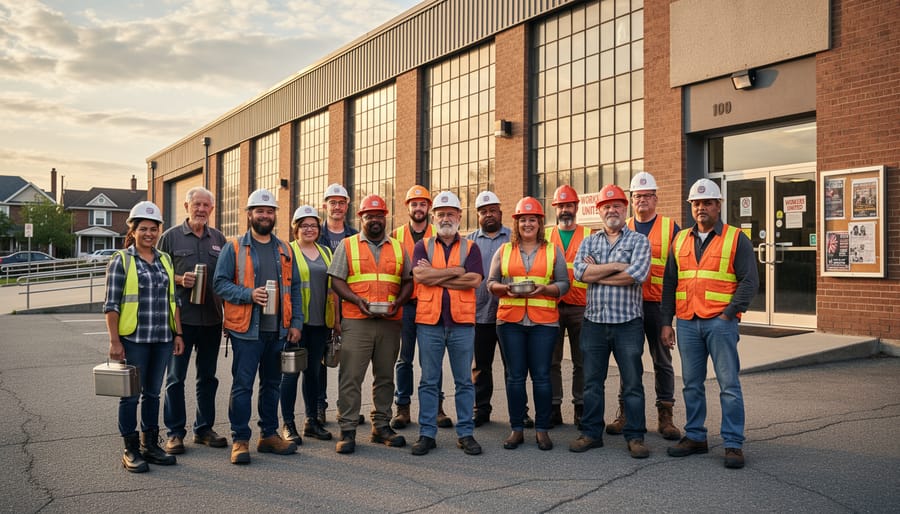
In the 20th century, organizing moved off the craft shop and onto the factory floor. Auto plants, steel mills, mines, and manufacturing lines brought thousands of workers under one roof, and that changed the game. When a whole shift shares the same worries about pay, safety, and hours, it’s easier to stand together and speak with one voice. Industrial unions grew out of that idea, welcoming everyone in a workplace, not just the skilled trades.
You can still feel that story in the places where it happened. Oshawa, Hamilton, Sudbury, and Timmins all carry the legacy in their museums, union halls, and even the shape of their streets. Many of these towns grew up around a single mill or mine, which is a big part of how Ontario’s industrial past lives on today. Strolling through them, you realize the history isn’t far away. It’s in the neighbourhoods, the family stories, and the pride locals still share.
Where You Can Explore Workers’ Heritage in Ontario
Museums and Heritage Centres With Workers’ Stories
Ontario’s workers’ stories live in places that feel more like neighbourhood gathering spots than stuffy halls. Start with the Canadian Labour Hall of Fame, which honours the organizers, negotiators, and everyday heroes who pushed for fairer workplaces. It’s a reminder that this history belongs to people, not just institutions.
In Oshawa, the auto-making past still hums under the surface. Local museums and heritage displays tell the story of the plant floor, the 1937 strike, and the generations of families who built cars and community side by side. You might see worn tools, union buttons, and black-and-white photos of crowds gathered outside the gates. Stand in front of a picket-line photo for a moment and you can almost hear the shouting, the shuffling boots, the clink of lunch pails.
Smaller industrial and heritage museums across the province add texture. Expect the faint smell of old wood and machine oil, the heavy clank of a restored press, and handwritten pay stubs that show what a day’s work really earned. Many of these museums sit alongside other community heritage sites so you can easily stretch a single stop into a whole afternoon of discovery.
Insider tip: ask a volunteer or curator for their favourite local story. They often share details you won’t find on any wall panel. And since hours and exhibits change, check each museum’s website before you go.
Historic Industrial Sites, Mills, and Canal Towns
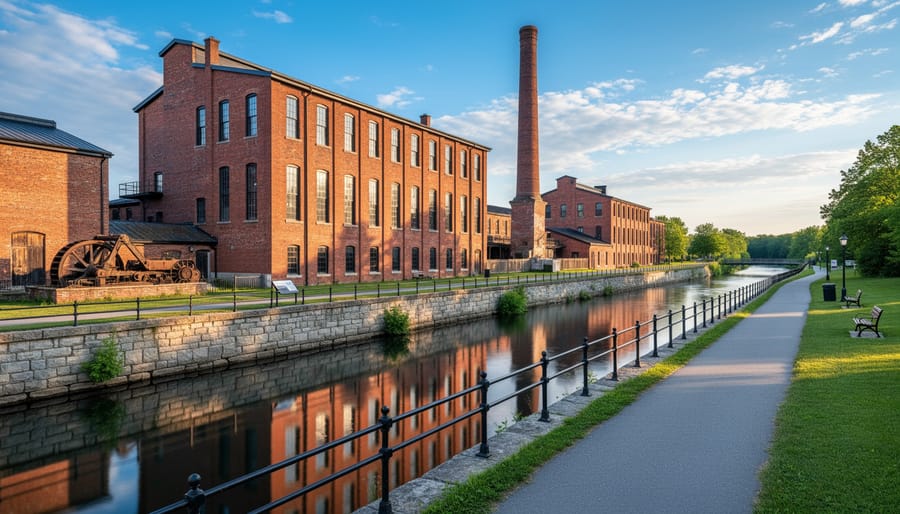
Some of Ontario’s most moving labour history isn’t inside a building at all. It’s in the landscape, in stone locks and quiet mill races that still hold the marks of the people who built them.
Take the Rideau Canal. Completed in 1832, it was dug largely by hand by thousands of labourers, many of them Irish immigrants and local workers, in harsh and often dangerous conditions. Walking the towpath near the Frontenac area, you can run your hand along hand-cut stone and picture the effort behind every block. It’s a humbling thing to stand beside. If you’d like to explore more historic industrial sites across the province, this region is a wonderful place to start.
Historic mills tell a similar story. Old grist and woollen mills in small Ontario towns often sit beside rivers, and many have preserved machinery, millstones, and photographs of the workers who ran them. Up north, mining heritage sites around communities like Cobalt and Timmins show how shafts, headframes, and company towns shaped working life and union organizing in the 20th century.
The best part is how easily these stops pair with time outdoors. Paddle a calm stretch of the canal, hike a nearby provincial park trail, or pick a scenic lock station for a picnic lunch.
Insider tip: early morning light on the stonework is gorgeous for photos, and the crowds are thin. Please confirm hours and seasonal access before you go, and pack out everything you bring in.
Monuments, Plaques, and Walking Tours in the City

Some of the best labour history in Ontario doesn’t sit behind museum doors. It’s out on the sidewalk, tucked into a park corner, or bolted to the side of an old brick building you’ve walked past a dozen times.
Cities like Toronto and Hamilton are full of these quiet reminders. Commemorative plaques mark spots tied to early printers’ organizing and the push for shorter workdays, while memorials honour workers who lost their lives on the job. Many are easy to miss unless you know to look, which is half the fun. Reading a plaque on a downtown street corner, then glancing up at the buildings around you, can make an ordinary block feel like a living storybook.
A self-guided walk is a relaxed way to piece it together. Before heading out, search for provincial and municipal heritage plaque listings, or check local historical society pages and city heritage websites, since some groups offer guided walks and others publish routes you can follow on your own. Programs and routes change, so confirm details before you go.
Insider tip: bring a camera and a paper map or an offline map on your phone. Plaques are often small and weathered, and a quick photo lets you read the full text later over coffee. Take your time, and ask a local shopkeeper or librarian if you spot something interesting, because they often know a neighbourhood story or two.
For an eco-friendly outing, take transit or park once and explore on foot. Most of these stops are free, which makes it an easy, low-cost day out.
Plan a Heritage Day Trip That Pairs History With the Outdoors
Sample Itinerary Ideas
Here are three easy ways to string these stories together, no fixed calendar needed.
City walking day. Start in downtown Toronto or Hamilton with a coffee and a map of commemorative plaques. Wander at your own pace, pausing at memorials that mark labour milestones, and finish with a picnic in a nearby park. It’s low-cost, camera-friendly, and easy to do by transit.
Canal-and-heritage weekend. Base yourself near the Rideau Canal and spend one day paddling or strolling the towpath, thinking about the labourers who built it. On day two, trace some of the region’s historic trade routes and stop at a small local museum.
Small-town industrial loop. Link a few mill towns or mining communities by road, with a museum stop in each. Add a detour to one of Ontario’s heritage farms to see how working life looked outside the factory gates.
Insider tip: confirm hours before you go, and pack a refillable water bottle.
Why This History Is Worth Seeing in Person
Reading about the eight-hour day is one thing. Standing in a restored workplace and picturing the people who fought for it is another. When you visit these places, the weekend, safer workplaces, and fair hours stop being abstract ideas. They become the result of ordinary neighbours, often at real personal risk, deciding to speak up together.
That makes these sites a great fit for families and school groups. Kids tend to connect with the human details: the tools, the photographs, the stories of young workers not much older than themselves. A guided tour or a simple walk with a map can spark real conversations over lunch afterward.
Seeing the history in person leaves you with something a textbook can’t: a sense of place, and a bit of gratitude for the folks who came before.
Frequently Asked Questions About Ontario’s Labour Heritage
When did unions start in Ontario?
Early craft societies of skilled tradespeople were organizing in places like Toronto and Hamilton in the 1800s. The 1872 Toronto printers’ strike for a nine-hour workday is often seen as a turning point, and the story grew from there as industrial unions took hold in the 20th century.
Are labour heritage sites family-friendly?
Most are, especially museums, canal towns and walking routes, since the stories come through objects, photos and the landscape itself. Kids often love seeing old tools, machinery and factory spaces up close.
Are these sites free to visit?
It varies. Plaques, memorials and self-guided walks in cities are usually free, while museums and heritage centres may charge admission. Check the official website before you go for current prices and hours.
Do I need to book ahead?
For a casual museum visit you often don’t, but guided tours, school groups and busier seasons can be a different story. A quick look at the site’s own page or a phone call will tell you whether booking makes sense.
You can also pair a visit with a park trip, and honestly, it’s one of the nicest ways to do it. Spend the morning at a museum or historic site, then head to a nearby trail or picnic spot to stretch your legs. Since exhibits and programming can change, it’s worth confirming details with each site before you build your day around it.
Ontario’s labour union history isn’t just something tucked away in books. It’s out there in canal locks, factory towns, city plaques, and quiet museum halls, waiting for you to wander through. From the printers who pushed for shorter days to the auto workers who stood together in Oshawa, these are everyday people whose choices shaped how we all work today.
So pick one place, maybe a museum, a canal trail, or a downtown walking route, and make a day of it. Pack a water bottle, bring your camera, and see what stories you uncover. Then tell us what you found.











+ There are no comments
Add yours