
Discover Ontario’s groundbreaking initiative in breaking down language barriers through the Municipal Language Access Network, a pioneering program transforming how visitors experience our provincial parks. This innovative system connects multilingual staff, digital translation tools, and cultural interpreters across Ontario’s park network, ensuring every visitor can fully engage with nature’s wonders, regardless of their primary language. From Mandarin-speaking guides at popular trails to Arabic signage at visitor centers, the network represents a vital step toward truly inclusive outdoor spaces. By seamlessly integrating real-time translation services with traditional park operations, Ontario Parks demonstrates its commitment to making wilderness adventures accessible to global communities while preserving the authentic natural experience that makes our parks special. Whether you’re planning a family camping trip or a solo hiking adventure, this comprehensive language support system ensures you’ll never miss out on crucial safety information or enriching educational programs.
Breaking Down Language Barriers in Ontario’s Great Outdoors
What is the Municipal Language Access Network?
The Municipal Language Access Network is a collaborative initiative designed to make Ontario’s parks and outdoor spaces more welcoming and accessible to visitors from diverse linguistic backgrounds. This innovative program connects parks staff with real-time language interpretation services, ensuring that everyone can fully enjoy and safely navigate our beautiful provincial parks, regardless of the language they speak.
Operating through a combination of digital technology and trained interpreters, the network provides support in over 200 languages, including Indigenous languages. Park visitors can request language assistance at visitor centers, campground offices, and other key locations throughout the parks. Whether you need help understanding trail maps, booking a campsite, or learning about park rules and safety guidelines, friendly staff can connect you with an interpreter in minutes.
The network also maintains a digital library of translated materials, from basic park information to detailed guides about local flora and fauna. This resource helps ensure consistent, accurate communication while preserving the natural and cultural heritage information that makes each park unique. Best of all, this service is provided free of charge to park visitors, reflecting Ontario Parks’ commitment to inclusive outdoor experiences for all.
Partner Organizations and Community Involvement
The Municipal Language Access Network thrives through partnerships with local cultural organizations, settlement agencies, and community groups. Key collaborators include the Ontario Immigration Network, local libraries, and multicultural centers across the province. These partners help identify language needs, provide translation services, and organize cultural awareness events in our parks and recreational facilities.
Community ambassadors play a vital role by volunteering their time to welcome newcomers and assist with language support during park programs. Regular “Language Exchange Days” in parks bring together native speakers and language learners, creating opportunities for cultural exchange while enjoying Ontario’s natural spaces. Local businesses also contribute by offering multilingual signage and participating in inclusive tourism initiatives.
Through these collaborative efforts, we’re building a more welcoming and accessible outdoor recreation experience for everyone who calls Ontario home.
Multilingual Services at Your Favorite Parks

Trail Guides and Safety Information
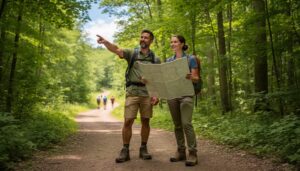
Ontario’s trail network becomes more accessible than ever with multilingual trail guides and safety information available through the Municipal Language Access Network. Visitors can now access detailed trail maps, difficulty ratings, and essential safety guidelines in over 12 languages, ensuring everyone can explore Ontario’s natural wonders with confidence.
These translated materials include comprehensive emergency protocols, wildlife safety tips, and seasonal advisories. Whether you’re a seasoned hiker or first-time visitor, you’ll find clearly marked trail markers with universal symbols complementing the written information. Local rangers have noted that these accessible guides have significantly improved visitor experiences and safety awareness.
Particularly helpful are the QR codes posted at trailheads, linking directly to mobile-friendly versions of safety information in your preferred language. The guides also feature culturally-relevant nature interpretation, helping international visitors better understand and connect with Ontario’s unique ecosystems.
Remember to download your preferred language guide before heading out, as some remote trails may have limited cellular coverage. These resources are regularly updated to reflect current trail conditions and seasonal changes.
Interpretive Programs and Cultural Events
The Municipal Language Access Network brings Ontario’s natural heritage to life through diverse multilingual programs and cultural celebrations. Whether you want to experience Ontario’s parks like a local or connect with fellow nature enthusiasts from around the world, there’s something for everyone.
Join guided nature walks in multiple languages, where knowledgeable interpreters share fascinating stories about local flora, fauna, and indigenous heritage. During peak seasons, popular parks offer educational programs in languages like Mandarin, Spanish, French, and Arabic, making the wilderness accessible to diverse communities.
Cultural festivals throughout the year celebrate the multicultural fabric of Ontario, featuring traditional performances, storytelling sessions, and hands-on workshops. Kids particularly love the junior naturalist programs, where they can learn about environmental conservation in their preferred language while making new friends from different cultural backgrounds.
These inclusive programs help break down language barriers and create meaningful connections between visitors and Ontario’s natural wonders, ensuring everyone can fully appreciate and learn about our province’s remarkable ecosystems.

Digital Resources and Mobile Apps
Ontario Parks has embraced smart technology solutions to break down language barriers and make our parks more welcoming for everyone. Our mobile app, available in 12 languages, puts trail information, park maps, and emergency contacts right at your fingertips. Visitors can access real-time translation services through our virtual interpreter platform, which connects you with professional interpreters via video chat or phone within seconds.
We’ve also installed digital information kiosks at major park entrances, featuring touchscreens with multilingual content about park facilities, wildlife safety, and upcoming events. For those planning ahead, our website’s language toggle feature makes it easy to access essential information before your visit. Don’t forget to download our offline language packs – they’re perfect for areas with limited cell service!
Real Stories: Making Nature Accessible for Everyone
From Newcomers to Nature Enthusiasts
Meet Maria, who moved to Ontario from Venezuela last year. Initially hesitant to explore provincial parks due to language barriers, she discovered the multilingual guides and interpreters available through the Municipal Language Access Network. “Having information in Spanish helped me understand trail safety and local wildlife. Now I lead hiking groups for other Spanish-speaking newcomers!” she shares enthusiastically.
Similar success stories come from the Liu family, who arrived from China and were delighted to find Mandarin-speaking park staff at their local conservation area. “We learned about native plants and even joined a birdwatching program. The translated materials made us feel welcome and confident,” says Mr. Liu.
The network has also helped Fatima, a Syrian refugee, introduce her children to Ontario’s natural heritage. Through Arabic-language nature programs, her family has learned about camping basics, local ecosystems, and environmental stewardship. “My children now teach their schoolmates about protecting nature,” she beams. “These programs have helped us feel truly at home in Canada’s outdoors.”

Park Staff Perspectives
Park rangers and staff across Ontario’s parks have embraced the language access network with enthusiasm, noting significant improvements in visitor interactions and safety. “It’s been transformative for our daily operations,” shares Maria Chen, a senior park interpreter at Algonquin Provincial Park. “We can now confidently assist visitors from diverse backgrounds, making their experience more enriching and safe.”
Rangers report that emergency response times have improved, as they can quickly access translation services when needed. “Last summer, we helped a family from Korea who encountered a bear on the trail,” recalls Park Ranger James Thompson. “The language network allowed us to provide clear safety instructions and reassurance in their native language.”
Staff members have also noticed increased participation in educational programs and guided tours. “Visitors who previously hesitated to join activities due to language barriers are now actively engaging,” notes Sarah Martinez, an outreach coordinator. “It’s wonderful to see everyone feeling included and getting the full park experience, regardless of the language they speak.”
Planning Your Multilingual Park Visit
How to Access Language Services
Accessing language services in Ontario’s municipal facilities is straightforward and visitor-friendly. Start by visiting your local community center or municipal office and look for the universal language assistance symbol (featuring a speech bubble). At the front desk, request language support in your preferred language – you can point to the available languages displayed on the language identification card if needed.
For phone services, dial 311 and say “language services” or your preferred language. An interpreter will join the call within minutes. If you’re planning ahead, you can schedule interpretation services online through your municipality’s website at least 48 hours in advance.
Remember that these services are free of charge for essential municipal services. Many facilities also offer written translations of key documents and forms – just ask the staff for translated versions in your language. For emergencies, always dial 911, where multilingual support is available 24/7.
Pro tip: Download your municipality’s language access app for instant translation services right on your smartphone!
Tips for Group Visits
Planning a group visit? Make your experience smoother by booking language services at least two weeks in advance. For larger groups, consider appointing language ambassadors who can help bridge communication gaps. These volunteers can assist with basic translations and help group members navigate essential services.
Request park maps and information materials in your preferred languages before arrival. Many visitor centers now offer multilingual audio guides and printed materials in common languages. For school groups, educational programs can often be arranged with bilingual interpreters.
Don’t forget to inform the park staff about any specific language needs during registration. This helps them prepare appropriate resources and ensure the right staff members are available during your visit. Consider scheduling your visit during cultural celebration days when additional language support is typically available.
For international groups, we recommend connecting with local cultural organizations that can provide volunteer interpreters for special occasions. Remember to keep your group together and use clear meeting points to avoid communication challenges during activities.
As we look to the future of Ontario’s parks and recreational spaces, the Municipal Language Access Network stands as a shining example of how we can make nature truly accessible to everyone. By breaking down language barriers, we’re not just providing translations – we’re opening doors to new experiences, fostering deeper connections with nature, and building more inclusive communities.
The program continues to evolve, with plans to expand language services to include more of Ontario’s diverse linguistic communities. Digital innovations, like multilingual virtual guides and interactive maps, are on the horizon, promising to make our natural spaces even more welcoming and navigable for visitors from all backgrounds.
Remember, whether you’re a first-time visitor or a seasoned nature enthusiast, everyone deserves to experience the wonder of Ontario’s natural heritage. Through continued community feedback and collaboration, the Municipal Language Access Network is committed to ensuring that language never stands between you and your next great outdoor adventure.
So come explore, learn, and connect with nature in your preferred language. After all, the beauty of our parks speaks to everyone – now we’re making sure everyone can speak back.





+ There are no comments
Add yours