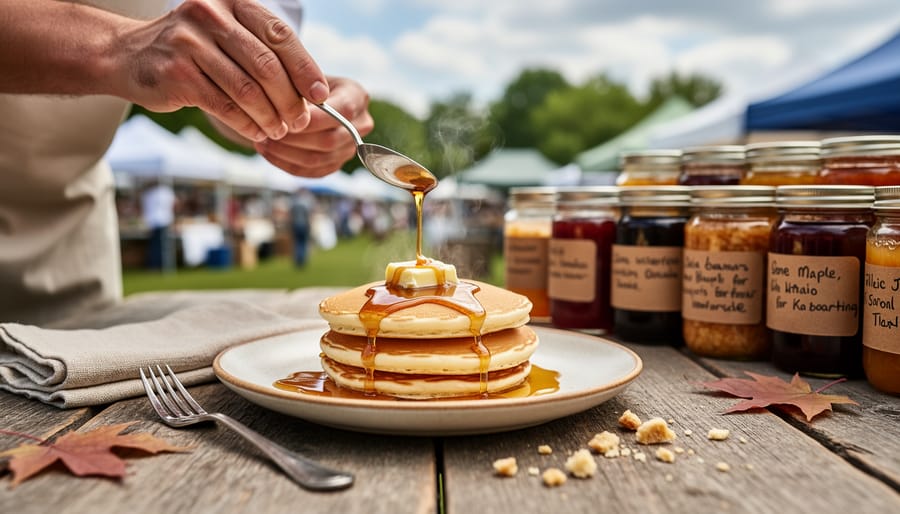
Culinary arts is the creative craft of preparing, cooking, and presenting food with skill, intention, and cultural awareness. In Ontario’s thriving local craft tourism scene, it’s become more than restaurant fare or culinary school training. You’ll encounter it at farmers’ markets where chefs demonstrate heritage preservation techniques, in provincial parks where foraging workshops turn wild ingredients into memorable meals, and at outdoor festivals where artisan bakers and cheesemakers share generations of knowledge over tasting tables.
This hands-on approach transforms culinary arts from abstract concept into lived experience. When you watch a preserves maker layer seasonal fruit into jars at a Muskoka market, or join a maple syrup producer tapping sugar maples in early spring, you’re witnessing the same principles taught in formal kitchens: technique, timing, respect for ingredients, and the story behind every bite.
What makes Ontario particularly compelling for discovering culinary arts is how deeply it connects to place. The province’s diverse landscapes produce distinct flavors and traditions. Niagara’s orchards inspire fruit-forward pastries. Georgian Bay’s waters yield smoked fish recipes passed down through generations. The Shield’s wild mushrooms and berries appear in Indigenous-led cooking classes that blend ancestral knowledge with contemporary preparation.
You don’t need formal training to appreciate or participate in culinary arts here. The barrier to entry is simply curiosity and a willingness to taste, ask questions, and try your hand at something new. Whether you’re planning a weekend road trip or mapping out summer adventures for 2026, Ontario’s culinary craft experiences offer an accessible way to understand how food becomes art and how that art shapes the communities who practice it.
What Culinary Arts Really Means (Beyond the Kitchen)
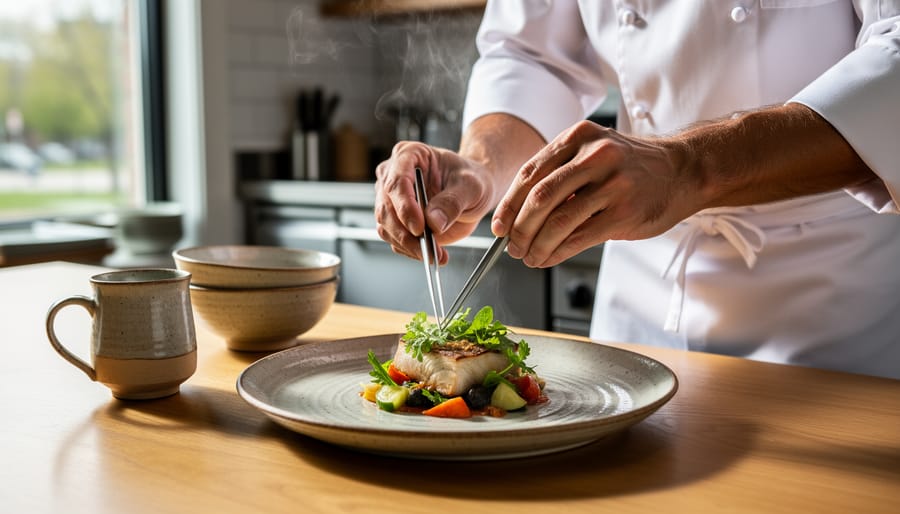
Culinary arts is more than following recipes or plating food, it’s the deliberate practice of transforming raw ingredients into experiences that engage all the senses. At its heart, it combines fundamental cooking techniques (like roasting, braising, grilling, and fermenting) with an understanding of how flavors interact, how textures contrast, and how presentation tells a story. Think of it as equal parts science and art: you’re applying heat and chemistry while making choices about color, arrangement, and timing that reflect personality and place.
In Ontario, this craft isn’t confined to professional kitchens. The province’s farm-to-table movement has brought culinary arts into fields, forests, and lakesides, where the connection between ingredient and environment is immediate. When you join a foraging walk at Algonquin Provincial Park and later watch those wild mushrooms roasted over an open fire, you’re witnessing culinary arts in action. The same principles a chef uses in Toronto apply at a campsite in Killarney: understanding when wood smoke enhances flavor versus overwhelming it, knowing which herbs cut through the richness of freshly caught fish, recognizing that timing matters whether you’re searing on cast iron or a camp grill.
Cultural storytelling threads through all of this. A butter tart isn’t just pastry and filling; it carries generations of Ontario baking tradition. Preparing bannock by a campfire connects to Indigenous culinary heritage. Preserving local strawberries in June honors the province’s short growing season and the value of not wasting abundance. These acts of cooking, whether elaborate or simple, become ways of understanding where you are and who came before. That’s why culinary arts resonates beyond technique: it roots you in a place and its people through the universal language of food.
How Artisanal Crafts Shape Ontario’s Food Culture
Pottery and Tableware
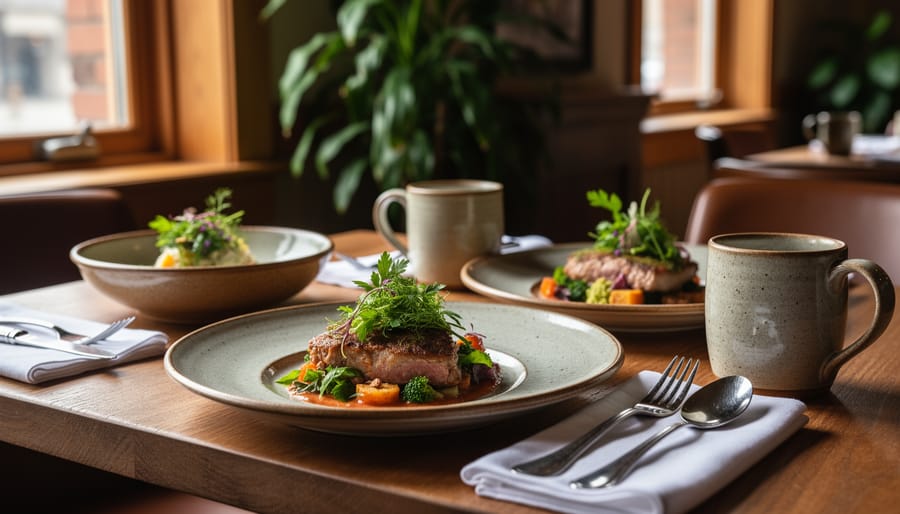
Ontario’s ceramicists shape more than clay, they create vessels that tell stories. When you dine at a lodge in Muskoka or a farmhouse bistro near Prince Edward County, those rustic stoneware plates and hand-thrown bowls often come from local studios where potters throw, glaze, and fire each piece individually. This isn’t mass production; it’s functional art that carries the maker’s fingerprints.
Handmade tableware transforms how food looks and feels. A perfectly imperfect rim, earthy glaze variations, and organic shapes make even simple dishes feel special. Many Ontario ceramicists draw inspiration from revivalism art reimagining traditional forms with contemporary sensibility. When chefs plate wild mushrooms on pottery fired with local clay, diners taste a deeper connection to the landscape, the same soil nourishing both ingredients and materials.
You’ll find these pieces at studio sales near provincial parks, craft markets in small towns, and increasingly, available for purchase directly from the restaurants that use them.
Woodcraft and Culinary Tools
Ontario’s hardwood forests have given rise to a thriving community of woodworkers who craft culinary tools that last generations. Maple and cherry wood cutting boards from Muskoka and Prince Edward County studios showcase the grain patterns unique to each tree, doubling as serving platters for charcuterie spreads at lakeside cottages. Hand-carved wooden spoons, spatulas, and salad servers made from sustainably harvested timber bring warmth to everyday cooking while supporting local forestry practices.
You’ll find these pieces at weekend markets near Algonquin Park and along the Bruce Peninsula, where artisans often demonstrate their carving techniques. Many woodworkers offer custom work, letting you choose the wood species and size that fits your kitchen. Unlike mass-produced alternatives, these tools develop a rich patina over years of use, each scratch and oil stain telling the story of meals prepared and shared.
Textile Arts: From Foraging Bags to Linens
Woven textiles bring warmth and texture to Ontario’s culinary experiences, turning practical necessities into art. Linen napkins made by regional weavers grace tables at farm stays and outdoor dining events, their natural fibers connecting diners to the landscape. Hand-stitched aprons protect chefs at harvest dinners and cooking classes while showcasing traditional needlework patterns passed down through generations.
Foraged-food enthusiasts carry willow and reed baskets crafted by Indigenous artisans and local basket weavers, perfect for collecting ramps, berries, and mushrooms during guided foraging walks at provincial parks. These gathering baskets double as beautiful serving vessels at rustic farm dinners.
Cotton dish towels embroidered with native plant motifs and heavy canvas tote bags for farmers’ market hauls blend utility with storytelling. Look for these textiles at studio sales near Muskoka and Prince Edward County, where makers often demonstrate weaving techniques. Choosing handmade linens supports Ontario’s textile tradition while adding character to your own outdoor cooking adventures.
Where to Experience This Fusion While Exploring Ontario
Provincial Parks and Outdoor Cooking Workshops
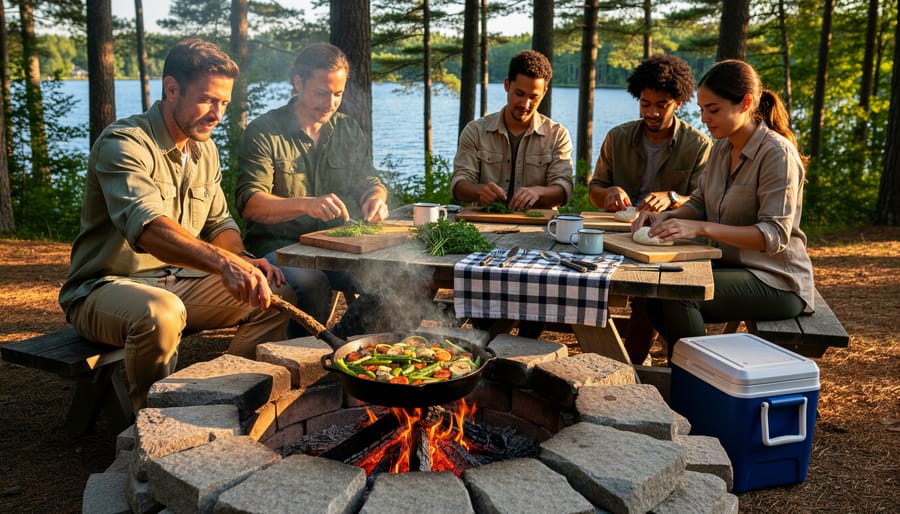
Several Ontario provincial parks run seasonal culinary programs that blend outdoor adventure with hands-on food skills. Algonquin Park hosts weekend campfire-cooking workshops where instructors teach open-flame techniques using cast-iron cookware and locally sourced ingredients. Participants learn to prepare bannock, trout, and foraged greens while camping under the stars.
Killarney Provincial Park offers summer artisan demonstrations pairing regional potters and woodworkers with chefs who showcase how handmade tools enhance outdoor meal preparation. These sessions typically run Saturday afternoons and require advance registration through Ontario Parks’ website.
For multi-day experiences, consider booking a backcountry canoe trip with an outdoor feast partner who provides chef-prepared meals served on locally crafted tableware at remote campsites.
Planning tips: Book workshops two months ahead during peak season (June through September). Bring your own apron and note-taking materials. Most programs supply ingredients and equipment, but confirm what’s included when registering. Check individual park websites for accessibility accommodations and family-friendly session times.
Artisan Markets and Food Trails
Ontario’s artisan markets and food trails offer one of the most accessible ways to experience the culinary-craft connection firsthand. The province’s farmers’ markets, held weekly from May through October in communities like Ottawa, Kingston, and Thunder Bay, bring together ceramic artists selling handmade serving bowls alongside farmers offering heirloom tomatoes and fresh herbs. These markets create spontaneous collaborations: a cheesemaker might partner with a local potter to display aged cheddar on custom-designed boards, or a baker works with a weaver to present sourdough loaves in linen-lined baskets.
Regional food trails such as the Kawartha Lakes Culinary Trail and Taste the County in Prince Edward County link farm stands, wineries, craft studios, and restaurants into day-long routes. Many trails provide downloadable maps and offer seasonal tours that include cooking demonstrations using locally made tools. Studio tours during fall harvest season let visitors watch potters throw clay while sampling preserves from nearby orchards.
For sustainable exploration, travel with reusable containers for market purchases and pack eco-friendly gear like cloth shopping bags and stainless steel water bottles to reduce waste while supporting local makers.
Farm Stays and Culinary Lodges
Ontario’s farm stays and culinary lodges offer immersive experiences where locally sourced meals and artisan-made objects create a complete sensory escape. At properties like The Millcroft Inn in Caledon or Stone Mill Inn near Elora, you’ll find dinners plated on pottery thrown by regional ceramicists, paired with foraged ingredients the chef gathered that morning. Many lodges run weekend workshops teaching bread-making, preserving, or wild edible identification, often concluding with a communal meal around handcrafted wooden tables.
Farm stays near Algonquin Park and Prince Edward County combine comfortable accommodation with working landscapes, guests collect eggs, pick herbs, and learn cheesemaking before enjoying the results at dinner. Some properties provide adventure gear for exploring surrounding trails between cooking sessions. Book directly with hosts to learn about seasonal programming; spring brings maple syrup workshops, while autumn focuses on harvest preservation. Most lodges require advance reservations, especially for hands-on culinary weekends, and many offer midweek rates that make extended stays affordable for those wanting deeper involvement in farm rhythms and kitchen traditions.
Learning Culinary Arts Through Ontario’s Craft Community
Learning culinary arts in Ontario doesn’t require formal culinary school enrollment. The province’s artisan community offers accessible, hands-on learning opportunities that connect food preparation with traditional craft values.
Weekend workshops represent the most popular entry point. Studios and culinary schools across Ontario run two-to-four-hour sessions covering specific skills: bread baking, knife techniques, pasta making, or preserving. These condensed formats work well for visitors on weekend trips or residents testing interest before committing to longer programs. Expect small groups of eight to twelve participants, direct instructor interaction, and the chance to take home what you’ve made. Most workshops cost between seventy and one hundred fifty dollars and require no prior experience.
Multi-day intensives provide deeper skill development. Programs running three to five consecutive days allow participants to build technique progressively. A three-day cheesemaking course, for instance, walks students through cultures and aging processes impossible to cover in single sessions. Farm stays and culinary lodges frequently host these formats, combining instruction with accommodation and meals. Participants leave with recipes, confidence, and often connections to suppliers for specialty ingredients.
Mentorship programs pair learners with working artisans and chefs for extended periods. These arrangements vary widely but typically involve weekly sessions over several months where you assist with production, ask questions, and gradually take on more complex tasks. The relationships often develop through craft guilds, farmers’ market conversations, or community kitchen spaces. While less structured than formal classes, mentorships offer personalized guidance and real-world context that accelerates learning.
Community kitchens and maker spaces provide ongoing practice environments. Monthly memberships grant access to professional equipment and peer learning communities where experienced cooks share techniques informally. This model suits people wanting regular practice without the commitment of enrollment or the isolation of cooking alone at home.
The Environmental Connection: Sustainability in Culinary Arts and Craft
Ontario’s culinary artists and craft makers have woven environmental stewardship into their daily practice, creating a model that visitors can observe and bring home. Walk through a provincial park farmers market and you’ll see this philosophy in action: chefs buying directly from growers within a fifty-kilometer radius, potters forming plates from locally dug clay, woodworkers transforming salvaged logs into cutting boards rather than letting them become landfill.
The shared commitment runs deeper than buzzwords. Many restaurants partnering with artisans have eliminated single-use items entirely, serving meals on durable handmade ceramics that last decades. Craft studios near popular outdoor destinations operate zero-waste workshops, where wood shavings become compost, fabric scraps turn into pot holders, and broken pottery gets ground into new clay bodies.
Local sourcing cuts transportation emissions while strengthening regional economies. When a lodge in Muskoka serves lake trout on plates made by a ceramicist twenty minutes away, using cutlery from a blacksmith down the road, your meal carries a smaller carbon footprint than conventionally sourced alternatives. The transparency matters too. You can often meet the maker, tour the studio, and understand exactly how your plate or bowl came into existence.
Visitors support these practices simply by choosing experiences that prioritize them. Book accommodations advertising farm-to-table partnerships with named local producers. Shop at markets where vendors explain their materials and methods. Attend workshops teaching preservation techniques like canning and fermentation, which reduce food waste year-round. Bring reusable containers when visiting food vendors, and purchase durable craft pieces that replace disposable kitchen items at home. These small choices, multiplied across thousands of visitors, reinforce the economic viability of sustainable practices across Ontario’s culinary and artisan communities.
Common Questions About Exploring Culinary Arts in Ontario
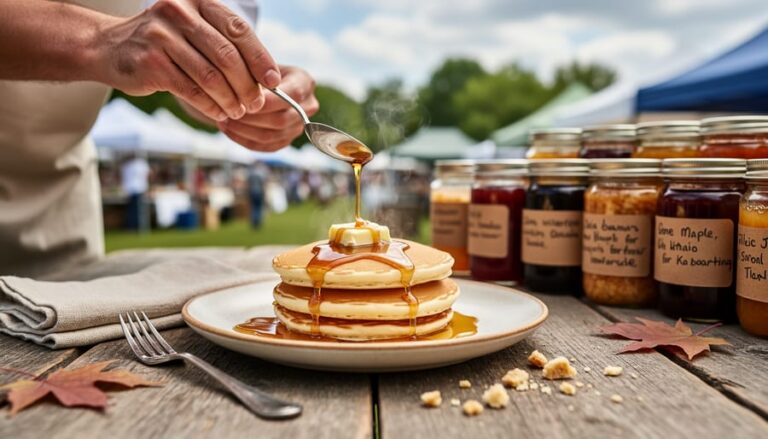
Visitors often wonder how to navigate Ontario’s culinary arts scene without formal training or a large budget. Most workshops and experiences welcome beginners, and you’ll find options at every price point. Planning ahead helps, especially for seasonal markets and park programs that fill quickly in summer and fall. Families can participate together in many activities, from maple syrup tastings to pottery demonstrations at craft studios near popular parks.
Do I need cooking experience to join a workshop?
No. Most culinary workshops in Ontario cater to beginners and focus on hands-on learning with step-by-step guidance. Instructors at provincial parks and farm stays design sessions for first-timers.
What’s the best season to visit culinary craft markets?
Late spring through early fall offers the most variety, with farmers markets and outdoor craft fairs running weekly. Many artisans also open their studios for holiday markets in November and December.
Are these experiences family-friendly?
Yes. Many parks and farms offer activities designed for children, including simple cooking projects and craft demonstrations that engage all ages.
How much should I budget for a culinary-craft trip?
A day trip to a market or park workshop typically costs between $20 and $60 per person. Multi-day farm stays with meals and classes range from $150 to $300 per night depending on the season and location.
Timing matters for certain experiences. Spring brings maple syrup season and pottery kiln openings, while autumn harvest festivals showcase preserving techniques and wood-fired cooking. Book accommodations at culinary lodges several months ahead for peak foliage weekends. Winter offers quieter studio tours and indoor cooking classes, often at lower rates. Check individual park websites for program schedules, since many culinary workshops require advance registration and have limited spots.









+ There are no comments
Add yours