
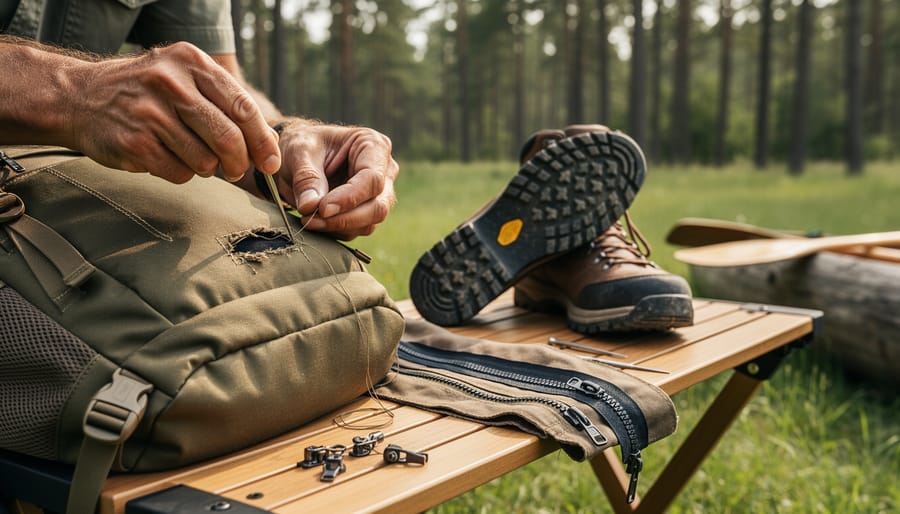
Your favourite pack just ripped on the trail, your tent zipper gave out after years of canoe trips, or your trusty hiking boots are finally showing their age. Before you toss that gear in the trash and empty your wallet on replacements, know this: Ontario has a thriving network of skilled repair specialists who can breathe new life into nearly any piece of outdoor equipment, often for a fraction of replacement cost. From tent and shelter repairs to technical climbing gear recertification, backpack stitching to sleeping bag insulation restoration, footwear resoling to paddle and watercraft fixes, the province offers repair services that keep you adventuring longer and lighter on the planet.
Repairing outdoor gear instead of replacing it does three powerful things. First, it saves you serious money. A professional tent zipper replacement might run $30-60, while a new tent costs hundreds. Second, it reduces waste. The outdoor industry produces mountains of functional gear that ends up in landfills simply because of fixable damage. Third, repaired gear carries your stories. That patched jacket or resoled boot has earned its wear, and there’s something deeply satisfying about extending the life of equipment that’s kept you warm, dry, and safe through countless adventures, whether you’re planning an adaptive quad adventure or a backcountry canoe trip.
This guide walks you through seven essential categories of outdoor gear repair services available across Ontario in 2026, helping you match your damaged equipment to the right specialist, understand what’s worth fixing versus replacing, and discover both DIY solutions and trusted professional providers who’ll get your gear trail-ready again.
Why Repair Instead of Replace? The Case for Fixing Your Gear
Replacing perfectly repairable gear drains your wallet faster than a leaky hydration bladder. A new technical backpack can easily run $300-$500, while fixing a torn shoulder strap or replacing a broken buckle typically costs $25-$60. The same logic applies across categories: resoling quality hiking boots costs a third of buying new ones, and a tent zipper replacement is far cheaper than shelling out for an entirely new shelter. Over a season or two, those savings add up to enough for an extra camping trip or a gear upgrade that actually matters.
The environmental case is equally compelling. Manufacturing new outdoor gear requires significant energy, raw materials, and water, then ships those products halfway around the world. Every repaired jacket, patched tent, or resoled boot is one less item heading to a landfill and one less new product demanding resources. Ontario’s outdoor community has embraced this mindset, understanding that caring for gear honors both the equipment and the wild places we explore.
I learned this lesson the hard way with my first expedition pack. After five seasons, the hip belt padding had compressed and one side panel showed serious wear. I almost replaced it, but a local repair shop re-padded the belt, reinforced the panel, and replaced the sternum strap for under $80. That pack is still going strong eight years later, carrying me through the Algonquin backcountry and countless weekend trips. It fits perfectly, holds memories from dozens of adventures, and performs better than most new packs I’ve tested.
Proper maintenance extends this even further. Cleaning gear after trips, storing it dry, and addressing small issues before they become major failures can double or triple equipment lifespan. A quick seam seal today prevents a catastrophic tent failure during next summer’s canoe trip.
How We Chose These Repair Services
We built this list by talking to gear-heads, combing through reviews, and evaluating repair providers across Ontario using criteria that matter when you’re trusting someone with your favorite pack or tent. Every service featured here earned its spot through a combination of proven expertise and real-world results.
Here’s what we looked for:
- Strong reputation backed by verified customer reviews and word-of-mouth recommendations from the outdoor community
- Comprehensive range of services covering multiple gear types or deep specialist knowledge in one category
- Geographic accessibility, whether through physical locations across Ontario or reliable mail-in options
- Reasonable turnaround times that get you back on the trail without endless waiting
- Clear warranty or satisfaction guarantees that show confidence in the work
- Demonstrated technical expertise, especially for safety-critical equipment repairs
The services span from Toronto and Ottawa to smaller communities and northern regions, so whether you’re urban-based or rural, you’ll find options that work. Some specialize in one gear category with surgical precision, while others offer broader capabilities under one roof. What they all share is a commitment to keeping your equipment functional, safe, and trail-ready season after season.
1. Tent and Shelter Specialists, Mending Your Base Camp
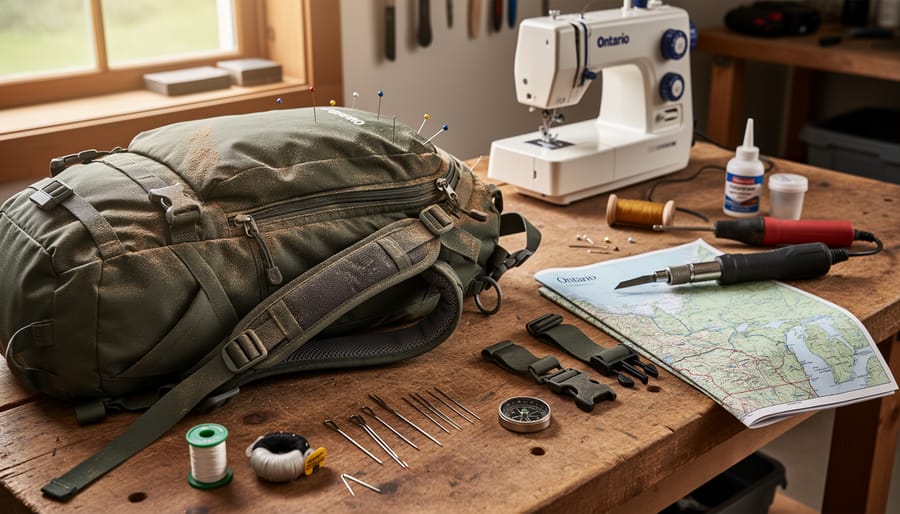
Your tent is your sanctuary in the backcountry, and when a zipper fails or a seam starts leaking, you don’t always need to buy new. Tent and shelter specialists across Ontario can breathe new life into damaged fabric homes, often for a fraction of replacement cost.
These repair pros handle the most common tent ailments with practiced ease. Stuck or broken zippers are typically replaced for $30 to $60, depending on length and complexity. Torn mesh panels and fly fabric get patched with matching material, maintaining both function and weather resistance. Pole splicing repairs bent or cracked aluminum sections using ferrules or sleeve splints, usually running $15 to $40 per pole. Waterproofing services restore a tent’s rain-shedding ability through seam sealing and fresh coatings, generally costing $40 to $80 for a standard backpacking tent.
Turnaround times vary by season. Expect one to three weeks during shoulder seasons, but possibly longer in spring when everyone’s prepping for summer trips. Most shops offer rush service for an additional fee if you’ve got a camping trip looming.
I once thought my 12-year-old three-season tent was done after a windstorm shredded two panels and cracked a pole. A Toronto repair specialist patched the tears so seamlessly I had to squint to find them, spliced the pole, and resealed every seam for under $120. That tent served me another five years before I finally retired it, having long since paid for that repair many times over.
The insider rule? If the tent’s structural integrity is solid and you love the fit, repair it. Replace only when the fabric is truly worn through in multiple spots or the frame is beyond salvaging.
2. Backpack and Pack Repair Pros, Saving Your Trusty Carry
A good backpack becomes an extension of your body on the trail, which is why a blown buckle or frayed strap feels so devastating. Before you toss that trusty pack, know that repair specialists across Ontario can restore it to full function, often for a fraction of replacement cost.
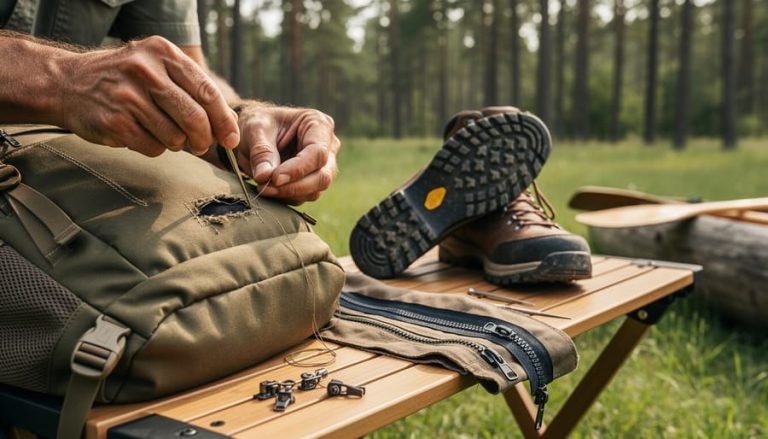
Backpack repair pros tackle everything from torn shoulder straps and blown-out stitching to broken frames and destroyed hip belt webbing. They’ll replace snapped buckles (the exact model, not a close-enough substitute), re-stitch stress points where seams have pulled apart, patch fabric tears using color-matched material, and even rebuild or replace internal frames. For packs with sentimental value or discontinued models you can’t find anymore, these repairs are game-changers.
Here’s the deciding factor between DIY and professional help: simple buckle swaps and minor stitching on non-load-bearing areas are weekend-project territory if you’ve got basic sewing skills. But anything involving the suspension system, frame contact points, or heavy-duty bar-tacking should go to a pro. I learned this the hard way when my amateur hip belt repair failed spectacularly halfway up the Crack in Killarney.
Quality packs from reputable makers are built to be repaired. With proper care and timely fixes, a well-constructed pack can serve you for twenty years or more. Clean it after muddy trips, store it loosely packed in a dry spot, and address small issues before they cascade into major damage.
3. Sleeping Bag and Insulation Experts, Restoring Warmth
A sleeping bag that’s lost loft or a down jacket with a torn baffle doesn’t have to retire early. Specialized insulation repair services can bring these critical warmth layers back to life, often at a fraction of replacement cost.
Reputable repair shops tackle common issues like re-stuffing compressed down fill, repairing separated baffles that let insulation migrate, replacing broken or jammed zippers, and patching torn shells. Down re-stuffing is particularly valuable for older bags that have compacted over years of use but still feature quality construction and fabrics. A skilled technician can restore lost loft by adding premium fill matched to your bag’s original rating. Shell repairs and baffle stitching prevent further fill loss and extend the useful life of your investment.
Zipper replacement transforms a frustrating sleeping bag back into reliable shelter. Whether it’s a stuck two-way zipper or broken teeth, swapping in new hardware runs about $40 to $80 depending on length and type, far less than buying new.
From an environmental standpoint, keeping down and synthetic insulation out of landfills matters. Quality sleeping bags and jackets contain materials that took significant resources to produce, and many feature ethically-sourced down. Repairing rather than discarding reduces waste and honors that initial resource investment.
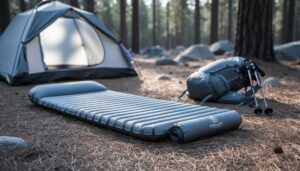
One insider tip: store your bags and insulated jackets loosely in large cotton or mesh storage sacks, never compressed in stuff sacks long-term. Constant compression crushes loft permanently, creating repair needs that proper storage would have prevented. A little care between trips keeps warmth where it belongs.
4. Footwear Cobblers, Giving Your Hiking Boots New Life
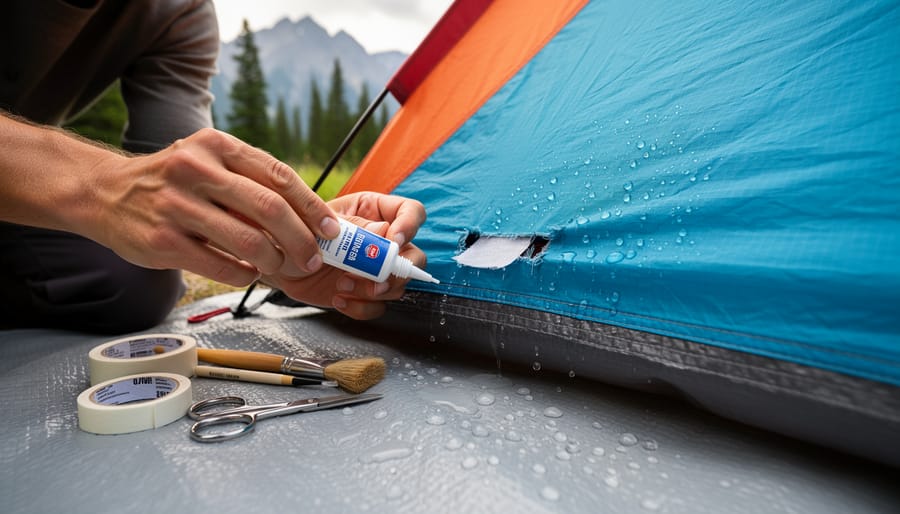
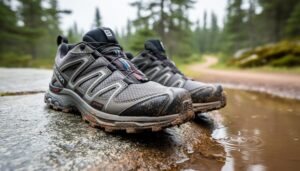
Quality hiking boots aren’t cheap, but a good pair can last 15 years or more with professional care. Footwear repair specialists across Ontario bring worn-out boots back to trail-ready condition through resoling, stitching repairs, waterproofing treatments, and hardware replacement.
Resoling is the most common service. When your tread wears smooth or the midsole compresses, a skilled cobbler can replace the entire sole unit, restoring grip and support. Expect to pay $80-$150 for a full resole, depending on the boot construction and materials. Vibram soles are widely available, and many shops can match or upgrade your original tread pattern.
Stitching repairs address split seams, torn uppers, and separated rand attachments before small problems become catastrophic failures. Waterproofing treatments renew dried-out leather and restore breathable membrane function. Lace hooks, D-rings, and eyelets can be replaced individually when they pull out or corrode.
Here’s the insider tip: boots are worth resoling when they fit you perfectly and feature quality construction like stitched (not just glued) soles, full-grain leather uppers, and a shank for support. If your boots required a break-in period and now feel like extensions of your feet, invest in the repair. Cheap boots with cemented construction rarely justify the cost.
Toronto, Ottawa, and Hamilton host several experienced boot cobblers, but you’ll also find skilled craftspeople in Peterborough, Thunder Bay, and Sault Ste. Marie serving regional outdoor communities.
5. Paddle and Watercraft Repair Services, Keeping You Afloat
Ontario’s thousands of lakes and rivers mean paddlers face wear and tear from rocks, UV exposure, and general use. Specialized watercraft repair services can restore damaged canoes, kayaks, and paddles to like-new condition, often for a fraction of replacement cost.
Fiberglass and composite boat repairs form the core of most services. Technicians patch hull punctures, repair stress cracks, and restore gelcoat finishes that have oxidized or chipped. Quality shops match original gelcoat colours and apply proper layering techniques so repairs remain watertight through seasons of paddling. Kevlar and carbon fiber boats require specialized knowledge, but experienced repairers handle these materials routinely.
Wooden canoes and traditional watercraft need different expertise. Specialists strip and revarnish gunwales, replace broken ribs, re-canvas hulls, and refinish wood trim. These restoration services keep classic boats paddling for generations rather than deteriorating in garages.
Paddle repairs extend beyond shaft fixes. Shops replace blade tips worn by rocky put-ins, re-laminate delaminated blades, and refinish wood paddles stripped by sun and water. Bent-shaft paddles and specialized designs often cost hundreds new, making shaft splicing or blade repair worthwhile.
Here’s practical seasonal advice: rinse boats after every trip to remove sand and organic matter that degrades materials. Store watercraft out of direct sunlight and off concrete floors. Inspect hulls each spring for winter damage, and address small cracks before they spread. Many repair shops offer pre-season tune-ups that catch problems early and apply fresh UV protection, extending your boat’s lifespan by years while keeping perfectly functional gear out of landfills.
6. Technical Gear and Climbing Equipment Specialists, Safety First
When your life hangs by a rope or rests in a harness, you don’t take chances. Technical climbing and mountaineering gear operates in a completely different category from tents or backpacks, these items are engineered to catch falls and prevent tragedy, which means repair decisions require expert judgment and strict safety standards. Ontario has a small but highly specialized network of climbing gear repair services, often connected to mountaineering shops or professional guide companies. These technicians understand the critical difference between cosmetic damage and structural compromise.
What can be fixed? Metal components like carabiners and crampons can sometimes be serviced for minor issues, adjusting gates, replacing springs, sharpening crampon points, but cracks, deep scoring, or bent frames mean immediate retirement. Harnesses with frayed stitching on non-load-bearing sections might get cosmetic repairs, but any damage to belay loops, tie-in points, or structural webbing renders them unsafe regardless of age. Climbing ropes are particularly unforgiving: while you can trim and re-tape damaged ends, core damage from a fall, excessive UV exposure, or contamination means the rope is done.
The best technical gear specialists will honestly tell you when something can’t be saved. Many provide certified inspection services that assess your equipment’s remaining lifespan according to manufacturer guidelines and climbing federation standards. If you’re unsure about a piece of gear or want to choose an outfitter for a climbing trip, ask about their equipment inspection protocols, reputable operations maintain meticulous retirement schedules and won’t compromise on safety.
7. Multi-Service Outdoor Gear Shops, One-Stop Repair Hubs
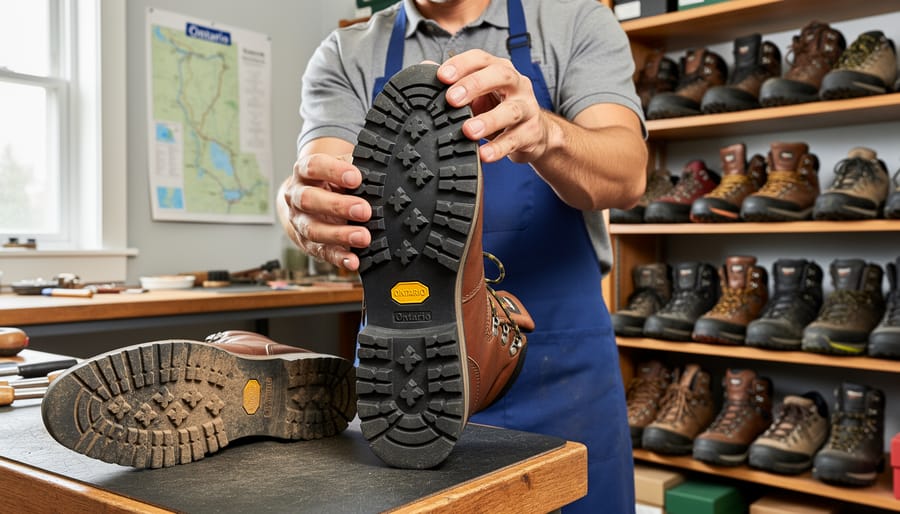
Multi-service outdoor gear shops offer a practical solution when you’re juggling repairs across several pieces of equipment or you’re not sure exactly what needs fixing. These shops typically handle everything from boot resoling and pack stitching to sleeping bag zipper replacement and tent pole repair under one roof. The real advantage is convenience. Drop off your hiking boots, backpack, and rain jacket in a single trip, and the staff can assess what’s repairable, what needs replacement parts, and what might be beyond saving.
Most full-service shops bundle repair offerings with routine maintenance tasks. They’ll re-waterproof your shell jacket while fixing a torn pocket, or tune up your crampons while patching your gaiters. Because they stock inventory, they often have replacement buckles, zippers, cord locks, and other small parts on hand, which means faster turnaround than sending gear to a distant specialist. Many employ experienced technicians who’ve worked with outdoor equipment for years and can spot износ patterns you might miss.
In Ontario, you’ll find these multi-service hubs in cities like Toronto, Ottawa, and Hamilton, but also in outdoor recreation towns near popular trail networks and parks. Some larger retailers offer repair services alongside their retail operations, while independent shops focus primarily on maintenance and fixes. The best ones keep detailed records of your gear’s repair history and can advise when it’s finally time to retire a beloved piece. They’re especially valuable when you’re prepping for a big trip and need multiple items serviced quickly.
DIY Repairs vs. Professional Help: When to Choose Each
Deciding whether to fix gear yourself or hand it to a professional comes down to four factors: your skill level, the tools you have on hand, the complexity of the damage, and whether a warranty is at stake. Simple fixes like patching a small tear in a tent rainfly, applying seam sealer to a jacket, or replacing bootlaces are perfect DIY projects. A basic repair kit with fabric patches, Tenacious Tape, Aquaseal, and a needle with heavy-duty thread covers most minor emergencies and costs less than thirty dollars. These tasks build confidence and deepen your connection to your gear, plus you’ll be able to handle trail-side repairs when you’re hours from the nearest trailhead.
- DIY-friendly: Small fabric patches, seam sealing, replacing laces or cordage, cleaning and re-waterproofing shells
- Professional territory: Zipper replacements, down re-stuffing, boot resoling, structural frame repairs, anything safety-critical like harnesses or ropes
Know your limits. If a repair involves stitching through multiple layers of pack fabric, replacing a tent pole section, or resoling boots, the specialized tools and techniques required usually justify the cost of professional work. Warranty considerations matter too: attempting a DIY fix on gear still under warranty can void coverage, so check the fine print before you break out the duct tape. Similarly, life-safety equipment like climbing harnesses, helmets, and ropes should always be inspected and repaired by certified technicians. For general upkeep, treat your gear like you would a ski gear checklist: regular cleaning, proper storage, and small fixes as they arise prevent bigger problems down the line. Learning basic repair skills is an eco-friendly investment that keeps equipment out of landfills and saves you money season after season.
Finding the Right Repair Service in Your Region
Finding repair services across Ontario is easier than you might think, whether you’re in a major city or a smaller community. In Toronto, Ottawa, and other urban centers, you’ll find multiple specialists covering everything from backpacks to cross-country skiing gear. Smaller towns often have outdoor retailers offering repair services or can connect you with regional experts. Northern Ontario adventurers may need to ship gear, but many services provide mail-in options with reasonable turnaround times.
The Ontario Outdoor Gear Repair and Maintenance Directory is your best starting point for locating trusted providers near you. It lists specialists by region and service type, making it simple to find the right match.
When evaluating a new repair shop, ask about turnaround times upfront, some fixes take days while others need weeks. Request a written estimate before authorizing work, especially for complex repairs. Check online reviews and ask fellow outdoor enthusiasts for recommendations. Don’t hesitate to inquire about their experience with your specific gear type or brand. A good repair shop will answer questions patiently and explain what they can realistically fix.
Common Questions About Outdoor Gear Repair
Repair costs vary widely by the job and gear type. Simple fixes, patching a tent floor, replacing a backpack buckle, or gluing a boot sole, often run $15 to $40. More involved work like down jacket re-stuffing, full boot resoling, or canoe gunwale replacement can range from $80 to $200 or more. Technical gear repairs, especially those requiring certified inspection, tend to cost more but are worth it for safety-critical equipment. Most shops provide estimates up front, so you’ll know the price before committing.
How long does a typical repair take?
Turnaround times range from a few days for minor fixes to two to four weeks for complex repairs, especially during peak season. Some shops offer rush services for an extra fee.
Can vintage or discontinued gear be repaired?
Often, yes. Skilled repair specialists can fabricate parts, source compatible components, or engineer creative solutions for older equipment, though availability of original materials may limit some repairs.
Is shipping gear for repair worth it?
If you’ve found a specialist who excels with your specific gear type and no local option exists, shipping can make sense. Compare repair costs plus shipping against replacement cost and the sentimental value of the item.
What should I ask before dropping off my equipment?
Request a detailed estimate, ask about turnaround time, inquire whether they guarantee their work, and confirm they have experience with your gear type and brand.
Before handing over your favorite pack or boots, clean off mud and debris, it helps the technician assess damage accurately and shows respect for their workspace. Ask if the shop stocks replacement parts or needs to order them, which can affect timing. Finding the right Ontario outfitter or repair service means doing a bit of homework, but the peace of mind and extended gear life make it worthwhile. Most repair pros genuinely love what they do and appreciate customers who value quality equipment enough to fix it.
Choosing repair over replacement is one of the smartest decisions you’ll make as an outdoor enthusiast. You’ll save money, reduce waste, and keep the gear you trust trail-ready for years to come. There’s something deeply satisfying about heading into the backcountry with a pack that’s been with you through dozens of adventures, or lacing up boots that have carried you across Ontario’s most stunning landscapes, all because you took the time to care for them properly.
The Ontario Outdoor Gear Repair and Maintenance Directory makes finding trusted local repair services easier than ever. Whether you need a tent zipper replaced in Toronto, boots resoled in Ottawa, or a canoe patched up north, skilled repair professionals are ready to help. Supporting these local businesses keeps expertise alive in our communities and strengthens Ontario’s outdoor culture.
So before you toss that worn jacket or retire those scuffed boots, give repair a shot. Your wallet will thank you, the planet will benefit, and you’ll hit the trail with gear that’s earned its place in your pack. Here’s to many more adventures ahead.





+ There are no comments
Add yours