
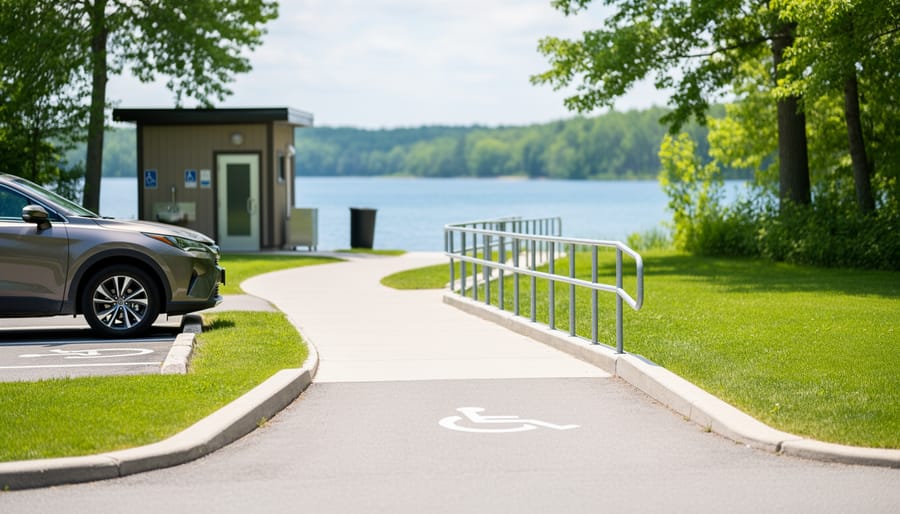
Ontario residents with permanent disabilities qualify for a free vehicle permit that waives day-use fees at provincial parks and conservation reserves. The process is straightforward: submit a completed application form with medical documentation confirming your disability, and once approved, your permit arrives by mail within a few weeks. This pass covers parking for one vehicle at over 115 Ontario provincial parks, which normally costs between $14 and $24 per day depending on the season and location.
The real value shows up fast. If you visit parks even four or five times a year, you’re already saving upward of $100 compared to paying each time. The permit works for day trips and also waives the vehicle entry portion when you book a campsite, though camping fees themselves still apply.
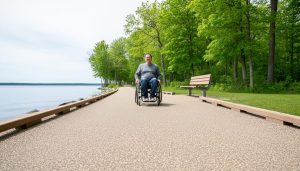
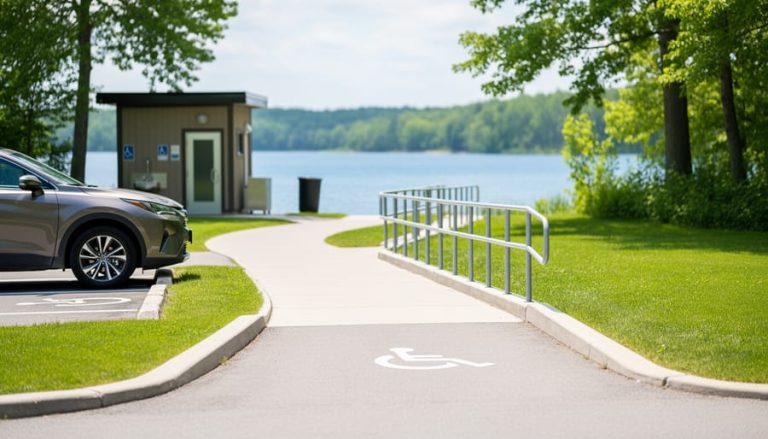
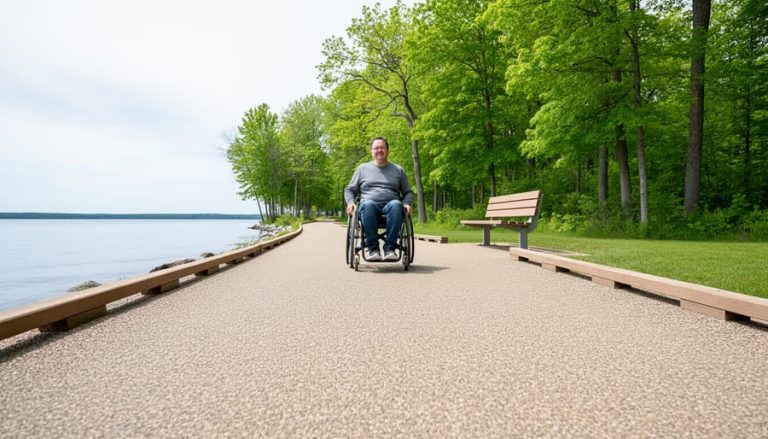
Getting outside shouldn’t come with barriers, and Ontario Parks designed this program to open the door to incredible natural spaces across the province. From accessible trails along the waterfront at Presqu’ile to wheelchair-friendly boardwalks through Algonquin’s wetlands, these parks offer experiences that work for diverse mobility needs. Many locations have paved paths, accessible washrooms, and staff ready to help you plan your visit.
The application itself takes about 15 minutes to complete. You’ll need a doctor or nurse practitioner to verify your permanent disability, but there’s no complex medical assessment or lengthy waiting period. Once you understand what qualifies and gather the right paperwork, you’re on your way to free park access for years to come.
Who Qualifies for Free Disabled Access Passes
Ontario Parks offers free vehicle permits to visitors with disabilities, but understanding who qualifies can save you time and confusion at the gate. The program takes an inclusive approach that recognizes both visible and non-visible disabilities.
You qualify for a free disabled access pass if you have a permanent disability that substantially limits one or more major life activities. This includes mobility impairments requiring wheelchairs, walkers, or other assistive devices, but it also covers chronic pain conditions, visual or hearing impairments, cognitive disabilities, and mental health conditions that affect daily functioning. The key word here is “permanent”, temporary injuries or short-term conditions typically don’t qualify, though exceptions exist for long-term recovery situations.
The good news is that Ontario Parks doesn’t require you to submit medical records or detailed documentation in most cases. If you have an Accessible Parking Permit issued by the Ontario government, that’s usually sufficient proof. Alternatively, a letter from your doctor confirming your permanent disability works, as does documentation from the Canadian National Institute for the Blind, Canadian Hearing Society, or similar recognized organizations. Some visitors have successfully used their federal disability tax credit certificate, though acceptance can vary by park office.
One of the program’s most helpful features is the companion provision. If your disability requires assistance, one caregiver or companion can accompany you under the same free pass. This means both you and your support person enter without paying vehicle permit fees. Parks staff won’t grill you about the nature of your disability or whether you “look disabled enough”, the system operates on trust and reasonable verification.
Keep in mind that each province handles disability access differently. If you’re visiting from another province or country, contact the specific park you plan to visit ahead of time to confirm whether your documentation will be accepted.
What the Pass Covers (and What It Doesn’t)
The free disabled access pass waives your day-use and vehicle permit fees at all participating Ontario Parks. This means you can drive into any park during operating hours without paying the standard entry charge, which typically runs $12 to $22 per vehicle depending on the park and season. The pass also covers seasonal vehicle permits that would otherwise cost $80 to $145 annually.
Beyond gate fees, your pass includes free participation in most interpretive programs: naturalist-led hikes, evening amphitheater talks, junior naturalist activities, and educational workshops. These programs normally carry no separate charge, but the pass ensures your vehicle entry for attending them is covered.
| What’s Covered | What Still Requires Payment |
|---|---|
| Vehicle permits and day-use fees | Camping site reservations and nightly fees |
| Interpretive programs and guided hikes | Equipment rentals (canoes, kayaks, bikes) |
| Access to beaches, trails, and facilities | Backcountry camping permits |
| Parking at trailheads and beaches | Roofed accommodation (cabins, yurts, cottages) |
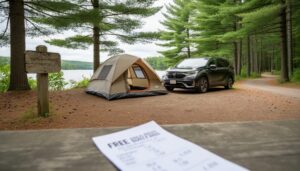
What catches visitors off guard is that camping isn’t included. Whether you’re booking a serviced site with electrical hookup or a basic tent pad, you’ll pay the regular camping fees, which range from $35 to $75 per night depending on amenities and season. The same applies to backcountry permits, which cost $12 per person per night. Cabin and yurt rentals, group camping areas, and special-use permits for events also require full payment.
Equipment rentals like canoes, paddleboards, and bikes aren’t covered either. Neither are specialty programs with outside instructors, such as rock climbing courses or photography workshops that charge separate registration fees. The pass gets you through the gate and into the park’s natural spaces, but most add-on services and overnight stays operate under standard pricing.
How to Apply for Your Free Pass
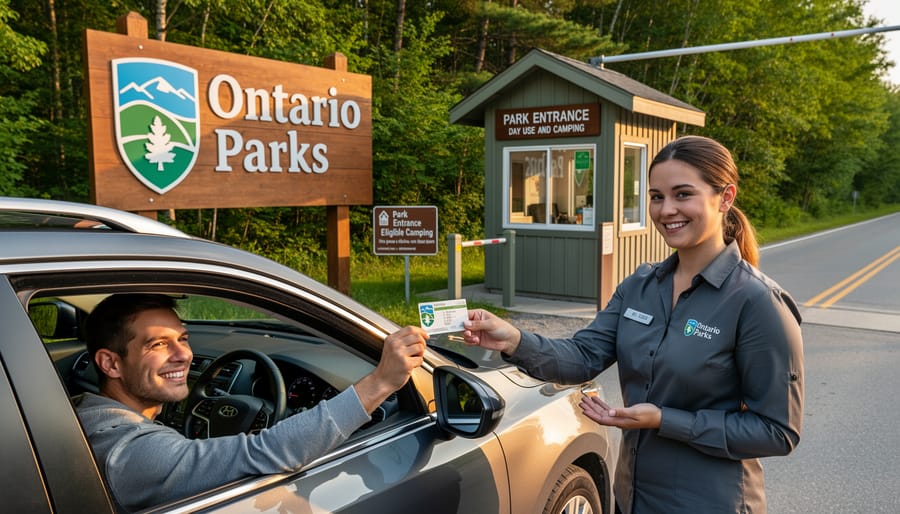
First-Time vs. Renewal Applications
If you’re applying for the first time, expect a slightly more detailed process. You’ll need to provide documentation that confirms your disability status, this might be a medical certificate, a Disabled Person Parking Permit, or confirmation from a recognized disability support organization. Ontario Parks typically processes new applications within 5-10 business days, though applying in person at a park office often gets you immediate temporary access while your permanent pass is being prepared.
Renewal is much simpler. Most disability access passes remain valid for up to five years, and you’ll receive a reminder when yours is approaching expiration. The renewal process usually doesn’t require you to resubmit medical documentation unless your original qualification was based on a temporary condition. You can renew online through your Ontario Parks account, and renewals are generally approved within 2-3 business days.
Keep your pass details current in your account profile. If your address changes or you lose your physical pass, you can request a replacement online without going through the full application process again. The system keeps your eligibility on file, making subsequent renewals quick and straightforward.
Using Your Pass: Practical Tips from Regular Visitors
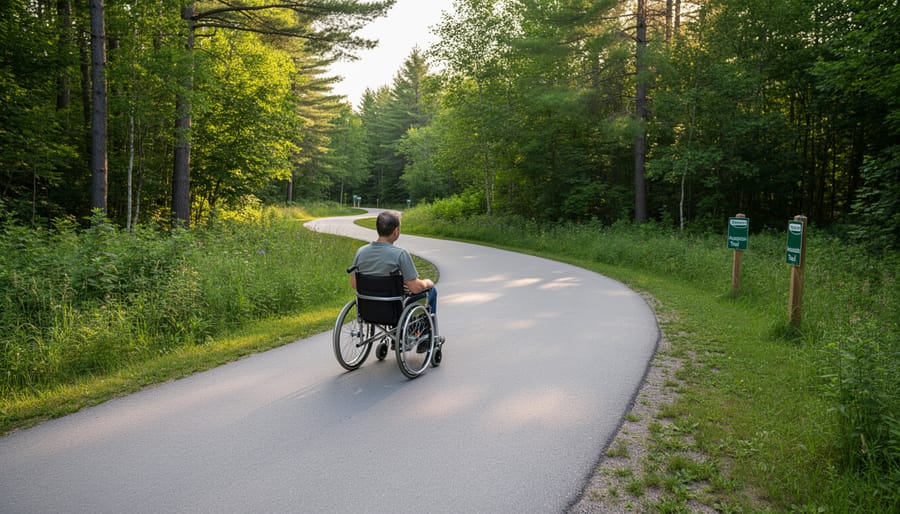
Once you’ve got your free disabled access pass, a few practical habits will help you make the most of it. Regular visitors recommend keeping a photo of your pass on your phone alongside the physical copy, park staff at gates can process either, but having both means you’re covered if you forget one in your vehicle’s glove box or if weather makes the paper version unreadable.
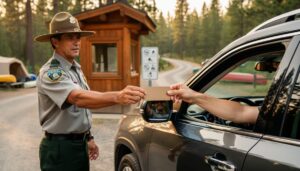
At the gate, simply present your pass when the attendant asks about permits. They’ll note it in their system and wave you through without charging the day-use vehicle fee. If you’ve also reserved a campsite or booked a backcountry permit through the Ontario Parks reservation system, mention both at once, the pass covers your vehicle entry, while your camping confirmation number handles the overnight portion. They’re separate systems that work together, and gate staff are used to processing them simultaneously.
One insider tip: if you’re moving between parks on the same day, say, visiting Algonquin’s east gate in the morning and heading to Arrowhead in the afternoon, your free pass already covers you for multiple entries. You don’t need a one-day moving permit like other visitors switching locations, since your disabled access pass functions as year-round unlimited entry.
Many accessible visitors find it helpful to call ahead to the specific park you’re visiting and ask about current trail conditions or whether adaptive equipment (beach wheelchairs, all-terrain mobility devices) is available that day. Staff can also flag which accessible campsites have the firmest, most level surfaces, a detail that doesn’t always show up in online descriptions but makes a real difference when you arrive.
Keep your pass renewal date in your calendar. Passes typically expire annually, and renewing a month early means you avoid any gap in coverage during peak season when parks are busiest.
Accessible Parks Worth Visiting in 2026
With your free disabled pass in hand, you’re ready to explore some of Ontario’s most welcoming parks. Here are five destinations that go beyond basic accessibility to create genuinely inclusive outdoor experiences.
Algonquin Provincial Park leads the pack with its wheelchair-accessible Beaver Pond Trail, a 2-kilometer hardpacked path that winds through wetlands where you’re likely to spot moose at dawn. The park offers accessible campsites with level tent pads and adaptive canoe equipment rentals through select outfitters. The visitor center features tactile exhibits and audio descriptions for visually impaired guests.
Presqu’ile Provincial Park on Lake Ontario delivers barrier-free beach access via boardwalks that extend right to the waterline. Their accessible campsites include wider parking pads and shorter distances to washroom facilities. The lighthouse trail uses compacted limestone rather than wood chips, making it navigable for wheelchairs and walkers year-round.
Killbear Provincial Park has invested heavily in accessible infrastructure, including a fully accessible beach with beach wheelchairs available for loan. Three different trail loops feature smooth, wide pathways perfect for mobility devices, and the park’s roofed accommodations include wheelchair-accessible cabins with roll-in showers.
Sandbanks Provincial Park offers more than famous dunes. Their accessible boardwalk provides stunning sunset views over Lake Ontario without sand navigation. The park has accessible change rooms, and staff can arrange accessible guided interpretation programs with advance notice.
Pinery Provincial Park rounds out the list with paved cycling trails that double as accessible walking paths through rare oak savanna habitat. Their Old Ausable Channel trail runs 10 kilometers with rest areas every 500 meters, and you won’t have to worry about being unable to skip a permit fees since your pass covers entry, just remember the no refunds policy applies if you book camping and plans change.
Each park updates accessibility features regularly, so call ahead to confirm current amenities match your specific needs.
Common Questions About Free Disabled Passes
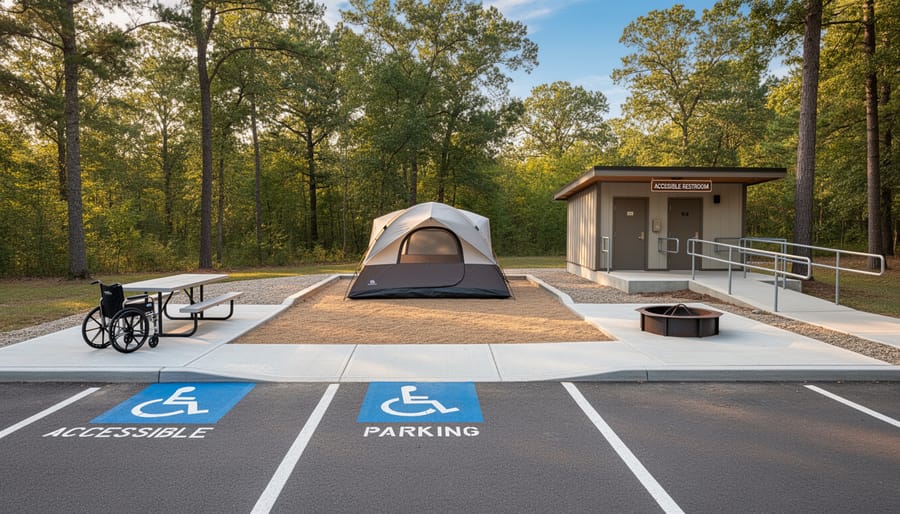
Before applying, many visitors want to know exactly how the program works in different situations. Here are answers to the questions we hear most often.
Can my family members or friends use my disabled pass?
No, the pass is non-transferable and only valid for the registered holder. However, one vehicle carrying the pass holder can enter for free, so your family can ride together in the same car.
Does the pass work at every Ontario provincial park?
Yes, it’s valid at all Ontario Parks that charge day-use vehicle permits. A few conservation reserves or very remote parks don’t have gate attendants, but wherever there’s a fee station, your pass applies.
I live in Quebec but visit Ontario parks regularly. Can I still get a free pass?
Absolutely. The program is open to all Canadian residents regardless of province, and out-of-country visitors with recognized disability documentation can also apply.
I already bought a seasonal pass before learning about this program. Can I get a refund?
Contact Ontario Parks customer service directly with your purchase receipt and proof of eligibility. They typically issue prorated refunds or credits toward future camping reservations on a case-by-case basis.
If your pass isn’t scanning properly at the gate, don’t panic. Gate attendants can manually verify your eligibility number in their system. Keep a photo of your approval email on your phone as backup, especially during your first few visits while the physical card is being mailed.
Some visitors wonder whether the pass covers electric vehicle charging stations at parks. Currently, charging fees are separate from day-use permits and still apply, though a few pilot parks are testing inclusive access. Check the specific park’s amenity list before your visit if EV charging matters for your trip planning.
Other Discounts and Fee Exemptions to Know About
Beyond the disabled pass, Ontario Parks offers several discount programs that can help you stretch your budget even further. Some of these benefits can be stacked with your free disabled pass, while others provide alternatives for family members or companions traveling with you.
Seniors aged 65 and older qualify for the Ontario Senior Discovery Pass, which provides free day-use vehicle permits but requires a small annual processing fee. If you’re traveling with parents or grandparents who don’t have a disability pass, this option saves them money on separate visits. Youth under 18 can access parks free when accompanied by an adult with a valid vehicle permit, which means your disabled pass already covers them.
Group camping rates kick in when you reserve three or more campsites together, offering savings of 10 to 15 percent on camping fees. Since your disabled pass doesn’t waive camping fees, this discount becomes particularly valuable for multi-family trips or extended-family gatherings at accessible campgrounds.
Watch for seasonal promotions during shoulder seasons, typically late April through May and September through October. Parks sometimes offer midweek camping discounts or waived reservation fees during these periods. Annual seasonal passes go on sale each December with early-bird pricing that can save you 20 percent if you’re planning multiple camping trips throughout the year. While your disabled vehicle permit is already free, purchasing a seasonal camping pass at the discounted rate makes sense if you camp more than five nights annually.
Getting your free disabled access pass is straightforward, and Ontario Parks genuinely wants you to experience everything the province has to offer. Don’t hesitate to apply, these passes exist precisely so financial barriers don’t keep anyone from enjoying our incredible natural spaces. Whether you’re planning a peaceful afternoon at a lakeside trail or a full camping adventure, the application process takes just minutes and opens doors to dozens of accessible parks.
As you explore, please help preserve these facilities for everyone by staying on designated accessible paths, respecting accessible parking spots, and reporting any maintenance issues you notice. When we all contribute to keeping these spaces welcoming and well-maintained, we ensure future visitors with disabilities can enjoy the same enriching outdoor experiences. Ontario’s parks are waiting for you.


+ There are no comments
Add yours