Volunteering in the United States delivers hands-on community impact without the passport hassle, language barriers, or long-haul flights. Ontario residents can find meaningful programs across North America starting from just $320 for one week, with year-round opportunities that fit any schedule from weekend getaways to multi-month commitments. These trips combine practical service work with the chance to explore new corners of the continent, whether you’re restoring trails in national parks, teaching literacy in underserved communities, or helping rebuild homes after natural disasters.
The beauty of keeping your volunteer work close to home? You’ll spend less on airfare and more time actually making a difference. Plus, you can test the waters with shorter commitments before diving into longer international placements. But here’s the reality check: not all volunteer programs deliver the meaningful impact they promise. Some organizations prioritize filling beds over community needs, charge inflated fees for minimal support, or create dependency rather than sustainable change.
That’s why smart vetting matters as much as picking the right project. Look for programs that partner with established local organizations, provide transparent breakdowns of where your fees go, and offer genuine skills-based opportunities rather than tasks locals could do themselves. The best US volunteer experiences leave you with mud on your boots, new perspectives in your mind, and the knowledge that your week of work created lasting value for the community you served.
How We Chose These US Volunteer Opportunities
Finding a volunteer program that’s both meaningful and safe takes careful research. We vetted dozens of US volunteer opportunities against strict criteria to ensure every program featured here offers genuine value, proper support, and real community impact.
Our selection process prioritized organizations with transparent operations and strong track records. With unsustainable practices and exploitation becoming growing concerns in volunteer travel, we focused on programs that demonstrate clear community partnerships, ethical practices, and measurable outcomes. Each opportunity had to meet specific standards:
- Verified organizational credentials with established safety protocols and proper insurance coverage
- Transparent pricing that clearly outlines what’s included, starting from $320 per week for North America programs
- Comprehensive support services including accommodation, meals, airport pickup, and thorough orientation
- Flexible program durations ranging from 1 to 24 weeks to suit different schedules and commitments
- Year-round availability so you can volunteer when it works for your calendar
- Alignment with sustainable impact travel principles that benefit communities long-term
We looked for programs offering real value beyond just the volunteer work itself. The best opportunities provide cultural immersion, skill development, and genuine connection to local communities rather than treating volunteers as a revenue source. Programs that check these boxes create transformative experiences while ensuring your time, money, and effort contribute to lasting positive change rather than perpetuating harmful volunteer tourism models.
1. Community Development Programs in Urban Centers

Urban community development programs connect you with grassroots organizations tackling real challenges in American cities, from Detroit’s neighborhood revitalization projects to after-school tutoring in Philadelphia. You’ll work alongside local residents on initiatives like community garden creation, homework help for elementary students, youth mentoring programs, and neighborhood beautification efforts that respond to what communities actually need.
These programs typically run Monday through Friday, giving you structured volunteer shifts (usually four to six hours daily) while leaving evenings and weekends free to explore the city. Your days might include preparing meals at a community kitchen, assisting with literacy workshops, organizing sports and arts activities for kids, or helping coordinate community events. The work is hands-on and relationship-based, you’re not just completing tasks, you’re building genuine connections with the people you’re serving.
Who thrives here? Anyone comfortable with urban environments and interested in social issues. Teachers, social work students, and career-breakers often gravitate toward these placements, but you don’t need professional experience, just patience, flexibility, and a willingness to listen. The real skill is showing up consistently and letting relationships develop naturally over time.
Your impact goes beyond the visible projects. Yes, you’ll help paint a community center or stock a food pantry, but the deeper value comes from the relationships you build and the outside perspective you bring. Local coordinators often mention how volunteers energize their teams and help attract additional resources to under-recognized neighborhoods.
Insider tip: Stay in neighborhoods where you’re volunteering rather than tourist districts. You’ll save money, eat better food at local spots, and gain authentic insight into the community you’re supporting. That corner bodega or neighborhood taco stand becomes your daily routine, connecting you to the real rhythm of the city.
2. Wildlife and Environmental Conservation Projects
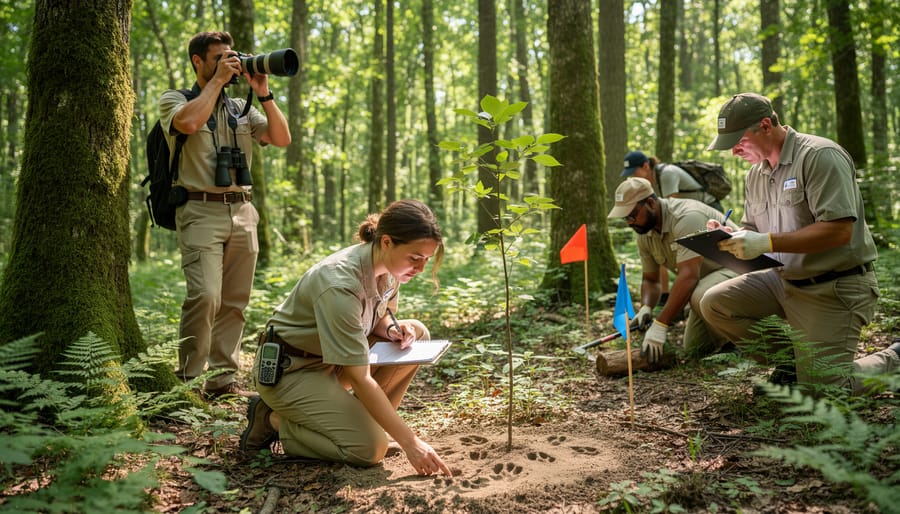
Wildlife conservation volunteer programs let you step directly into protecting America’s diverse ecosystems while getting your hands dirty in some of the country’s most stunning natural settings. From monitoring sea turtles along Atlantic coastlines to restoring sage-grouse habitat in the western grasslands, these projects connect outdoor lovers with real conservation work that extends far beyond their volunteer weeks.
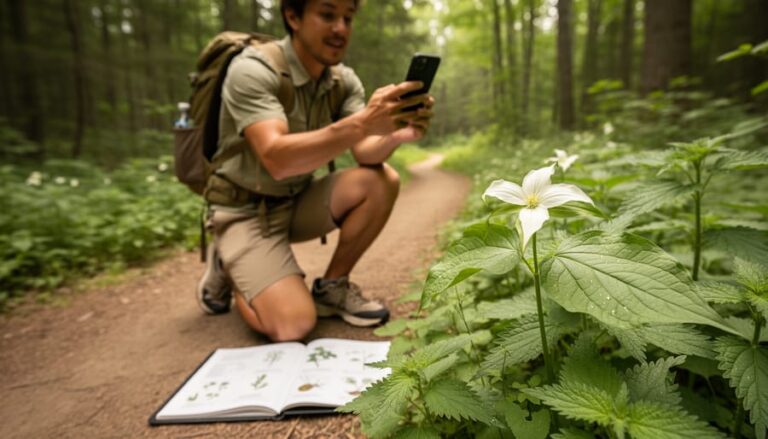
Typical activities include habitat restoration, removing invasive species, planting native vegetation, building wildlife corridors, alongside wildlife monitoring that tracks population health and migration patterns. You might help restore wetlands in the Midwest, monitor bird species in coastal sanctuaries, or assist with reforestation efforts in mountain regions. Education components often teach volunteers field research techniques they can use in their home communities, creating a ripple effect of environmental stewardship.
These programs suit anyone who’d rather spend their time outdoors than in a classroom, though you don’t need prior conservation experience. What matters more is enthusiasm for physical work and genuine curiosity about ecosystem health. Volunteers typically contribute to multi-year projects where their efforts support long-term sustainability goals rather than quick fixes. The work you do in a single week becomes part of datasets scientists use for years, informing protection policies and habitat management strategies.
The eco-friendly angle runs deeper than the conservation focus itself. Many programs emphasize low-impact practices: staying in rustic accommodations that minimize environmental footprint, eating locally-sourced meals, and learning sustainable field techniques. You’ll leave with practical knowledge about how small individual actions scale into meaningful environmental protection, plus stories about the species and landscapes you helped protect.
3. Coastal and Marine Conservation Initiatives
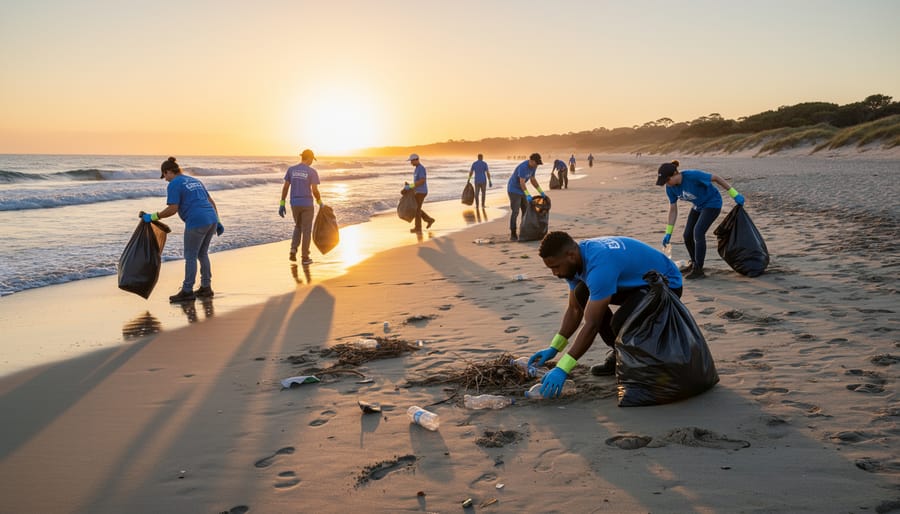
The United States boasts over 95,000 miles of coastline, and much of it needs dedicated stewards to protect fragile marine ecosystems from pollution, climate change, and habitat destruction. Coastal and marine conservation volunteer programs put you right on the front lines of ocean protection, whether you’re monitoring sea turtle nests on Atlantic beaches, restoring salt marshes along the Gulf Coast, or educating beachgoers about marine debris in Pacific coastal communities.
These programs typically combine hands-on fieldwork with meaningful education components. You might spend mornings conducting beach cleanups and microplastic surveys, afternoons assisting with water quality testing or invasive species removal, and evenings helping with community outreach events. Many initiatives focus on specific threatened species like shorebirds, sea turtles, or marine mammals, giving volunteers the chance to contribute to real scientific research and monitoring efforts.
What makes coastal conservation work particularly rewarding is seeing immediate, tangible results. A restored dune system, a clean beach, or a successfully released sea turtle hatchling provides concrete evidence of your impact. You’ll also gain a deeper understanding of how ocean health connects to everything from climate regulation to local fishing economies.
Seasonal timing matters significantly for coastal volunteer work. Summer months offer the most program availability and the best weather for beach-based activities, but they’re also peak tourist season, which can mean crowded conditions and higher accommodation costs. Spring and fall provide excellent opportunities for shorebird migration monitoring and often feature more temperate working conditions. Winter programs exist in southern coastal states, focusing on activities less dependent on warm weather.
Pack sun protection, quick-dry clothing, sturdy water shoes, and a genuine passion for protecting our oceans. The work can be physically demanding and occasionally repetitive, but every piece of plastic removed and every community member educated represents progress toward healthier marine ecosystems.
4. National Park and Trail Maintenance Programs
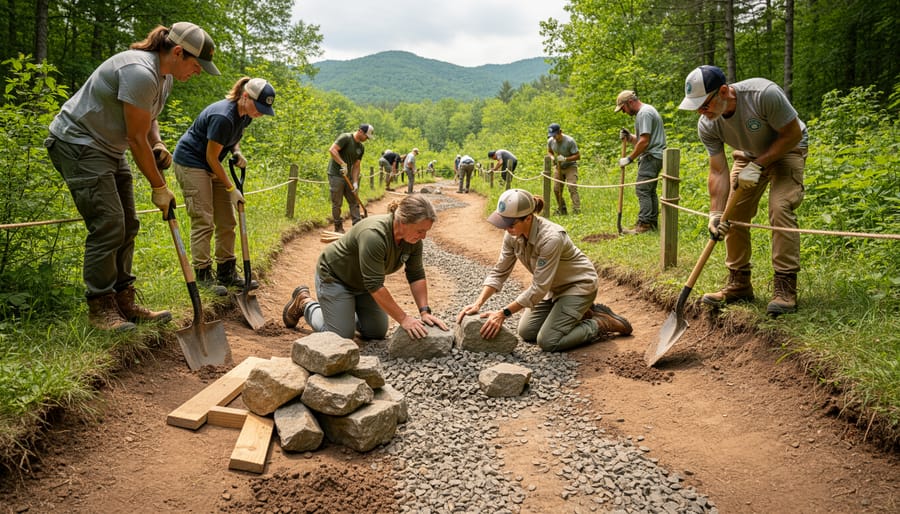
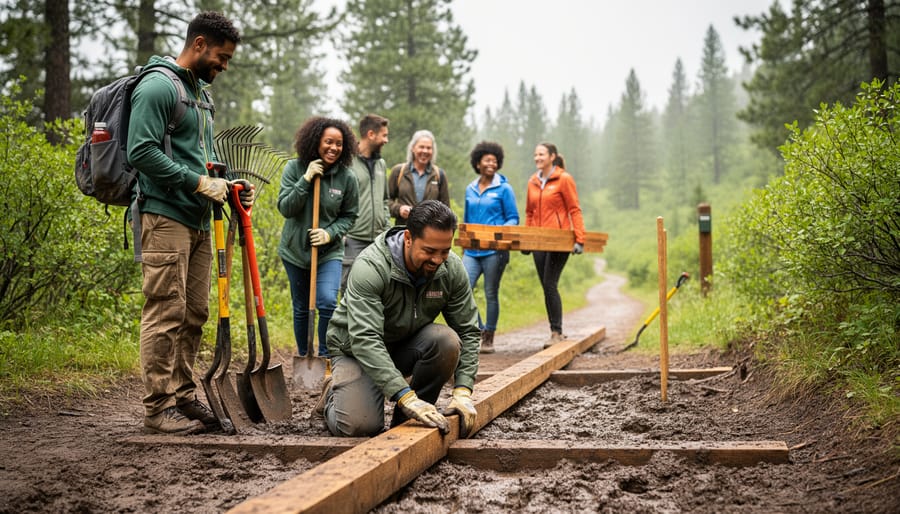
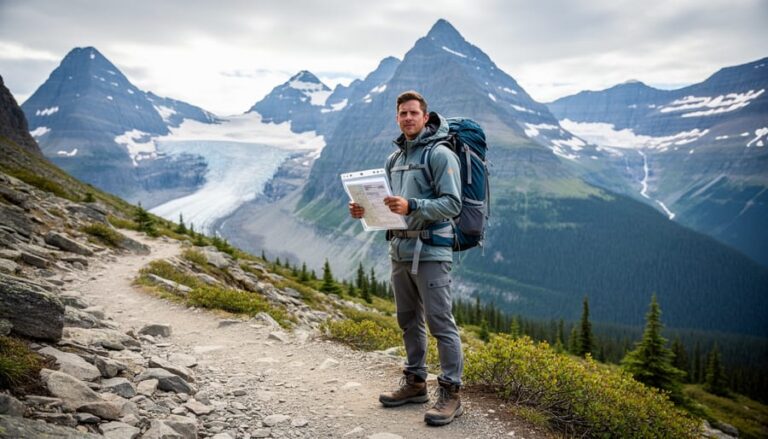
If you’ve ever felt grateful returning from a hike on a well-maintained trail, national park volunteer programs let you become the person who makes that experience possible for others. These hands-on conservation opportunities put you directly on the ground, clearing brush, rebuilding trail sections, repairing wooden bridges, removing invasive species, and maintaining the infrastructure that keeps America’s public lands accessible and healthy.
The work varies by location and season. You might spend mornings sawing fallen trees off backcountry trails in the Rockies, afternoons planting native vegetation to prevent erosion along popular routes, or full days constructing new trail segments using proper drainage techniques. Some programs focus on campground maintenance, restoring historic park structures, or installing signage. It’s physically demanding work that leaves you tired and deeply satisfied.
What makes these programs special is their accessibility to hikers and camping lovers who already understand why this work matters. If you’ve enjoyed Ontario Parks like Killarney or Algonquin, you’ll recognize the same conservation ethic at work in US parks, just on a larger scale with different ecosystems. Many programs welcome volunteers with no construction experience, providing training and tools while you work alongside park staff and fellow outdoor enthusiasts.
The setting is often spectacular. You’re not just visiting these protected areas; you’re living and working in them, often camping on-site or staying in rustic volunteer housing. Days off let you explore trails and viewpoints most visitors never reach. You’ll gain practical skills in trail building, learn about local ecology from rangers, and return home with a genuine connection to the landscapes you helped preserve. For anyone who loves the outdoors, it’s meaningful work that directly protects the places you care about.
5. Farm and Sustainable Agriculture Volunteering
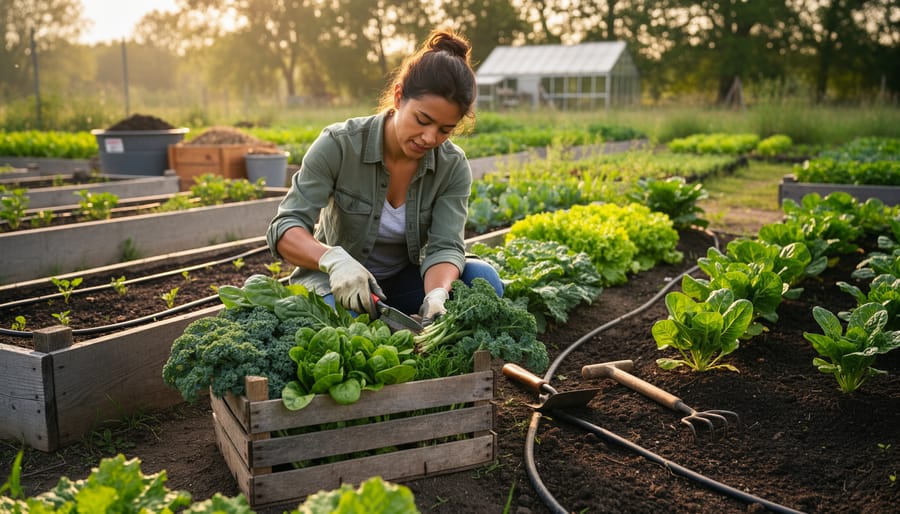
If you’ve ever wondered where your food comes from or wanted to get your hands dirty while learning sustainable farming practices, agricultural volunteering offers exactly that, plus the satisfaction of supporting local food systems that make a real difference.
Farm and sustainable agriculture programs let you work alongside experienced farmers on organic operations, community gardens, and innovative food security projects across the United States. You’ll learn everything from composting and crop rotation to harvest techniques and farm-to-table preparation. These programs suit beginners and experienced gardeners alike, with most requiring nothing more than enthusiasm and a willingness to work outdoors.
Typical tasks vary by season and location. You might spend mornings harvesting vegetables, afternoons building raised garden beds, or helping at farmers markets where you’ll meet community members who benefit from the food you’re helping produce. Some programs focus on urban agriculture, transforming vacant lots into thriving community gardens in cities like Detroit or Philadelphia. Others place volunteers on sprawling rural farms in Vermont, Oregon, or California, where sustainable practices include everything from beekeeping to heritage seed preservation.
What makes agricultural volunteering particularly rewarding is the tangible impact. You see exactly where your effort goes, into fresh produce for food banks, educational programs teaching kids about nutrition, or farm stands serving neighborhoods without easy access to healthy food.
Insider tip: Pack sturdy work gloves, a wide-brimmed hat, and closed-toe boots you don’t mind getting muddy. Bring layers, since early mornings can be cool even in summer. Most farms provide basic tools, but having your own gloves ensures a better fit. Expect physical work, irregular hours that follow harvest schedules rather than clocks, and meals featuring the freshest ingredients you’ve ever tasted, often picked that same day.
6. Disaster Relief and Community Recovery Projects
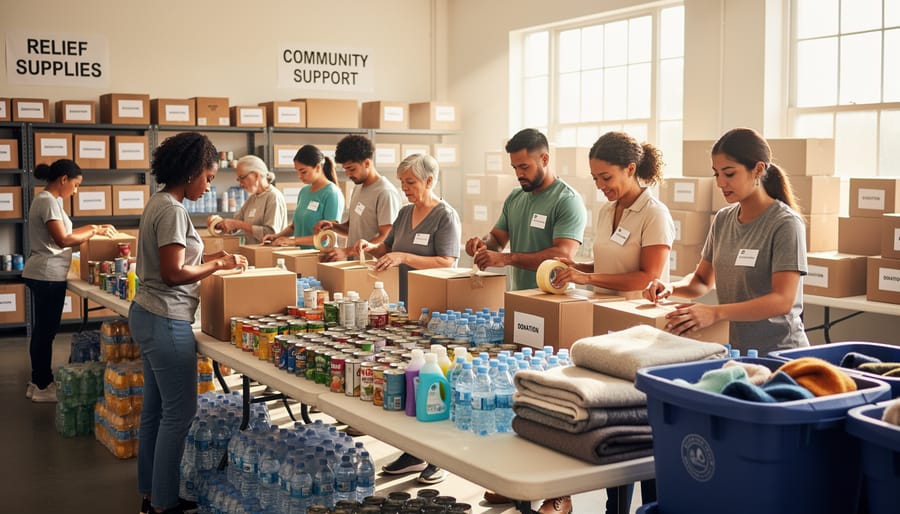
Disaster relief volunteering offers one of the most immediately impactful ways to serve communities in crisis. Unlike traditional volunteer programs with fixed schedules, these opportunities respond to urgent needs, whether it’s rebuilding homes after hurricanes, supporting communities recovering from wildfires, or providing ongoing assistance in areas still healing from past disasters.
These programs operate differently than other volunteer trips. Many organizations maintain a network of ready volunteers who can deploy when disasters strike, while others focus on long-term recovery work in communities still rebuilding months or years after the initial crisis. You might spend your time gutting flood-damaged homes, constructing new housing, organizing donation centers, or supporting community rebuilding efforts. The work is physically demanding but incredibly rewarding.
Most disaster relief programs offer flexible durations to accommodate your schedule. Some accept volunteers for as little as one week, perfect if you have limited time but want to make a tangible difference. Longer commitments of two to four weeks allow you to see projects through from start to finish and build deeper connections with the community you’re serving.
The impact you provide during these critical times cannot be overstated. Communities overwhelmed by disaster recovery often lack the workforce and resources to rebuild without volunteer support. Your hands-on help accelerates recovery, but equally important is the emotional boost your presence provides, showing affected families that people care enough to show up and help them rebuild their lives.
Before committing to disaster relief work, understand that conditions can be challenging. Accommodation might be basic, work sites can be hot or dusty, and the emotional weight of witnessing disaster aftermath affects some volunteers deeply. But those who choose this path consistently describe it as among the most meaningful volunteer experiences available.
7. Educational Support and Literacy Programs

Educational support volunteer programs tackle one of America’s most persistent challenges: unequal access to quality education. These opportunities let you work directly with students in communities where resources are stretched thin, extra learning support can change a child’s trajectory, and your time genuinely matters.
Typical roles include tutoring students one-on-one or in small groups, assisting in after-school homework clubs, leading reading circles for elementary-age children, teaching English language skills to new immigrant families, and supporting enrichment activities like art, music, or STEM projects that schools can’t always fund. You might help a third-grader crack the code of reading comprehension, guide high schoolers through college application essays, or simply show up consistently as a caring adult who believes in their potential.
These programs work well for certified teachers looking to give back during summer break, college students considering education careers, recent retirees with a lifetime of knowledge to share, and anyone who remembers a teacher who made a difference in their own life. You don’t need a teaching degree for most positions. What matters is patience, reliability, genuine interest in young people, and willingness to adapt your approach to different learning styles and backgrounds.
The impact extends beyond test scores. Volunteers often become trusted mentors and proof that someone outside their immediate circle cares about their success. You’ll learn as much as you teach about resilience, creativity, and the everyday realities facing families in underserved communities.
Programs typically provide training on effective tutoring techniques, cultural sensitivity, and working with diverse learners. Expect to commit at least a few weeks to build meaningful relationships with students. The work can be challenging, but watching a struggling reader finally connect the dots or a shy student gain confidence makes every session worthwhile.
8. Senior Care and Intergenerational Programs

Senior care volunteering brings together different generations in ways that create genuine connection and lasting meaning for everyone involved. These programs pair volunteers with elderly community members who need companionship, activity support, or help with daily tasks, and what often starts as simple assistance becomes something far more valuable: friendship across age gaps.
You’ll find senior care opportunities in retirement communities, assisted living facilities, and community centers throughout the US. Activities range from leading group crafts and games to one-on-one conversations, organizing social events, helping with technology skills, or accompanying seniors on walks and outings. Some programs focus on memory care support for those with dementia or Alzheimer’s, while others center on combating social isolation among elderly individuals who live independently but have limited social contact.
The impact works both directions. Seniors gain regular companionship, mental stimulation, and the sense of being valued and connected to their broader community. Volunteers gain perspective, learn life stories from people who’ve witnessed decades of change, and develop patience and empathy that carries into every other area of life. Many volunteers say these programs reshape how they view aging and family relationships.
Programs typically need minimal special skills, just genuine interest in listening and spending quality time. Most include training on senior care basics, communication approaches, and safety protocols before you start. Before committing, pack essentials like comfortable shoes for facility walking and weather-appropriate clothing for outdoor activities with participants.
These placements let you save real money while making a difference, senior care programs often have lower fees than specialized volunteer work, with the same inclusions for accommodation and meals. The meaningful connections you build often last long after your volunteer term ends.
What to Expect: Program Inclusions and Costs
Most US volunteer programs provide a comprehensive package that makes budgeting straightforward. Typical inclusions cover shared accommodation (often dorms, host families, or volunteer houses), daily meals, airport pickup from the nearest major airport, and a structured orientation to help you settle in and understand your project. Programs starting from $320 per week offer solid value when you consider these essentials are handled for you.
Beyond the base program fee, you’ll need to budget for personal expenses. Volunteer programs in the US suggest setting aside between $81 and $222 per week for additional costs like snacks, entertainment, local transportation, and personal items. If you’re planning to explore during weekends or free time, factor in extra for attractions and activities, much like you would for a road trip budget back home.
Don’t overlook travel insurance that covers volunteer activities, which can run $30-80 for a two-week trip. Some programs require background checks or health screenings, typically $25-100 combined. If you’re volunteering for multiple weeks, bring clothing suitable for physical work and the local climate.
The transparent pricing structure of reputable programs makes it easier to plan your finances upfront. Remember that proper vetting helps you stay safe abroad while ensuring your volunteer contribution actually benefits the community you’re serving.
Safety and Vetting: Choosing a Responsible Program
Choosing a volunteer program isn’t just about finding an interesting destination or affordable price, it’s about ensuring your time and money support ethical, sustainable work rather than perpetuating harm. The volunteer travel industry has grown rapidly, and unfortunately, so have programs that prioritize profit over impact or rely on unsustainable practices that don’t truly benefit local communities.
Start by researching how long the organization has been operating and whether they maintain transparent relationships with local communities. Responsible programs work with, not for, communities, meaning locals lead project design and benefit directly from volunteer contributions. Ask specific questions: Who runs the projects on the ground? How does the organization measure its impact? What happens to your program fees, and how much goes directly to the community?
Red flags include organizations that accept anyone regardless of skills for sensitive work like childcare or healthcare, programs that promise to “save” or “fix” communities, and operators who can’t provide clear answers about their local partnerships or impact metrics. Be wary of programs that rotate through short-term volunteers for work that requires continuity, or those that use emotional appeals and poverty imagery in their marketing.
Look for certifications, memberships in recognized volunteer travel associations, and detailed pre-departure training that includes cultural sensitivity and community context. Read reviews from past volunteers, but dig deeper than surface-level “amazing experience” testimonials, look for specifics about how well-organized the program was, whether promised inclusions materialized, and what the actual day-to-day impact looked like. Responsible programs will be upfront about challenges, realistic about what volunteers can achieve in limited timeframes, and focused on long-term community goals rather than volunteer satisfaction alone.
Planning Your Trip from Ontario
Crossing the border for volunteer work is straightforward for Ontarians, bring your passport, a letter from your program outlining your volunteer activities and confirming it’s unpaid, and proof of accommodation. Most programs don’t require special visas for short-term volunteering, but verify this with your chosen organization during registration.
Travel insurance is non-negotiable. Your provincial health coverage won’t follow you across the border. Look for policies that cover medical emergencies, trip interruption, and liability, many volunteer programs actually require proof of coverage before you arrive.
With year-round program availability, you can volunteer whenever your schedule allows. That said, winter programs in northern states mean packing serious cold-weather gear, while summer in the Southwest demands sun protection and hydration strategies. Check your specific program’s climate zone and pack accordingly.
Here’s an insider tip: plan a few buffer days before or after your volunteer stint to explore nearby attractions. Volunteering in New England? Extend your trip for fall foliage drives. Working on a California conservation project? Build in time for national parks or coastal towns. You’re already making the journey, maximize the experience while supporting local tourism economies responsibly.
Frequently Asked Questions About US Volunteer Trips
How long should I volunteer for?
Most US volunteer programs offer flexible durations ranging from 1 week to 24 weeks, letting you choose what fits your schedule and commitment level. First-time volunteers often start with one or two weeks to get a feel for the work, while those seeking deeper impact and community connection typically volunteer for four weeks or longer.
Do I need special skills or experience?
The majority of US volunteer programs welcome participants of all skill levels and provide orientation and training once you arrive. While some specialized roles like teaching or medical volunteering may require relevant qualifications, most community development, conservation, and environmental projects simply need enthusiasm, a willingness to learn, and the ability to work as part of a team.
What’s typically included in program fees?
Reputable volunteer programs usually bundle accommodation, meals, airport pickup, and comprehensive orientation into their fees, which can start from around $320 per week. Beyond the program fee, budget for personal expenses like insurance, transportation to activities, and leisure spending, with volunteers typically setting aside $81 to $222 per week for living costs depending on the location and lifestyle.
Are volunteer programs available year-round?
Yes, many organizations offer volunteer opportunities throughout the year with multiple start dates each month, giving you flexibility to plan around work, school, or personal commitments. Some seasonal programs, particularly those focused on wildlife monitoring or disaster response, may have specific windows, so check availability when you’re researching your options.
Understanding program costs upfront helps you plan realistically. The advertised fee covers your basics, but smart volunteers also factor in travel insurance, any required vaccines or health checks, gear for specific activities like trail work or farm volunteering, and a cushion for exploring the region on your days off. Don’t hesitate to ask organizations for a detailed breakdown before committing, it shows you’re thinking carefully about the investment and helps avoid surprises once you arrive.
US volunteer trips offer an incredible opportunity right in your backyard, accessible, affordable, and genuinely impactful. Whether you’re drawn to coastal conservation, urban community development, or supporting seniors through intergenerational programs, there’s a meaningful experience waiting that matches your interests and schedule.
The proximity of American volunteer opportunities means you can make a difference without the complexity of international travel, yet still immerse yourself in communities and landscapes vastly different from Ontario. Programs starting from $320 per week, with durations from one week to 24 weeks, make impact travel achievable regardless of your available time or budget.
As you plan your volunteer journey, remember that thorough research is essential. Choose organizations with transparent practices, sustainable approaches, and genuine community partnerships. The most rewarding experiences come when your skills and passions align with real community needs, not manufactured volunteer tourism.
Take the time to find a program that resonates with you, prepare thoughtfully, and approach your trip with openness and humility. You’ll return home with new perspectives, meaningful connections, and the satisfaction of contributing to positive change in communities that welcomed you.









+ There are no comments
Add yours