
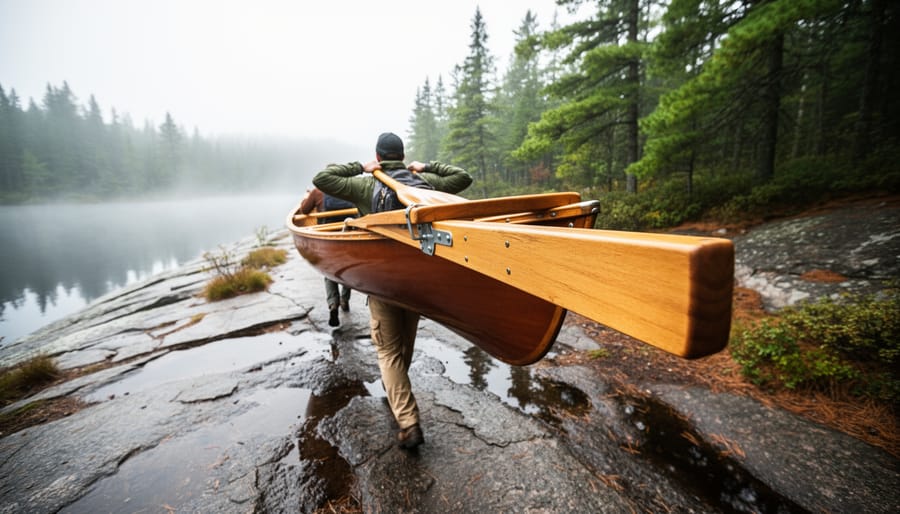
A canoe portage yoke transforms a brutal carry into something you can actually sustain over Ontario’s classic 400-meter carries, and choosing the right one comes down to three things: how it distributes weight across your shoulders, whether it fits both you and your canoe, and how quickly you can get it on when blackflies are swarming.
Most canoes come with a basic wooden yoke bolted to the center thwart, but that standard setup works for maybe half of paddlers. If you’re tall, short, or carrying a Kevlar ultralight versus a heavy Royalex tripper, you’ll feel the mismatch by portage two. The difference between a yoke that works and one that doesn’t becomes crystal clear when you’re halfway across a rocky 800-meter trail with a 70-pound canoe grinding into your collarbone.
Here’s what matters in real conditions on routes like Algonquin’s Highland or Temagami’s Lady Evelyn: padding thickness (you want at least an inch of closed-cell foam), adjustability (especially if multiple paddlers share carrying duty), and whether the yoke lets you balance the canoe without constant micro-adjustments. I’ve watched paddlers swap a $30 foam upgrade onto their factory yoke and shave minutes off every carry, while others invest in custom-contoured yokes that feel like they were made for their body, because they were.
The right yoke setup isn’t optional gear. It’s the piece of equipment that lets you enjoy the backcountry instead of just surviving the trail between lakes.
Why a Good Portage Yoke Matters on Ontario’s Canoe Routes

A quality portage yoke transforms what could be a shoulder-bruising ordeal into a manageable trek between Ontario’s stunning waterways. The difference becomes crystal clear when you’re halfway along a 700-metre carry at Algonquin Park’s interior routes, where poorly distributed weight can turn your shoulders numb and your neck stiff before you reach the next put-in.
Comfort matters most when you’re carrying 30 to 50 kilograms of canoe and gear across uneven terrain. A well-designed yoke spreads the load across your shoulders and upper back, preventing pressure points that develop into painful hot spots after just minutes under a basic thwart. Those planning to tackle routes like the Northern Canoe Trail or Quetico’s wilderness loops should consider that many trips involve multiple carries daily, some stretching over a kilometre.
Safety improves with proper weight distribution too. When a yoke fits correctly, you maintain better balance on rocky or root-crossed trails, reducing stumble risk when you can’t see your feet. Quetico Provincial Park features maintained portages throughout its backcountry, but even groomed paths demand steady footing under a loaded canoe.
The enjoyment factor shouldn’t be underestimated. A comfortable custom portage yoke means you arrive at each lake ready to paddle rather than nursing sore shoulders. You’ll appreciate the difference when stringing together a week-long itinerary where portaging becomes part of the rhythm, not something to dread. The right yoke doesn’t just carry your canoe, it keeps you fresh enough to actually enjoy Ontario’s remote paddling gems.
Top Portage Yoke Options for Ontario Paddlers
1. Contoured Foam Yokes
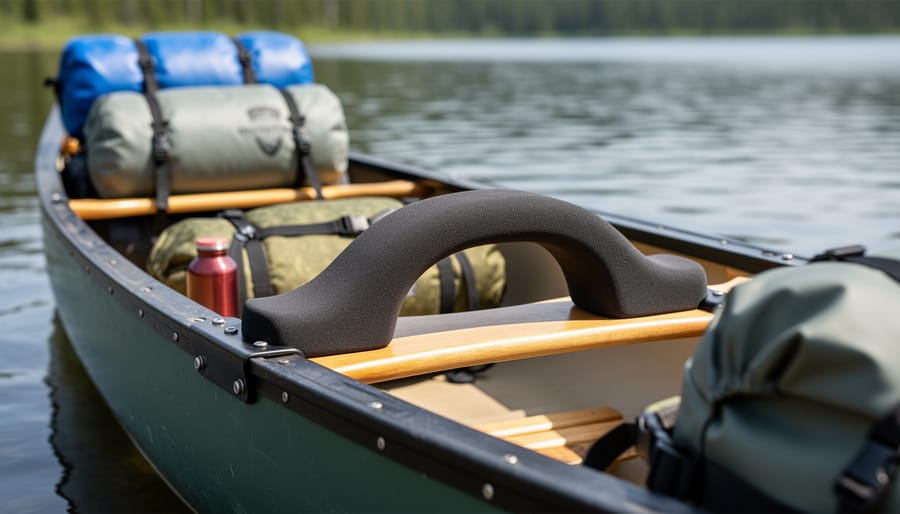
Contoured foam yokes represent the gold standard for paddlers tackling Ontario’s demanding portage routes. The secret lies in their ergonomic design: thick, sculpted foam padding molds to your shoulders and neck, spreading the canoe’s weight across a broader surface area than traditional flat bars ever could. This matters enormously when you’re halfway through a 600-meter carry between lakes in Algonquin’s interior.
The best contoured foam yokes feature dense, closed-cell foam that won’t absorb water or compress permanently after repeated use. Look for models with at least two inches of padding and a gentle curve that follows your natural shoulder line. Quality versions include grippy textures that prevent the yoke from sliding during uneven terrain crossings, a common frustration on root-strewn Ontario trails.
These yokes shine brightest on multi-day expeditions where you’ll face numerous portages. When you’re carrying a loaded canoe plus 40 pounds of camping gear, that extra cushioning becomes the difference between manageable discomfort and genuine pain. The weight distribution prevents pressure points that can leave you sore for days.
When selecting a contoured foam yoke, pay attention to width. Broader-shouldered paddlers need wider spacing between the gunwales, while narrower builds benefit from tighter configurations. Test the fit if possible, your neck should rest comfortably in the center cutout without forcing your head into an awkward tilt. Many outfitters in Huntsville and North Bay stock demo models you can try with different canoe widths before committing.
2. Curved Wood Yokes

Curved wood yokes represent the traditional choice that many Ontario paddlers swear by, and for good reason. Crafted from hardwoods like ash or cherry, these yokes feature a gentle curve that follows the natural contour of your shoulders and neck. The wood absorbs vibration better than metal alternatives, which translates to less fatigue on longer portages through places like the Magnetawan River system.
The aesthetic appeal matters more than you might think. There’s something deeply satisfying about a beautifully finished wood yoke that matches your canoe’s gunwales and thwarts. Beyond looks, wood offers functional warmth in cool spring conditions, aluminum can feel brutally cold on your shoulders during early-season trips to Temagami.
Durability is where wood shines if you treat it right. A properly maintained wood yoke can outlast its owner, though it does require occasional sanding and refinishing with marine varnish or tung oil. The weight sits between foam and aluminum options, typically around three to four pounds depending on the wood species.
Wood yokes excel on classic Ontario routes where tradition meets function. They’re ideal for paddlers who appreciate craftsmanship, own wood-canvas or wood-trimmed canoes, and aren’t counting every ounce. The natural grip of wood against your shoulders provides excellent control on technical portages with roots and rocks, common throughout the Canadian Shield landscape. If your portages involve steep terrain or awkward landings, that tactile connection to your canoe becomes a real safety advantage.
3. Adjustable Aluminum Yokes
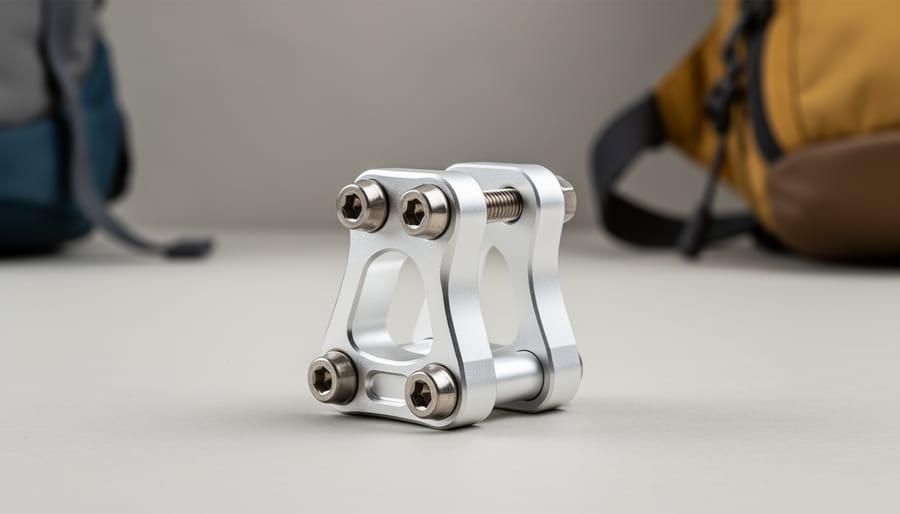
Modern aluminum yokes bring versatility to portaging, especially for paddlers who share a canoe or frequently switch between different boats. These yokes typically feature sliding mechanisms that let you adjust the width to fit various canoe models, from narrow solo canoes to wider tandem boats. Most aluminum designs weigh between 2 and 4 pounds, making them among the lightest options available.
The adjustability shines when multiple people use the same canoe. Taller paddlers can widen the yoke for better shoulder placement, while shorter paddlers can narrow it for a more centered carry. This customization means you’re not locked into one fixed position like you would be with a traditional wood yoke. Some models include pivoting shoulder pads that move with your stride, reducing pressure points on longer carries.
The trade-offs matter, though. Aluminum conducts temperature, so these yokes feel noticeably cold during early-season trips in Ontario when frost still lingers on portage trails. The metal can also dig into shoulders more than foam or wood if the padding is minimal. Budget around $80 to $150 for quality aluminum yokes with decent shoulder pads.
Check the locking mechanisms carefully before buying. Clamps that require tools can loosen on bumpy portages, while quick-release systems sometimes shift under heavy loads. Test the yoke’s stability with your loaded canoe before heading into backcountry areas like Temagami or the French River where portage help isn’t available.
4. Padded Carrying Yokes with Accessories
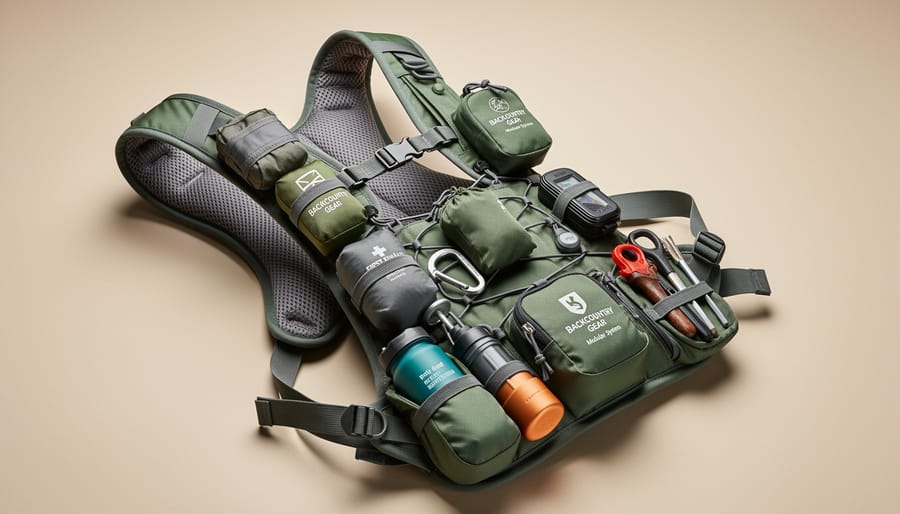
For paddlers tackling week-long expeditions into Quetico or remote stretches of the French River, a yoke with integrated accessories transforms portaging from a chore into a manageable system. These enhanced models go beyond basic shoulder comfort, they’re designed to keep your hands free and your gear organized during long carries.
The standout feature is multiple attachment points. D-rings or webbing loops let you clip a water bottle, GPS unit, or bug net directly to the yoke, so you’re not fumbling through dry bags mid-portage. Some models include built-in pockets for maps or snacks, invaluable when you’re navigating a complex route with multiple put-ins and takeouts.
Padding on these yokes tends to be thicker and wider than standard options, often using closed-cell foam that won’t absorb water during surprise rain showers. Expect contoured shapes that distribute weight across your shoulders and upper back rather than concentrating pressure on your neck. The extra bulk adds about half a pound compared to basic wood yokes, but the trade-off is worth it when you’re carrying a loaded seventeen-foot canoe over rough terrain.
Look for models with replaceable padding sections, Ontario’s humid summers and freeze-thaw cycles are tough on materials. Check that attachment hardware is rustproof stainless steel or marine-grade aluminum. These yokes typically run between two hundred and three hundred dollars, reflecting the engineering and materials that make extended trips more comfortable and efficient.
Yoke Features Comparison
Choosing the right yoke means balancing comfort, durability, and trip requirements. Here’s a quick comparison to help you decide which type suits your Ontario paddling plans.
| Yoke Type | Material | Weight | Comfort | Price Range | Best For |
|---|---|---|---|---|---|
| Contoured Foam | Foam over wood/aluminum | 2-3 lbs | Excellent | $80-$150 | Multi-day trips, all skill levels |
| Curved Wood | Ash, cherry, or walnut | 3-4 lbs | Good | $100-$250 | Day trips, traditional canoes |
| Adjustable Aluminum | Aluminum with padding | 1.5-2.5 lbs | Good to Very Good | $60-$120 | Shared canoes, varying paddlers |
| Padded with Accessories | Multiple materials, enhanced foam | 3-5 lbs | Excellent | $150-$300 | Extended expeditions, heavy loads |
For a family canoe trip with shorter portages, the curved wood or basic aluminum options work well without breaking the bank. Serious trippers tackling Quetico’s long carries benefit from investing in contoured foam or fully padded models that distribute weight evenly across your shoulders and reduce fatigue over multiple kilometres.
Practical Information for Choosing and Installing Your Yoke
Before you invest in a portage yoke, measure your canoe’s gunwale width at the balance point (typically just aft of center, roughly where the front seat ends). Most yokes fit gunwales 30 to 36 inches apart, but older or wider canoes may need custom solutions. Check your canoe’s existing thwart placement: you’ll likely remove the center thwart and replace it with the yoke, so note whether the mounting hardware is riveted or bolted, as this affects installation difficulty.
- Confirm gunwale width at the balance point before ordering
- Check whether existing hardware is bolted or riveted
- Verify yoke length matches your canoe model and hull shape
- Test the balance point with a partner lifting from both ends
- Ensure padding sits comfortably on your shoulders when standing upright
Installation usually requires a drill, appropriate-sized bolts (stainless steel resists corrosion better in Ontario’s humid conditions), washers, and lock nuts. If you’re replacing rivets, you’ll need a rivet removal tool or drill bit sized to the rivet shaft. Position the yoke so the curved or contoured section aligns with your shoulders when the canoe rests naturally on your neck. Before tightening fully, lift the canoe in your driveway or yard and walk a few steps to confirm the balance feels right. Adjust fore or aft by an inch or two if the bow or stern dips noticeably.
Pack a small multi-tool and spare bolts in your trip kit for on-route adjustments. After your first portage, check that all hardware remains snug; vibration and flexing during paddling can loosen new installations. If you’re driving to a trailhead, consult a parking survival guide for Ontario canoe access points, and if relying on public transport to reach put-in locations, confirm your yoke setup doesn’t interfere with portaging from bus stops or train stations to the water.
Local Tips from Ontario’s Paddling Community
Experienced Ontario paddlers know that breaking in a new yoke before a big trip can save you considerable shoulder pain. Start with short carries around your yard or local park, gradually adding weight to simulate a loaded canoe. This helps your body adjust to the pressure points and lets you identify any hot spots before you’re halfway through a kilometer-long portage in Algonquin.
Ontario’s humid summer conditions can be hard on foam and wood yokes. Wipe down your yoke after each portage to prevent mold growth, especially if you’re paddling during July and August when humidity peaks. Wood yokes benefit from a light coat of linseed oil at the start and end of each season, which protects against moisture damage without creating a slippery surface. Store your yoke in a dry, ventilated space between trips rather than leaving it strapped to your canoe in a damp garage.
Cold-weather paddlers in May or September should add an extra foam pad or wear a thicker fleece layer, since cold shoulders fatigue faster under load. Local paddlers also suggest bringing duct tape and a small piece of foam on any trip for emergency padding adjustments when a yoke starts rubbing wrong on day three.
For eco-friendly yoke care, skip harsh chemical cleaners that can leach into waterways during your next portage. A biodegradable soap and water solution works perfectly for cleaning. When you need to replace worn padding, look for recyclable foam options or donate your old yoke to paddling clubs that refurbish gear for newcomers. These local portage tips keep both you and Ontario’s backcountry waters in better shape for seasons to come.
Common Questions About Portage Yokes
Choosing the right portage yoke often raises practical questions, especially for paddlers new to Ontario’s backcountry or those upgrading their gear. Here are answers to the most common concerns we hear from the paddling community.
Will any yoke fit my canoe?
Most yokes are designed for standard canoe widths (32-36 inches at the center thwart), but you need to verify your canoe’s measurements and gunwale spacing before purchasing. Many adjustable aluminum models offer flexibility across different hull designs, while fixed wood or foam yokes require precise sizing.
Can I add padding to my existing basic yoke?
Yes, foam pipe insulation or closed-cell sleeping pad sections work well as DIY padding and cost just a few dollars. Secure the padding with duct tape or zip ties, and replace it each season or when it starts compressing unevenly.
How do I know when to upgrade from my canoe’s stock yoke?
If you’re experiencing shoulder pain after short portages, noticing pressure points that don’t improve with adjustment, or planning multi-day trips with longer carries, it’s time to invest in a contoured or padded yoke. The difference becomes especially noticeable on Algonquin’s longer portages where comfort directly impacts your enjoyment.
Can I retrofit an older canoe that never had a yoke?
Absolutely, as long as the gunwales are sturdy and you can locate the balance point (typically just aft of center). You’ll need to drill mounting holes or use clamp-style hardware, but many paddlers successfully add yokes to vintage canoes with basic tools and careful measurement.
When traveling to remote put-ins, remove your yoke if it extends above the gunwales to prevent damage during vehicle transport. Some paddlers keep a basic backup yoke in their gear cache, particularly for extended Quetico trips where equipment failure means serious inconvenience. The investment in a quality yoke pays off quickly once you experience the difference on your first long portage of the season.













+ There are no comments
Add yours