
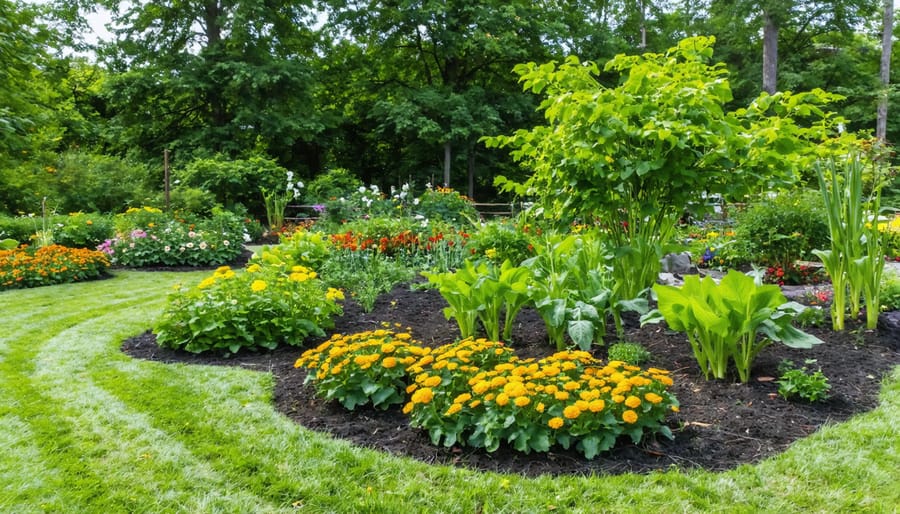
Transform your backyard into a thriving ecosystem by mastering seven game-changing sustainable agriculture practices showcased in our interactive outdoor programs. Sustainable farming isn’t just about growing food—it’s about nurturing the earth while producing abundant harvests for generations to come.
From small-scale gardeners to seasoned farmers, these time-tested methods help reduce environmental impact while maximizing crop yields. By implementing smart water management, building healthy soil ecosystems, and embracing biodiversity, you’ll create a resilient agricultural system that works in harmony with nature.
Whether you’re starting a backyard garden or managing acres of farmland, these seven practices will revolutionize your approach to growing food. They represent the perfect balance between traditional wisdom and modern innovation, ensuring your agricultural efforts remain productive while protecting our precious natural resources.
Let’s explore these proven techniques that thousands of successful farmers across Ontario have already adopted to create thriving, sustainable food systems that benefit both people and the planet.
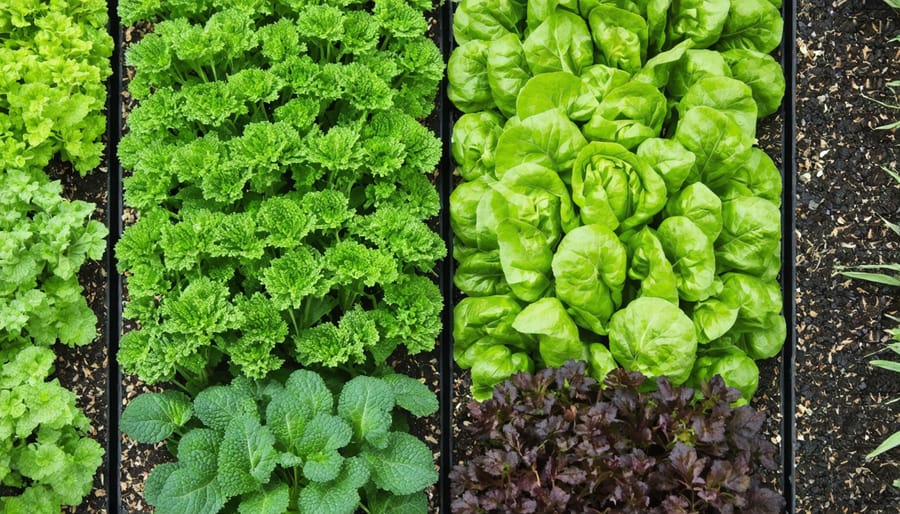
Crop Rotation in Park Demo Gardens
Seasonal Planning for Home Gardens
Taking inspiration from our park demonstration gardens, you can create a thriving home garden that changes with Ontario’s seasons. Start planning your spring garden in late winter by selecting native plant varieties and mapping out your plots. Come March, begin indoor seedling preparation for frost-sensitive plants like tomatoes and peppers.
As summer approaches, implement companion planting techniques learned from our demonstrations – try pairing basil with tomatoes or marigolds with vegetables to naturally deter pests. During peak growing season, practice water conservation by mulching and collecting rainwater.
For fall, focus on cool-weather crops like kale and root vegetables. Plant cover crops like clover or rye in unused beds to protect and enrich soil over winter. Don’t forget to collect seeds from your strongest plants for next year’s garden!
Create a seasonal calendar marking important dates for planting, harvesting, and maintenance tasks. This helps you stay organized while working with nature’s rhythms, just as our sustainable demonstration gardens do.
Water Conservation Through Smart Irrigation

DIY Water-Saving Solutions
Want to make your garden more water-efficient? Here are some simple DIY solutions you can implement right at home! Start by collecting rainwater in barrels placed under your downspouts – this free water source is perfect for garden irrigation. For vegetable beds, try creating a simple drip irrigation system using old plastic bottles: just punch tiny holes in the caps, bury them neck-down near your plants, and fill them with water for slow-release moisture.
Mulching is another game-changer that helps retain soil moisture. Use organic materials like straw, leaves, or wood chips to create a 2-3 inch layer around your plants. You can also make self-watering planters from recycled containers by adding a water reservoir at the bottom – perfect for herbs and small vegetables!
For larger gardens, consider installing a soaker hose system. These porous hoses deliver water directly to plant roots, reducing evaporation. Remember to water early morning or evening to minimize water loss, and group plants with similar water needs together. These simple techniques not only save water but also help create a thriving, sustainable garden that works in harmony with nature.
Natural Pest Management
Companion Planting Techniques
At the Bruce Peninsula’s visitor center garden, you’ll find a perfect example of companion planting in action. Tall sunflowers provide natural support for climbing beans, while squash spreads along the ground below, creating a living mulch that keeps the soil moist and suppresses weeds. This traditional “Three Sisters” planting method, demonstrated by Indigenous educators, shows how different plants can work together harmoniously.
Over at Bronte Creek Provincial Park, workshop leaders demonstrate clever pairings like marigolds with tomatoes to deter pests naturally, and nasturtiums with cucumbers to attract pollinators. The fragrant herb garden showcases how planting basil near tomatoes not only improves flavor but also repels unwanted insects.
Visitors can join weekly gardening demonstrations where park naturalists share tips for successful plant combinations. My favorite trick learned from these sessions is planting aromatic herbs like dill and cilantro throughout the vegetable garden – they attract beneficial insects while adding fresh flavors to your harvest. These companion planting techniques help create a balanced garden ecosystem without chemical interventions.
Soil Conservation Methods
Creating Your Own Compost
Transform your kitchen scraps and yard waste into black gold for your garden through composting! During our engaging park workshops, visitors learn the simple art of creating nutrient-rich compost at home. Start by layering “green” materials like fruit peels, coffee grounds, and grass clippings with “brown” materials such as dried leaves, straw, and newspaper. Keep your pile moist but not soggy – think of a wrung-out sponge. Turn it every few weeks with a pitchfork to add oxygen, which speeds up decomposition.
Pro tip: Store kitchen scraps in a countertop bin with a charcoal filter to avoid odors, and remember to maintain a roughly 3:1 ratio of browns to greens. In about 3-6 months, you’ll have dark, crumbly compost that smells like fresh earth. Use it to enrich your garden soil, reduce waste, and close the loop in your backyard ecosystem. It’s amazing how yesterday’s breakfast banana peel can become tomorrow’s tomato fertilizer!
Indigenous Agricultural Practices
When you visit Ontario Parks, you’ll discover fascinating demonstrations of Indigenous farming practices that have sustained communities for thousands of years. The Three Sisters method – growing corn, beans, and squash together – is a perfect example of natural companion planting you might spot in park demonstration gardens. The corn provides a natural trellis for the beans, while the beans fix nitrogen in the soil, and the squash’s broad leaves keep the soil moist and prevent weeds.
Many parks showcase traditional water conservation techniques, like the strategic placement of stones to direct morning dew to plant roots. You’ll also learn about the Indigenous practice of protecting soil health through minimal tillage and the use of natural mulches from forest materials.
What’s particularly exciting is how these time-tested methods align perfectly with modern sustainable farming. Take the traditional practice of saving seeds from the strongest plants – it’s now recognized as a crucial strategy for maintaining crop diversity and resilience.
Want to try these methods at home? Start small with a Three Sisters garden plot. Park interpreters often share tips on timing your planting – corn first, followed by beans when the corn reaches about 6 inches, then squash two weeks later. These ancient techniques aren’t just history lessons; they’re practical solutions for today’s home gardeners looking to grow food sustainably.

Year-Round Growing Techniques
Ontario’s parks showcase innovative ways to extend the growing season beyond traditional summer months. Through hands-on workshops at various demonstration gardens, visitors learn how to use cold frames, hoop houses, and other season-extension techniques that work beautifully in our climate.
At these engaging sessions, park naturalists share practical tips for maintaining crops year-round. You’ll discover how to build simple structures like mini-greenhouses from recycled materials, and learn the art of succession planting to ensure continuous harvests. The workshops also cover essential winter growing strategies, including selecting cold-hardy varieties and using row covers to protect tender plants.
What makes these demonstrations special is their focus on working with Ontario’s unique weather patterns. You’ll pick up clever tricks like using thermal mass (water-filled containers) to regulate temperatures and creating windbreaks from natural materials. The best part? These methods are perfectly adaptable for home gardens, whether you have a sprawling backyard or a tiny balcony.
Don’t miss the winter workshops, where you can explore indoor growing techniques like microgreens and sprouts – perfect for maintaining fresh produce even during snowstorms!
Sustainable agriculture practices are more than just farming techniques – they’re essential tools for building a greener, more resilient future. Through these seven methods, we can all contribute to environmental conservation while producing healthy, local food. Whether you’re a backyard gardener or aspiring farmer, Ontario’s parks offer incredible hands-on learning experiences to help you get started. Join a weekend workshop to learn composting basics, explore water conservation techniques, or discover companion planting strategies. You’ll connect with like-minded individuals while gaining practical skills to implement at home. Remember, every small step toward sustainable agriculture helps create a healthier planet for future generations. Check your local park’s event calendar to find upcoming workshops and start your journey toward sustainable farming today!











+ There are no comments
Add yours