
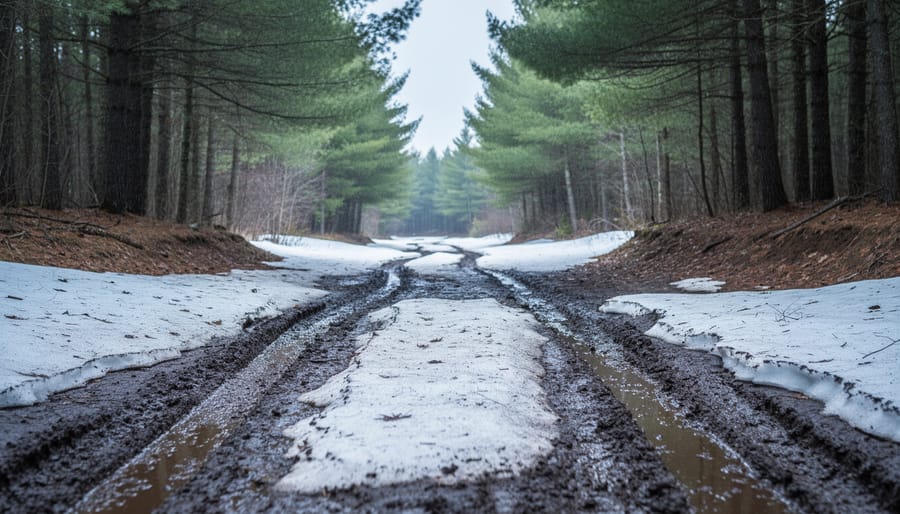
The trails are closed. Michigan’s Upper Peninsula snowmobile season wrapped up in spring 2026, with grooming operations suspended due to thawing conditions and inconsistent weather that made trail maintenance impractical. If you’re planning your next U.P. adventure, you’re in the right place to understand how the trail advisory system works and how to stay informed when conditions improve.
The U.P. hosts some of the Midwest’s most exhilarating snowmobile terrain, but riding here requires more than checking the weather. Before you load your sled, you need to register your snowmobile with the Michigan Secretary of State and purchase a trail permit for legal access to state-designated trails, public roads, and authorized public lands. These aren’t suggestions; they’re requirements that keep the trail system funded and you on the right side of the law.
Trail condition reports update twice weekly on Mondays and Thursdays based on groomer reports from across the region. Grooming can stop unexpectedly due to equipment breakdowns, temperature swings, or extreme snow conditions, so real-time information becomes your most valuable tool. Right now, there are no temporary trail closures listed, but that’s because there’s nothing to close. The season ended as conditions deteriorated from rideable to poor, forcing clubs to focus on road routes and main corridors before shutting down entirely.
Current Trail Status Snapshot
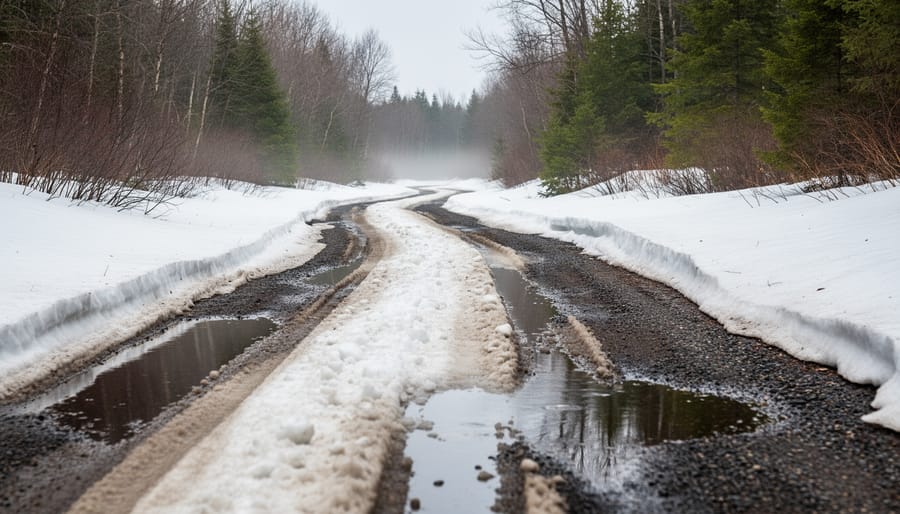
As of late August 2026, all Upper Peninsula snowmobile trails are officially closed. The 2025-26 season wrapped up months ago, when spring thaw and unpredictable weather conditions made continued trail maintenance impossible. Grooming operations have been suspended entirely, and there are no temporary trail closures in effect because the entire system is already shut down for the off-season.
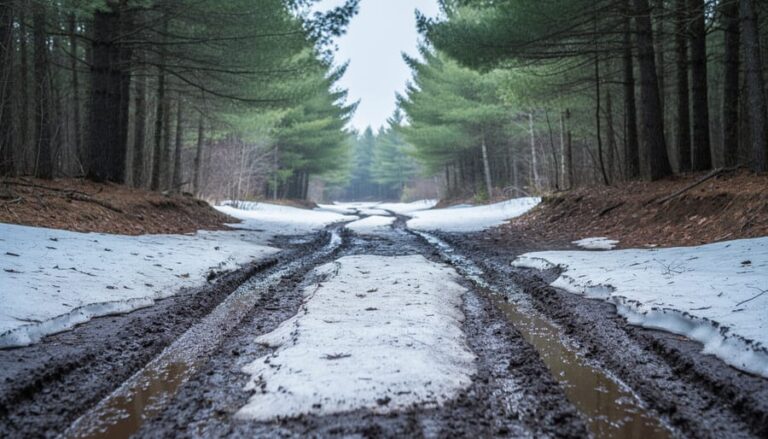
The decision to end grooming came down to practicality: thawing snow, inconsistent spring conditions, and the wear on equipment simply aren’t worth fighting once Mother Nature signals the season is done. Trail crews work hard, but they can’t groom mud or battle freeze-thaw cycles that destroy a freshly groomed surface overnight.
We’re now firmly in the off-season planning phase. That means no riding, no grooming updates, and no trail reports until winter returns. This downtime isn’t wasted, though. Groomers are maintaining equipment, clubs are planning improvements, and riders like you can use these months to prepare for the next season. Think of it as a chance to refresh your gear, renew your trail permit when the time comes, and start dreaming about those first powder runs next winter.
How the U.P. Trail Reporting System Works
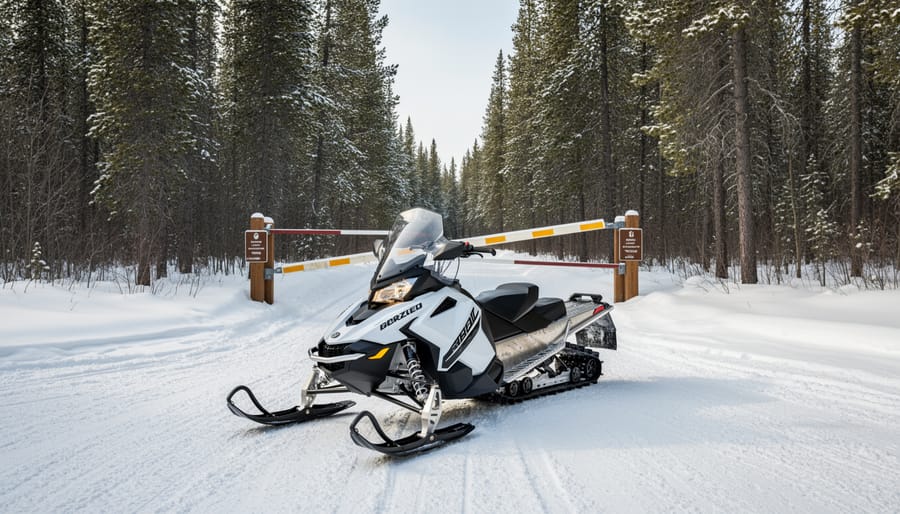
The U.P. trail reporting system runs on a simple but reliable rhythm: fresh updates land every Monday and Thursday based on what groomers across the peninsula report from the field. These aren’t desk predictions, they’re boots-on-the-ground assessments from the operators maintaining hundreds of miles of trail, so you’re getting real intelligence about what’s rideable right now.
Grooming typically kicks off in December once snowpack reaches sustainable depths, then runs through March. The 2025-26 season wrapped earlier than some riders hoped because spring thaw and erratic weather made further maintenance pointless. When temperatures swing wildly or snow turns to mush, dragging a groomer does more harm than good, you’re just churning up dirt and damaging equipment. That’s why operations suspend when conditions deteriorate beyond salvage.
Here’s what those condition labels actually mean in practice. “Poor conditions” doesn’t mean unrideable, it means expect rough patches, exposed ground in spots, and variable snow depth. You’ll work harder and your sled will take more abuse, but experienced riders navigate poor trails all the time. “Road routes” signals exactly that: the designated trail follows plowed roads rather than off-road corridors, usually because snow coverage isn’t adequate for traditional trail riding. “Main corridors” indicates the high-traffic arteries connecting towns and trail systems are in better shape than secondary spurs.
One insider trick: pay attention to which specific regions report good conditions versus poor. The western U.P. often holds snow better than eastern sections, and higher elevations stay rideable longer into spring. Don’t treat the whole peninsula as one monolithic system, conditions vary dramatically across 300-plus miles of geography, and those biweekly updates help you target the best riding zones for any given week.
What You Need Before You Ride (When Trails Reopen)
Before you set off on Michigan’s snowmobile trails, you need two critical documents in hand. First, register your snowmobile with the Michigan Secretary of State, this is your baseline legal requirement, proof that your machine is on the books. Second, purchase a trail permit that grants access to state-designated trails, public roads, and authorized public lands across the U.P.
These aren’t bureaucratic hurdles. Your trail permit dollars directly fund grooming operations, signage maintenance, and safety infrastructure that keep these corridors rideable throughout winter. Every permit purchased helps volunteers and clubs maintain the 3,000-plus miles of trails you’ll explore. Think of it as your contribution to the system that makes U.P. snowmobiling possible.
Here’s what you need to do before you ride when trails reopen:
- Register your snowmobile with the Michigan Secretary of State and keep proof of registration accessible
- Purchase your trail permit through authorized dealers or online before heading out
- Check the latest condition reports on Mondays and Thursdays when updates are posted
- Pack essential safety gear including first aid supplies, GPS or maps, and emergency communication devices
Riding without proper registration or permits isn’t just illegal, it risks hefty fines and undermines the volunteer network that keeps trails groomed. Rangers and local enforcement do check, especially on popular routes near Munising and Houghton. Being a responsible rider means showing up prepared, supporting trail maintenance through permit fees, and respecting the infrastructure that makes these adventures possible season after season.
Why Grooming Stops (And What It Means for Riders)
Grooming operations are a complex dance with nature, and understanding why they stop helps you plan smarter trips and appreciate the work behind those perfect corduroy trails. Equipment breakdowns are the most straightforward reason, groomers are heavy machines operating in harsh conditions, and when a key component fails, crews need time to source parts and make repairs before they can get back out there.
Weather throws the bigger curveballs. Extreme cold (below -20°F) makes snow brittle and equipment vulnerable, while temperatures hovering around freezing turn trails into slush that no amount of grooming can fix. Too little snow leaves groomers scraping bare ground and damaging both equipment and the trail base underneath. Conversely, excessive snowfall can bury trail markers and make grooming dangerous until crews can safely assess conditions. If you want to better understand how grooming works and what crews face out there, you’ll gain respect for the precision timing required.
Spring thaw, like what ended the 2025-26 season, creates impossible conditions. Inconsistent temperatures cause freeze-thaw cycles that break down the snow structure, leaving trails with soft spots, exposed rocks, and unpredictable surfaces that grooming can’t repair. Continuing operations would damage trails and equipment while delivering poor results.
There’s an eco-friendly silver lining: letting trails rest allows the land to recover from winter’s compaction, giving vegetation and wildlife habitat time to regenerate naturally before the cycle begins again next season.
Planning Ahead for the Next Season
With the 2025-26 season behind us, now’s the time to set yourself up for success next winter. I learned this the hard way after driving six hours only to find trails barely rideable, these days, I never leave home without checking conditions twice: once when I book, and again the morning we load the trailer.
Your most reliable resource is the official Trail Conditions, Closures and Grooming Advisory, updated every Monday and Thursday with fresh groomer reports from across the Upper Peninsula. Bookmark it. Check it obsessively. The reports tell you exactly what’s rideable right now, not what looked good last week. When you see “poor conditions,” that’s not a suggestion, it means thin coverage, exposed rocks, and a high chance you’ll be walking your sled back. Road routes, on the other hand, often stay passable longer into spring or open earlier in the season when inland trails need more snow.
Build flexibility into your plans. My crew always scouts three or four loop options before a trip, ranking them by snow reliability and grooming frequency. If our first-choice route looks sketchy on Thursday’s report, we pivot to Plan B without losing a day of riding. Local snowmobile clubs are goldmines for this kind of intel, a quick phone call can tell you which trails got groomed overnight or where a warm snap created trouble spots the official report hasn’t caught yet.
The riders who enjoy the U.P. most are the ones who adapt. Conditions change fast here, sometimes within hours, and rigid itineraries lead to frustration. Stay loose, stay informed, and you’ll find excellent riding even when the forecast isn’t perfect.
Common Questions About U.P. Trail Conditions
Riders new to the U.P. often have the same questions about navigating the trail system, especially if they’re crossing over from Ontario. Here are the answers to what we hear most often.
When do U.P. trails typically open for the season?
Trail openings depend entirely on snow conditions, not calendar dates. Most seasons begin in December or early January once there’s sufficient base, and run through March or early April before spring thaw forces closure, like what ended the 2025-26 season.
What does “poor conditions” actually mean?
Poor conditions usually indicate thin snow cover, exposed grass or rocks, or icy patches that make riding uncomfortable or risky for your machine. You can technically ride, but expect a rough experience and potential damage to your sled’s skis or track.
Can I ride on road routes when trails are closed?
Road routes require the same trail permit and registration as designated trails. When the system shows trails closed, all designated routes, trails and roads, are closed for the season.
What happens if I ride without a permit?
Riding without proper registration and a trail permit is illegal in Michigan. You’ll face fines, and you’re putting the trail system at risk since permit fees fund grooming and maintenance that makes these routes rideable.
The Monday and Thursday updates reflect real conditions reported by groomers across the peninsula, so they’re as reliable as the weather allows. Conditions can shift between updates if a surprise thaw or heavy snow hits, which is why checking the report close to your ride date matters. If you’re planning a trip from Ontario, give yourself flexibility in your dates. I’ve learned to book accommodations with lenient cancellation policies during shoulder season, and I always have a backup plan that doesn’t involve trails. The U.P. has plenty to offer even when the snow isn’t cooperating.




+ There are no comments
Add yours