
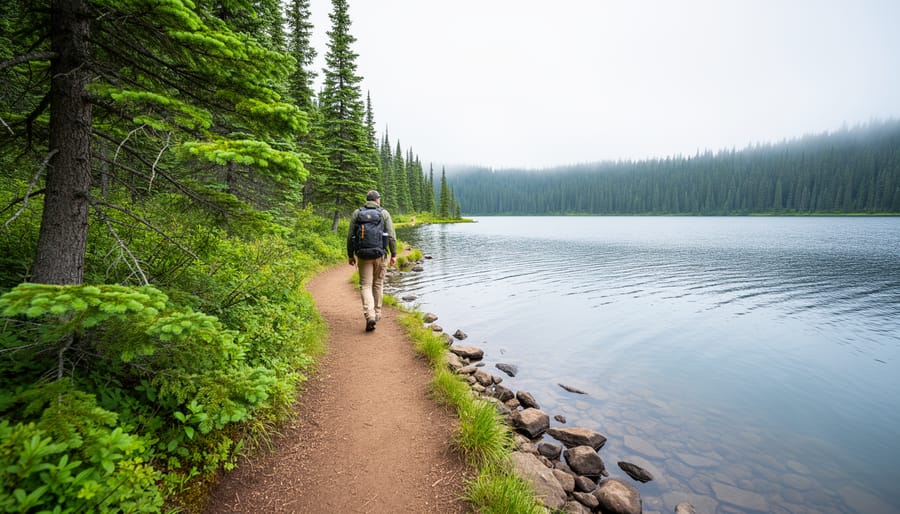
If you’ve been searching for Hunt Lake Hiking Trail expecting to find it in Ontario’s Blue Lake Provincial Park, here’s the truth: Hunt Lake Trail is actually located in Whiteshell Provincial Park, Manitoba, near the Ontario border by West Hawk Lake. This 12.6-kilometre out-and-back route winds through cedar and pine forest along the eastern shore of Hunt Lake before reaching beautiful West Hawk Lake, where you’ll find a picnic shelter at Indian Bay before retracing your steps.
The confusion is understandable. Hunt Lake sits tantalizingly close to the Manitoba-Ontario border, and many Ontario hikers stumble across references to this trail while researching lakeshore hiking options in their home province. But here’s the good news: if you’re looking for that same immersive forest-and-lake experience without crossing provincial lines, Ontario offers dozens of comparable trails that deliver the same peaceful combination of shoreline views, whispering conifers, and wilderness solitude.
This guide will clear up the Hunt Lake location mystery and then pivot to what really matters for Ontario adventurers: finding equally stunning lakeshore hikes closer to home. You’ll discover trails that mirror Hunt Lake’s best features (think pristine waters, shaded forest paths, and genuine backcountry tranquility) without the border crossing. Whether you’re drawn to the original Manitoba trail or prefer to explore similar gems in Ontario’s provincial parks, you’ll leave with a clear plan and insider tips for making the most of your next lakeside hike.
The Real Hunt Lake Trail: What You Need to Know
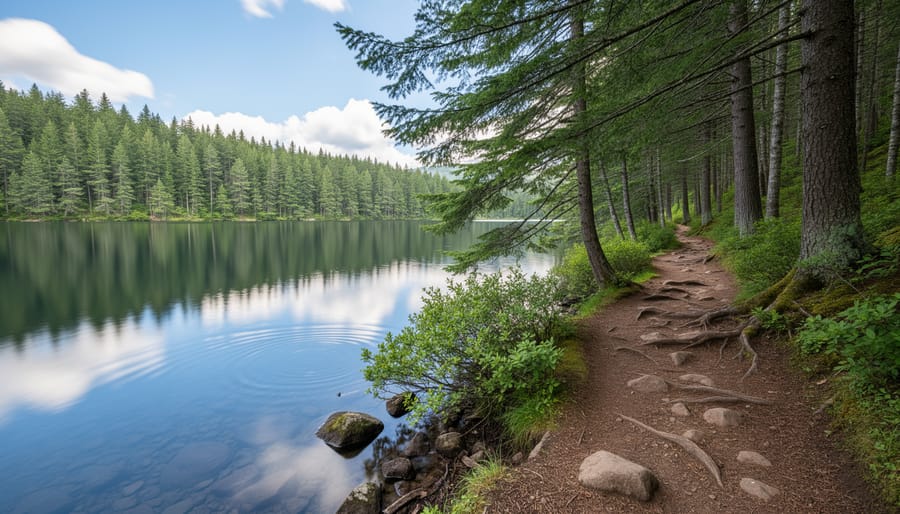
Hunt Lake Trail cuts through some of Manitoba’s most beautiful boreal forest, but you won’t find it by driving to Blue Lake Provincial Park. This 12.6-kilometre out-and-back route sits firmly within Whiteshell Provincial Park, near West Hawk Lake, right along the Manitoba-Ontario border. The confusion is understandable, given how close it is to Ontario, but getting your geography straight before you pack your boots will save you hours of frustration.
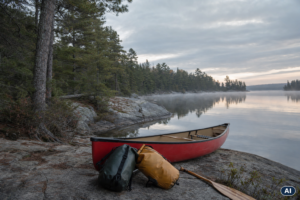
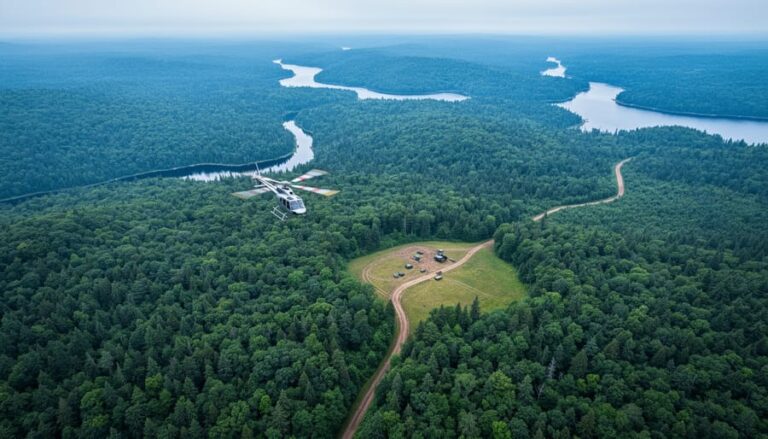
The trail itself follows the eastern shore of Hunt Lake, a smaller, quieter lake compared to its famous neighbour, West Hawk Lake. You’ll walk through dense stands of cedar and pine, with the forest occasionally opening up to reveal glimpses of the water. The path leads north to Indian Bay, where a picnic shelter marks your turnaround point. It’s the kind of trail that rewards you with solitude, the scent of pine needles warming in the sun, and the occasional loon call echoing across the water.
What makes this trail particularly appealing is its connection to West Hawk Lake, Canada’s deepest lake formed by a meteor impact. After you’ve completed the Hunt Lake portion, many hikers extend their visit to explore the West Hawk Lake shoreline. The transition from the intimate, enclosed feeling of Hunt Lake to the dramatic depth and clarity of West Hawk creates a memorable contrast.
Here’s the insider tip Ontario hikers need to know: this trail sits so close to the provincial border that it feels like a natural extension of your home province’s park system. West Hawk Lake is only about 10 kilometres from the Ontario line, making it an easy day trip or weekend escape for anyone living in northwestern Ontario. The drive from Kenora takes roughly an hour and a half, and suddenly you’re walking trails that feel both familiar and excitingly different. The boreal forest doesn’t change much when you cross that invisible line on the map, but Manitoba’s Whiteshell has its own distinct character, with fewer crowds and a wilder, more remote atmosphere than many comparable Ontario trails.
Why Ontario Hikers Are Drawn to the Manitoba Border
There’s something magnetic about West Hawk Lake that pulls Ontario hikers westward. Maybe it’s the idea of crossing an invisible line on Highway 1 and suddenly being in a different province, or maybe it’s the knowledge that you’re about to hike around the deepest lake in Manitoba, formed by a meteorite impact crater over 100 million years ago. Whatever the reason, Whiteshell Provincial Park has quietly become a weekend destination for eastern Canadian hikers looking for something different from their usual trails.
I’ve watched this shift happen over the past few years. Friends from Kenora and Thunder Bay have always treated the Manitoba border parks as their backyard, but now I’m hearing about hikers from as far as Winnipeg and even southern Ontario making the drive. The appeal goes beyond novelty. West Hawk Lake offers a geological story you can’t find in most Ontario parks. Standing at its shores, you’re literally looking into an ancient impact site that reaches 111 meters deep. The Hunt Lake Trail connects to this larger natural wonder, winding through cedar and pine forests that could easily belong to either province.
The proximity factor matters more than you’d think. For northwestern Ontario residents, Whiteshell sits closer than many of their own provincial parks. A hiker in Dryden can reach Hunt Lake faster than they could get to Quetico. But even for those farther east, there’s something appealing about a road trip that crosses a provincial boundary without requiring extensive planning. You don’t need a passport, the language stays the same, and your phone plan probably still works.
Cross-provincial exploration has become its own reward. Comparing the trail systems, the park management approaches, and the subtle differences in forest ecosystems creates a richer hiking experience than sticking to familiar territory.
Blue Lake Provincial Park: Ontario’s Own Hidden Hiking Treasures
If you’re craving that cedar-lined lakeshore experience without the border crossing, Blue Lake Provincial Park delivers remarkably similar rewards right here in Ontario. Tucked in the Frontenac Arch near Kingston, this park offers the same peaceful forest-and-water combination that draws hikers to Hunt Lake, with the bonus of easier access for most Ontario residents.
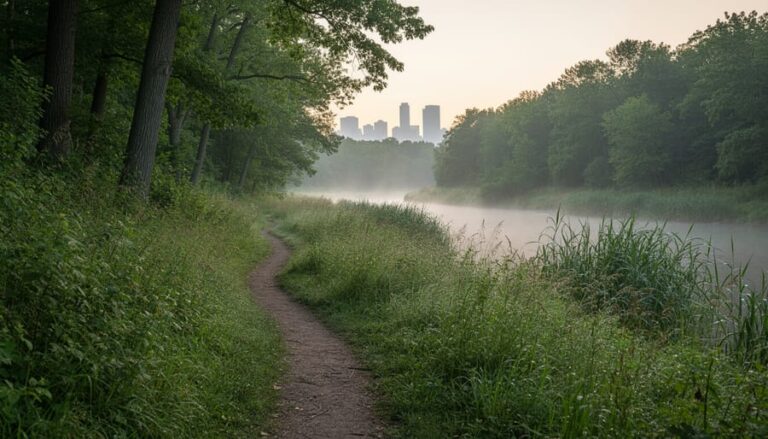
The park’s trail network winds through mixed hardwood and conifer forests, leading you to pristine lake viewpoints that rival anything across the provincial line. Unlike the single 12.6 km commitment at Hunt Lake, Blue Lake hiking offers multiple route options ranging from short shoreline strolls to longer backcountry loops. You’ll find yourself walking beneath white pine canopies, catching glimpses of the lake through the trees, then emerging at rocky outcrops where the water stretches out in shades of blue that justify the park’s name.
What Blue Lake shares with Hunt Lake is that sense of solitude. Both parks attract fewer crowds than their more famous neighbours, giving you space to actually hear the wind in the pines and spot wildlife without competing for viewpoints. The forest composition differs slightly, Blue Lake features more maple and oak mixed with its conifers, but that lakeshore serenity feels almost identical.
One insider tip: the backcountry campsites at Blue Lake let you extend what would be a day hike at Hunt Lake into an overnight adventure. Imagine paddling to a secluded site, then hiking deeper into the park from that base. It’s a flexibility the Manitoba trail can’t match.
The real advantage? You’re saving three to four hours of driving each way, which means more time on the trail and less fuel burned. For 2026 hiking season planning, Blue Lake’s central location makes spontaneous weekend trips actually feasible. Check recent trail conditions before heading out, as spring can bring muddy sections similar to what you’d encounter in Whiteshell.
Blue Lake might not have Hunt Lake’s crater lake mystique, but it counters with granite bedrock scenery shaped by the Canadian Shield, clear swimming spots, and that increasingly rare commodity in southern Ontario: genuine quiet. The trails here prove you don’t need to chase distant destinations when exceptional lakeshore hiking exists closer than you think.
Planning Your Ontario vs. Manitoba Trail Adventure
Deciding between Manitoba’s Hunt Lake Trail and Ontario’s offerings comes down to your timeline and what you’re after. Hunt Lake is roughly 2.5 to 3 hours east of Winnipeg, while travelers from southern Ontario face an 8-10 hour drive through the Lake of the Woods region. If you’re already planning a western Manitoba trip or camping near Kenora, the detour makes perfect sense. Otherwise, Blue Lake Provincial Park offers compelling lakeshore forest hiking without crossing provincial lines.
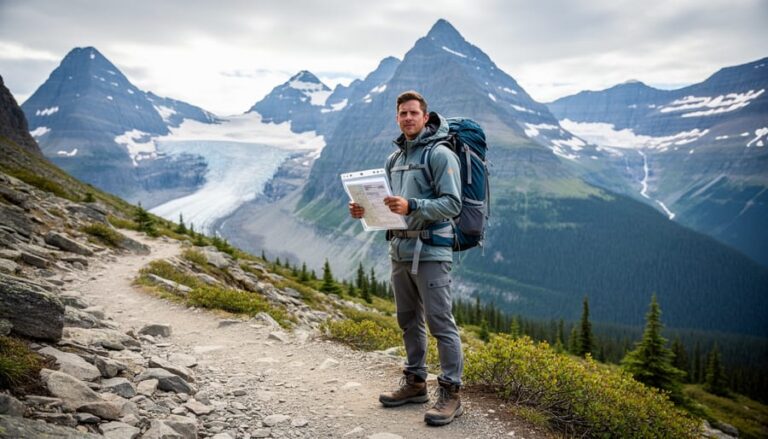
Both destinations shine from late May through September 2026, though June brings bugs to both regions. Pack your camping safety gear regardless of which trail you choose: sturdy boots, plenty of water, navigation tools, and layers for unpredictable weather. The 12.6 km Hunt Lake route demands more endurance than most Blue Lake trails, so assess your fitness honestly.
Whichever path you pick, commit to Leave No Trace principles. Pack out everything you bring in, stay on marked trails to protect fragile shoreline vegetation, and give wildlife plenty of space. Both parks face pressure from increased visitation, making your responsible choices genuinely meaningful. Bring reusable water bottles and containers rather than single-use plastics, and consider carpooling if you’re heading out with friends. These small steps preserve the cedar forests and pristine lakeshores that make both destinations worth visiting.
Whether you decide to cross into Manitoba for the authentic Hunt Lake Trail experience or discover what Blue Lake Provincial Park has waiting right here in Ontario, you’re in for stunning lakeshore hiking through tranquil forests. The search confusion that brought you here has actually opened up two excellent options instead of just one. Both destinations reward curious hikers with peaceful cedar and pine corridors, sparkling waters, and that restorative feeling only wilderness can provide.
Consider exploring both parks over time and sharing what you discover with fellow trail lovers. As you plan your adventures, remember that these beautiful spaces depend on our care. Pack out everything you bring in, stay on marked trails, and leave these natural treasures as pristine as you found them so future hikers can enjoy the same magic you experienced.






+ There are no comments
Add yours