
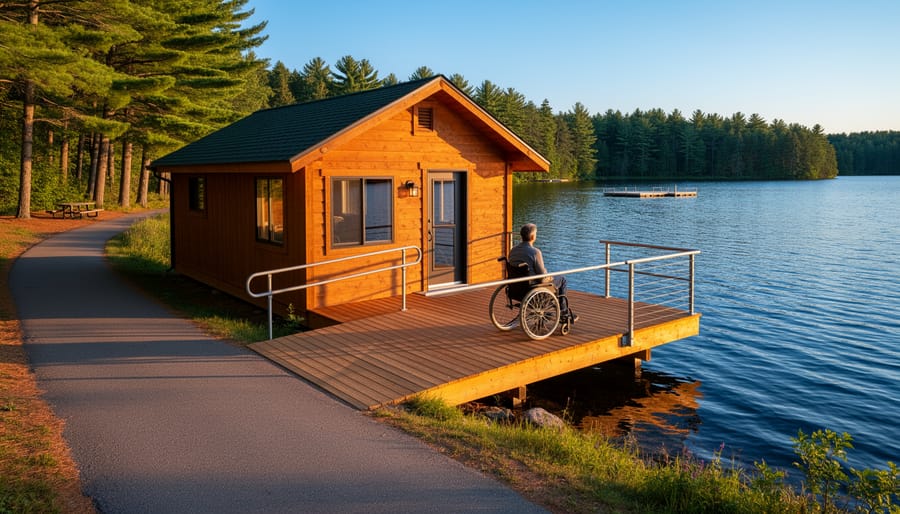
Check accessibility certifications before booking by contacting parks directly and asking specific questions about doorway widths, bathroom grab bars, and pathway surfaces—don’t rely solely on website descriptions. Request detailed photos of ramps, interior layouts, and parking proximity to ensure the cabin meets your exact mobility requirements.
Reserve early for peak seasons since truly accessible cabins represent a small percentage of available accommodations across Ontario’s parks, and demand far exceeds supply. Many wheelchair-accessible units book up six months in advance, especially at popular destinations.
Verify outdoor access features including paved or hard-packed trails connecting to washrooms, lookout points, and communal areas. The best accessible camping in Ontario locations offer more than just an adapted cabin—they provide barrier-free experiences of the surrounding landscape.
Pack adaptive equipment like portable ramps, bed rails, or shower chairs even when facilities claim full accessibility. Parks vary widely in their interpretation of “accessible,” and what works perfectly for one person might need customization for another.
Ontario’s outdoor spaces shouldn’t be off-limits to anyone. Whether you use a wheelchair, walker, or simply need ground-level accommodation, accessible cabins open up incredible camping experiences—from watching sunsets over pristine lakes to hearing loons call across quiet waters. Yet finding genuinely accessible options can feel like solving a puzzle, with vague online descriptions and limited availability creating unnecessary barriers.
This guide cuts through the confusion. You’ll discover which parks offer truly barrier-free cabins with features that actually work, get insider tips on booking strategies, and learn what questions to ask before confirming your reservation. We’ve gathered practical details about pathways, amenities, and nearby accessible activities so you can plan confidently and focus on what matters—connecting with Ontario’s breathtaking natural beauty.
What Makes a Cabin Truly Accessible?
Beyond the Basics: Thoughtful Touches That Matter
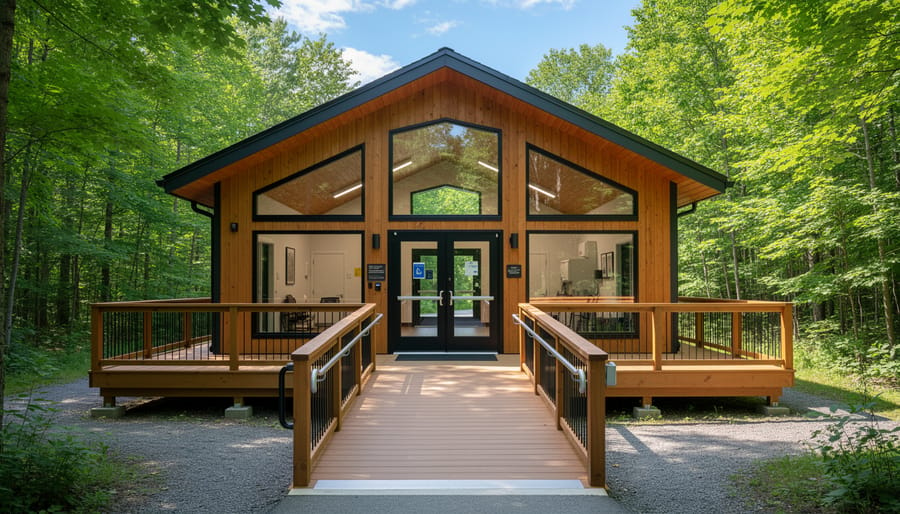
True accessibility goes beyond just the basics—it’s in the thoughtful details that transform a cabin from merely functional to genuinely welcoming. When you’re browsing listings, keep an eye out for those extras that make daily activities smoother and more enjoyable.
Look for cabins with lowered light switches and electrical outlets positioned at accessible heights. This simple feature means you won’t need assistance with everyday tasks like turning on lights or charging your phone. Accessible kitchenettes should include lower countertops, front-loading appliances, and pull-out shelves that put everything within easy reach—perfect for preparing that morning coffee independently.
Outdoor spaces deserve equal attention. The best accessible cabins feature ramped access leading directly to decks where you can soak in those gorgeous Ontario sunsets. Fire pits with paved, level approaches and designated accessible seating areas let everyone gather around for s’mores and stargazing without worry.
Here’s an insider tip: Before booking, request specific measurements if they’re not listed. Ask about the width of doorways (36 inches minimum is ideal), turning radiuses in bathrooms, and whether pathways between the parking area and cabin entrance are paved or hard-packed gravel rather than loose stones or wood chips.
Don’t hesitate to call the park office directly with questions. Staff members often know details not mentioned online, like whether nearby trails have accessible sections or if fishing docks accommodate wheelchairs. These conversations help ensure your getaway matches your needs perfectly, letting you focus on what matters most—making memories in Ontario’s beautiful outdoors.
Ontario’s Top Accessible Cabin Destinations
Provincial Parks Leading the Way
Across Ontario, several provincial parks are setting the gold standard for accessible outdoor experiences, transforming how people with mobility needs connect with nature. Let me take you through some standout destinations where accessible cabins aren’t just an afterthought—they’re thoughtfully designed gateways to wilderness adventure.
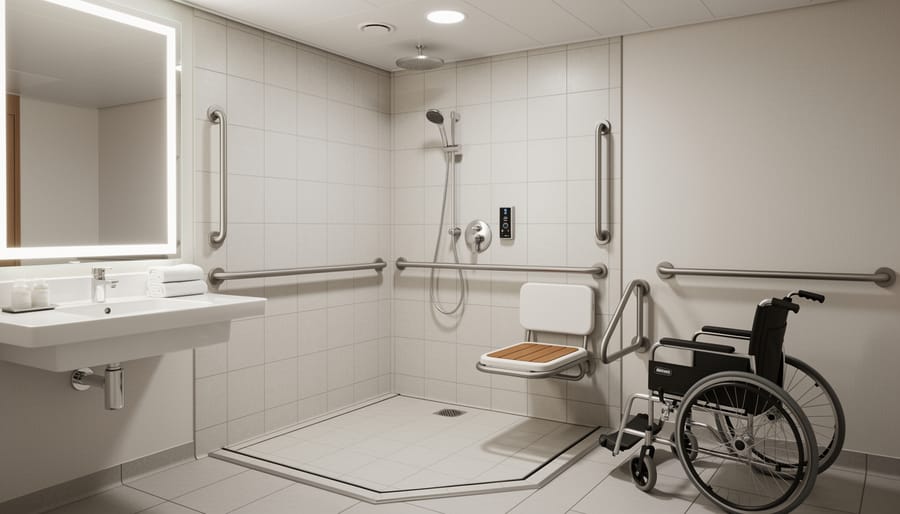
Algonquin Park, Ontario’s most iconic wilderness destination, offers accessible cabins at Mew Lake Campground that genuinely impressed me during my visit last summer. These cabins feature wide doorways, roll-in showers with grab bars, and spacious interiors that accommodate mobility devices with ease. What really sets them apart is the accessible boardwalk leading to the lakeshore—I watched a family with a wheelchair user enjoy sunset views that many assume require hiking to reach. The nearby Track and Tower Trail provides a paved, accessible path through gorgeous hardwood forest.
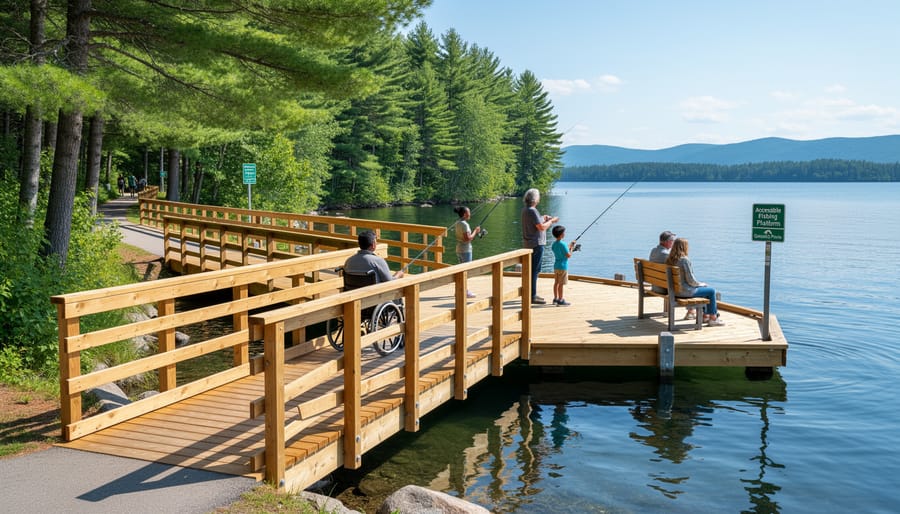
Killarney Provincial Park, famous for its white quartzite mountains and turquoise waters, features accessible cabins near George Lake with spectacular views right from the deck. The park’s accessible fishing dock extends over the water, and staff told me about guests who’ve caught trophy-sized bass without leaving their wheelchairs. Insider tip: book early for fall colours—these cabins fill up fast in September.
Frontenac Provincial Park delivers a more intimate experience with accessible cabins tucked among pine groves. The Big Salmon Lake accessible trail offers 1.2 kilometres of smooth, compacted stone dust surface that’s wheelchair-friendly yet feels genuinely backcountry. During spring, it’s perfect for accessible birdwatching.
Up north, Sleeping Giant Provincial Park combines dramatic Lake Superior scenery with practical accessibility. Their Thunder Bay cabin includes an accessible deck where you can watch ships navigate the harbour while bald eagles soar overhead. The nearby accessible beach area features specialized beach wheelchairs available through Ontario Parks reservations.
Presqu’ile Provincial Park deserves mention for its accessible lighthouse boardwalk and cabins positioned near accessible washroom facilities and the visitor center. The flat terrain throughout makes exploring easy, and the accessible marsh boardwalk provides exceptional wildlife viewing—great blue herons practically pose for photos.
Each location offers online accessibility guides detailing specific features, and park staff are incredibly knowledgeable about accessibility options. Don’t hesitate to call ahead with questions—they genuinely want everyone experiencing the magic of Ontario’s wilderness.
Hidden Gems: Private and Conservation Area Cabins
Beyond the well-traveled paths of provincial parks lie some of Ontario’s best-kept secrets: accessible cabins tucked into conservation areas and private campgrounds that offer intimate nature experiences without sacrificing comfort or accessibility. These hidden gems often provide the perfect blend of solitude, sustainability, and smart design.
Take the Carden Alvar Conservation Area near Lake Simcoe, where the local conservation authority has quietly developed barrier-free cabins that overlook rare limestone plains. The cabins here feature wide doorways, roll-in showers, and covered porches positioned at the perfect height for wildlife watching. What makes this spot truly special? The area hosts one of Ontario’s largest populations of whip-poor-wills, and spring evenings fill with their distinctive calls. Staff can arrange accessible guided walks through the alvar ecosystem, a landscape found in only a few places worldwide.
Private campgrounds sometimes outshine public parks in accessibility innovation. Riverbend Campground near Perth has transformed several vintage cabins with modern accessibility features while maintaining their rustic charm. The owners, who have family members with mobility challenges, understand the details that matter: motion-sensor lighting along pathways, accessible fire pits with adjustable grates, and even adapted fishing equipment available for loan.
Conservation Halton’s properties offer surprising accessibility across their network. Their Mountsberg Conservation Area features cabins with gentle approach grades and interior layouts designed by occupational therapists. The raptor center here provides wheelchair-accessible viewing areas where you can watch eagles and hawks up close during daily flight demonstrations.
Here’s an insider tip for finding these hidden accessible options: contact conservation authorities directly rather than relying solely on websites. Many smaller conservation areas have accessible cabins that aren’t heavily promoted online. Ask specific questions about door widths, bathroom configurations, and pathway surfaces. The staff at these smaller operations often have firsthand knowledge and can provide honest assessments.
Look for eco-conscious properties that prioritize universal design from the start. Places like Silent Lake’s eco-cabins prove that sustainability and accessibility go hand-in-hand. Solar panels eliminate generator noise, geothermal systems maintain comfortable temperatures, and thoughtful site planning creates naturally level approaches.
Don’t overlook private conservation lands either. The Ontario Land Trust Alliance website lists member properties, some offering accessible accommodations on working conservation lands. These experiences provide rare glimpses into active habitat restoration projects while supporting crucial environmental work. You might find yourself staying in a cabin where your accommodation fees directly fund wetland restoration or endangered species protection programs happening right outside your window.
Planning Your Accessible Cabin Adventure
Questions to Ask Before You Book
Before you commit to a booking, having the right conversation can make all the difference in ensuring your stay is truly comfortable. Start by asking about the entrance: Is there a ramp or level access into the cabin? What’s the width of the doorway? Standard doorways often measure 32 inches, but wheelchair users typically need at least 36 inches to navigate comfortably.
Don’t hesitate to get specific about bathroom details. Ask whether there are grab bars around the toilet and in the shower, and confirm the shower is roll-in or has a transfer bench. What’s the height of the toilet? Is the sink accessible with clearance underneath? These aren’t picky questions – they’re practical necessities that park staff should gladly answer.
For sleeping arrangements, inquire about bed heights and whether there’s sufficient turning space around the bed. If you use mobility aids, ask about the pathway from the parking area to the cabin door. Is it paved? Gravel? How’s the slope?
Here’s an insider tip: Request photos of the actual accessible cabin, not just generic marketing images. Some parks are happy to send you specific shots or even arrange a video walkthrough. Ask about the proximity to accessible washrooms if the cabin doesn’t have its own facilities, and clarify whether accessible parking is available right at your cabin or nearby.
Finally, confirm their cancellation policy. Life happens, and accessibility needs sometimes require flexibility in travel plans.
Eco-Friendly Accessibility Tips
Enjoying your accessible cabin stay while treading lightly on the environment creates a win-win for everyone. Start by packing reusable water bottles, dishware, and shopping bags to minimize single-use plastics during your trip. Many accessible cabins now feature composting toilets and solar panels, so embrace these sustainable features and learn how they work.
Choose cabins with accessible outdoor spaces like roll-friendly nature trails, where you can birdwatch and photograph wildlife without disturbing habitats. Before heading out, research eco-friendly camping practices that work with your mobility needs. For example, stick to designated accessible paths to protect fragile vegetation while ensuring your safety.
Consider visiting during shoulder seasons when parks are less crowded, reducing your environmental footprint while enjoying quieter trails and better wildlife viewing opportunities. Bring biodegradable soaps and cleaning products, and always pack out what you pack in using accessible waste stations.
Support local Indigenous-owned cabin operations and eco-tourism initiatives that prioritize both accessibility and conservation. These businesses often offer insider knowledge about sustainable practices specific to the area. Remember, accessible outdoor recreation and environmental stewardship go hand in hand when you plan thoughtfully.
Beyond the Cabin: Accessible Activities and Trails
The magic of accessible cabins extends far beyond comfortable beds and adapted bathrooms. What really brings Ontario’s barrier-free camping experience to life is the incredible outdoor adventure waiting just outside your door.
Picture this: you’re gliding along a smooth, compacted gravel path through towering pines, the morning sun filtering through branches overhead. That’s the reality on many of Ontario’s accessible hiking trails, designed with gentle grades and even surfaces that welcome wheelchairs, walkers, and strollers. At Algonquin Provincial Park, the 1.5-kilometer Beaver Pond Trail features a level boardwalk where you might spot moose feeding in the shallows at dusk. The trail even includes rest areas with benches and interpretive signs at perfect stopping points.
For fishing enthusiasts, accessible platforms have transformed what was once a frustrating challenge into pure joy. Presqu’ile Provincial Park’s fishing pier extends right over Lake Ontario’s waters, complete with lowered railings and textured surfaces for stability. I’ve watched families spend entire afternoons here, kids squealing with excitement as perch after perch comes up on their lines, everyone able to participate fully.
Beach access has gotten a serious upgrade too. Several parks now offer beach wheelchairs with wide, balloon-style tires that roll smoothly over sand. At Sandbanks Provincial Park, a beach mat creates a firm pathway right to the water’s edge. There’s something profoundly moving about seeing someone experience the beach freely, perhaps for the first time in years.
Don’t overlook interpretive programs either. Many parks offer seated nature talks, accessible canoe excursions with specialized equipment, and even adaptive kayaking programs. Park naturalists are incredibly accommodating, often adapting programs on the spot to ensure everyone can participate.
Insider tip: call ahead to reserve adaptive equipment like beach wheelchairs or specialized fishing gear. These items are limited and book up quickly during peak season. Also, ask about accessible shuttle services within larger parks, they can transport you and your gear to trailheads and beaches, saving energy for the actual adventure.
The result? Days filled with genuine outdoor experiences, not compromised versions. That’s the promise of barrier-free recreation in Ontario.
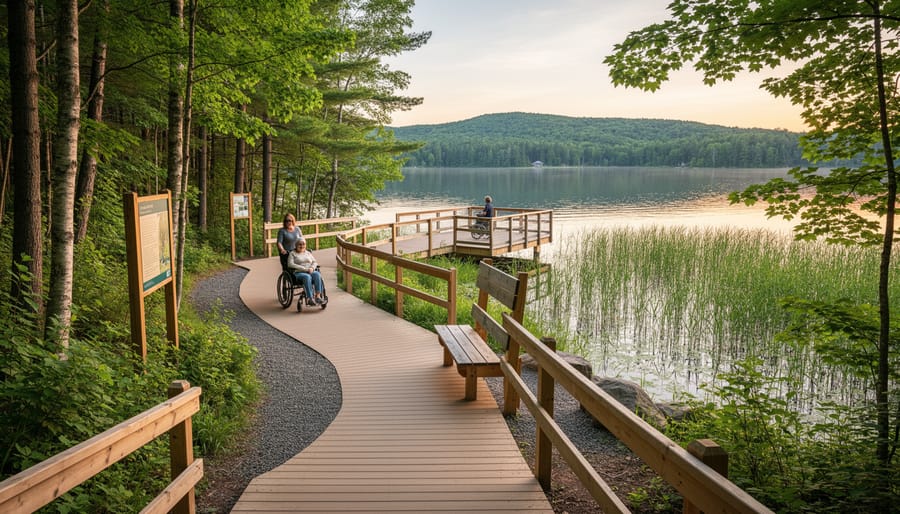
Ontario’s stunning landscapes, pristine lakes, and peaceful forests belong to everyone, and the province’s commitment to accessible cabins proves it. Whether you’re planning your first accessible camping trip or you’re a seasoned outdoor enthusiast, there’s never been a better time to explore the incredible barrier-free options waiting for you across Ontario Parks.
The insider tips shared by accessibility coordinators and park staff aren’t just helpful details—they’re invitations to experience the same magic that draws millions of visitors to Ontario’s wilderness each year. From the moment you contact a park to ask about ramp widths or bathroom features, you’ll discover a welcoming community dedicated to making your adventure memorable for all the right reasons.
Remember, accessible doesn’t mean compromising on the experience. Those sunrise views over the lake, crackling campfires under star-filled skies, and the gentle sounds of nature surrounding your cabin are yours to enjoy. Many visitors are pleasantly surprised to find that accessible cabins often feature prime locations and thoughtful extras that enhance everyone’s stay.
So start browsing those park websites, bookmark your favorite accessible cabins, and begin planning your next outdoor adventure with confidence. Ontario’s natural beauty has been waiting for you, and now you have the knowledge and resources to make it happen. Pack your bags, bring your loved ones, and get ready to create unforgettable memories in the great outdoors—because nature truly is for everyone.

+ There are no comments
Add yours