

Museums hold the power to inspire, educate, and transform – but only when everyone can truly experience them. Today, innovative institutions across Ontario are reimagining accessibility, breaking down barriers that have historically kept people with disabilities from fully engaging with our shared cultural heritage. From tactile exhibits and sensory-friendly hours to wheelchair-accessible trails and virtual reality experiences, museums are pioneering new ways to ensure their collections and spaces welcome all visitors.
Creating truly accessible museums goes far beyond installing ramps and elevators. Modern accessibility means developing multi-sensory exhibits that engage visitors through touch, sound, and movement. It means training staff in disability awareness and providing resources like large-print guides, ASL interpretation, and quiet spaces. Most importantly, it means involving people with disabilities in exhibit design and programming from the very beginning.
The push for greater museum accessibility reflects a broader cultural shift toward inclusion and universal design. When museums become more accessible, they don’t just benefit people with disabilities – they create richer, more engaging experiences for everyone. Through thoughtful design and innovative technology, Ontario’s museums are leading the way in making our cultural heritage truly accessible to all.
Physical Accessibility Features in Ontario Parks
Accessible Trails and Boardwalks
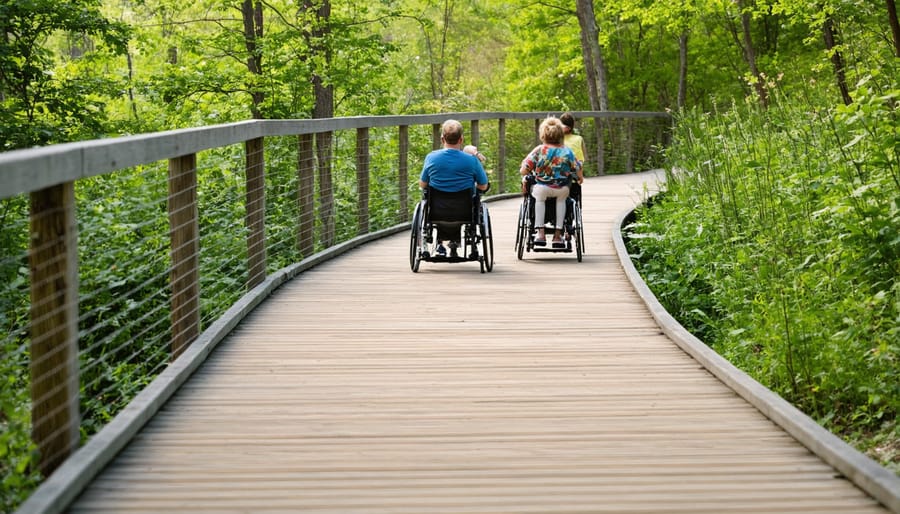
Many Ontario museums have transformed their outdoor spaces into accessible wonderlands with thoughtfully designed trails and boardwalks. Smooth, well-maintained pathways allow visitors using wheelchairs, walkers, or strollers to explore natural and cultural exhibits with ease. Most paths feature non-slip surfaces and gentle gradients, ensuring comfortable navigation in various weather conditions.
Elevated boardwalks offer unique vantage points for viewing outdoor installations and natural features, complete with wider passing spaces and sturdy railings. These platforms are particularly helpful during guided tours, providing clear sightlines and comfortable viewing areas for everyone in the group.
Notable features include rest areas with benches placed at regular intervals, allowing visitors to take breaks while enjoying the surroundings. Many trails incorporate tactile elements and interpretive panels at wheelchair-accessible heights, making the experience more engaging for all visitors.
For outdoor museums and heritage sites, modified terrain techniques help preserve the historical authenticity while ensuring accessibility. Packed gravel paths and reinforced grass routes maintain the natural aesthetic while providing stable surfaces for mobility devices.
Pro tip: Most museums offer downloadable trail maps indicating accessibility features, rest areas, and terrain types. It’s recommended to check these before your visit and contact the museum staff for current trail conditions, especially after weather events.
Remember to bring water and sun protection, as many accessible trails include open-air sections between indoor exhibits.
Barrier-Free Facilities
Ontario’s museums prioritize accessibility through thoughtfully designed barrier-free facilities that ensure everyone can enjoy their visit comfortably. Modern accessible washrooms are available throughout most museum buildings, featuring wheelchair-friendly stalls, automatic doors, and lowered sinks with easy-to-use faucets. Many facilities also include adult changing tables and family washrooms for additional privacy and convenience.
For visitors who need to take breaks during their museum experience, accessible picnic areas offer wide, stable tables with extended ends to accommodate wheelchairs. These areas typically feature level, firm surfaces and clear paths leading to them, making navigation easier for mobility device users and families with strollers.
Indoor rest areas are strategically placed throughout exhibition spaces, providing comfortable seating with varying heights and sturdy armrests. These spaces are particularly valuable during longer visits or for those who need frequent breaks to fully enjoy the museum experience.
Drinking fountains and water bottle filling stations are installed at wheelchair-accessible heights, and vending machines are positioned with clear approach paths and reachable buttons. Many museums also provide specialized equipment like wheelchairs and mobility scooters for loan at their visitor service desks.
Remember to check specific museum websites or call ahead to confirm the availability of particular facilities, as amenities can vary by location. Staff members are always happy to provide detailed accessibility information and assist with special requirements during your visit.
Interactive Museum-Style Experiences
Touch and Feel Exhibits
Step into a world where nature comes alive at your fingertips through our interactive touch and feel exhibits. These carefully designed displays offer visitors of all abilities the chance to experience Ontario’s natural wonders in a hands-on way, making our cultural heritage experiences more meaningful and memorable.
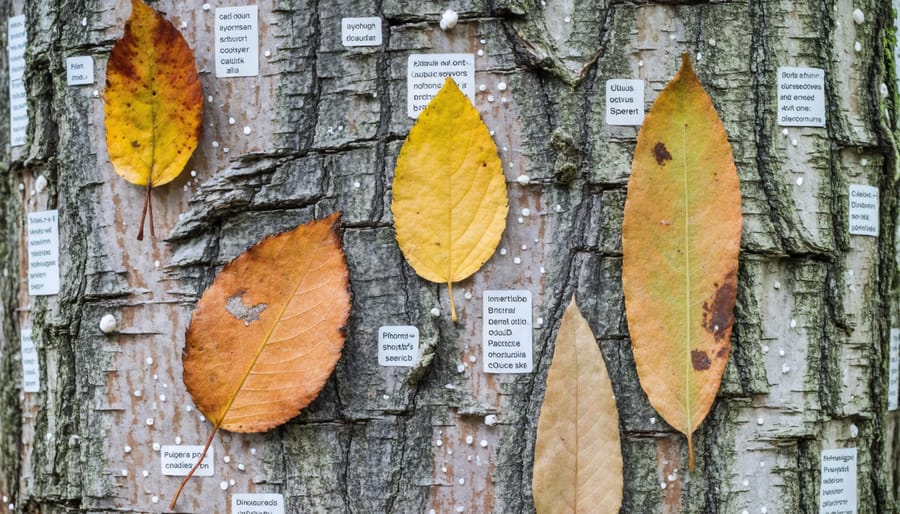
Our popular “Forest Feels” station lets you explore different tree bark textures, from the smooth surface of birch to the rough ridges of oak. Nearby, the “Wildlife Discovery” corner features real fur samples from local animals and replica tracks that you can touch and compare. Kids especially love pressing their hands into the track molds to understand how different animals move through the forest.
The “Rock and Mineral Collection” provides a fascinating journey through Ontario’s geological history. Here, visitors can handle specimens of various sizes and textures, from smooth river rocks to crystalline formations. Each item includes raised-letter labels and Braille descriptions, ensuring everyone can learn about our region’s rich mineral heritage.
One of our newest additions is the “Seasonal Sensations” exhibit, where you can feel the textures of artificial leaves, pine cones, and seeds that represent different seasons in Ontario’s parks. These tactile experiences are complemented by nature sounds and scented elements, creating a multi-sensory journey through the changing year.
All touch exhibits are positioned at various heights to accommodate visitors in wheelchairs, and our knowledgeable staff are always nearby to offer guidance and share interesting facts about the specimens on display. Regular sanitization ensures these hands-on experiences remain safe and enjoyable for everyone.
Multi-Sensory Information Centers
Ontario’s museums and heritage sites have embraced multi-sensory experiences to ensure everyone can connect with our natural and cultural heritage. Audio guides now offer vivid descriptions of exhibits, trail features, and wildlife viewing opportunities, making the experience come alive for visitors with visual impairments.
Tactile exhibits have become increasingly common, featuring braille interpretive panels and 3D models that visitors can touch and explore. These hands-on elements help everyone understand the shape and texture of artifacts, geological formations, and local flora. Many sites also provide braille trail maps and guide books, ensuring independent navigation through both indoor and outdoor spaces.
Visual displays have been reimagined with universal design in mind. High-contrast text, larger font sizes, and clear symbols make information easier to read for everyone. Digital screens allow visitors to adjust text size and contrast according to their needs, while closed captioning is standard for all video presentations.
Interactive kiosks combine multiple sensory elements – sound, touch, and sight – to create engaging experiences for all visitors. For example, some nature centers feature audio recordings of bird calls paired with tactile feather displays and large-print species information.
Remember to check each site’s website or call ahead to learn about specific accessibility features available. Many locations also offer specialized tours and programs designed for visitors with different sensory needs, often led by trained staff who can adjust the experience to suit individual requirements. These multi-sensory approaches ensure that everyone can fully appreciate Ontario’s rich natural and cultural heritage.
Adaptive Programs and Services
Guided Tours and Programs
Ontario’s museums offer a variety of engaging guided tours and programs designed to be inclusive for visitors of all abilities. Many locations provide specialized tours with American Sign Language (ASL) interpreters, audio description services for visitors with visual impairments, and touch tours that allow hands-on exploration of selected artifacts and exhibits.
For visitors who prefer a more relaxed experience, several museums offer “quiet hours” with reduced sensory stimulation, smaller group sizes, and adjusted lighting and sound levels. These sessions are particularly beneficial for individuals with autism spectrum disorders or sensory sensitivities.
Interactive programs have been thoughtfully modified to accommodate different abilities. From seated art workshops to virtual reality experiences that can be enjoyed from a wheelchair, there’s something for everyone. Many museums also provide adaptive tools and materials, such as large-print guides, tactile maps, and assistive listening devices.
Insider tip: Book your specialized tour at least two weeks in advance to ensure availability of interpreters and necessary equipment. Some museums even offer free admission for support persons accompanying visitors with disabilities.
Family programs have been designed with inclusion in mind, featuring multi-sensory activities and flexible participation options. These programs often incorporate storytelling, music, and hands-on experiences that can be enjoyed by children and adults of all abilities.
Remember to check each museum’s website or call ahead to learn about their specific accessible programs and any requirements for participation.
Equipment Rentals and Resources
Ontario’s museums are committed to making heritage experiences accessible to everyone through a variety of equipment rentals and support services. Many locations offer complimentary wheelchairs and mobility scooters, which can be reserved in advance through their visitor services desk. For those interested in adaptive outdoor adventures, specialized equipment like all-terrain wheelchairs and beach access mats are available at select locations.
Audio description devices and assistive listening systems help visitors with visual or hearing impairments fully engage with exhibits. Many museums also provide large-print or Braille guides, tactile maps, and magnifying devices at no additional cost. For families with sensory-sensitive members, noise-canceling headphones and fidget tools can be borrowed from the information desk.
Service animals are always welcome, and staff can provide water bowls and designated relief areas. Some locations even offer specialized guided tours with American Sign Language (ASL) interpreters or touch tours for visitors with visual impairments – just be sure to book these services at least two weeks in advance.
Pro tip: Call ahead to confirm equipment availability and reserve what you need. Many museums also maintain an accessibility page on their website where you can find detailed information about available resources and how to request them.

Planning Your Visit
Pre-Visit Resources
Before heading to any museum or heritage site in Ontario’s parks, take advantage of the pre-visit resources available to plan your trip effectively. Most locations offer detailed accessibility guides on their websites, including downloadable maps highlighting accessible routes, entrances, and facilities.
Start by checking the park’s official website for their accessibility section, which typically includes information about parking spots, washroom facilities, and accessible accommodation options. Many sites also provide virtual tours, allowing you to familiarize yourself with the layout and exhibits before your visit.
Don’t hesitate to contact the visitor services team directly – they’re your best resource for up-to-date accessibility information. Most parks have designated accessibility coordinators who can answer specific questions about equipment rentals, assist devices, or special programs.
Pro tip: Sign up for the park’s newsletter or follow their social media accounts to stay informed about accessibility improvements and special accessible programming. Some locations even offer pre-visit orientation sessions for visitors with specific needs.
Remember to check seasonal availability of certain features, as winter conditions might affect accessibility of outdoor exhibits and trails. Many parks now offer downloadable sensory guides and quiet space locations to help visitors plan their experience according to their comfort level.
Tips for a Comfortable Experience
To make the most of your accessible museum experience, plan ahead by visiting during off-peak hours, typically early mornings or weekday afternoons. This ensures a more relaxed atmosphere and easier navigation through exhibit spaces. Consider calling ahead to reserve any special equipment you might need, such as wheelchairs or audio guides.
Bring along a companion if possible – they can help with doors, reading exhibit labels, or providing assistance when needed. Don’t hesitate to ask museum staff for help; they’re trained to assist visitors with various accessibility needs and can provide valuable insights about the best routes through exhibitions.
Pack light but smart. Bring water, any necessary medications, and consider a small cushion if you need extra comfort while seated. Many museums offer storage lockers, so you won’t have to carry everything throughout your visit.
Take breaks when needed – most museums have designated quiet spaces or rest areas. These spots are perfect for recharging before continuing your exploration. If you’re sensitive to sounds, bring noise-canceling headphones, as some exhibits may have audio components or busy periods with school groups.
For visitors with visual impairments, many museums now offer tactile exhibits and large-print guides. Request these resources at the information desk upon arrival. If you use a service animal, inform the museum in advance to ensure a smooth entry process.
Remember to pace yourself and don’t feel pressured to see everything in one visit. Many museums offer multi-day passes, allowing you to spread out your experience over several shorter visits.
Ontario Parks continues to break down barriers and create welcoming spaces for everyone to experience the wonders of our natural heritage. Through thoughtful design, innovative programs, and a commitment to universal access, our parks are becoming more inclusive with each passing season. Whether you’re exploring interactive exhibits at our visitor centers, joining guided nature walks, or simply enjoying the peaceful ambiance of our accessible trails, there’s something here for everyone. We invite you to discover the beauty of Ontario’s parks and museums, where nature and culture come together in ways that everyone can enjoy. Your adventure awaits, and we’re here to help make it happen – because everyone deserves to experience the transformative power of connecting with nature and history in our beautiful province.












+ There are no comments
Add yours