

Crouch silently behind natural cover at dawn or dusk when wildlife is most active, keeping your movements slow and deliberate to avoid startling nearby animals. Position yourself downwind to prevent your scent from alerting sensitive creatures, and scan methodically through binoculars, starting with the closest vegetation before moving to distant areas. Master these fundamental observation techniques, and you’ll unlock access to some of Ontario’s most thrilling outdoor adventures – from watching majestic moose wade through misty marshlands to spotting elusive foxes hunting in snow-covered meadows.
The raw excitement of witnessing animals in their natural habitat transforms an ordinary park visit into an unforgettable wilderness experience. Whether you’re a seasoned naturalist or first-time observer, these intimate glimpses into wild Ontario create lasting connections with nature that inspire both wonder and conservation. Each wildlife encounter tells a unique story of survival, adaptation, and the delicate balance of our ecosystem.
By learning to move quietly, read animal signs, and respect wildlife boundaries, you’ll discover a hidden world that exists just beyond the trail markers – one where patient observation reveals nature’s most captivating moments.
Dawn Encounters: Early Morning Wildlife Stories
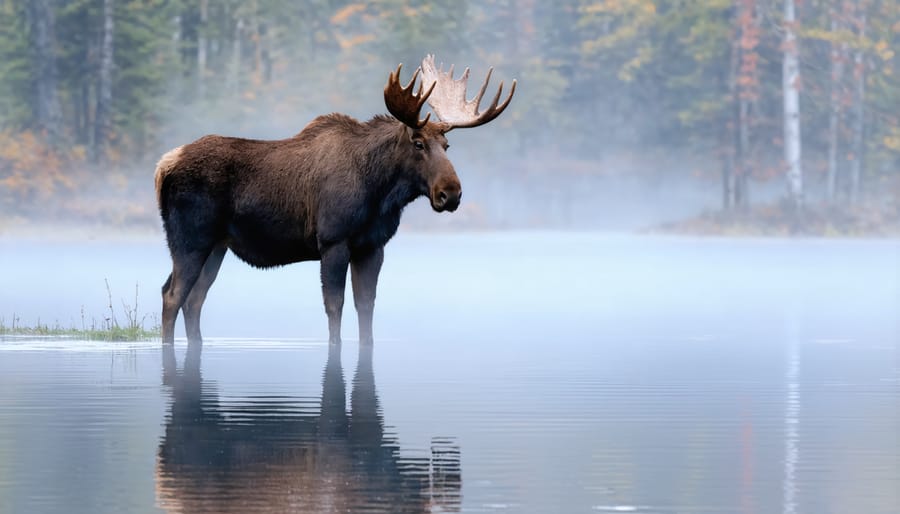
Moose at Algonquin
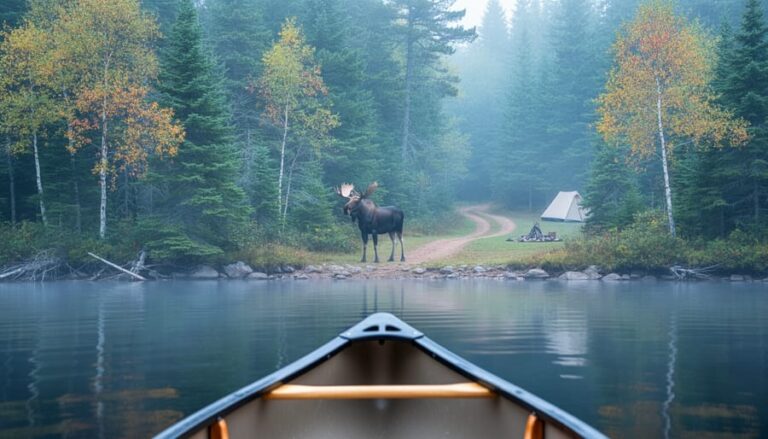
As dawn breaks over Algonquin Park, the mist slowly rises from the lakes, creating the perfect backdrop for one of nature’s most magical shows. Sarah Thompson, a regular visitor from Toronto, recalls her unforgettable encounter: “We arrived at Cache Lake just before sunrise. The water was like glass, and there she was – a magnificent female moose, neck-deep in the water, feeding on aquatic plants. We watched in complete silence for almost 20 minutes.”
Similar stories echo among park visitors who brave the early morning hours. The best time to spot these majestic creatures is typically between 5:30 and 8:00 AM, when they emerge from the forest to feed in wetlands and shallow waters. Mike Chen, an amateur wildlife photographer, shares his tip: “Highway 60 corridor has been incredibly reliable for moose sightings, especially near km markers 12 to 31.”
What makes these encounters so special is their unpredictability. Linda and James Wilson describe their experience: “We had visited three times with no luck. Then one misty May morning, we saw not just one, but three moose – a mother and two yearlings. They were so calm, completely unbothered by our presence at a safe distance.”
Remember to maintain at least 100 meters distance from any moose you encounter. These powerful animals deserve our respect and space, ensuring both their safety and yours while preserving these precious moments for future visitors.
Beaver Lodge Activities
As dawn breaks over the still waters, there’s something magical about watching a beaver colony start their day. I’ve spent countless mornings perched quietly on the viewing platform at Algonquin Park, witnessing these remarkable engineers at work. The early morning hours, just before sunrise, offer the best opportunity to observe their activities.
Last summer, I watched a family of beavers methodically reinforcing their lodge with fresh mud and sticks. The adults would dive underwater, resurfacing with mouthfuls of vegetation, while the kits practiced their swimming skills in the protected areas near the lodge. What struck me most was their incredible teamwork – each beaver seemed to know exactly what needed doing.
The most fascinating activity is their dam maintenance routine. Using their powerful front teeth and remarkable dexterity, they weave branches and pack mud with precision that would impress any human builder. During one memorable morning, I observed a pair of beavers working together to position a particularly large branch, communicating through gentle tail slaps on the water’s surface.
For the best beaver watching experience, arrive about 30 minutes before sunrise and bring a good pair of binoculars. Stay quiet and still – beavers are surprisingly sensitive to human presence. Look for signs of recent activity like freshly gnawed trees and maintained mud walls. Remember to dress warmly, as mornings can be quite chilly near the water, even in summer.
Unexpected Trail Moments
Black Bear Encounters
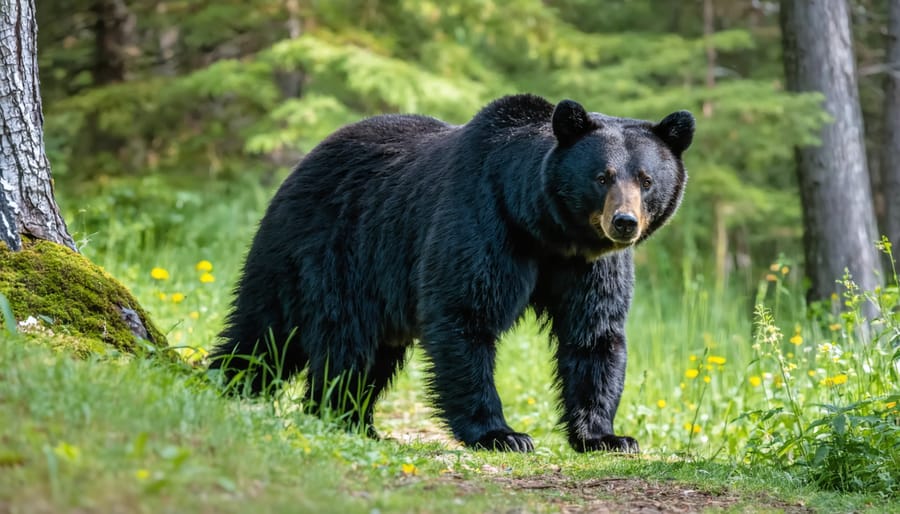
One of the most awe-inspiring moments in Ontario’s wilderness is encountering a black bear in its natural habitat. During my years of documenting hiking trail encounters, I’ve learned that these magnificent creatures are typically more afraid of us than we are of them.
Last autumn, while observing wildlife in Algonquin Provincial Park, I witnessed a mother bear teaching her cubs to forage for berries. From a safe distance of about 100 meters, using binoculars, I watched this beautiful family interaction unfold. The cubs playfully tumbled through the undergrowth while their mother methodically searched for food, occasionally glancing up to ensure their safety.
Remember to maintain a respectful distance of at least 100 meters from any bear you encounter. Never approach or feed them, as this can create dangerous situations for both bears and humans. If you spot a bear, make your presence known by speaking in a calm, firm voice and slowly backing away while keeping the bear in sight.
The best times for bear watching are during the early morning or late evening hours when they’re most active. Look for areas with berry patches or near water sources, but always stay on designated trails and carry bear spray as a precaution. These encounters remind us of our responsibility to protect and preserve these incredible animals and their habitat for future generations to enjoy.
Rare Bird Sightings
As dawn breaks over Ontario’s wilderness trails, dedicated birdwatchers know they’re in for something special. Just ask Sarah Thompson, who spotted a rare Cerulean Warbler during her spring hike in Algonquin Park. “Its brilliant blue feathers caught the morning light perfectly,” she recalls. “I’d been hoping to see one for years!”
These magical moments happen more often than you might think. Last summer, a group of hikers in Presqu’ile Provincial Park witnessed a pair of Piping Plovers, an endangered species that rarely nests on Ontario’s beaches. Their distinctive call and careful steps along the shoreline created an unforgettable wildlife moment.
The key to spotting rare birds is patience and preparation. Early morning and dusk offer the best viewing opportunities, when birds are most active. Many experienced watchers suggest finding a quiet spot and staying still for at least 20 minutes – you’d be amazed at what emerges when nature forgets you’re there.
Some recent notable sightings include the Yellow-breasted Chat in Point Pelee National Park and a Northern Wheatear in Bruce Peninsula National Park. Remember to bring binoculars and a field guide, but most importantly, maintain a respectful distance. These remarkable creatures are best observed from afar, ensuring their natural behaviors remain undisturbed.
Don’t forget to record your sightings in park logbooks – your observations help track bird populations and protect these spectacular species for future generations to enjoy.

Tips from Wildlife Photographers
Ontario’s seasoned wildlife photographers have generously shared their secrets for capturing magical moments in our provincial parks. “The golden hours just after sunrise and before sunset aren’t just photographer’s lore,” says Sarah Chen, who’s been photographing wildlife in Algonquin for over a decade. “Animals are most active during these times, and the lighting is simply perfect.”
James Morton, known for his stunning bird photography, suggests picking a spot and staying put. “Patience is your best friend. I’ve spent hours in one location, and that’s how I got my best shots of pine martens and foxes. Pack some snacks and check out the park dining options nearby for longer stays.”
Equipment-wise, our experts recommend starting simple. “You don’t need expensive gear to begin,” explains wildlife photographer Maria Rodriguez. “A basic DSLR with a decent zoom lens will do. More important is learning to read animal behavior and respecting their space.”
Here are their top practical tips:
– Wear muted colors and natural fabrics that don’t make noise
– Stay downwind from your subject when possible
– Learn common animal calls and behaviors
– Keep a safe distance and never bait animals
– Use a tripod for stability in low light
– Research your target species’ habits and preferred habitats
“The best photos often come from unexpected moments,” shares Peter Thompson, who specializes in capturing Ontario’s mammals. “Always have your camera ready, but remember to take time to simply observe and appreciate these incredible creatures. Sometimes the most memorable experiences happen when you put the camera down and just watch.”
Remember to share your photos responsibly on social media, avoiding exact locations of sensitive species, and always prioritize the animals’ well-being over getting the perfect shot.
Responsible Wildlife Watching
Safety First
When observing wildlife in Ontario Parks, following proper outdoor safety guidelines isn’t just a suggestion – it’s essential for both your safety and the animals’ well-being. Always maintain a safe distance of at least 100 meters from large animals like moose and bears, and 30 meters from smaller wildlife. This might seem far, but trust me, a good pair of binoculars will give you an amazing view without putting anyone at risk.
Never feed wild animals, no matter how tempting it might be. This includes leaving food scraps behind or offering “just a little snack.” Feeding wildlife can alter their natural behaviors and make them dependent on human food, which ultimately puts both animals and future visitors in danger.
Make yourself known when hiking by talking quietly or wearing a bear bell. This gives animals plenty of time to move away before you get too close. If you encounter a bear or moose, stay calm and slowly back away while keeping the animal in sight. Never run – this could trigger a chase response.
Always carry bear spray in bear country and know how to use it. Keep it easily accessible, not buried in your backpack. Travel in groups when possible, especially during dawn and dusk when animals are most active. Keep children close and pets on a leash at all times.
Remember to check the weather forecast and park bulletins before heading out, and let someone know your planned route and return time. Following these guidelines will help ensure your wildlife watching experience remains a safe and memorable adventure.
Leave No Trace
When observing wildlife in Ontario’s beautiful natural spaces, it’s crucial to remember that we’re guests in their home. Following the “Leave No Trace” principles ensures these amazing creatures and their habitats remain undisturbed for future generations to enjoy.
Always maintain a safe and respectful distance from wildlife. A good rule of thumb is if an animal changes its behavior because of your presence, you’re too close. Use binoculars or a camera with a zoom lens instead of getting closer – you’ll often get better views this way anyway!
Pack out everything you bring in, including food wrappers, water bottles, and even organic waste like apple cores. While they might seem harmless, human food can alter wildlife behavior and create unhealthy dependencies. Store your food properly and never feed wild animals, no matter how cute they might look.
Stay on marked trails to avoid trampling sensitive vegetation and disturbing hidden nests or dens. Many ground-nesting birds and small mammals make their homes just off the trail, and one misplaced step could disrupt their entire breeding season.
Keep noise levels down during your wildlife watching adventures. Speak quietly and turn off electronic devices – nature’s soundtrack is much more rewarding anyway! If you’re bringing kids along, turn wildlife watching into a quiet game of who can spot the most animals without disturbing them.
Consider timing your visits during off-peak hours, like early morning or late afternoon. You’ll not only avoid crowds but also catch animals during their most active periods. Remember to take only photos and leave only footprints – let’s keep Ontario’s wilderness wild for everyone to enjoy.
Every wildlife encounter tells a unique story, leaving an indelible mark on our hearts and minds. Whether it’s catching a glimpse of a majestic moose at dawn, watching a family of otters play along the shoreline, or discovering a tiny salamander beneath a fallen log, these moments connect us deeply with Ontario’s natural world.
As you venture into our province’s wild spaces, remember that you’re not just an observer – you’re part of a greater story of conservation and coexistence. Each respectful wildlife encounter helps build a culture of appreciation for our natural heritage and strengthens our commitment to protecting these precious creatures and their habitats.
Take your time in nature. Sit quietly by a beaver pond at dusk. Listen for the rustle of leaves that might signal a approaching deer. Keep your camera ready, but don’t forget to simply be present in the moment. Some of the most meaningful encounters happen when we least expect them, creating memories that last a lifetime.
As you head out on your own wildlife watching adventures, remember to tread lightly, maintain safe distances, and follow park guidelines. Share your experiences with others, but keep special locations protected. Every responsible wildlife observer becomes a steward of nature, helping to ensure that future generations can experience the same wonder and joy of discovering Ontario’s magnificent wildlife.
Let nature write your story – it’s bound to be unforgettable.








+ There are no comments
Add yours