
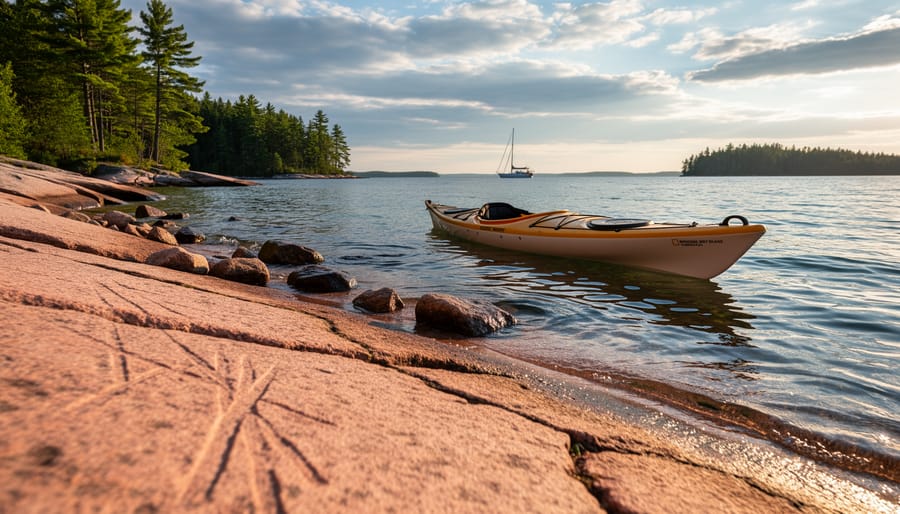
Georgian Bay Islands National Park is Canada’s boat-access-only wilderness that transforms your camping trip into an island-hopping expedition across the world’s largest freshwater archipelago. Located along Ontario’s stunning Georgian Bay coastline, this park protects 63 islands where you’ll paddle to your campsite, swim off pink granite shores, and fall asleep to waves lapping against ancient Canadian Shield rock. Unlike drive-up provincial parks, getting here requires your own boat or water taxi, which means fewer crowds and a genuine backcountry feel just two hours north of Toronto.
The park’s unique access model filters out casual visitors, leaving you with pristine swimming spots, quiet hiking trails along windswept pines, and campsites where your neighbors arrive by kayak, not minivan. Most paddlers head to Beausoleil Island, the park’s largest and most developed destination, but smaller islands offer even more solitude if you’re comfortable with basic tent platforms and no facilities.
Planning your trip takes more work than booking a standard campground. You need to coordinate boat transport, pack everything in waterproof bags, and understand that weather can strand you for an extra day or force you to camp somewhere other than your reservation. But that effort pays off in sunsets over open water, incredible stargazing without light pollution, and the rare satisfaction of waking up on your own island in one of Ontario’s most distinctive landscapes.
Why Visit Georgian Bay Islands National Park
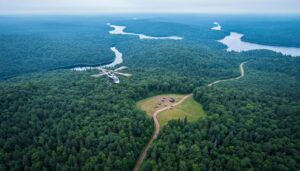
Georgian Bay Islands National Park offers something you won’t find at most Ontario parks: true wilderness adventure accessible only by water. This park protects 63 islands scattered across the eastern shore of Georgian Bay, where the ancient granite of the Canadian Shield meets clear, cold freshwater in dramatic fashion. Pink-hued rock outcrops rise from the bay, their surfaces sculpted by glaciers and weathered by millennia of wind and waves. The landscape here is raw, exposed, and magnificently unpolished.
What makes this archipelago remarkable is its transition zone ecology. You’ll paddle between islands where towering white pines cling to windswept rocks, then land on shores where the boreal forest meets the Great Lakes. This mixing creates habitat diversity that supports species you won’t easily spot elsewhere: Massasauga rattlesnakes sunning on warm granite, black bears foraging along island shores, and migrating monarch butterflies using the islands as stepping stones across the bay. The birdwatching alone draws serious enthusiasts, with loons calling across the water and herons stalking the sheltered coves.
The boat-access requirement filters out casual visitors, which means you can find genuine solitude even during summer weekends. There’s no road noise, no parking lots, no crowds spilling off tour buses. Just you, your vessel, and a protected archipelago where camping means waking to sunrise over open water and falling asleep to waves lapping against granite.
For visitors exploring Ontario’s archipelago tourism landscape, Georgian Bay Islands represents the most accessible wilderness island experience in the province. It’s challenging enough to feel like an expedition, yet manageable for families and first-time boat campers willing to prepare properly.
Top Islands and Areas to Explore
1. Beausoleil Island
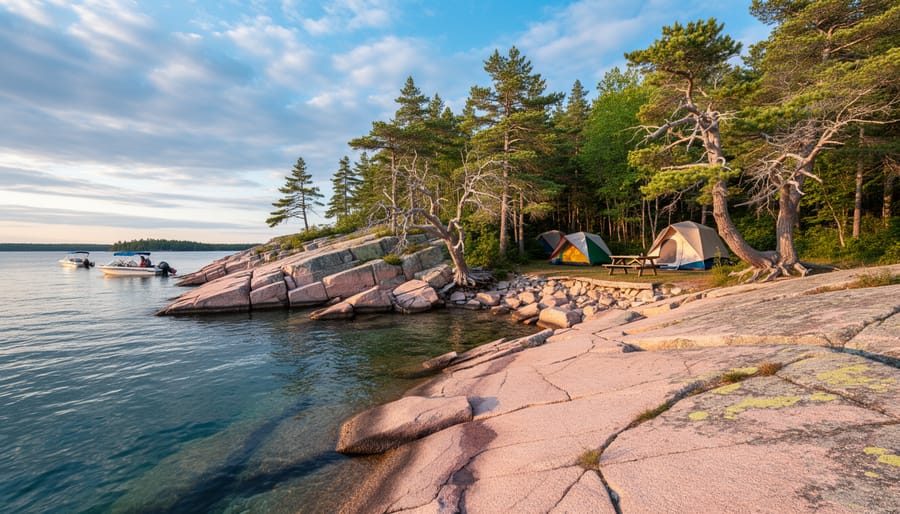
Beausoleil Island is the heart of Georgian Bay Islands National Park and your most likely first stop. Spanning roughly 1,100 hectares, it’s the only island in the park with developed infrastructure, making it the natural base for both first-time visitors and seasoned island-hoppers.
The island straddles two distinct ecosystems. The western shore features the windswept granite and twisted pines of the Canadian Shield, classic Georgian Bay scenery with dramatic rock formations and shallow bays. Cross to the eastern side and you’ll find calmer waters, sandy beaches, and deciduous forest more typical of southern Ontario. This geological split gives you two parks in one.
Most visitors arrive at the Cedar Spring dock on the island’s sheltered eastern shore, where you’ll find the main campground, visitor services, and trailhead access. From here, a network of maintained trails fans out across the island, ranging from short coastal walks to longer routes that traverse the interior wetlands and climb to lookout points over the bay.
Day-trippers can claim a picnic spot near the docks, explore the shoreline, or hike without the commitment of backcountry camping. The developed facilities, docks, outhouses, designated campsites, take some of the guesswork out of island camping while still delivering that wilderness feel. It’s accessible enough for families yet wild enough to satisfy adventurers looking to unplug completely.
2. Cedar Spring
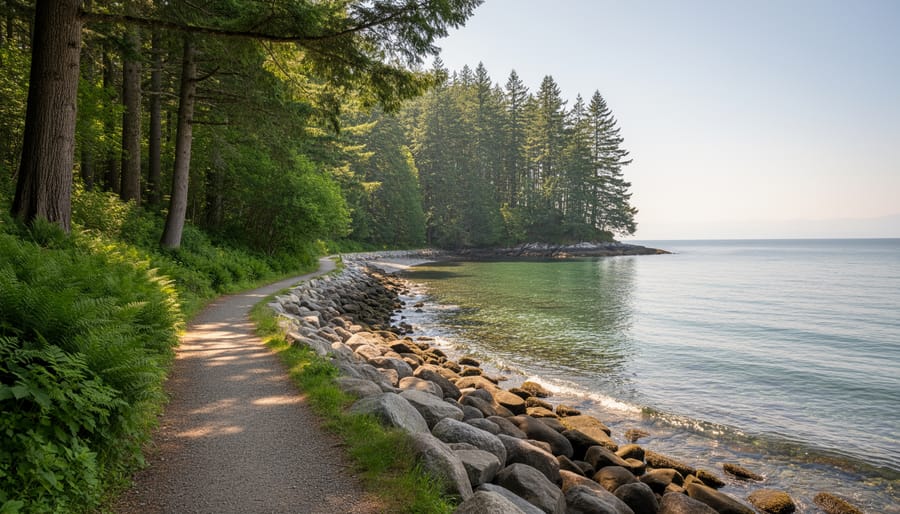
Cedar Spring anchors the southern tip of Beausoleil Island and draws visitors for good reason: sheltered waters, easier boat access than many park locations, and a concentration of both camping and day-use facilities that make it the natural first stop for many island explorers. The area sits where the island’s rocky Canadian Shield landscape meets calm bays, creating protected shoreline ideal for beaching smaller watercraft.
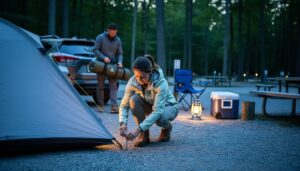
You’ll find frontcountry campsites here with picnic tables and fire pits, plus access to washroom facilities, a step up from the truly primitive backcountry experience elsewhere in the park. Several trails radiate from Cedar Spring into Beausoleil’s interior, letting you sample the island’s forest ecosystems and wetlands without committing to a full-day trek. The shoreline itself invites swimming and paddling in generally calmer conditions than the park’s more exposed areas.
What makes Cedar Spring stand out is its balance: accessible enough for families and first-time island campers, yet still delivering that genuine Georgian Bay wilderness feel once you venture a few minutes down the trail or paddle around the next point. It’s where many visitors get their introduction to island camping before heading to more remote spots.
3. Chimney Bay
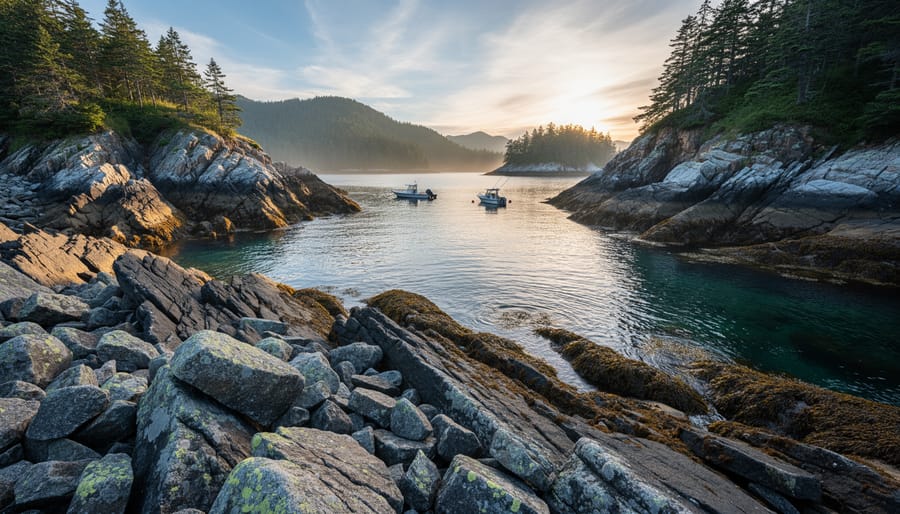
Chimney Bay sits tucked along Beausoleil Island’s eastern shore, offering a quieter alternative to the busier Cedar Spring area. Named for a distinctive rock formation that resembles a natural chimney, this sheltered bay attracts paddlers looking for calmer waters and a more intimate island experience.
The shoreline here features smooth granite outcrops perfect for launching kayaks or pulling up a canoe for a picnic break. You’ll find excellent swimming spots where the Canadian Shield bedrock slopes gently into clear water, and the protected bay usually stays calmer than the open Georgian Bay waters, a real advantage on windy days.
Chimney Bay’s backcountry campsites put you closer to the rhythms of the island. There’s no electrical hookup or running water here, just tent pads among the pines and stunning sunrise views over the water. The area feels remote despite being on Beausoleil, giving you that wilderness solitude without venturing to the park’s outer islands. Wildlife is abundant; listen for loons calling across the bay in the early morning, and watch for painted turtles sunning themselves on logs near shore.
4. The Backcountry Islands
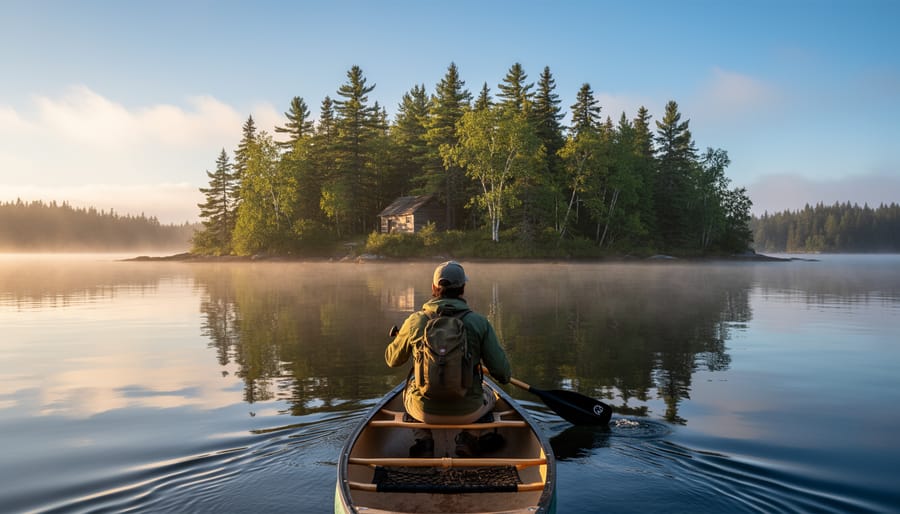
The backcountry islands scatter across the archipelago beyond Beausoleil, offering primitive camping for experienced paddlers and boaters who crave genuine solitude. These remote sites have no facilities whatsoever, no docks, no cleared tent pads, no outhouses. You’ll land on rocky shorelines, pitch your tent where the terrain allows, and manage everything yourself.
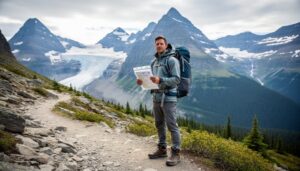
Navigating to these islands requires solid boat-handling skills and marine navigation experience. Sudden weather shifts on Georgian Bay can turn calm water choppy in minutes, and you’ll need to read nautical charts, understand buoy markers, and gauge distances accurately. GPS helps, but don’t rely on it exclusively, cell coverage is spotty to nonexistent.
Water management becomes critical. Most backcountry islands lack freshwater sources, so you’ll carry every litre you need or treat water from the bay itself (which requires serious filtration). Bears swim between islands, meaning proper food storage is non-negotiable even on these tiny outcrops.
The payoff? Waking to loon calls echoing across glass-smooth water at dawn, swimming off your own granite ledge, and not seeing another soul for days. These sites suit self-reliant campers comfortable with wilderness unpredictability. If you’re new to island camping, start with Beausoleil’s backcountry sites before venturing to the truly remote options.
5. Day-Use Islands and Picnic Spots
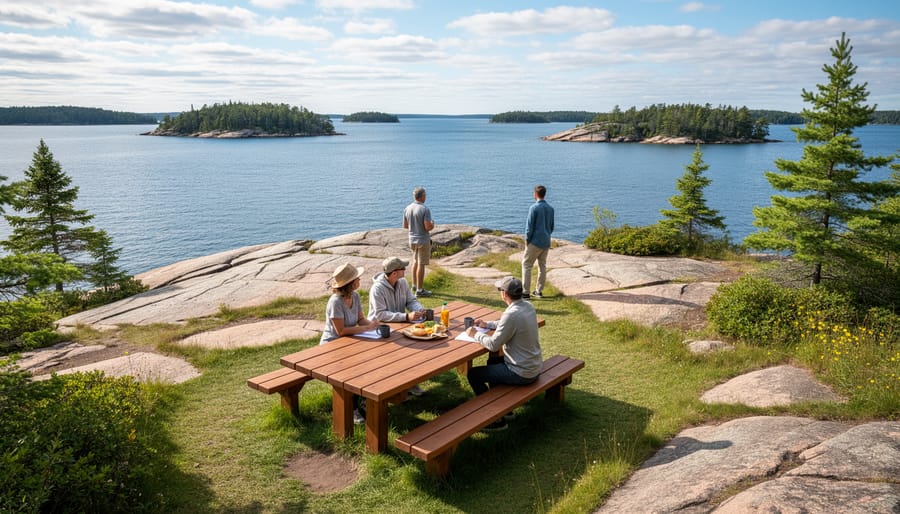
Day visits offer a perfect introduction to the park’s island character without the commitment of overnight gear. Several smaller islands within the archipelago feature picnic areas and sheltered bays where you can pull up your boat, kayak, or canoe for a few hours of exploration. These spots typically have basic amenities, picnic tables, fire pits, and vault toilets, but you’ll need to bring everything else with you, including drinking water and a portable stove if you plan to cook.
Beausoleil Island’s day-use areas near the main docks provide the most accessible experience, with maintained grounds and clear landing spots. As you venture to less-visited islands, expect more primitive conditions and the satisfaction of finding your own secluded shoreline. Arrive early during summer weekends, as popular picnic islands fill quickly with boaters seeking the same escape.
Practice impeccable Leave No Trace ethics: pack out every scrap of waste, respect wildlife by keeping food secured, and leave natural features undisturbed. If you’re exploring multiple islands in one day, give yourself ample time between stops, distances can be deceptive on the water, and Georgian Bay’s weather shifts quickly. A day-use visit lets you sample the park’s magic and decide which islands deserve a longer stay on your next trip.
Trails and Hiking Opportunities
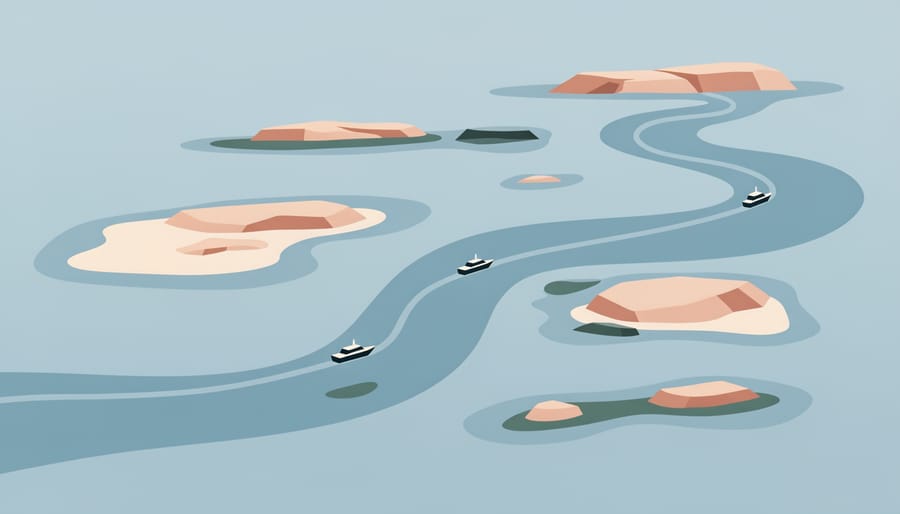
The hiking experience in Georgian Bay Islands National Park brings you face-to-face with the distinct landscapes of the Canadian Shield, where exposed granite meets Georgian Bay’s windswept shores and interior forests transition into rare wetland ecosystems. Unlike mainland parks, trails here are distributed across multiple islands, creating opportunities to combine boat travel with on-foot exploration as you discover each landmass’s unique character.
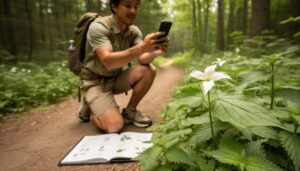
The park’s trail network spans three primary landscape types, each offering different perspectives on this archipelago wilderness. Coastal trails trace rugged shorelines where pink granite meets clear water, providing panoramic views across the bay and opportunities to spot waterbirds, turtles basking on rocks, and the occasional deer swimming between islands. Forest trails wind through mixed hardwood and coniferous stands, passing through shaded groves of maple, oak, and white pine that shelter woodland species. Bog boardwalks venture into fragile wetland areas where carnivorous pitcher plants thrive alongside sphagnum moss and orchids, these sensitive environments require extra care to avoid damage from foot traffic straying off designated paths.
When planning hikes, consider that most routes qualify as easy to moderate, with gentle elevation changes rather than steep climbs. Trail lengths typically range from short 20-minute loops to half-day excursions, making them accessible for families and casual hikers. The bigger challenge comes from the island environment itself: uneven granite surfaces can be slippery when wet, roots and rocks create natural obstacles, and shade is limited on exposed coastal sections during summer heat.
Bring proper footwear with ankle support and good traction, carry more water than you think you’ll need since potable sources are limited, and start hikes earlier in the day to avoid afternoon thunderstorms that develop quickly over Georgian Bay. Most importantly, treat these island trails as fragile resources, the ecosystems here recover slowly from damage, making thoughtful hiking practices essential for preserving this wilderness for future visitors.
Camping in Georgian Bay Islands
2026 Reservations and the Canada Strong Pass
Securing a campsite at Georgian Bay Islands demands advance planning and quick action. Reservations for the 2026 season open Monday, February 2, 2026 at precisely 8:00 a.m. ET through the Parks Canada reservation system. This early launch means you’ll be planning your island adventure months ahead, but popular sites on Beausoleil Island fill within hours of the opening time. Set an alarm, have your account details ready, and know exactly which sites and dates you’re targeting before that Monday morning rush.
The Canada Strong Pass sweetens the deal for summer 2026 visitors. This federal initiative offers free park admission and 25% off camping and overnight stays from June 19 through September 7, 2026. The savings add up quickly, especially if you’re planning multiple nights of island camping or considering whether kayaking vs canoeing will be your access method, since you’ll recoup gear rental costs through reduced camping fees. Check the official Canada Strong Pass benefits page for eligibility details and how to apply the discount during booking.
| Key Date | Details | Insider Tip |
|---|---|---|
| February 2, 2026 (8:00 a.m. ET) | Reservations open for entire season | Have backup site options; Cedar Spring fills fastest |
| June 19 – September 7, 2026 | Canada Strong Pass period (free admission, 25% off camping) | Book early in this window for best savings on peak dates |
| May – October | Typical camping season (weather-dependent) | Shoulder seasons offer solitude but require cold-weather gear |
Don’t wait for perfect weather forecasts. Book your preferred dates during the February rush, then monitor conditions as your trip approaches. Cancellation policies allow some flexibility, and having a secured site beats scrambling for last-minute availability on a boat-access park where options disappear fast.
Getting There and Getting Around
Getting to Georgian Bay Islands National Park requires planning around one fundamental reality: there are no roads, bridges, or public ferries. Every visit starts from the mainland and continues entirely by watercraft. Most visitors launch from the Honey Harbour area on the eastern shore of Georgian Bay, about 30 minutes north of Port Severn. From here, Beausoleil Island sits roughly two kilometres offshore, a quick crossing in calm conditions, but weather can change fast on the bay.
Your transport options depend on your experience level, budget, and camping gear load:
- Private motorboat: The most flexible choice if you own or can borrow one; Parks Canada maintains dock facilities at designated landing points.
- Water taxi services: Several operators run scheduled and on-demand trips from Honey Harbour to Beausoleil; book ahead during peak season and confirm return pickup times.
- Kayak or canoe: Paddling offers the quietest approach and access to shallow bays, but requires solid skills and careful weather monitoring for the open-water crossing.
- Charter services: Ideal for larger groups or those with heavy gear; operators familiar with park moorings can drop you directly at your campsite.
Getting here by boat means factoring tides, wind, and visibility into your schedule. Allow extra time for loading and unloading, especially with children or pets. Cell service fades once you leave the mainland, so finalize any reservation advice details beforehand. If you’re planning a 2026 visit, reserve early popular island sites book within hours of the February launch.
What to Bring and How to Prepare
Packing smart makes the difference between a smooth island adventure and a stressful scramble. Because you’re accessing everything by boat, every item needs to earn its spot in your pack.
Start with water: bring enough for your entire stay, as reliable sources on the islands are limited. Collapsible containers save space on the return trip. For food, invest in bear-proof containers or hang bags, even on smaller islands where wildlife encounters are common. Store everything scented, including toiletries and sunscreen.
Weather on Georgian Bay shifts fast. Pack layers that dry quickly, a waterproof shell, and sun protection. Even summer mornings can be chilly on the water. A comprehensive safety gear checklist should include navigation tools like updated charts and a compass, a whistle, headlamp with extra batteries, and a first aid kit with blister treatment and insect bite relief.
For boating safety, life jackets for everyone are non-negotiable, along with a bailer, throw rope, and communication device in a waterproof case. Bring garbage bags to pack out everything you bring in, plus biodegradable soap for washing dishes away from water sources.
Eco-friendly additions: reusable containers instead of single-use plastic, solar chargers for devices, and natural bug repellent. A small trowel for waste disposal and microfiber towels cut weight while reducing environmental impact. The best packers know that less gear, chosen carefully, means more freedom to enjoy the islands.
Local Tips and Insider Advice
Experienced paddlers know that September through early October is the sweet spot for island camping: the bugs have gone, the water remains warm enough for swimming, and you’ll often have entire islands to yourself. Late June can still see blackflies, while July and August bring peak crowds, but also the best weather for extended trips and warm-water exploration.
Georgian Bay’s weather can shift dramatically in a couple of hours. Check the marine forecast before every paddle, not just when you leave the mainland, and always carry a backup day’s worth of food and fuel in case wind keeps you island-bound. The bay’s westerly winds typically build through the afternoon, so plan your longest crossings for morning when the water is calmer.
For wildlife viewing, scan the shorelines at dawn and dusk when deer, mink, and even foxes come down to drink. The rocky points and dead snags are reliable spots for spotting herons, kingfishers, and the occasional bald eagle. Keep a respectful distance and never feed wildlife, it disrupts their natural foraging patterns and can make them aggressive toward future visitors.
Practice Leave No Trace rigorously: pack out every scrap of waste (including fruit peels, which attract bears), use designated fire rings only when fire bans aren’t in effect, and wash dishes well away from shore with biodegradable soap. Many veterans bring a small collapsible trash bag to collect any litter they find, leaving each island cleaner than they found it.
Frequently Asked Questions
Do I need my own boat to visit the park?
Not necessarily. While many visitors use private boats, you can also hire water taxi services from Honey Harbour to reach the islands, or paddle your own kayak or canoe if you’re experienced with open-water navigation.
Are there facilities on the islands?
Facilities are minimal and primitive. Beausoleil Island offers basic outhouses and designated camping areas, but you’ll need to bring your own drinking water, pack out all waste, and be prepared for backcountry conditions with no power or running water.
Can I visit in winter?
The park is accessible year-round, but winter visits require advanced skills and preparation. You’d need to travel by snowmobile, cross-country ski, or snowshoe across frozen Georgian Bay, with appropriate safety equipment and experience in winter wilderness travel.
What wildlife might I see?
The islands host black bears, white-tailed deer, painted turtles, and the endangered Massasauga rattlesnake. Bird watchers can spot great blue herons, loons, and various waterfowl, especially during spring and fall migrations.
Is fishing allowed in the park?
Yes, but you’ll need a valid Ontario fishing licence and must follow provincial regulations. Georgian Bay offers excellent fishing for bass, pike, and panfish around the islands’ rocky shorelines and bays.
How physically demanding is a visit?
It varies. Day trips can be fairly easy if you’re comfortable in a boat, while backcountry island camping demands good boating skills, the ability to carry gear across uneven terrain, and confidence managing in remote conditions without services.
What if weather prevents my departure?
Always build flexibility into your schedule. Georgian Bay weather changes rapidly, and high winds can make boating dangerous. Pack extra food and water, monitor forecasts closely, and never attempt to cross open water in unsafe conditions, even if it means extending your stay.
These answers cover the practical realities most first-time visitors face. The boat-access nature of the park intimidates some people, but water taxis make it accessible even without your own vessel. Understanding that this is genuine wilderness, not a drive-up provincial park with visitor centres and flush toilets, helps set proper expectations and leads to better preparation.


+ There are no comments
Add yours