

Pack your hiking boots and sharpen your taste buds – Ontario’s parks are serving up the ultimate feast for adventure-seeking food lovers. From foraging for wild mushrooms in Frontenac’s misty morning forests to cooking freshly caught trout over a crackling campfire, these culinary journeys merge wilderness exploration with unforgettable flavors. Follow our wild food adventure guide to discover edible treasures hiding in plain sight, join expert-led wild food walks, and learn ancient harvesting techniques passed down through generations of local foragers.
Picture yourself sampling maple syrup straight from the source during spring’s sweet harvest, gathering sun-warmed wild berries along hidden trails, or learning traditional Indigenous cooking methods that connect you deeply with the land. These aren’t just meals – they’re memories carved from Ontario’s wild spaces, seasoned with adventure and served with a side of outdoor expertise.
Whether you’re a seasoned outdoor chef or a curious food explorer taking your first steps into wild cuisine, Ontario’s parks offer a natural pantry waiting to be discovered. Just remember: the best flavors often hide off the beaten path.
Foraging Adventures in Ontario’s Parks
Seasonal Wild Edibles Guide
Ontario’s forests and fields offer a bounty of wild edibles throughout the year, making foraging an exciting addition to your outdoor adventures. Before you begin identifying wild edibles, remember to always follow park guidelines and forage responsibly.
Spring brings tender fiddleheads, wild leeks (ramps), and morel mushrooms. Look for these treasures in moist woodland areas, especially after the snow melts. As temperatures warm, wild strawberries and serviceberries start dotting the landscape.
Summer offers the richest variety, with wild raspberries and blackberries abundant along sunny trail edges. Keep an eye out for wild mint near water sources and elderberries in open areas. August brings chanterelle mushrooms in deciduous forests.
Fall rewards foragers with nutritious nuts like black walnuts and hickory, plus wild grapes and mushrooms including puffballs and oyster varieties. Don’t miss the tart cranberries in bog areas.
Even winter offers treats like rose hips and pine needles for tea. Remember these essential tips:
– Never harvest without being 100% certain of identification
– Take only what you need
– Leave plenty for wildlife
– Check local regulations before foraging
– Avoid harvesting near trails or polluted areas
Consider joining a guided foraging walk to learn from experienced naturalists – it’s the safest way to start your wild food journey!

Safety and Sustainability Tips
Before heading out on your wild food adventure, it’s crucial to familiarize yourself with safe foraging practices to protect both yourself and our precious ecosystems. Always carry a reliable field guide and never harvest plants you can’t identify with 100% certainty. Remember the rule of thirds: take no more than one-third of any patch you find, leaving plenty for wildlife and plant regeneration.
Stick to designated trails and public areas where foraging is permitted. Some parks require special permits, so check local regulations before your visit. Keep a respectful distance from private property and culturally significant areas. Bring reusable bags or baskets that allow spores to spread as you walk, helping maintain the ecosystem’s balance.
Clean your harvesting tools between uses to prevent the spread of plant diseases. When picking berries or mushrooms, leave the youngest and oldest specimens behind – they’re essential for wildlife and future growth. Avoid harvesting near busy roads or areas that might have been treated with pesticides.
Pack out what you pack in, and consider carrying an extra bag to collect any litter you spot along the way. Take photos of your finds before harvesting – this helps create a record of local species and their locations while sharing the beauty of our natural spaces responsibly.
Local Food Trails Worth Hiking
Frontenac’s Flavor Routes
Discover the delicious side of Frontenac through its carefully curated local food experiences along three distinct flavor routes. The Maple Trail winds through sugar bushes and historic farms, offering visitors a sweet taste of Ontario’s heritage. During spring, stop at traditional sugar shacks to watch maple syrup production and sample fresh treats, from maple butter to taffy pulls in the snow.
The Harvest Route connects you with family-owned farms and orchards dotting the countryside. From July through October, fill your basket with sun-ripened berries, crisp apples, and fresh vegetables while chatting with local farmers about their sustainable growing practices. Don’t miss the famous Frontenac cheese stops, where artisanal cheesemakers craft award-winning varieties using milk from nearby dairy farms.
For those seeking something truly unique, the Forager’s Path offers guided experiences in wild edible identification and harvesting. Learn to spot seasonal mushrooms, pick wild leeks, and gather edible flowers under the guidance of certified naturalists. Pro tip: Book a guided tour in early spring for the prized morel mushroom season, but remember to bring eco-friendly collection bags and wear weather-appropriate gear.
Each trail features designated picnic areas where you can enjoy your gathered treasures against the backdrop of Frontenac’s stunning landscapes. For the best experience, download the trail maps before your visit and check seasonal availability of different food stops, as many are weather-dependent and operate on specific schedules.

Farm-to-Trail Experiences
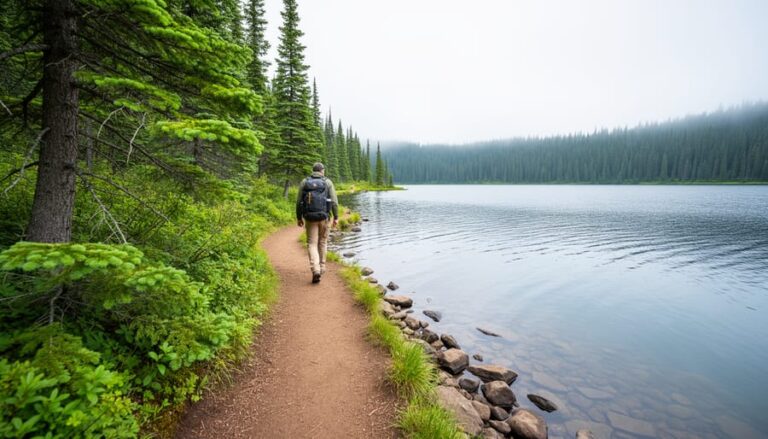
One of Ontario’s best-kept secrets is the growing network of farm-to-trail experiences that combine hiking with fresh, local flavors. Imagine picking sun-ripened berries along the Bruce Trail or sampling artisanal cheese at a family farm just steps from your hiking route. These delicious adventures are becoming increasingly popular among outdoor enthusiasts who love good food.
Many trails now connect directly to working farms and markets, creating perfect pit stops for hungry hikers. In the Niagara region, you can trek through vineyards, sampling grapes right off the vine during harvest season. The Georgian Bay area offers apple-picking adventures combined with scenic coastal hikes, while the Kawarthas let you pair woodland walks with visits to maple syrup producers.
Insider tip: Plan your hikes around harvest times for the best experience. Summer brings strawberry and blueberry picking opportunities, while fall offers apple and pear harvesting adventures. Many farms also host seasonal events where you can meet local producers and learn about sustainable farming practices.
For the best farm-to-trail experience, bring a small cooler in your daypack to store any perishable treats you pick up along the way. Most participating farms provide reusable containers or bags for purchases, supporting eco-friendly practices. Remember to carry cash, as some smaller farm stands might not accept cards.
These experiences aren’t just about the food – they’re about connecting with local communities and understanding where our food comes from. Many farmers are happy to share stories about their land and growing practices, adding an educational element to your outdoor adventure.
Campfire Cooking with Local Ingredients

Essential Equipment
Before heading out on your culinary adventure, make sure you’re equipped with the right tools. A portable camping stove is essential – look for one that’s lightweight and reliable. Pack a good-quality cast iron skillet, which is perfect for everything from morning pancakes to evening fish fries. Don’t forget a sharp knife, cutting board, and basic utensils like a spatula and tongs.
For food storage, bring airtight containers and heavy-duty zip-lock bags to keep ingredients fresh and protected from wildlife. A cooler is crucial – invest in one with good insulation to keep perishables cold throughout your trip. Consider bringing reusable ice packs instead of regular ice to reduce waste and mess.
Safety should always come first, so pack food thermometers and proper cleaning supplies. Biodegradable soap, hand sanitizer, and plenty of clean water are must-haves. Remember some basic seasonings too – salt, pepper, and your favorite spices can transform simple camp meals into gourmet experiences.
Pro tip: Keep a dedicated camping kitchen box packed and ready to go. This makes last-minute adventures much easier to organize!
Simple Recipes
Ontario’s wilderness offers incredible ingredients for simple yet delicious outdoor meals. Here’s a crowd-favorite recipe that perfectly captures the essence of local flavors: Maple-Glazed Lake Trout with Foraged Greens.
Start with a fresh lake trout fillet, brushed with local maple syrup and a pinch of sea salt. Wrap it in aluminum foil with fresh wild leeks (if in season) or regular green onions. Cook over campfire coals for 12-15 minutes until the fish flakes easily.
While the fish cooks, prepare a side of foraged greens. Dandelion leaves, lamb’s quarters, and wild watercress make an excellent wilderness salad. Toss them with a simple dressing of olive oil, apple cider vinegar, and a touch of local honey.
For a truly Ontario-inspired dessert, try Campfire Apple Pouches. Core local apples and stuff them with maple sugar, cinnamon, and crushed graham crackers. Wrap in foil and place in the coals for 10-15 minutes until tender.
Looking for a quick trail snack? Mix dried local cranberries, Ontario-grown walnuts, and maple-candied sunflower seeds for an energy-packed trail mix that celebrates regional flavors.
Remember to always properly identify any foraged ingredients and check local regulations before harvesting. When possible, source ingredients from local farmers’ markets or food stands near provincial parks.
Insider tip: Pack your ingredients in reusable containers and measure spices at home to minimize waste and make cooking easier at your campsite.
Food Festivals and Events
Ontario’s parks come alive throughout the year with food festivals and events that celebrate local flavors, seasonal harvests, and cultural traditions. From spring maple syrup festivals to fall harvest celebrations, these gatherings offer unique opportunities to taste the best of Ontario’s natural bounty while enjoying the great outdoors.
Spring kicks off with the sweet tradition of maple syrup celebrations, where visitors can watch demonstrations of traditional tapping methods, sample fresh syrup, and enjoy treats like maple taffy made right on the snow. Algonquin Provincial Park’s annual Maple Weekend is a crowd favorite, featuring guided tours of sugar bushes and hands-on workshops for families.
Summer brings a bounty of berry festivals across various parks. The Wild Blueberry Festival at Killbear Provincial Park lets visitors pick their own berries and learn about indigenous uses of this versatile fruit. Local vendors offer everything from blueberry pies to artisanal preserves, while guided nature walks explain the ecological importance of these native plants.
As autumn approaches, harvest festivals take center stage. Presqu’ile Provincial Park’s Apple Festival celebrates heritage apple varieties with cider pressing demonstrations, pie-making contests, and guided tours of historic apple orchards. Meanwhile, Bon Echo Provincial Park hosts a popular Wild Rice Festival, where visitors can learn about traditional harvesting methods and sample dishes prepared by local indigenous chefs.
Winter doesn’t slow down the culinary celebrations. The Ice Wine Festival at Short Hills Provincial Park pairs winter hiking with tastings of this uniquely Canadian delicacy. Warm up around campfires while sampling ice wine-infused hot chocolate and learning about the precise conditions needed for ice wine production.
Pro tip: Many festivals offer early-bird tickets with special perks like exclusive tastings or behind-the-scenes tours. Book accommodation well in advance, as park cabins and camping spots fill up quickly during these popular events. Don’t forget to bring reusable containers and cutlery to minimize waste while enjoying all the delicious offerings.
Ontario’s parks and natural areas offer an incredible tapestry of culinary experiences that go far beyond the traditional camping hot dogs and s’mores. From guided foraging walks in Algonquin Park to seasonal wild berry picking in the Kawarthas, these edible adventures connect visitors with the land in meaningful ways while creating unforgettable memories.
The explosion of food trails and culinary events across the province’s outdoor spaces has made it easier than ever to sample local flavors while enjoying nature. Whether you’re harvesting fresh maple syrup in early spring, joining a mushroom identification hike in autumn, or participating in an outdoor cooking workshop using foraged ingredients, there’s something to satisfy every foodie’s appetite for adventure.
What makes Ontario’s culinary scene truly special is how it seamlessly blends Indigenous food traditions, local agricultural heritage, and modern gastronomy against the backdrop of stunning natural landscapes. Food festivals in provincial parks celebrate this diversity while supporting local producers and sustainable practices.
As you plan your next outdoor adventure, consider incorporating these unique food experiences into your journey. Pack a picnic of local artisanal goods, join a guided wild edibles tour, or try your hand at outdoor cooking using traditional methods. The possibilities are endless, and each season brings new flavors and opportunities to explore Ontario’s natural bounty. Remember to always practice responsible foraging and support the local communities that make these experiences possible.





+ There are no comments
Add yours