

Step into nature’s ultimate treasure hunt, where every rustle of leaves and snap of a twig tells a story waiting to be discovered. Exploring Ontario’s forests transforms everyday hikers into wilderness detectives, foragers, and adventurers seeking their next wild food adventure in Ontario. Beyond the marked trails lies a world of edible mushrooms, seasonal berries, and medicinal plants – each waiting to be responsibly harvested by those who know where to look.
Pack a field guide, detailed maps, and proper permits before venturing into these ancient woodlands. Learn to identify at least three edible plants native to your local forest, master basic navigation skills, and understand seasonal hunting regulations. The forest rewards those who come prepared, respect its boundaries, and recognize that every expedition offers a chance to connect with nature’s pantry.
Remember: sustainable foraging means taking only what you need and leaving enough for wildlife and other foragers. Your forest adventure begins the moment you step off the beaten path, armed with knowledge and a deep respect for the wilderness that sustains us all.
Preparing for Your Forest Adventure
Required Licenses and Permits
Before heading into Ontario’s forests, it’s crucial to have the proper licenses and permits in hand. For hunting activities, you’ll need an Outdoors Card and the appropriate hunting license for your target species. First-time hunters must complete the Ontario Hunter Education Course and pass the exam to receive their Hunter Accreditation Number.
Different seasons apply to various game species, with specific dates set annually by the Ministry of Natural Resources and Forestry. For example, white-tailed deer season typically runs from early October to mid-December, depending on your wildlife management unit (WMU).
For foraging activities, most public lands allow gathering of mushrooms and berries for personal use without a permit. However, if you plan to harvest other forest products like tree branches or plants, you’ll need to obtain a Forest Resource License.
Remember to check local regulations before your trip, as rules can vary by region and season. It’s also worth noting that some areas might require additional permits or have specific restrictions during certain times of the year. When in doubt, contact your local MNRF office for the most up-to-date information.
Pro tip: Keep digital copies of your licenses on your phone as backup, but always carry physical copies with you in the forest.
Essential Gear and Equipment
Before heading into Ontario’s forests for foraging or hunting, proper equipment is essential for both safety and success. Start with a sturdy backpack that can carry your gear while keeping your hands free. Inside, always pack a reliable compass and detailed topographic maps of your chosen area – while smartphone GPS is helpful, batteries can die, so never rely on it exclusively.
A good-quality knife is indispensable for both hunting and foraging. Choose one with a full-tang blade and comfortable grip. For foraging, add pruning shears and breathable mesh bags to collect and transport your finds while allowing spores to spread.
Dress appropriately with moisture-wicking base layers and waterproof outer shells. Sturdy hiking boots with ankle support are crucial, and don’t forget extra socks. During hunting season, wearing bright orange clothing is mandatory for safety.
Your safety kit should include a first-aid kit, emergency blanket, waterproof matches, and a flashlight with extra batteries. A whistle can be lifesaving if you need to signal for help. Pack more water than you think you’ll need, and energy-dense snacks like trail mix and protein bars.
For hunters, proper firearms or archery equipment must be accompanied by necessary licenses and tags. Consider bringing game bags and rope for field dressing and transport.
Eco-friendly tip: Choose reusable containers and bags instead of disposable ones, and opt for biodegradable marking tape if you need to mark your trail. A small garbage bag ensures you can pack out what you pack in, leaving no trace of your adventure.

Finding Your Wild Game
Best Locations in Ontario Parks
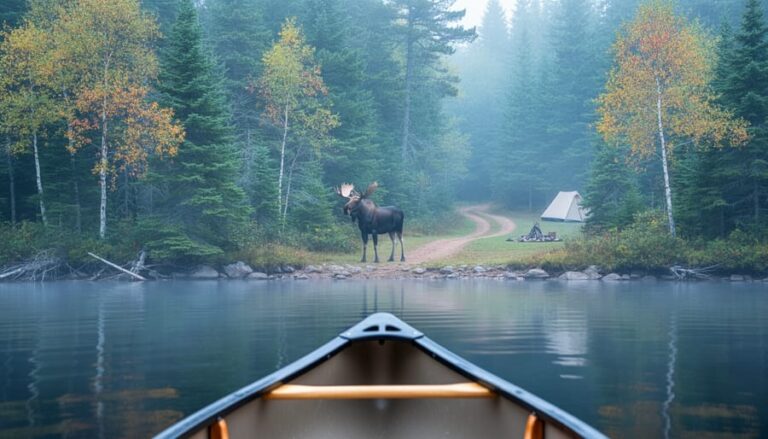
When it comes to exploring Ontario’s wild side, certain parks stand out as prime locations for wildlife encounters. Algonquin Provincial Park’s western corridor is a favorite among experienced foragers, particularly during early morning hours when moose frequently visit the marshy areas near Lake of Two Rivers.
The Frontenac Arch region offers excellent opportunities year-round, with its unique ecosystem supporting diverse wildlife populations. Look for deer trails near rock outcroppings, especially during dawn and dusk when animals are most active. The mixed forests here provide perfect cover for observing wildlife undisturbed.
In Killarney Provincial Park, the La Cloche Mountains area is particularly rewarding for wildlife enthusiasts. The white quartzite ridges offer excellent vantage points for spotting animals in the valleys below. Pro tip: follow game trails that lead to water sources, but remember to maintain a respectful distance.
Lesser-known spots include the Kawartha Highlands, where beaver ponds create natural gathering spots for various species. The best viewing times are typically just after rainfall when tracks are fresh and visible in the soft ground. Remember to check with local authorities about seasonal restrictions and required permits.
For newcomers to wildlife observation, Queen Elizabeth II Wildlands Provincial Park offers well-marked trails and frequent animal sightings. The park’s diverse landscape of wetlands and forests provides natural corridors where wildlife movement is predictable and observable. Always carry binoculars and maintain quiet observation practices to avoid disturbing the natural behavior of the animals.

Tracking and Spotting Techniques
Learning to read the forest’s story through animal signs is like becoming a nature detective. Start by looking for tracks in soft soil, mud, or snow – deer prints are easily recognizable with their heart-shaped hooves, while smaller mammals like raccoons leave distinct hand-like impressions. The best times for tracking are early morning or late afternoon when animals are most active.
Pay attention to broken twigs, flattened grass, and bark scrapes on trees, which can indicate regular animal pathways or feeding areas. Look up occasionally too – broken branches and scattered feathers might reveal where birds frequent or where owls have enjoyed their dinner.
Here’s a helpful tip: after finding tracks, note their direction and spacing. Wider spacing often means the animal was running, while closer tracks suggest a walking pace. Fresh droppings are another valuable clue – they’re usually dark and moist, while older ones appear dry and crumbly.
Animal beds and nests are exciting discoveries. Look for flattened circular areas in tall grass or under dense bushes where deer might have rested. Around tree bases, you might spot small piles of nut shells – evidence of squirrel feeding stations.
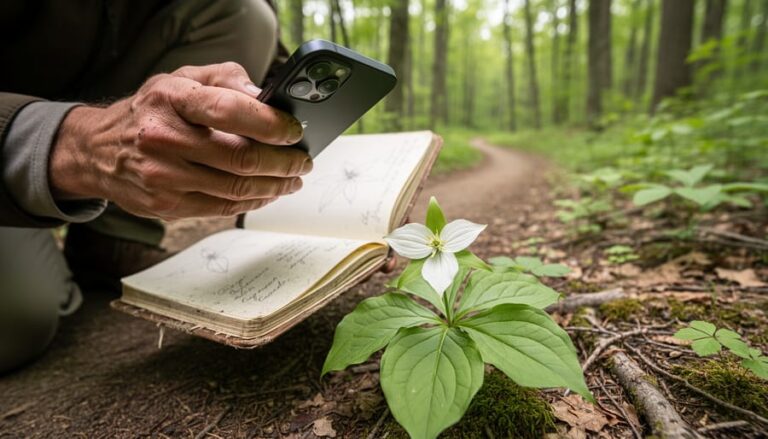
Remember to move quietly and stay downwind when possible. Animals are more likely to reveal themselves if they don’t detect your presence. Bring a small notebook to sketch tracks or make notes about what you find – this helps build your tracking knowledge over time.
Pro tip: Take photos of tracks next to a familiar object (like a coin) for scale. This makes it easier to identify the animal later and share your discoveries with fellow nature enthusiasts.
From Forest to Table
Field Dressing Basics
When you’ve successfully harvested game in Ontario’s forests, proper field dressing is crucial for meat preservation and quality. Start by ensuring you have the right tools: a sharp hunting knife, rubber gloves, and clean bags for organ meat. Position the animal on a slight incline with its head uphill, making the process easier and cleaner.
Begin by making a careful incision from the bottom of the breastbone to the pelvic area, being cautious not to puncture any internal organs. Remove the organs systematically, starting with the lower intestines and working your way up. The heart and liver can be saved for cooking, as they’re considered delicacies in many traditional food preparation methods.
Pro tip: Keep a small bottle of vinegar in your pack to clean your knife between cuts – it helps prevent cross-contamination and keeps your blade sharp longer. If possible, cool the carcass quickly by propping the chest cavity open with a clean stick. In warmer weather, pack the cavity with clean snow or ice if available.
Remember to properly dispose of the remains away from trails and water sources, following local regulations. This not only keeps the forest clean but also prevents attracting unwanted scavengers to popular hiking areas. Once you’ve completed the field dressing, transport your game to a proper processing facility or your designated cleaning area as quickly as possible.
For beginners, consider asking an experienced hunter to guide you through your first few field dressing experiences. This hands-on mentorship is invaluable for learning proper technique and ensuring nothing goes to waste.

Safe Transport and Storage
After a successful day in the forest, proper transport and storage of your findings is crucial for both safety and preservation. Whether you’re bringing home wild mushrooms, berries, or other foraged items, start by sorting your harvest on-site. Use breathable bags or baskets rather than plastic containers, which can trap moisture and accelerate spoilage.
For delicate items like mushrooms and berries, layer them gently in your container with leaves or paper towels between each layer to prevent crushing. Keep different species separate to avoid cross-contamination and make identification easier once you’re home. If you’re collecting plants or herbs, bundle them loosely with twine and transport them upright in a container with a small amount of water, just like you would with fresh-cut flowers.
Once home, process your findings immediately. Clean everything thoroughly with cool water and pat dry. For mushrooms, use a soft brush to remove debris rather than washing when possible, as they can become waterlogged. Store most foraged items in paper bags in the refrigerator’s crisper drawer, where they’ll stay fresh for several days.
Remember to label everything with the date and location of collection. This practice isn’t just good organization – it’s essential for tracking freshness and maintaining a record of successful foraging spots. For long-term storage, consider drying herbs and mushrooms or freezing berries on a tray before transferring them to freezer bags.
Simple Wild Game Recipes
After a successful day of foraging or hunting in Ontario’s forests (with proper licenses and permits), transform your wild harvest into delicious meals with these straightforward recipes. These preparations honor our region’s rich local food experiences while keeping things simple and approachable.
For wild mushrooms like chanterelles or morels, start with a basic sauté. Clean them gently with a brush, slice, and cook in butter with garlic and fresh herbs for 5-7 minutes. This method preserves their natural flavors and makes a perfect side dish or pasta topping.
When preparing wild game like venison, remember that less is more. For tender cuts, season simply with salt and pepper, then pan-sear for 3-4 minutes per side for medium-rare. Let it rest for 5 minutes before slicing. For tougher cuts, try a slow-cooker stew with root vegetables and herbs.
Wild leeks (ramps) make an excellent pesto. Blend the cleaned leaves with pine nuts, parmesan, olive oil, and a pinch of salt. This versatile sauce works on pasta, grilled meats, or as a spread.
Pro tip: Always keep a portion of your harvest for preservation. Mushrooms can be dried, meat can be frozen, and wild herbs can be dried or made into compound butter for future use.
Remember to properly identify everything you gather and follow local regulations. When in doubt about identification, consult an expert or experienced guide. Start with these basic recipes and gradually experiment with more complex preparations as you gain confidence.
As we conclude our journey through Ontario’s forests, it’s crucial to remember that responsible hunting isn’t just about following regulations – it’s about respecting the land and its inhabitants. Always obtain proper licenses, understand seasonal restrictions, and practice ethical hunting methods that minimize animal suffering and environmental impact.
The rewards of forest-to-fork experiences extend far beyond filling your freezer. There’s an incomparable satisfaction in knowing exactly where your food comes from and the effort invested in procuring it sustainably. When you process and prepare wild game yourself, you develop a deeper appreciation for the animal and ensure nothing goes to waste.
Consider joining a local hunting association or connecting with experienced mentors who can share their knowledge and traditions. These relationships often lead to lifelong friendships and a stronger connection to Ontario’s hunting heritage. Many clubs also participate in conservation efforts, giving you opportunities to give back to the ecosystem that provides for us.
Remember to document your experiences, whether through photographs or a hunting journal. These memories become treasured stories to share with future generations, helping preserve the art of responsible hunting and forest stewardship.
By embracing these mindful practices, you’re not just participating in an age-old tradition – you’re becoming part of a community committed to sustainable food sourcing and wildlife conservation. The forest provides abundantly for those who treat it with respect and care.





+ There are no comments
Add yours