

Step into the soul of New Orleans through a sensory journey where every street corner tells a delicious story of its historic food culture. From the aromatic gumbo bubbling in century-old Creole kitchens to the powdered sugar-dusted beignets of Café du Monde, the city’s culinary heritage weaves together French, Spanish, African, and Caribbean influences into an unforgettable feast for the senses.
In the French Quarter’s weathered buildings, local guides share tales of how immigrant communities shaped iconic dishes like jambalaya and red beans and rice, while the revered restaurants of the Garden District reveal the sophisticated evolution of Creole cuisine. Each neighborhood adds its own distinctive flavor to the city’s rich culinary tapestry, from the Vietnamese influences in New Orleans East to the seafood traditions of the Ninth Ward.
Join expert food historians and local chefs as they guide you through hidden courtyard kitchens, bustling markets, and family-owned establishments that have preserved recipes for generations. These immersive tours offer more than just tastings – they’re a deep dive into the very essence of New Orleans, where every meal tells a story of resilience, creativity, and cultural exchange.
The French Quarter’s Culinary Time Machine
Creole Cooking Chronicles
At the heart of New Orleans’ culinary identity lies Creole cuisine, a fascinating fusion born from the city’s rich cultural tapestry. This sophisticated cooking style emerged from the kitchens of wealthy French colonists, enriched by influences from Spanish, African, and Caribbean traditions. Unlike its country cousin Cajun cooking, Creole cuisine embraces urban refinement with complex butter-based sauces and elaborate preparation methods.
The story of Creole cooking is inseparable from the city’s history, with signature dishes like gumbo, shrimp remoulade, and turtle soup gracing tables since the 18th century. Local ingredients like Gulf seafood, African okra, and French herbs created a unique pantry that defines Creole cuisine to this day. The famous “holy trinity” of onions, celery, and bell peppers – a Creole adaptation of the French mirepoix – forms the foundation of countless traditional recipes.
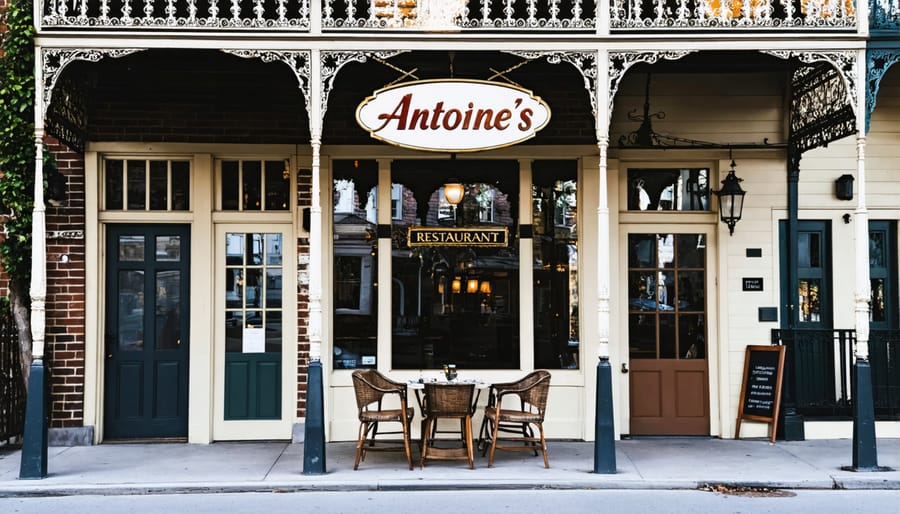
In historic restaurants like Antoine’s and Dooky Chase’s, time-honored Creole traditions continue to thrive. These establishments serve as living museums where classic dishes like Eggs Sardou and Pompano en Papillote tell the story of New Orleans’ culinary evolution. Modern chefs still honor these traditions while adding contemporary twists, ensuring that Creole cuisine remains a vibrant, evolving art form that captures the essence of New Orleans’ multicultural heritage.
Historic Restaurant Row
No trip to New Orleans’ culinary scene would be complete without exploring the legendary Restaurant Row, where some of the city’s most venerable establishments have been serving classic Creole cuisine for over a century. Leading the pack is Antoine’s, which opened its doors in 1840 and holds the distinction of being America’s oldest family-run restaurant. Here, the walls whisper stories of countless celebrations, and their original Oysters Rockefeller recipe remains a closely guarded secret.
Just down the street, Brennan’s pink-hued facade has been welcoming guests since 1946, though the family’s restaurant legacy dates back even further. Their iconic Bananas Foster, created in 1951, has become synonymous with New Orleans desserts, and their elaborate breakfast service is nothing short of a local institution.
Galatoire’s, established in 1905, maintains its vintage charm with crystal chandeliers and traditional Friday lunch celebrations that often turn into hours-long affairs. Meanwhile, Arnaud’s has been delighting diners since 1918 with its French-Creole menu and jazz brunch traditions.
Pro tip: Make reservations well in advance, especially for weekend dining. Consider visiting during lunch hours when you might snag a table more easily and enjoy the same legendary dishes at slightly lower prices. Don’t forget to dress up – many of these establishments maintain dress codes that honor their historic traditions.
Treme’s Food Legacy
Jazz and Jambalaya
In New Orleans’ historic Treme neighborhood, the city’s soul-stirring jazz and mouthwatering cuisine come together in perfect harmony. Known as America’s oldest African American neighborhood, Treme has been serving up generous portions of both musical innovation and Creole cooking for over two centuries.
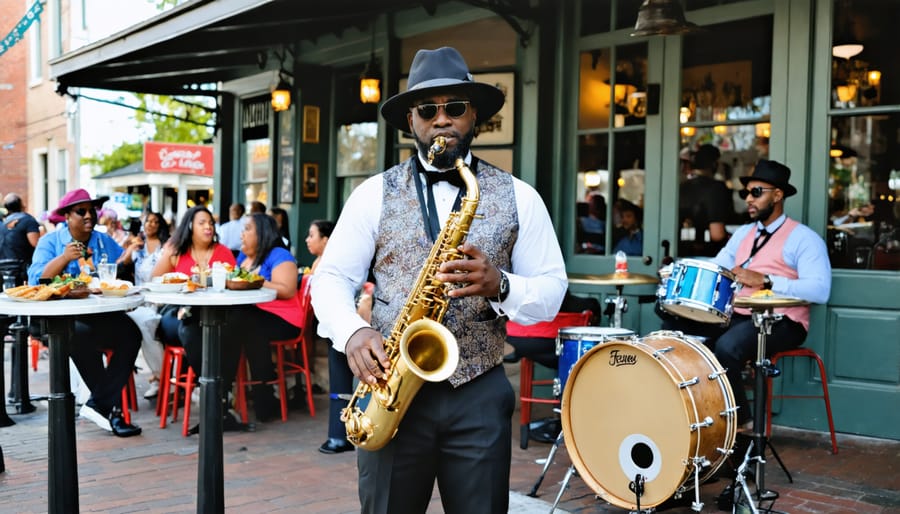
As you stroll these storied streets, the aroma of simmering gumbo mingles with brass band melodies drifting from corner bars and social clubs. Local musicians will tell you that good food and good music are inseparable here – both born from the same spirit of creative expression and community gathering.
Stop by the landmark Dooky Chase’s Restaurant, where civil rights leaders once gathered over bowls of gumbo, and jazz legends found nourishment between sets. The late Chef Leah Chase wasn’t just feeding bodies; she was feeding a cultural movement that changed America.
Today, you can still experience this delicious intersection of art forms at spots like Li’l Dizzy’s Café, where traditional jazz brunches feature red beans and rice alongside improvised solos. For the full experience, time your visit during one of Treme’s famous second line parades, when the streets fill with dancers, brass bands, and food vendors serving up local specialties.
Cultural Preservation Through Food
In the heart of Tremé, New Orleans’ oldest African American neighborhood, the essence of Creole cooking lives on through generations of dedicated home cooks and restaurateurs. Here, you’ll find traditional culinary experiences that have been passed down through families for centuries, carefully preserved like precious heirlooms.
At local institutions like Dooky Chase’s Restaurant, recipes that survived the Civil War continue to tell stories of resilience and creativity. Watch as modern chefs blend time-honored techniques with contemporary twists, keeping dishes like gumbo z’herbes and red beans and rice authentically delicious while ensuring their survival for future generations.
Community gatherings and food festivals in Tremé serve as living classrooms where elderly residents share their cooking secrets with younger neighbors. The Monday tradition of red beans and rice, born from wash-day practices, remains a weekly ritual in many households. Local cooking classes, often held in historic homes, give visitors hands-on experience with these treasured recipes while supporting preservation efforts.
What makes Tremé special is how food traditions aren’t just preserved in cookbooks – they’re alive in every backyard barbecue, every family gathering, and every impromptu street parade where the aroma of Creole cooking fills the air.
Market Adventures
French Market Tales
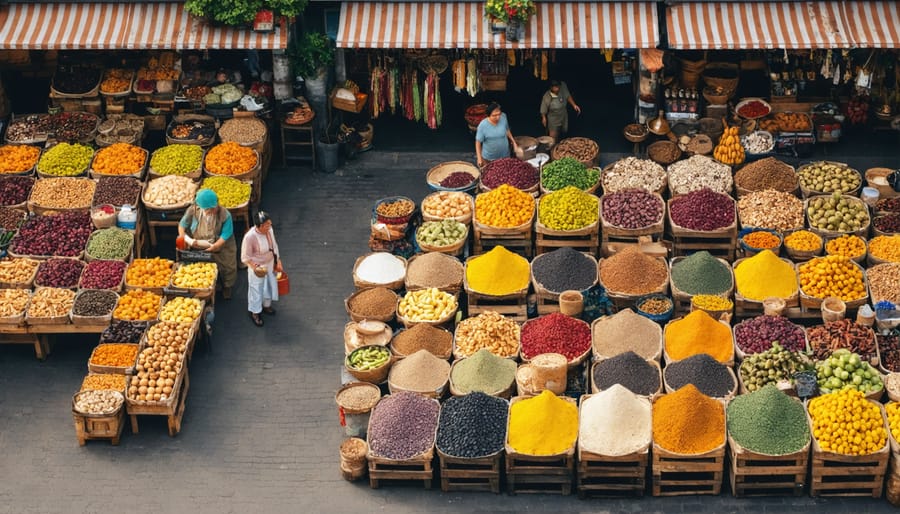
Step into the vibrant world of the French Market, where nearly 300 years of culinary history come alive. Dating back to 1791, this historic marketplace has been the beating heart of New Orleans’ food scene, serving as a meeting point for Native Americans, European settlers, and local traders long before the city grew around it.
Walking through the market today, you can still feel echoes of its colorful past. Local vendors share tales of their grandparents selling pralines from the same spots where they now stand, while century-old recipes for Creole seasonings continue to spice up the air. The market’s famous coffee stand has been serving its signature brew, mixed with chicory, since the Civil War era.
Don’t miss the famous Café du Monde, which has been serving its iconic beignets and café au lait since 1862. The powdered sugar-dusted treats taste even sweeter when you learn they were once enjoyed by dock workers starting their early morning shifts.
Pro tip: Visit early in the morning to watch vendors setting up their stalls while enjoying fresh produce and authentic local breakfast specialties. The market is most lively between 9 AM and noon, when local chefs come to source their daily ingredients, continuing a tradition that’s as old as the city itself.
Stories of resilience abound here, from surviving multiple fires to rebounding after countless hurricanes, making the French Market a testament to New Orleans’ unbreakable spirit.
Modern Market Renaissance
New Orleans’ historic markets have masterfully evolved to meet modern tastes while keeping their cherished traditions alive. Take the French Market, for instance, where centuries-old Creole spice vendors now share space with innovative food entrepreneurs serving up contemporary twists on classic dishes. You’ll find traditional praline makers working alongside artisanal coffee roasters, creating a vibrant blend of old and new.
The St. Roch Market, originally built in 1875, has been transformed into a sleek food hall while maintaining its architectural charm. Here, local chefs experiment with fusion cuisines that pay homage to New Orleans’ multicultural heritage. Don’t miss the modern takes on gumbo and jambalaya that still use time-honored family recipes as their foundation.
What’s particularly exciting is how these markets have become incubators for the next generation of New Orleans’ culinary talents. Young chefs are learning directly from veteran vendors, ensuring traditional techniques aren’t lost while creating their own innovative dishes. Many market vendors now offer cooking demonstrations, where visitors can learn everything from proper roux-making to contemporary seafood preparations.
Eco-friendly practices have also found their way into these historic spaces, with vendors increasingly sourcing local ingredients and using sustainable packaging. It’s a beautiful example of how New Orleans honors its past while embracing the future of food.
Practical Tips for Food History Explorers
Best Times to Visit
New Orleans’ culinary scene shines year-round, but certain seasons offer particularly memorable experiences. Spring (March to May) brings mild temperatures and the beloved French Quarter Festival, perfect for sampling traditional dishes while strolling through historic streets. Fall (October to November) offers similarly comfortable weather and smaller crowds, making it ideal for intimate food tours and cooking demonstrations.
For the ultimate foodie experience, plan your visit around one of the city’s famous food festivals. Don’t miss March’s Food & Wine Experience, July’s Tales of the Cocktail, or October’s Beignet Fest. December’s Reveillon dinners, a Creole Christmas tradition, showcase special holiday menus at historic restaurants.
Avoid peak summer months (June-August) when high humidity can make walking tours uncomfortable. Winter (December-February) brings cooler temperatures but festive holiday specialties and shorter wait times at popular restaurants. Pro tip: Book morning tours in summer and afternoon tours in winter to make the most of the weather.
Local Tour Options
For an authentic taste of New Orleans’ culinary scene, join Dr. Gumbo Tours’ signature food history experience, which weaves through the French Quarter’s hidden gems. Their expert guides share fascinating stories while you sample iconic dishes like gumbo and beignets. Alternatively, Cajun Food Tours offers intimate walking experiences focused on Creole influences and local markets.
For self-guided adventures, start at Jackson Square and follow Royal Street north, stopping at historic establishments like Antoine’s (oldest family-run restaurant in America) and Brennan’s. Download the French Quarter Food History app for fascinating audio commentary along the way. The Garden District also offers excellent culinary heritage tours through companies like Food Tours New Orleans.
Pro tip: Book morning tours to beat the heat and crowds, and wear comfortable walking shoes – you’ll cover about 1.5 miles on most tours. Many operators offer dietary accommodations with advance notice, ensuring everyone can savor New Orleans’ incredible food story.
Cultural Etiquette
When joining a culinary tour in New Orleans, remember you’re not just tasting food – you’re experiencing living history and culture. Show respect for local establishments by keeping your voice down in smaller restaurants and avoiding blocking doorways while taking photos. Many historic eateries are family-owned businesses that have operated for generations, so be mindful of their space and traditions.
Tip generously at restaurants and food stops – it’s customary to leave 18-20% for table service. When visiting markets like the French Market or local grocers, ask permission before photographing vendors or their goods. If you’re sampling street food, clean up after yourself and dispose of trash properly.
Be open to trying new dishes, even if they seem unfamiliar. Local guides appreciate guests who show genuine interest in learning about the city’s culinary heritage. If you have dietary restrictions, inform your tour guide in advance – most can accommodate your needs while keeping you engaged in the experience.
When visiting historic neighborhoods, be mindful of residents going about their daily lives. Keep sidewalks clear and maintain appropriate noise levels, especially during early morning or evening tours.
A culinary tour through New Orleans is more than just a food experience – it’s a journey through time, culture, and the very soul of this remarkable city. As you wander through the historic streets, sampling traditional dishes and learning their origins, you’ll discover how centuries of French, Spanish, African, and Caribbean influences have melded together to create something uniquely New Orleans.
From the aromatic coffee and beignets at Café du Monde to the hearty gumbo in the French Quarter, each bite tells a story of cultural exchange, survival, and celebration. The city’s resilient spirit shines through in its cuisine, whether you’re savoring a po’ boy in the Marigny or enjoying crawfish étouffée in Tremé.
What makes these culinary history tours truly special is the personal connection you develop with local guides, restaurant owners, and fellow food enthusiasts. Their passionate storytelling brings to life the personalities behind classic recipes, the evolution of cooking techniques, and the preservation of cherished food traditions.
As you conclude your gastronomic adventure, you’ll take with you not just memories of incredible flavors, but a deeper understanding of how New Orleans’ diverse communities have contributed to its world-renowned food culture. This city’s culinary heritage isn’t just preserved in cookbooks – it’s alive and evolving in every kitchen, street corner, and family gathering, making each visit a unique and enriching experience.
Remember to support local establishments and embrace the city’s motto of “laissez les bons temps rouler” – let the good times roll!











+ There are no comments
Add yours