
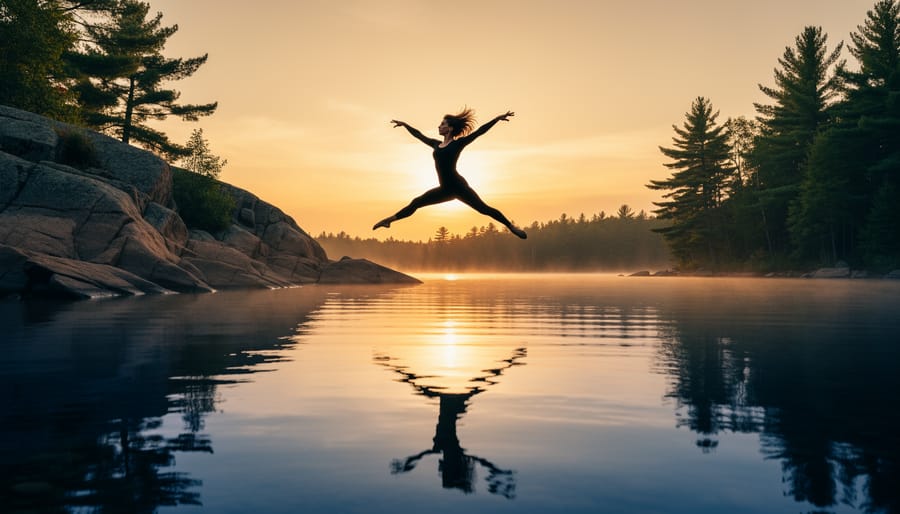
Freeze a dancer mid-leap against a golden sunset, their silhouette suspended above still water. Capture the explosive energy of a contemporary performer framed by ancient rock formations. These aren’t studio shots—they’re the magic that happens when you combine movement artistry with Ontario’s wilderness as your backdrop.
Photography workshops in Ontario parks are evolving beyond traditional landscape sessions, and dance photography workshops represent an exciting fusion for creative adventurers. Whether you’re a photographer wanting to master motion blur and freeze-frame techniques or a dancer building a portfolio that stands out from generic studio shots, these specialized workshops offer something remarkable: the chance to create art in spaces where natural light, dramatic terrain, and raw beauty become your collaborators.
The learning curve is steep when shooting movement outdoors—you’re juggling shutter speeds, unpredictable lighting, and a performing subject all at once. But here’s the insider secret: provincial parks provide the ideal training ground. Their diverse environments, from beaches to forests to rocky outcrops, challenge you to adapt quickly while offering stunning visual rewards. Plus, the eco-friendly aspect matters—you’re creating art while treading lightly on protected lands, learning to work with nature rather than against it.
Ready to transform how you see both photography and dance? Let’s explore what makes these workshops unforgettable and how to make the most of your experience.
Why Ontario Parks Make Perfect Dance Photography Settings
Picture this: a dancer leaping through morning mist rising from a lake, their movement frozen against towering pines, or twirling among autumn leaves that seem to dance right along with them. That’s the magic you simply can’t bottle up in a studio, no matter how fancy the lighting setup.
Ontario’s parks offer something truly special for dance photography – they’re nature’s own ever-changing studio. The diversity is remarkable. Within a single park, you might find rocky shorelines, dense forests, open meadows, and dramatic cliff faces, giving you multiple backdrops without ever moving your car. Each location tells a different story and brings out different emotions in your images.
The lighting here is a photographer’s dream, though it does keep you on your toes. Golden hour through the trees creates dappled patterns that add depth and dimension to movement. Overcast days provide that sought-after soft, even light that makes skin tones glow. And if you’re brave enough to shoot during that brief window after a storm, you’ll capture moody, dramatic scenes that gallery-goers can’t look away from.
Then there’s texture – something studios struggle to replicate authentically. Weathered bark, smooth granite, rippling water, and wild grasses all add visual interest and context to your compositions. These natural elements give dancers something real to interact with, making poses feel more organic and less staged.
Here’s an insider tip: embrace the seasons. Spring brings fresh greens and wildflowers, summer offers lush fullness, fall delivers that incredible colour palette, and winter provides stark, minimalist beauty. Each season requires different preparation, but the creative possibilities multiply throughout the year.
The outdoor setting also encourages spontaneity and experimentation. When you’re not confined by four walls, both photographer and dancer feel freer to explore unconventional angles, movements, and interpretations. That creative energy translates directly into more compelling, authentic images.
What to Expect from a Dance Photography Workshop
Technical Skills You’ll Master
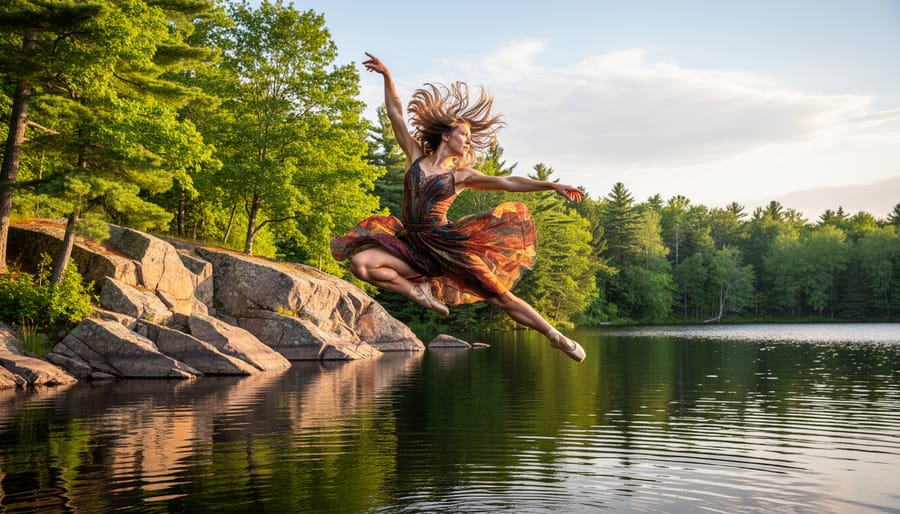
You’ll walk away from these workshops with camera skills that transform blurry motion into breathtaking art. The real magic happens when you master shutter speed control—learning to freeze a dancer mid-leap at 1/1000th of a second, or slow things down to 1/30th to capture that dreamy motion blur that tells the story of movement itself.
Panning techniques become second nature as you track dancers across the frame, keeping them sharp while the background blurs into streaks of forest greens and golden light. It’s trickier than it sounds, but once you nail it, the results are absolutely stunning. You’ll also dive deep into natural light techniques, discovering how dawn’s soft glow or late afternoon’s warm rays can sculpt a dancer’s form beautifully without any flash.
Insider tip: bring a lens with a wide aperture (f/2.8 or lower) if you have one—it’ll give you more flexibility when working with Ontario’s ever-changing natural light conditions. Workshops typically cover continuous shooting modes too, helping you capture those split-second perfect poses that happen between choreographed movements. By the end, you’ll confidently adjust ISO, aperture, and shutter speed on the fly, adapting to whatever your dancing subject throws your way.
Working with Dancer Models
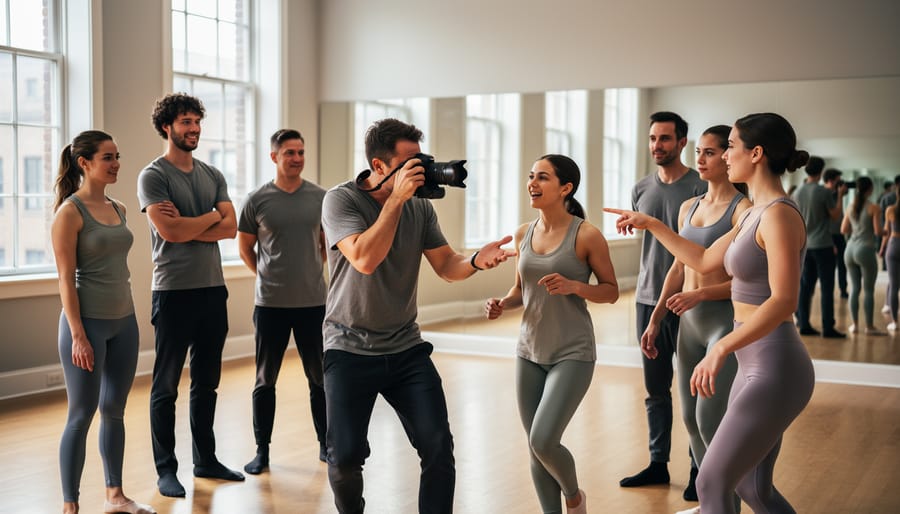
The magic of dance photography happens when photographer and dancer work as a unified team. Quality workshops focus heavily on this collaborative relationship, teaching you how to communicate your vision while respecting the dancer’s artistic expression. You’ll learn essential directing techniques—how to guide movement without stifling spontaneity, and how to use simple cues like “reach higher” or “hold that extension” to capture powerful moments.
Timing is everything when photographing movement. Instructors share insider tips for anticipating peak moments—that split second when a leap reaches its highest point or when fabric creates the perfect swirl. You’ll practice counting beats and recognizing movement patterns, skills that transform random clicks into intentional captures.
Building trust with your subjects makes all the difference. Workshops often include exercises where photographers and dancers switch perspectives, helping you understand the performer’s experience. You’ll discover how showing dancers their images on-screen creates excitement and encourages experimentation. Many workshop participants form lasting creative partnerships, continuing to collaborate long after the session ends. This collaborative approach feels especially rewarding in Ontario’s natural settings, where both photographer and dancer draw inspiration from the landscape surrounding them, creating authentic moments rather than forced poses.
Best Ontario Parks for Dance Photography Sessions
Waterfront and Shoreline Locations
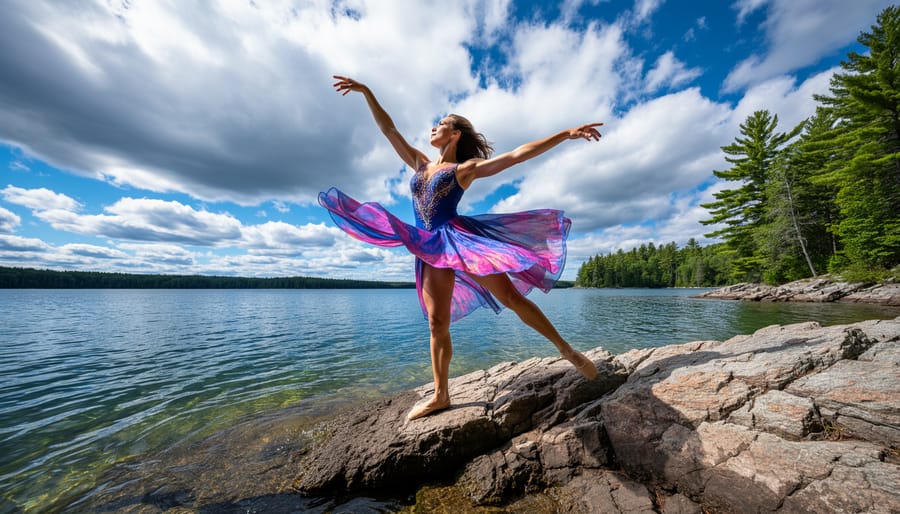
Picture your dancers leaping against a backdrop of crashing waves or pirouetting on smooth shoreline rocks as golden hour light sparkles across the water. Waterfront locations offer unmatched drama for movement photography. The dynamic energy of water mirrors the fluidity of dance, creating powerful visual metaphors in your images.
Parks like Presqu’ile and Sandbanks provide diverse shoreline settings, from sandy beaches perfect for barefoot contemporary sequences to dramatic limestone formations ideal for edgier compositions. The natural reflections in calm waters double your visual impact, while gentle waves add organic motion blur that complements your dancer’s movements.
Insider tip: Shoot during the magic hour before sunset when warm light skims across the water’s surface, creating that coveted backlit glow. Bring microfiber cloths to protect your gear from spray, and scout locations at low tide to discover hidden rock formations. These waterfront settings transform simple dance poses into breathtaking portfolio pieces that capture both athletic grace and Ontario’s natural beauty.
Forest and Woodland Settings
Step into Ontario’s enchanting forest parks where dappled sunlight creates magical photography opportunities you won’t find anywhere else. These woodland settings offer that dreamy, filtered light filtering through the canopy—perfect for capturing graceful dance movements with a soft, ethereal quality. I’ve found that early morning sessions work beautifully when mist still lingers between the trees, adding an atmospheric dimension to your shots.
The natural textures here are incredible: moss-covered logs, weathered bark, and carpets of forest floor vegetation provide rich, organic backdrops that make dancers truly pop in your frame. Provincial parks like Algonquin and Killarney feature established trails where you can set up without disturbing sensitive ecosystems—just remember to stay on marked paths to protect native plants.
Insider tip: scout your location beforehand and note where light breaks through the canopy around your planned shooting time. Bring mosquito repellent during summer months, and consider autumn sessions when golden leaves create stunning natural confetti effects. These intimate forest settings encourage creative experimentation with slower shutter speeds to capture both the dancer’s energy and the peaceful woodland atmosphere surrounding them.
Open Meadows and Scenic Overlooks
Picture this: a dancer leaping across a sun-drenched meadow, wildflowers swaying in the breeze, golden hour light streaming across rolling hills. Open meadows offer that magical combination of space and drama that makes dance photography truly breathtaking.
These expansive settings give your dancers room to really move—think grand jetés, running sequences, and flowing fabric that catches the wind. The unobstructed horizons create clean backdrops that put all the focus on your subject’s form and expression.
Scout locations like Frontenac Provincial Park or Kawartha Highlands for those sweeping vista points. Arrive early to claim your spot before hikers pass through, and consider weekday sessions for more privacy. Here’s an insider tip: wildflower season (late May through July) adds natural pops of color, but bring a lightweight tarp to protect delicate ecosystems when positioning dancers.
The changing light on open hilltops transforms every hour, so plan multiple outfit changes to maximize your session. Just remember to pack out everything you bring in—leave no trace so these gorgeous spaces stay pristine for future creative adventures.
Gear and Preparation Essentials
Getting ready for a dance photography workshop in Ontario’s parks doesn’t have to be complicated, but a little preparation goes a long way toward ensuring you capture those magical moments without a hitch.
For photographers, your essential gear list should include a camera body capable of fast shutter speeds (at least 1/500th of a second for freezing motion), along with versatile lenses. I’ve found that a 24-70mm zoom works beautifully for most outdoor dance scenarios, while an 85mm or 135mm prime lens creates stunning bokeh for those dreamy portrait-style shots. Don’t forget extra batteries because cold Ontario mornings drain them faster than you’d expect, and memory cards with plenty of storage. A reflector can be your best friend for bouncing natural light during golden hour sessions.
Clothing choices matter more than you might think. Both photographers and dancers should dress in layers since park temperatures can shift dramatically throughout the day. Dancers typically prefer form-fitting, breathable fabrics that move beautifully while also bringing a warm jacket for between shots. Neutral-colored clothing works best for photographers who’ll be crouching and moving around, as you won’t want bright colors accidentally appearing in reflective surfaces or distracting from your subject.
Weather considerations are crucial for outdoor shoots. Check forecasts closely and have backup dates in mind. Light rain can actually create atmospheric effects, but you’ll need protective gear for your equipment. Ontario summers mean sunscreen and bug spray are absolute must-haves, while spring and fall workshops require extra attention to ground conditions since morning dew can make grass surprisingly slippery for dancers.
Here’s an insider tip: arrive at your chosen park location at least thirty minutes early to scout backgrounds, assess lighting angles, and identify any potential obstacles before dancers begin warming up.
Insider Tips for Stunning Dance Photography in Natural Settings
Want to take your dance photography from good to breathtaking? Here’s what the pros know about shooting in Ontario’s natural spaces.
Timing is everything when you’re working with natural light. Golden hour – that magical window about an hour after sunrise or before sunset – gives you warm, diffused light that flatters skin tones and creates stunning rim lighting around dancers. I’ve found that shooting during these times eliminates harsh shadows and adds an almost ethereal quality to movement shots. Blue hour, the period just before sunrise or after sunset, offers cooler tones and softer light that’s perfect for more moody, dramatic compositions. Plan your workshop sessions around these windows, and you’ll instantly elevate your images.
Don’t let overcast days discourage you. Cloud cover acts like nature’s softbox, providing even, flattering light without the harsh contrasts of bright sunshine. Some of my favorite dance shots happened on slightly foggy mornings when the mist added depth and mystery to the forest backdrop.
Before your shoot, scout locations thoroughly. Look for varied terrain – open meadows for leaps, tree lines for framing, and interesting foreground elements like wildflowers or fallen logs. Take test shots at different times to understand how light moves through the space. Check trail conditions and accessibility, especially if dancers will be moving barefoot or in specialized footwear.
When shooting in protected park areas, practice leave-no-trace principles. Stay on designated trails when possible, avoid trampling sensitive vegetation, and never disturb wildlife. Bring reusable water bottles and pack out everything you bring in. Many parks have specific photography permits for commercial work, so check requirements beforehand. By respecting these natural spaces, we ensure they remain pristine for future photographers and visitors to enjoy. Your stunning images can actually inspire others to appreciate and protect Ontario’s incredible outdoor environments.
Planning Your Dance Photography Workshop Experience
Ready to capture movement in Ontario’s stunning landscapes? Here’s how to find your perfect workshop match.
Most dance photography workshops in Ontario’s parks run from late spring through early fall, when natural lighting peaks and weather cooperates. You’ll find options ranging from half-day intensives ($150-$250) to weekend retreats ($400-$600), with most welcoming photographers from beginner to intermediate levels. Don’t worry if you’ve never photographed dancers before—instructors typically provide technique primers alongside hands-on practice.
Start your search through Parks Ontario’s program listings and photography associations like the Ontario Professional Photographers Association. Many parks offering creative workshops include dance photography in their seasonal schedules. Book early—popular workshops fill quickly, especially those at sought-after locations like Killarney or Algonquin.
Here’s an insider tip: arrive a day early to scout locations and understand the light at different times. Many workshop venues offer affordable camping or nearby accommodations. Pack extra memory cards and batteries, since you’ll be shooting continuously.
Maximize your investment by extending your stay to explore the park independently. Use your new skills photographing local wildlife, landscapes, or even fellow campers at sunset. Most participants find that techniques learned through dance photography—anticipating movement, working with changing light, directing subjects—transform their entire approach to outdoor photography. Consider making it an annual tradition; seasonal changes offer completely different creative opportunities each visit.
There’s something truly magical about freezing a dancer’s leap against a backdrop of ancient trees or capturing the fluidity of movement beside a rushing waterfall. Dance photography workshops in Ontario’s parks offer you far more than technical skills—they’re an invitation to see nature as your creative studio and discover new ways to tell visual stories.
These workshops give you the confidence to shoot in challenging outdoor conditions, the know-how to work with natural light at different times of day, and fresh perspectives on composing dynamic images. You’ll walk away with a portfolio of stunning shots and memories of collaborating with talented performers in some of Ontario’s most breathtaking locations. Plus, you’re supporting eco-friendly creative practices by using natural settings instead of energy-intensive studios.
Whether you’re a photographer eager to expand your repertoire or a dancer wanting professional images in nature, these workshops blend artistic growth with outdoor adventure. The skills you develop here—reading light, anticipating movement, working quickly and respectfully in natural environments—will elevate your work for years to come.
Ready to capture movement in a whole new light? Spaces in upcoming workshops fill quickly, so don’t wait to secure your spot. Your creative journey in Ontario’s spectacular parks awaits!





+ There are no comments
Add yours