
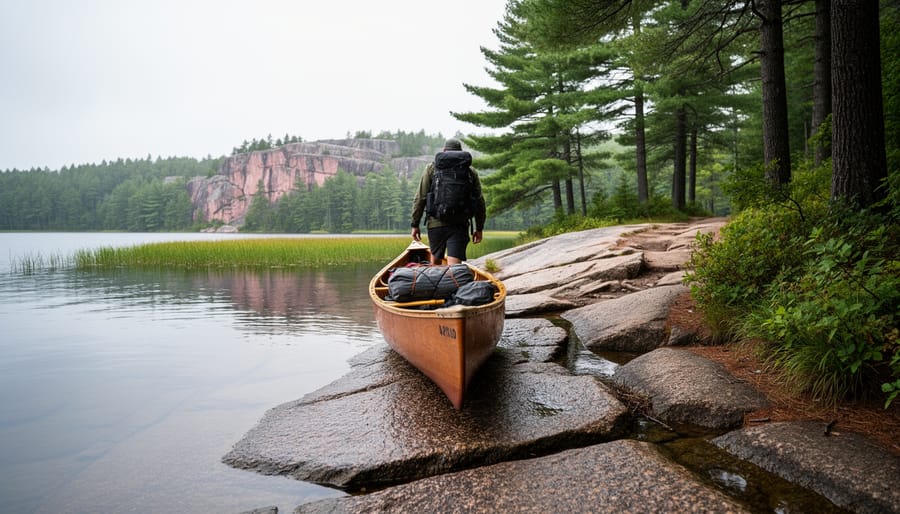
The Seven Carries canoe route is a challenging 35-kilometre loop through Frontenac Provincial Park that will test your portaging stamina with seven demanding carries totaling roughly 3,400 metres. Plan on three to four days to complete this wilderness circuit, which threads through a stunning maze of granite-rimmed lakes, old-growth forest, and remote backcountry campsites where you might paddle an entire day without seeing another soul.
This route isn’t for beginners. You’ll need solid portaging technique, decent fitness, and experience reading topographic maps, because some of the carries climb steep ridges and wind through unmarked stretches where it’s easy to lose the trail if you’re not paying attention. The longest single portage clocks in at around 1,500 metres, and several others push past 500 metres, so pack light and smart.
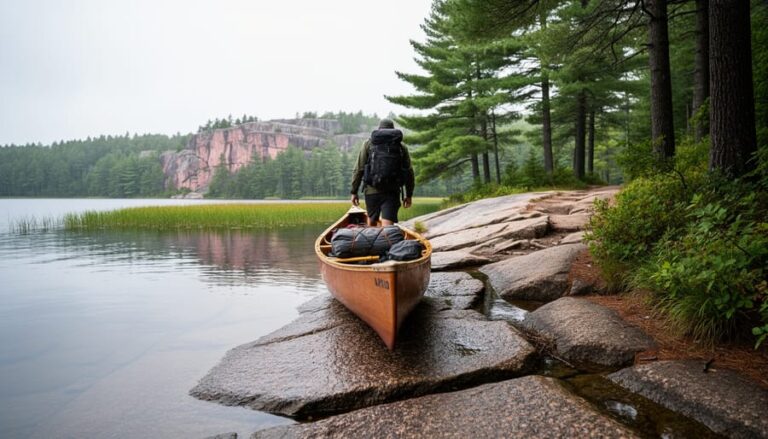
What makes the Seven Carries special isn’t just the physical challenge. Frontenac sits in a transition zone where southern hardwoods meet northern conifers, creating incredibly diverse paddling scenery. You’ll glide past pink granite cliffs one hour and through quiet marshes the next. The fishing can be excellent for bass and lake trout if you time it right, and the campsites, while primitive, offer that deep backcountry solitude most paddlers crave.
This guide walks you through everything you need to tackle the route safely: the right gear to bring, navigation tips for those tricky portages, where to camp, and how to verify you’re still on track when the trail gets faint. Whether you’re looking to level up your canoe-tripping skills or simply escape into one of Ontario’s most rugged parks, the Seven Carries delivers.
What You’ll Need for the Seven Carries Route
Before you hoist a canoe onto your shoulders, let’s talk about what makes or breaks a multi-day portage trip. The Seven Carries route demands thoughtful packing because every item you bring will cross those rocky trails multiple times on your back. I learned this the hard way on my first attempt when I lugged a cast-iron skillet across three portages before admitting defeat and leaving it hidden under a tarp to retrieve on the return loop.
Your canoe choice matters significantly. A lightweight Kevlar or composite canoe in the 16-17 foot range strikes the best balance between capacity and portageability. Heavier aluminum or fiberglass boats will exhaust you by the third carry. Make sure your canoe has quality canoe portage yokes with proper padding, your neck and shoulders will thank you after hauling 50-60 pounds across uneven terrain. Pack at least one spare paddle per canoe; Frontenac’s rocky shorelines have claimed many a blade.
Here’s what belongs in your packs for this three-day circuit:
- Paddling essentials: PFDs for everyone, spare paddle, dry bags rated waterproof (not just water-resistant), bailer or sponge
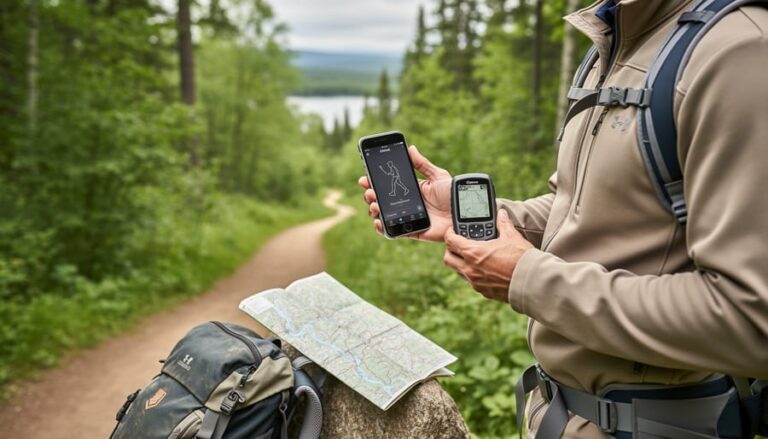
- Navigation tools: Waterproof map of Frontenac Provincial Park, compass, fully-charged GPS device with extra batteries
- Shelter and sleep system: Lightweight tent, sleeping bag rated for spring/fall temperatures, sleeping pad, tarp for rainy portages
- Cooking gear: Compact camp stove with fuel, lighter and waterproof matches, single pot for group cooking, biodegradable soap, bear-proof food barrel or bear bag with rope
- Food supplies: Three days of lightweight, calorie-dense meals (dehydrated dinners, trail mix, energy bars), plus one extra day’s worth as emergency backup
- Safety and first aid: Comprehensive first aid kit, water filter or purification tablets, whistle, headlamp with spare batteries, emergency shelter, rope for multiple uses
- Clothing: Quick-dry layers, rain jacket and pants, extra socks, camp shoes for portages, sun hat, warm layer for evenings
The insider secret to portaging comfort is ruthless minimalism. Challenge every item, does it serve multiple purposes? Can you share it with paddling partners? That extra towel or second pair of camp pants adds up quickly when you’re balancing a canoe overhead on a half-kilometer trail studded with roots. Pack your heaviest items low and centered in your barrel or pack, and use compression sacks to maximize space. Your future self, sweating through the fourth portage, will appreciate every ounce you left behind.
Safety Considerations and When to Turn Back
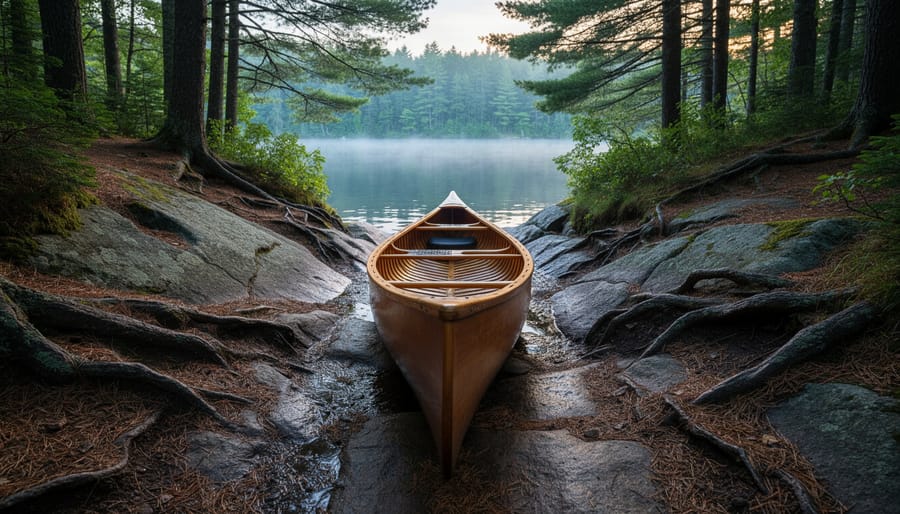
Before you commit to the Seven Carries, honestly assess your fitness level and paddling experience. This route demands stamina, upper-body strength, and comfort with wilderness navigation. If you’re new to multi-day tripping or haven’t portaged a loaded canoe before, consider building up with shorter routes first. The repeated carries wear on shoulders, knees, and lower back, especially when trails turn slippery after rain.
Weather in Frontenac can shift rapidly. Check the extended forecast before you launch, and pack for temperature swings. If thunderstorms threaten, get off the water immediately and seek low ground away from tall trees. Strong winds turn the larger lakes into whitecapped challenges that can swamp a canoe, so paddle early in the day when conditions tend to be calmer. If you wake to gale warnings or dense fog, stay put rather than gambling on visibility.
Black bears inhabit Frontenac, though encounters are rare. Hang your food properly using the park’s bear cables or a rope thrown over a high branch, and keep a clean camp. Never approach wildlife for photos, and give moose plenty of space if you spot one near shore. Carry a first-aid kit with supplies for blisters, cuts, sprains, and insect bites. Know basic wilderness first aid, because help is hours away by paddle and portage.
Turn back or postpone if someone in your group is injured, if conditions exceed your skill level, or if you’re falling dangerously behind your itinerary. There’s no shame in reassessing. Respect Frontenac’s fragile ecosystem by using established campsites, washing dishes 30 metres from shore, and packing out every scrap of waste. The backcountry you protect today rewards paddlers for generations.
The Seven Carries Route: Day-by-Day Breakdown
Day 1: Starting Point to First Night
Your adventure begins at the Big Salmon Lake access point off Salmon Lake Road, roughly 45 minutes north of Kingston. Arrive early, ideally by 9 AM, to secure your Ontario Parks access permits and allow time for the inevitable last-minute gear shuffle. The parking area fills quickly on summer weekends, and you’ll want a relaxed start before your first paddle strokes.
From the launch, head northeast across Big Salmon Lake toward the first portage at the 2.5 km mark. This 295-meter carry sets the tone: moderately challenging with exposed roots and a steady uphill grade. Take it slow. Many paddlers rush this initial portage, only to feel the burn by portage three. Single-carry if your pack weight allows; double-carrying adds time but saves your back for the days ahead.
You’ll cross Little Salmon Lake next, a peaceful stretch before tackling the second portage, another 420 meters through dense forest. By late afternoon, aim for one of the designated campsites on Slide Lake or continue to North Otter Lake if you’re feeling strong. Both offer sheltered spots with decent swimming access, perfect for soothing tired muscles.
First-night jitters are normal. Review your trail map tips over dinner, set up your bear hang properly, and resist the urge to overplan tomorrow. You’ve already conquered two carries, that’s worth celebrating with a cold lake plunge and an early night under the stars.
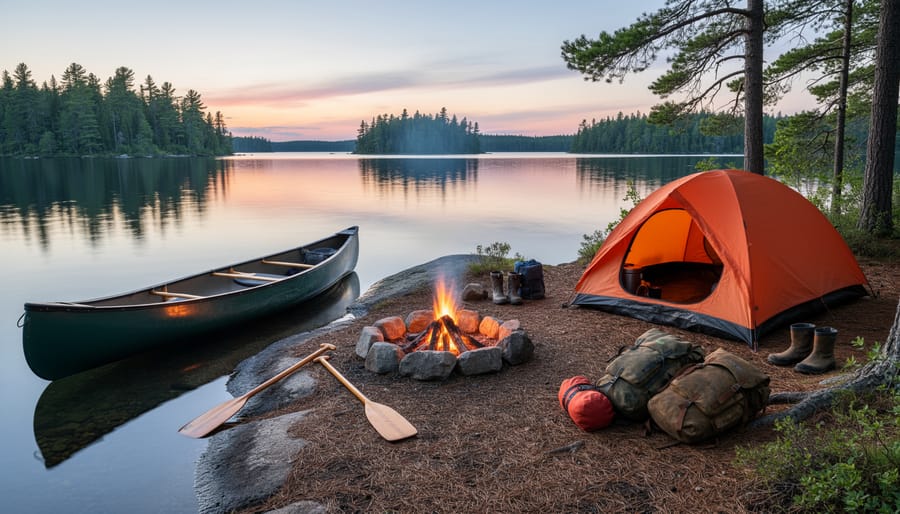
Day 2: The Heart of the Portages
Day two brings you face-to-face with why this route earned its name. You’ll tackle four of the seven portages today, and these trails test your legs and lungs more than yesterday’s warm-up carries.
Breaking camp on Little Salmon or Slide Lake, you’re heading deeper into Frontenac’s interior. The portages between Slide, Loon, and North Otter lakes pack the most vertical gain, with rocky switchbacks and exposed granite roots that demand careful foot placement. Expect each carry to take 30-45 minutes if you’re double-tripping, longer if you’re moving slowly to protect your knees.
The 620-meter portage from Loon to North Otter sits dead center in your day and feels longest when fatigue sets in. Break it into thirds mentally: reach the height of land, catch your breath by that massive white pine, then coast downhill to the water. Don’t rush. A twisted ankle out here turns your adventure into a rescue situation.
Here’s the trade-off for all that sweat: the backcountry silence becomes profound. You might paddle an entire lake without seeing another soul. Listen for loons echoing off the granite shorelines. Watch for beavers at dusk.
Pace yourself with regular water breaks and salty snacks, your body’s burning through electrolytes. Aim to make camp on North Otter or Helen Lake by mid-afternoon, giving yourself time to swim, rest those screaming shoulders, and appreciate how far into the wilderness you’ve traveled on your own power.
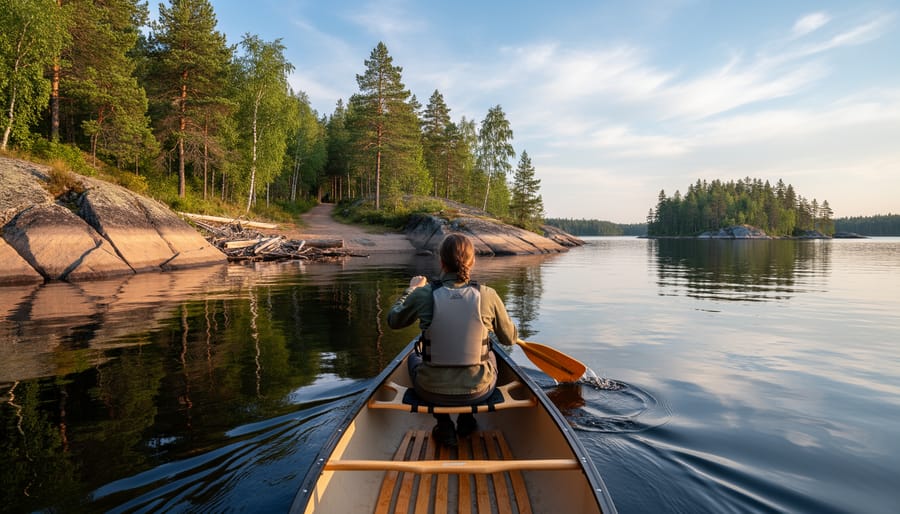
Day 3: Completing the Loop
By day three, you’re carrying yourself differently, portages that seemed daunting forty-eight hours ago now feel like familiar choreography. Your final morning typically begins on Little Salmon Lake or Devil Lake, depending on where you camped the previous night. The remaining carries back to Big Salmon Lake are mercifully gentler than what you’ve conquered, though your shoulders might disagree.
The last major portage connecting Little Salmon to Big Salmon runs roughly 350 meters with a gradual descent that feels like a gift after the previous days’ climbs. Take your time here, there’s no rush now. Many paddlers actually feel a pang of sadness as they approach this final carry, the realization hitting that this stunning backcountry experience is ending.
Once you’re back on Big Salmon Lake, the paddle to the access point offers time for reflection. The water often mirrors the sky perfectly on calm mornings, creating that quintessential Canadian Shield magic that makes you understand why people return to Frontenac year after year. Watch for loons doing their morning fishing runs, they’re often more active near the lake’s quieter bays.
If you’ve got energy reserves and launched early on day one, some paddlers extend the loop by exploring Big Salmon’s northern arms or adding an extra night at one of the premium island campsites. The flexibility is yours. As you load your canoe onto your vehicle, inventory what you’ve learned, about the route, about portaging, about yourself. That knowledge transforms you from someone who paddled the Seven Carries into someone who knows how to paddle the Seven Carries.
Flexible Itinerary Options
For paddlers who want to adjust the classic three-day Seven Carries itinerary, Frontenac Provincial Park’s interconnected waterways offer flexibility to match your schedule and ambition.
The Express Weekend (2 Days)
Experienced paddlers in good shape can compress the route into a challenging two-day trip. Launch early on day one, push through to the midpoint lakes by late afternoon, and camp somewhere around Slide Lake or Little Gull Lake. Day two means an early start and steady pace to complete the remaining portages and paddle out before dark. This aggressive timeline works best during long summer days and requires excellent physical conditioning, you’ll be covering roughly 15 kilometers per day with minimal rest between carries. Pack lighter than usual and be prepared for sore shoulders.
The Leisurely Loop (4 Days)
If you’d rather soak up Frontenac’s wilderness without the rush, stretch the route to four days. This allows time for swimming breaks, afternoon naps in the hammock, extended wildlife watching, and simply enjoying your surroundings without the pressure to make distance. Camp wherever appeals to you, explore smaller bays you’d otherwise paddle past, and maybe spend a rest day fishing or photographing the granite shorelines.
Side Trips for Advanced Paddlers
From Big Clear Lake, a challenging portage route extends north toward the park’s remote interior lakes. These less-traveled waters see fewer paddlers and offer genuine solitude, though navigation becomes trickier and portages more rugged. Only attempt these extensions if you’re confident in your orienteering skills and self-sufficiency.
Mastering the Portage Technique
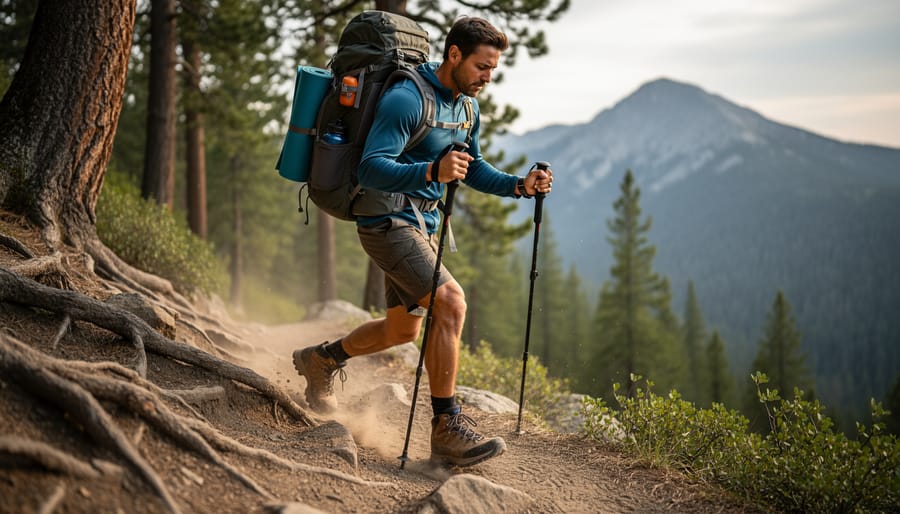
The single-carry versus double-carry decision comes down to portage length, terrain difficulty, and your energy level. On shorter carries under 300 meters with decent trails, most paddlers manage everything in one trip: canoe overhead, pack on back, and smaller items secured inside the boat. For the longer, rockier stretches along the Seven Carries, double-carrying saves your knees and back. Take the canoe first so you can scout the trail, then return for packs and gear without the awkward overhead load limiting your vision on those root-tangled Frontenac paths.
Proper lifting prevents injury and keeps you moving efficiently. Squat beside your canoe at the center thwart, grip the gunwales, and use your legs to stand while rolling the boat up onto your thighs. From there, flip it overhead in one smooth motion and settle the yoke or center thwart onto your shoulders. Keep your core engaged and look ahead, not down. When you need to adjust portage comfort stop fully rather than trying to shift the load while walking over uneven ground.
On Frontenac’s signature rocky sections, watch your foot placement obsessively. Exposed roots become slick after rain, and granite outcrops hide in leaf litter. Take shorter steps, test each footfall, and don’t rush. If you trip with a canoe overhead, you’re going down hard. Keep one trekking pole accessible during gear carries for balance on steep grades, and never portage in sandals no matter how hot the day gets.
How to Know You’re on Track (and What to Do If You’re Not)
Navigating Frontenac’s backcountry requires constant awareness, especially when fatigue sets in around carry number five. Check your map at every portage takeout before you start walking. The trail should be obvious, marked by worn earth and occasional orange blazes on trees, though some markers fade over seasons. If you don’t see a clear path within 50 meters of where you landed, paddle along the shoreline slowly until you spot it.
Keep your GPS running and mark each portage completion as a waypoint. Compare your location against your paddling itinerary every two hours. If you realize you’ve bypassed a carry or ended up on the wrong lake, don’t panic. Backtrack immediately while you still have energy and daylight. Trying to bushwhack a shortcut through Frontenac’s dense forest rarely works and burns precious time.
Before launching each day, tell someone on the outside your expected camp location for that night. Park staff recommend leaving a detailed trip plan at the office, including your vehicle description and emergency contacts. If you’re running more than three hours behind schedule due to getting turned around, consider stopping early and reassessing your Ontario canoe route plan. Pride isn’t worth an overnight search party.
Planning Your Next Frontenac Adventure
Completing the Seven Carries is just the beginning of your Frontenac paddling story. The park offers over 20 interconnected canoe routes ranging from easy day trips to week-long expeditions, so you can gradually build your backcountry skills. The Arab Lake Lean-To circuit makes an excellent next challenge, similar mileage but with fewer portages and some stunning cliff-line paddling. More ambitious paddlers often tackle the Big Salmon Lake Loop or venture into the park’s northern wilderness zones.
Timing matters more than you might think. Late May through June offers high water levels that make portages slightly shorter and blackflies that make you question all life choices. July and August bring warm swimming, stable weather, and the heaviest booking pressure. September stands out as the sweet spot for 2026 planning: bugs gone, fall colors emerging, and quieter trails. Ice-out typically happens by late April, but early season means cold water and unpredictable conditions.
Do I need a permit for the Seven Carries route?
Yes, you need to reserve and pay for backcountry campsites in advance through the Ontario Parks reservation system. Day-use permits are required if you’re just paddling without camping.
What’s the best time of year to paddle this route?
September offers ideal conditions with fewer bugs, comfortable temperatures, and stunning fall colors. July and August work well if you can handle the heat and secure bookings early.
Is the Seven Carries suitable for beginners?
Not really, this route demands solid portaging stamina, confident paddling skills, and backcountry camping experience. Start with shorter Frontenac routes first.
Can I bring my dog on this route?
Dogs are permitted in Frontenac Provincial Park but must be leashed at all times. Consider their fitness level for the portages and bring booties to protect their paws on rocky trails.
Book your campsites through the Ontario Parks website starting in March for peak season dates, popular lakes fill up within days of the booking window opening. You’ll find the paddling community remarkably welcoming; local outfitters around Sydenham often host pre-season gear swaps and route planning sessions. Connect with groups like Paddle Ontario for trip partners and beta on current conditions. Whatever route you choose next, pack out everything you pack in, stick to designated campsites, and leave those pristine shorelines better than you found them.
Standing at the end of the Seven Carries route, most paddlers feel a mix of exhaustion and exhilaration that’s hard to put into words. Your shoulders might ache from the portages, and you’ve probably got a few bug bites to show for your effort, but you’ve also just completed one of Ontario’s most rewarding backcountry experiences. That feeling of accomplishment when you lift your canoe onto the car one final time? It stays with you.
The Seven Carries isn’t the easiest route in Frontenac Provincial Park, but that’s exactly what makes it special. You’ve navigated challenging portages, found your rhythm on pristine lakes, and experienced the kind of solitude that’s increasingly rare. You’ve proven to yourself that you can handle the physical demands while staying present enough to appreciate the call of a loon at dusk or the way morning mist clings to granite shorelines.
The backcountry is still there, waiting. Those same trails and lakes will be ready whenever you are, whether you return to paddle the Seven Carries again or explore one of Frontenac’s other routes. The hardest part is always just deciding to go.
Start checking those 2026 permit availability dates. Mark your calendar. Round up your paddling partners. Your Frontenac adventure is calling.


+ There are no comments
Add yours