
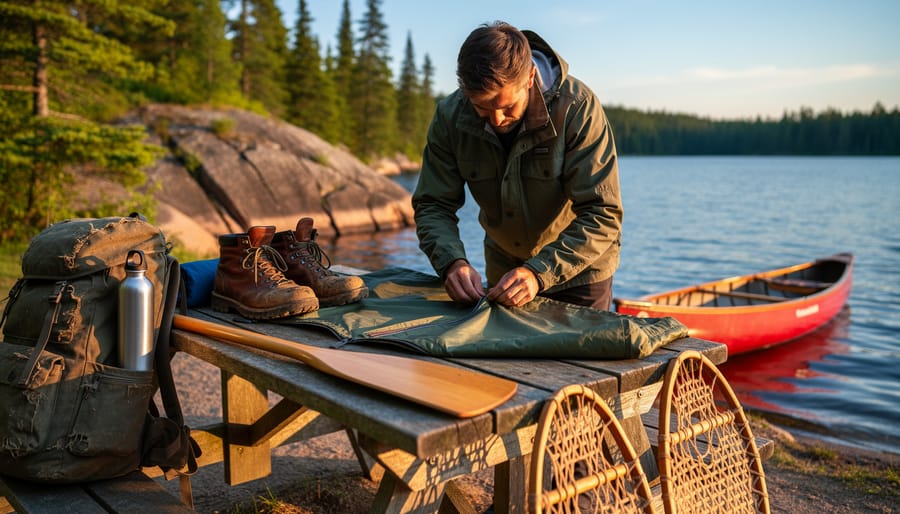
Check gear labels for recycled materials, organic cotton, and bluesign-approved fabrics before making any purchase—these certifications mean manufacturers actually reduced water pollution and chemical use during production. Visit MEC locations in Toronto, Ottawa, or Burlington where trade-in programs let you swap your old equipment for store credit while giving quality gear a second life instead of sending it to landfills.
Explore local Buy Nothing groups and Facebook Marketplace in your area where Ontario outdoor enthusiasts regularly share barely-used camping equipment, hiking boots, and winter gear completely free. Inspect used items carefully by checking tent seams for tears, testing sleeping bag zippers fully, and flexing backpack frames to ensure they haven’t cracked—small defects mean big problems on the trail.
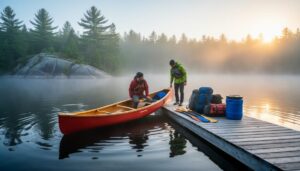
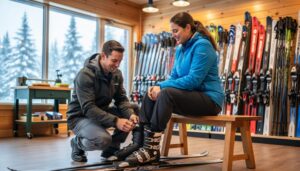
Support Ontario outfitters like Algonquin Outfitters and Paddle Shack that prioritize gear repair services over constant replacement, extending the life of canoes, paddles, and camping equipment by years. Choose rental options for specialty items you’ll only use occasionally, like snowshoes for that winter trek through Killarney Provincial Park or kayaks for a weekend on Lake Superior.
Your choices directly protect the landscapes you love exploring. Every piece of sustainable gear you buy, rent, or rehome reduces manufacturing emissions, keeps plastics out of waterways, and preserves Ontario’s forests, lakes, and trails for future adventurers. The outdoor community here thrives on sharing resources and knowledge—tap into that collective wisdom while building your kit thoughtfully, one durable piece at a time.
Why Sustainable Gear Matters for Ontario’s Wild Spaces
Every time you hit the trails in Algonquin Park or paddle through the Thousand Islands, you’re wearing a story. But here’s something most outdoor lovers don’t realize: the gear on your back has already traveled thousands of kilometers before you’ve taken your first step into the wilderness.
The outdoor industry produces approximately 40 million tons of textile waste annually, and much of that comes from discarded camping equipment, synthetic clothing, and outdoor accessories. When these items end up in landfills, they can take centuries to decompose, leaching microplastics and chemicals into the soil and waterways that feed into the very ecosystems we treasure.
I learned this firsthand during a cleanup initiative along the Bruce Trail, where we found abandoned tent poles, frayed backpack straps, and deteriorating rain jackets that had been tossed aside. It hit me hard: our gear choices directly impact the places we love exploring.
Ontario’s wilderness faces unique pressures. Our provincial parks welcome millions of visitors each year, and the cumulative effect of mass-produced, disposable gear creates a significant environmental footprint. From the microfibers washing off synthetic fleeces into Lake Superior to the packaging waste piling up at trailheads, every purchase decision matters.
Choosing sustainable gear means supporting a circular economy where quality trumps quantity. When you invest in durable, repairable equipment or give pre-loved gear a second life, you’re actively reducing demand for resource-intensive manufacturing. You’re protecting the pristine waterways, ancient forests, and diverse wildlife habitats that make Ontario’s outdoor spaces truly special. It’s about respecting these wild places enough to tread lighter, both on the trail and in our consumption habits.
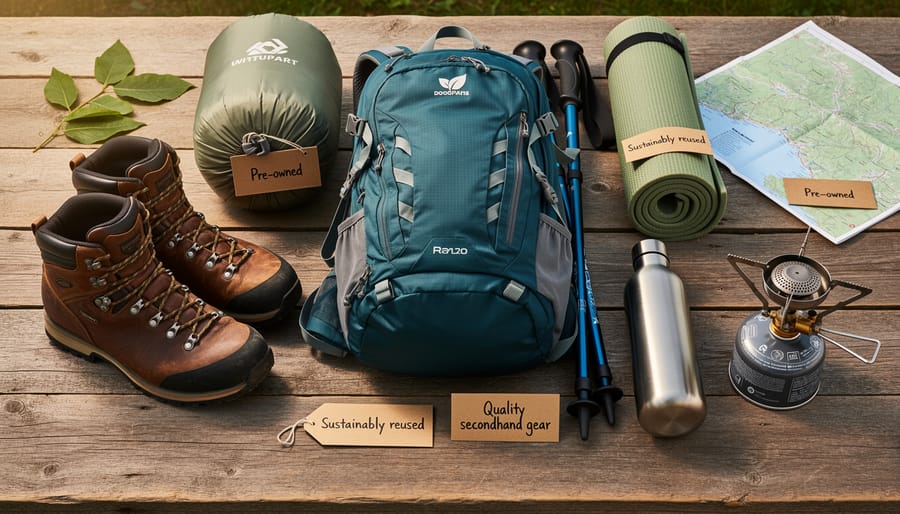
Ontario’s Best Secondhand Outdoor Gear Outfitters
Toronto and the GTA
Toronto’s secondhand outdoor gear scene is thriving, and you’ll find incredible deals if you know where to look. Start with MEC’s Used Gear section at their North York location—they carefully inspect every item and offer solid warranties. I’ve scored quality hiking boots there for half the retail price, and the staff actually know their stuff about fit and function, unlike some custom outfitters who focus solely on new equipment.
For hidden gems, check out Play It Again Sports locations across the GTA, especially the Mississauga and Scarborough stores. Tuesday mornings are golden—that’s when they restock weekend trade-ins. You’ll find everything from canoe paddles to sleeping bags, often barely used.
Don’t overlook Facebook Marketplace and the Toronto Outdoor Gear Swap group. Local paddlers and hikers regularly post seasonal gear in excellent condition. Pro tip: shop in April when people are upgrading for summer adventures, or September when cottagers are downsizing. Always inspect seams, zippers, and waterproofing carefully—bring a friend who knows gear if you’re uncertain. The savings mean more money for park permits and actually exploring Ontario’s incredible trails.
Ottawa and Eastern Ontario
The capital region offers some fantastic options for eco-conscious adventurers looking to gear up responsibly. Ottawa’s Trailhead and Bushtukah are both known for their consignment programs, where you can snag quality used hiking boots, backpacks, and camping equipment at great prices. I picked up a barely-worn rain jacket there last spring for half the retail cost, and it’s been perfect for those unpredictable Gatineau Park trails.
When shopping for pre-loved gear, here’s what I always check: inspect zippers carefully (they’re the first thing to fail), look for any tears in waterproof fabrics, and give everything the sniff test. Musty gear might have hidden moisture damage. For technical items like climbing harnesses or helmets, stick with new unless you personally know the previous owner.
The outdoor community here is incredibly generous too. Check out the Facebook Marketplace and local gear swap events happening throughout the year in places like Almonte and Perth. You’ll often find passionate outdoor enthusiasts offloading perfectly good equipment they’ve simply outgrown or upgraded from.
Remember, buying sustainable gear isn’t just about saving money. It’s about keeping these beautiful Eastern Ontario landscapes pristine for future paddlers, hikers, and campers to enjoy.
Northern Ontario
Northern Ontario’s vast wilderness attracts adventurers seeking true backcountry experiences, and sustainable gear options exist even in these remote regions. In Sudbury, Northern Outfitters carries quality used canoes and camping equipment perfect for multi-day expeditions into Killarney or Temagami. Thunder Bay’s Basecamp Outfitters often stocks gently-used technical gear through their seasonal trade-in program, ideal for paddlers heading to Lake Superior Provincial Park.
Here’s an insider tip: smaller communities like Sault Ste. Marie and Timmins have active Facebook groups where locals sell and trade outdoor equipment. These online communities are goldmines for finding well-maintained gear from experienced wilderness guides and outfitters. Don’t overlook hardware stores in towns like Cochrane or Hearst either – they sometimes carry surplus camping gear at surprisingly affordable prices.
When visiting remote communities, call ahead to check inventory since smaller shops may have limited stock. Building relationships with local outfitters often leads to discovering hidden gems – they know which gear withstands northern conditions and can point you toward quality second-hand options. Supporting these northern businesses helps maintain vital services for wilderness explorers while keeping functional gear in circulation, reducing waste in Ontario’s pristine northern ecosystems.
Online Ontario-Based Options
Ontario’s digital marketplace makes sustainable gear shopping easier than ever! Start with Facebook Marketplace and Kijiji Ontario, where locals constantly list gently-used camping equipment, hiking boots, and outdoor clothing at fraction-of-retail prices. I’ve scored amazing deals on barely-worn Gore-Tex jackets and quality backpacks this way.
For curated options, check out MEC’s Used Gear section online, which ships province-wide with quality guarantees on pre-loved equipment. The site makes it simple to find tested gear without the guesswork. Another gem is Gear Trade Canada, connecting outdoor enthusiasts selling their upgraded equipment with budget-conscious adventurers.
Join Ontario-specific gear swap groups like “Ontario Outdoor Gear Buy/Sell/Trade” on Facebook, where community members share honest reviews and local pickup options. Many outdoor clubs also host virtual swap meets throughout the year.
Don’t overlook seasonal equipment rental for items you’ll use occasionally. This reduces consumption while letting you test gear before committing to purchases. Several Ontario outfitters now offer mail-order rentals with prepaid return shipping, perfect for trying canoe camping or winter sports equipment without the storage commitment.
What to Look for When Buying Used Outdoor Gear
Buying used outdoor gear is like treasure hunting – you never know what gems you’ll find, but you need a sharp eye to spot quality. I learned this the hard way when I once bought a seemingly perfect backpack that developed a mysterious odour after my first rainy hike in Algonquin. Here’s what I’ve learned since then.
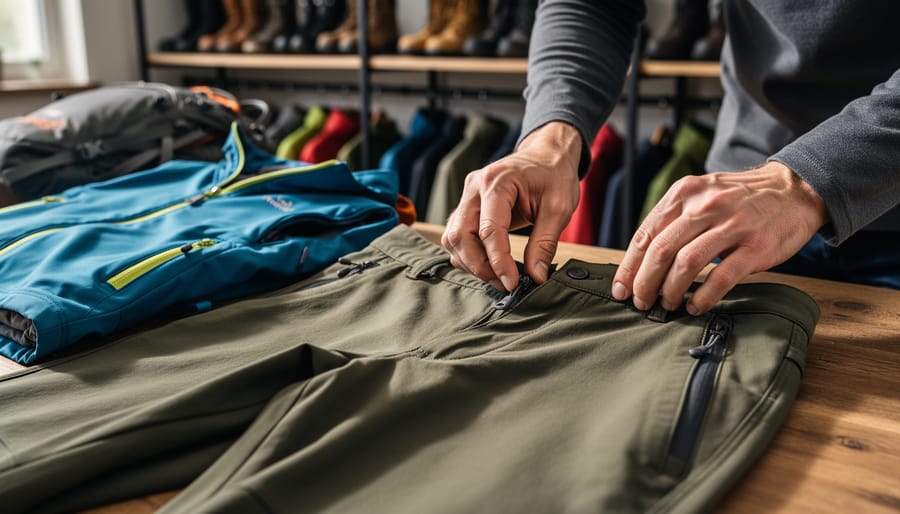
Start with the fabric. Run your hands slowly over every inch of tents, backpacks, and sleeping bags, feeling for thin spots, tears, or weak seams. Hold the fabric up to natural light – worn areas become translucent and easier to spot. For tents specifically, check the floor corners where most wear happens first. Set it up if possible, even if it’s just in the seller’s driveway. A tent that pitches unevenly might have bent poles or stretched-out grommet holes.
Zippers are your next checkpoint. Open and close them multiple times. They should glide smoothly without snagging or separating behind the slider. A stuck zipper on a sleeping bag in November isn’t just annoying – it’s potentially dangerous. Check that zipper pulls are intact too, since replacements can be tricky to find.
For backpacks, inspect the hipbelt and shoulder straps carefully. These high-stress areas often show damage first. Look for compressed foam that won’t bounce back when you press it, frayed stitching, or cracked buckles. Load the pack with something heavy (water jugs work great) and wear it around to test the frame and comfort.
Sleeping bags need the sniff test – sorry, but it’s essential. A musty smell might indicate mildew, which compromises insulation. Fluff the bag and watch how it rebounds. Quality down or synthetic fill should spring back relatively quickly. Flat spots suggest lost loft and reduced warmth.
Once you’ve made your purchase, clean everything using eco-friendly products like plant-based detergents. Many outdoor co-ops in Ontario offer gear-washing stations with environmentally safe soaps specifically designed for technical fabrics. Air-dry everything completely before storage to prevent that mysterious smell I mentioned earlier.
Remember, buying used gear isn’t about finding perfection – it’s about finding equipment with plenty of adventures left while keeping waste out of landfills.
Sustainable Brands Making Waves in Ontario
Several forward-thinking brands have earned loyal followings among Ontario’s outdoor community, and for good reason. These companies aren’t just talking about sustainability—they’re backing it up with genuine action.
Patagonia remains a gold standard, with their Worn Wear program offering repairs, trade-ins, and a robust selection of refurbished gear. I’ve had a 15-year-old fleece brought back to life through their repair service, and it cost me less than a fancy coffee. Their lifetime guarantee isn’t marketing fluff—they genuinely stand behind their products. Many Ontario adventure outfitters carry their gear, making it easy to see quality firsthand.
Arc’teryx, with its Vancouver roots, has become a favourite for serious Ontario backcountry enthusiasts. Their ReBird program takes back used items for resale, and their repair services can handle everything from zipper replacements to complete jacket reconstructions. The upfront cost makes you gulp, but when a shell jacket lasts twenty years instead of two, the math works out.
MEC (Mountain Equipment Co-op) deserves mention despite recent ownership changes. Their Rocksolid Guarantee still offers hassle-free returns, and their gear repair workshops teach Ontarians how to fix equipment themselves—a skill that saves money and reduces waste.
For footwear, Darn Tough socks come with an unconditional lifetime guarantee. Seriously—wear a hole through them on the Bruce Trail, send them back, get new ones. No questions asked.
Here’s an insider tip: check if brands offer student discounts or pro-deal programs. Many sustainability-focused companies reward loyalty and make quality gear more accessible. Also, follow these brands on social media for repair clinics and pop-up events throughout Ontario—I’ve attended free workshops in Toronto and Ottawa where experts taught basic equipment maintenance.
The beauty of supporting these companies? You’re voting with your wallet for business practices that protect the very landscapes we love exploring.
Gear Swap Events and Community Resources
Ontario’s outdoor community is thriving with creative ways to share gear and reduce waste. Seasonal gear swap events pop up throughout the province, typically coinciding with spring and fall transitions when people trade winter equipment for summer essentials or vice versa. The Toronto Outdoor Club hosts quarterly swaps that draw hundreds of enthusiasts, while smaller events through MEC and local environmental organizations create intimate trading opportunities in cities like Ottawa, Hamilton, and Thunder Bay.
Here’s an insider tip: arrive early to gear swaps with your items already priced and clearly labeled with notes about their condition. Clean everything thoroughly beforehand—nobody wants to inspect a muddy tent or sleeping bag with mysterious stains. Bring cash in small bills since most events operate without card readers, and don’t be shy about testing zippers, checking seams, and asking questions about an item’s history.
Outdoor clubs like the Bruce Trail Conservancy and Voyageur Hiking Club often maintain gear libraries where members can rent equipment for modest fees. University outdoor recreation centres across the province offer incredible deals for students and community members looking to borrow specialized gear like ice axes, climbing harnesses, or backcountry skis.
Facebook groups dedicated to outdoor gear swaps in specific regions have become goldmines for finding last-minute equipment or offloading items quickly. Search for groups like “Ontario Outdoor Gear Buy/Sell/Trade” or city-specific versions.
Building relationships at these events often leads to informal gear-sharing arrangements with fellow adventurers. I’ve borrowed canoes, shared backpacking stoves on group trips, and loaned out snowshoes—all connections made through showing up consistently and contributing positively to the community.
Making Your Current Gear Last Longer
Here’s the truth about outdoor gear: the most sustainable piece you’ll ever own is the one already in your closet. I learned this lesson the hard way after ignoring a small tear in my favourite rain jacket, which eventually became an expensive replacement situation.
Ontario’s dramatic seasonal swings – from humid summers to bitter winters – can be tough on equipment, but proper care makes all the difference. After each adventure, I take fifteen minutes to clean my gear. For muddy boots or packs, a simple brush-down with warm water and mild, eco-friendly soap works wonders. Skip the harsh detergents that can break down waterproof coatings and harm aquatic ecosystems when they wash down the drain.
Storage matters more than most people realize. Keep gear in cool, dry spaces away from direct sunlight. I hang my sleeping bags loosely in a closet rather than stuffing them in compression sacks between trips – this preserves the insulation’s loft for years longer.
When something breaks, resist the urge to toss it immediately. Many Ontario outdoor retailers, including several local outfitters in places like Ottawa and Toronto, offer repair services. Companies like Patagonia even have programs encouraging repairs over replacements. YouTube has become my go-to for DIY fixes – I’ve patched tents, replaced zipper pulls, and re-waterproofed jackets using affordable repair kits.
For technical gear maintenance, consider visiting a local cobbler for boot resoling or a seamstress for pack repairs. These services cost a fraction of new purchases and support local businesses.
Finally, proper seasonal prep is essential. Before storing winter gear for summer, ensure everything’s completely dry to prevent mildew. Apply fresh waterproofing treatments in spring so your gear’s ready when adventure calls. Taking care of what you already own isn’t just economical – it’s the most powerful sustainability choice you can make.
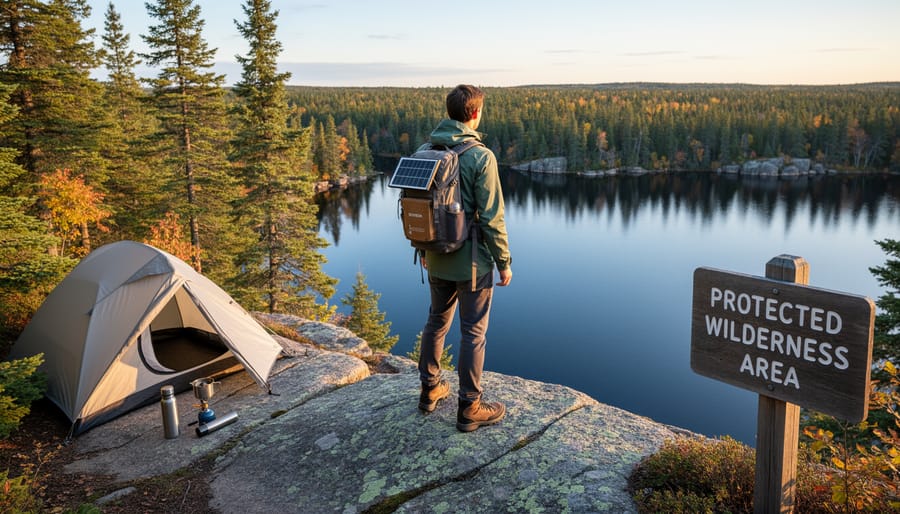
Every time you choose sustainable outdoor gear, you’re making a meaningful decision that extends far beyond your backpack. You’re protecting the pristine lakes, ancient forests, and rugged trails that make Ontario’s landscapes so extraordinary. Whether you’re paddling through Algonquin’s waterways or hiking the Bruce Trail, your gear choices matter—they help ensure these wild spaces remain vibrant for generations to come.
Starting your sustainable gear journey doesn’t mean overhauling everything at once. Begin small: swap one item on your next shopping trip, visit a local outdoor gear consignment shop, or join a community gear library. As you plan your upcoming Ontario wilderness adventures, consider what you already own, what you truly need, and where you can find quality used alternatives.
The connection between responsible gear choices and experiencing nature mindfully creates a beautiful full circle. When you invest in durable, secondhand, or eco-friendly equipment, you’re not just reducing environmental impact—you’re building a deeper relationship with the natural world you’re exploring. So grab that refurbished tent, lace up those gently-used hiking boots, and get out there. Ontario’s wild beauty is waiting.







+ There are no comments
Add yours