
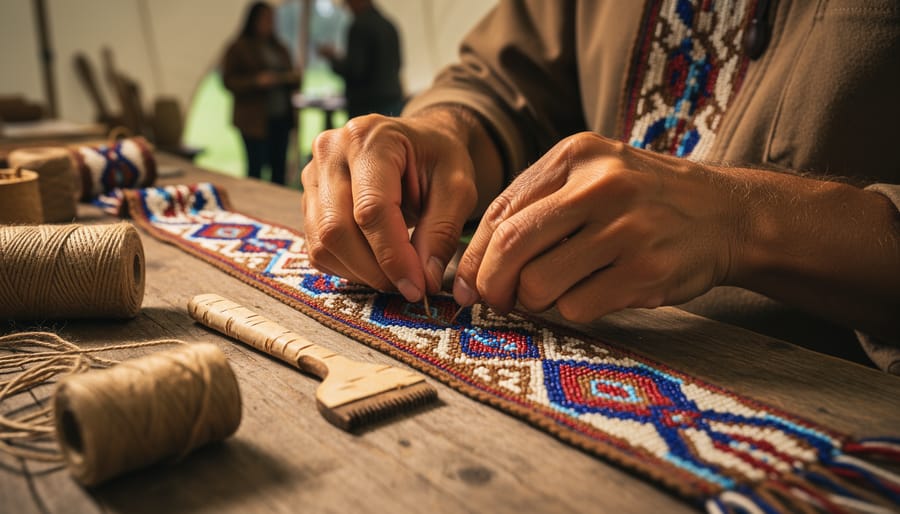
Revivalism art is the intentional practice of bringing historical or traditional art forms back to life through contemporary interpretation, preservation, and active creation. In Ontario, this movement goes far beyond museum displays. Indigenous artists are reclaiming beadwork and birchbark biting techniques, heritage craftspeople are demonstrating 19th-century blacksmithing and textile production, and cultural communities are teaching traditional pottery and printmaking methods that nearly vanished from everyday practice.
Why does this matter to you as a visitor or resident? These aren’t passive exhibits behind glass. Revivalism art creates hands-on experiences at provincial parks, living history sites, and cultural centers across Ontario. You can watch a Métis artisan craft a sash using patterns passed down through generations, try your hand at colonial-era candle-dipping, or learn the story behind Haudenosaunee corn husk dolls from the makers themselves.
The revival isn’t just about nostalgia. These traditional practices offer sustainable alternatives to mass production, connect us to the land and materials around us, and preserve knowledge that took centuries to develop. Many revivalist artists source materials locally, use natural dyes, and work with renewable resources in ways that align beautifully with modern environmental values.
This article breaks down what revivalism art actually means in practice, explains how artists and institutions are keeping these traditions alive, explores the main categories you’ll encounter in Ontario, and shows you exactly where to experience these art forms firsthand during your travels.
What Revivalism Art Really Means
Revivalism art brings old techniques back to life, but it’s not about recreating museum pieces that sit behind glass. It’s the practice of learning historical craft methods, the way your great-grandmother spun wool or how Indigenous communities shaped birchbark, and then breathing contemporary purpose into them. Artists study archived patterns, learn from knowledge keepers, and master traditional tools, but they don’t freeze these arts in time. Instead, they adapt them for today’s makers and audiences.
- Revivalism Art
- The intentional revival and reinterpretation of historical artistic techniques and cultural expressions for contemporary practice and audiences.
- Traditional Art Forms
- Craft techniques, decorative practices, and creative expressions passed down through specific cultural communities over generations, often using regional materials and methods.
- Cultural Preservation
- The act of maintaining traditional practices exactly as they were historically practiced, prioritizing accuracy and historical integrity above adaptation.
- Adaptive Reinterpretation
- The process of taking traditional techniques and modifying them for modern contexts, materials, or artistic visions while respecting their cultural origins.
The distinction matters. Pure preservation aims to maintain a craft exactly as ancestors practiced it, same materials, same patterns, same purpose. A museum conservator restoring an 1840s Loyalist quilt practices preservation. Revivalism takes that next step: a modern quilter learns those historical stitching patterns, understands the symbolism, then creates new designs that honor the technique while speaking to today’s world.
In Ontario, you’ll see this difference clearly. At Crawford Lake Conservation Area, interpreters demonstrate 15th-century Wendat longhouse life using authenticated methods, that’s preservation. But when Métis artist Christi Belcourt creates contemporary paintings inspired by traditional floral beadwork patterns, transforming finger-weaving motifs into large-scale gallery art, that’s revivalism. Both matter. Preservation teaches us what was; revivalism keeps those skills alive and relevant for makers who’ll carry them forward.
How Revivalism Art Works in Practice
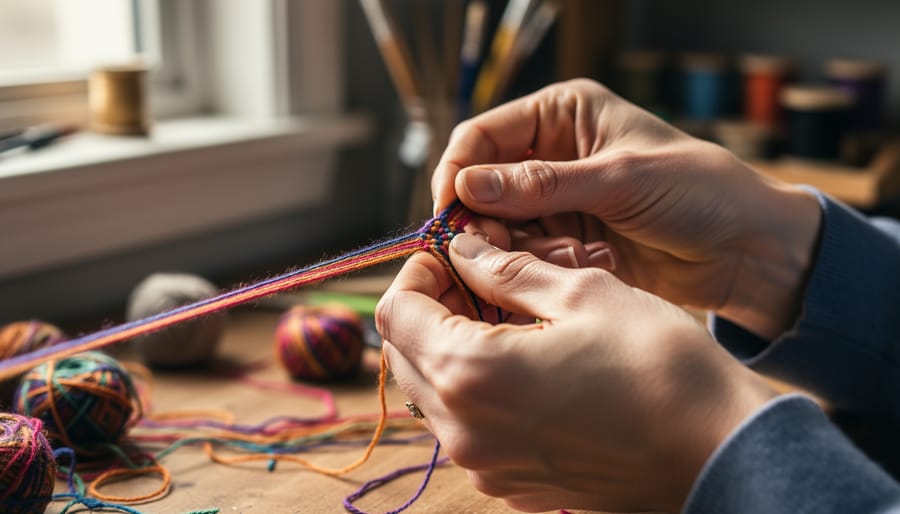
Revivalism art starts with detective work. Artists dig through museum archives, study photographs of historical artifacts, and pore over written accounts of techniques that haven’t been practiced in decades, or sometimes centuries. A potter might examine shards from archaeological sites to understand clay composition and firing methods. A weaver could spend months analyzing the thread count and dye patterns in a 19th-century blanket preserved at a local historical society.
Learning from knowledge keepers transforms this research into living practice. Many Ontario artists apprentice with elders who still hold traditional skills, spending years mastering techniques that can’t be learned from books alone. At places like Sainte-Marie among the Hurons, blacksmiths learn period-appropriate forging methods under the guidance of experienced craftspeople who’ve dedicated careers to understanding historical metalwork. Indigenous artists often participate in multi-generational knowledge sharing, where aunties, uncles, and community elders pass down beadwork patterns or birchbark biting techniques through hands-on teaching circles.
The practice phase requires patience and repetition. A basket weaver might split hundreds of ash logs before achieving the right flexibility. Someone reviving natural dyeing methods tests plant materials through multiple seasons, documenting which Ontario wildflowers produce which colours and how mordants affect the final shade.
Adaptation for modern audiences is where revivalism becomes more than mere replication. Artists consider how to present traditional work in contemporary settings, maybe demonstrating flintknapping at a provincial park’s heritage weekend, teaching quillwork at a winter festival, or creating installations that honour ancestral techniques while speaking to current environmental themes. This final step keeps the art forms relevant and accessible, turning historical practices into living cultural experiences that visitors can witness and sometimes participate in themselves.
Different Forms of Revivalism Art Across Ontario
Indigenous Craft Revivals
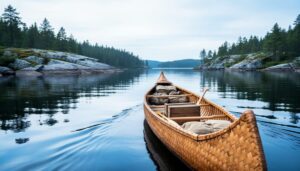
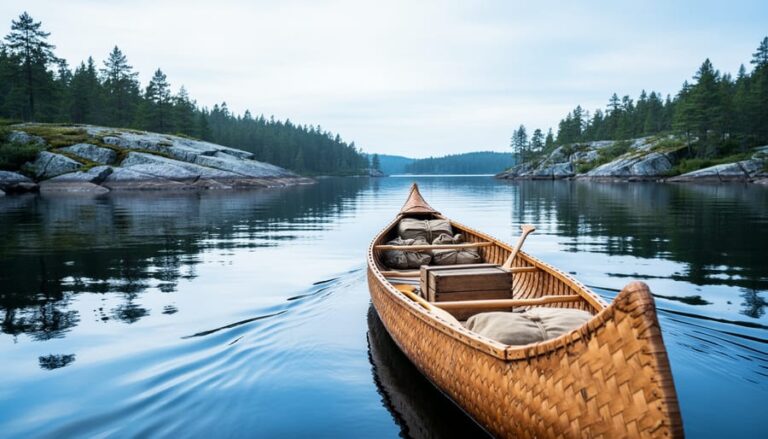
Across Ontario, Indigenous artists are reclaiming techniques that sustained their ancestors for thousands of years. Birchbark canoe building has emerged from near-extinction through dedicated workshops at places like Curve Lake First Nation, where master builders teach the intricate process of harvesting bark in early summer, bending ribs over open flames, and waterproofing seams with spruce gum. The crafts require patience and precision you can only appreciate in person.
Porcupine quillwork, practiced long before European glass beads arrived, is being taught again by Anishinaabe artists who dye quills with natural materials and flatten them into geometric patterns on leather. Traditional basket weaving continues among Haudenosaunee communities using black ash splints, though younger artists now blend ancestral designs with contemporary forms.
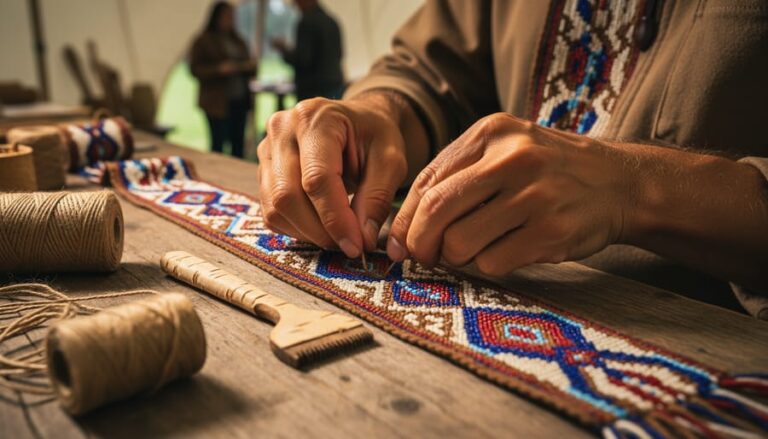
Métis beadwork particularly thrives in northwestern Ontario, where distinctive floral patterns evolved from fur trade era influences. Artists like those at the Thunder Bay Art Gallery demonstrate the raised beading technique that creates three-dimensional flower petals. Many communities now offer summer workshops where visitors can try basic stitching under the guidance of knowledge keepers, connecting tourists directly to living traditions rather than museum displays.
Pioneer and Settlement Era Crafts
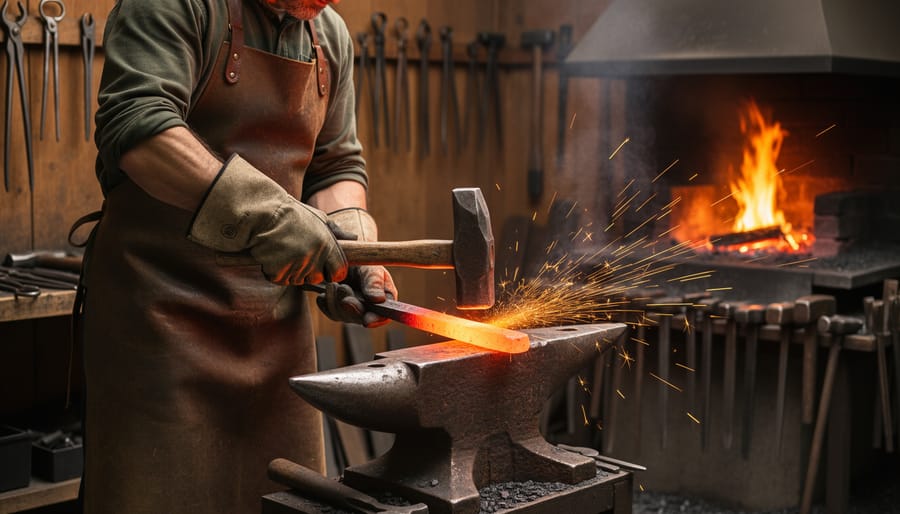
Stepping into a heritage village during summer is like walking through a portal where the rhythmic clang of hammer on anvil echoes across the commons. Blacksmiths at sites like Black Creek Pioneer Village demonstrate 19th-century forging techniques, shaping everything from door hinges to horseshoes using charcoal fires and hand-cranked bellows. Watch closely and you’ll see how colonial metalworkers achieved precise heat colours, cherry red for bending, white-hot for welding, without modern thermometers.
Heritage spinning and weaving demonstrations bring colonial textile production to life. Interpreters at places like Upper Canada Village card raw wool, spin it into yarn on great wheels, and weave cloth on massive floor looms. The process reveals why a simple linen shirt once represented weeks of labour.
Traditional timber framing showcases pioneer building methods using mortise-and-tenon joints, wooden pegs, and hand-hewn beams. Skilled craftspeople at living history sites demonstrate techniques like squaring logs with broadaxes and raising barn frames through community effort.
Even butter churning demonstrations offer insights into dairy preservation before refrigeration. Visitors often join in, learning firsthand why pioneers considered fresh butter a luxury worth the arm workout.
Folk Arts and Cultural Traditions
Ontario’s vibrant immigrant communities have kept their artistic traditions alive through workshops, festivals, and grassroots preservation efforts. These folk arts connect modern Ontarians to their ancestral roots while welcoming curious visitors into cultural experiences that span generations.
Ukrainian communities across the province maintain the intricate art of pysanky, decorating eggs with melted beeswax and dyes to create symbolic geometric patterns. Spring workshops in Toronto, Thunder Bay, and smaller towns teach the traditional kistka technique, transforming plain eggs into colorful heritage pieces that once signaled Easter and renewal in the old country.
Scottish heritage groups demonstrate tartan weaving on traditional looms, showing how specific color patterns identified Highland clans. You’ll find these demonstrations at Highland Games throughout Ontario, where weavers explain the mathematics behind the plaid and invite visitors to try their hand at the shuttle.
Quilting bees gather in community centers and heritage homes, preserving patterns like the Double Wedding Ring and Log Cabin that pioneer women stitched by lamplight. These social gatherings blend practical sewing instruction with storytelling, maintaining both the craft and the communal spirit behind it.
Other immigrant crafts being revived include German cuckoo clock carving, Polish paper cutting, and Irish lace-making, each preserved by dedicated cultural associations that welcome newcomers to learn.
Where to Experience Revivalism Art in Ontario
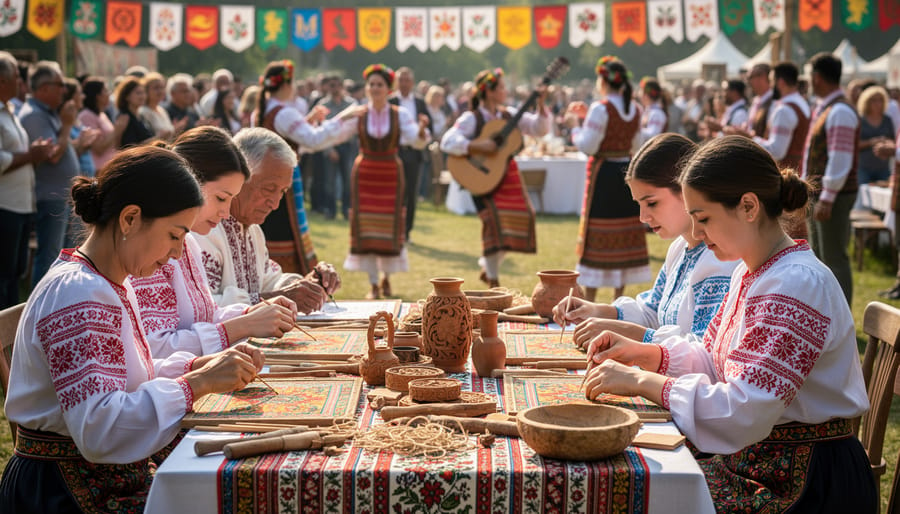
Ontario’s revivalism art scene isn’t locked behind museum glass, you can watch artisans work, try traditional techniques yourself, and bring home handmade pieces that support local tourism growth while preserving cultural heritage. The province’s heritage sites, cultural centers, and outdoor festivals offer hands-on experiences you won’t find anywhere else.
Start your exploration at these standout destinations:
- Black Creek Pioneer Village in Toronto features daily blacksmithing, weaving, and tinsmithing demonstrations in authentic 19th-century workshops
- Woodland Cultural Centre in Brantford offers Indigenous beadwork and quillwork workshops led by Six Nations artists
- Upper Canada Village near Morrisburg operates a full living history experience with heritage baking, cheese-making, and timber framing throughout the summer
- Sainte-Marie among the Hurons in Midland showcases 17th-century French colonial crafts and Wendat traditional arts during interpretive programs
- Kingston’s Murney Tower hosts seasonal Ukrainian pysanky workshops and Scottish tartan weaving circles
- Curve Lake First Nation Cultural Centre runs birchbark biting and basket weaving classes on select weekends
Provincial parks increasingly host cultural programming tied to traditional crafts. Frontenac Provincial Park partners with local Métis communities for finger-weaving workshops during heritage weekends, while Killarney Provincial Park offers occasional sessions on traditional canoe construction techniques with Anishinaabe builders.
Insider tip: Book workshops at least three weeks ahead during peak summer months, traditional craft sessions fill quickly, especially those led by master artisans. Many heritage sites offer discounted multi-day passes if you’re planning to attend multiple demonstrations.
Festival season brings concentrated bursts of revivalism art to outdoor settings. The Carrying Place Powwow in August features dozens of Indigenous artists demonstrating and selling traditional work. Harvest festivals at heritage villages (September through October) showcase preserving, spinning, and fall craft traditions using period-accurate tools.
Pack your curiosity along with eco-friendly gear for these outdoor cultural experiences. Many demonstrations happen rain or shine in open-air settings, so layering helps. You’ll also find park-inspired apparel at on-site gift shops, often created using the same traditional techniques you just watched artisans demonstrate.
Why Revivalism Art Matters for Cultural Tourism
Revivalism art transforms Ontario’s heritage sites and parks from passive viewing experiences into living, breathing encounters with the province’s cultural past. When you watch a blacksmith forge tools using 1850s techniques at a heritage village or learn to weave cedar bark alongside an Indigenous instructor, you’re participating in something far more memorable than reading a plaque. These hands-on demonstrations create stories you’ll actually tell when you get home, the kind of authentic moments that turn a decent trip into an unforgettable one.
Beyond the tourist experience, these traditional crafts pump real money into rural and Indigenous communities. Artisans selling handwoven baskets, teaching pysanky workshops, or demonstrating historic rope-making techniques earn income while keeping their knowledge alive for the next generation. You’re not just buying a souvenir, you’re funding a living tradition and supporting someone’s ability to practice their craft full-time rather than letting it become a weekend hobby.
The eco-friendly angle matters too. Traditional crafts rely on natural, local materials: birchbark harvested sustainably, wool from Ontario sheep, wood from fallen trees, plant dyes from native species. There’s no overseas shipping, no synthetic materials, no factory waste. When heritage sites teach butter churning or timber framing using hand tools, they’re showcasing low-impact skills that connect us to the land itself. These aren’t just historical curiosities, they’re models of resourcefulness that feel increasingly relevant.
Perhaps most importantly, revivalism art builds bridges between cultures. When a Ukrainian grandmother teaches you to decorate Easter eggs or a Haudenosaunee elder explains the symbolism in beadwork patterns, you gain insight no guidebook can provide. These exchanges foster genuine understanding and respect, making Ontario’s multicultural heritage something you experience personally rather than observe from a distance.
Common Questions About Traditional Art Revival
Where can I find authentic traditional art demonstrations in Ontario?
Most living history museums like Black Creek Pioneer Village and Upper Canada Village offer daily demonstrations during their operating season. Many provincial parks also host weekend workshops and cultural programming, particularly during summer months and Indigenous cultural celebrations.
Are these traditional crafts still practiced outside of tourism settings?
Absolutely. Many Indigenous artists practice traditional techniques as part of their daily cultural identity and livelihood, creating contemporary pieces rooted in ancestral methods. Heritage crafts communities also keep skills alive through guilds, farmers markets, and custom commissions for items like handwoven textiles and heritage cottage charm decor.
How can I support Indigenous artists ethically when buying traditional art?
Purchase directly from the artist whenever possible, ask about their community and training, and verify Indigenous authenticity through programs like the Indian Arts and Crafts Association. Avoid mass-produced imitations sold as “Native-inspired” and be willing to pay fair prices that reflect the time and cultural knowledge invested in each piece.
What makes an art form traditional versus contemporary?
Traditional art forms use techniques, materials, and cultural knowledge passed down through generations, even when adapted for modern contexts. A birchbark basket made with ancestral methods but featuring contemporary designs is still traditional, while a factory-made tourist souvenir mimicking the look isn’t, regardless of age.
These questions come up constantly at heritage sites and cultural festivals. Visitors often worry they’re witnessing something staged purely for tourists, but the reality runs deeper. The crafts you see demonstrated at Fort William Historical Park or during a Métis cultural weekend weren’t invented for visitors. They’re living traditions that communities choose to share.
Supporting these art forms means understanding the difference between appreciation and appropriation. When you buy a piece of quillwork from an Anishinaabe artist at a park event, you’re not just taking home a souvenir. You’re helping fund the materials, time, and teaching that keep that knowledge alive for the next generation. The best experiences happen when you engage with artists directly, ask about their process, and recognize that these aren’t museum relics but active cultural expressions.
Revivalism art does more than preserve the past. It weaves Ontario’s cultural heritage directly into your outdoor adventures, turning a simple park visit or heritage site tour into something richer and more meaningful. When you watch a blacksmith shape iron using 200-year-old techniques or learn birchbark basketry from a First Nations artist, you’re not just observing history. You’re participating in a living tradition that connects landscapes, materials, and cultural memory.
These traditional crafts tell the story of how people lived alongside Ontario’s forests, lakes, and fields, using what the land provided. That relationship between culture and nature still matters today, especially as we seek more authentic, sustainable travel experiences.
Supporting revivalism art is straightforward: attend demonstrations at provincial parks, buy directly from artisans at heritage festivals, take a workshop at a living history museum, or simply ask questions when you encounter traditional crafts on your travels. Your interest and participation help ensure these skills survive for another generation.
Next time you plan an Ontario getaway, look beyond the trails and campsites. Seek out the artists keeping traditional techniques alive. Their work makes our shared heritage something you can touch, learn, and carry forward.




+ There are no comments
Add yours