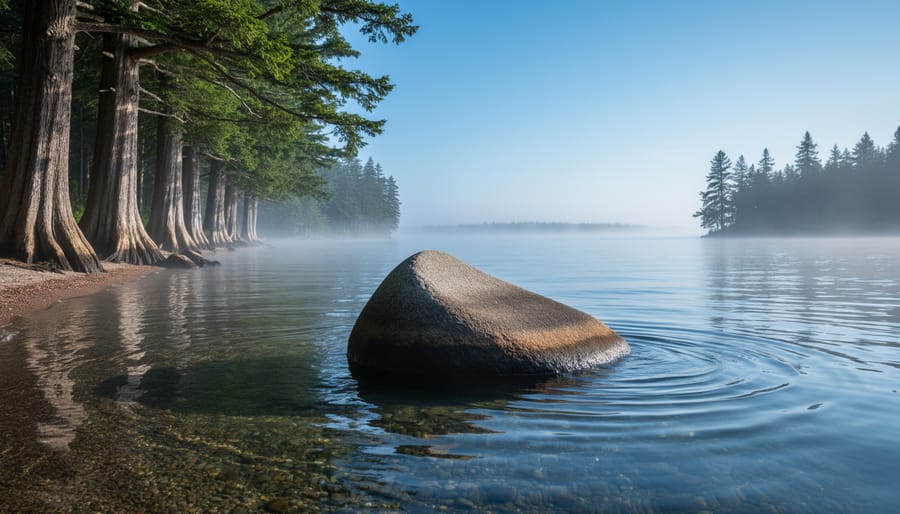
Indigenous spirituality refers to the deeply interconnected belief systems of First Nations, Métis, and Inuit peoples that understand the land, water, and all living beings as sacred relatives rather than resources. In Ontario, these spiritual traditions have shaped the relationship between people and place for thousands of years, rooted in the understanding that everything possesses spirit and purpose, from the Great Lakes to the smallest medicinal plant.
When you paddle across Georgian Bay or hike the trails of Algonquin, you’re moving through landscapes that hold profound spiritual significance for Anishinaabe, Haudenosaunee, and other Nations who have stewarded these places since time immemorial. These aren’t just beautiful backdrops for your next adventure. They’re living classrooms where ceremonies have been performed, Creation stories have unfolded, and relationships between humans and the natural world continue to be honored through practices like smudging, seasonal gatherings, and offerings of tobacco or semaa.
Understanding indigenous spirituality transforms how you experience Ontario’s outdoors. You begin to see rock formations as grandfathers who carry ancient wisdom, recognize that certain waters hold healing properties acknowledged through ceremony, and appreciate why asking permission before entering sacred spaces matters. This isn’t about adopting practices that don’t belong to you. It’s about approaching Ontario’s landscapes with the reverence they deserve and recognizing that tourism and recreation happen on traditional territories where spiritual protocols still guide daily life.
For visitors eager to explore responsibly, learning these foundational concepts opens doors to more meaningful, respectful experiences that honor both the land and the Indigenous peoples whose spiritual traditions remain inseparable from it.
The Sacred Foundation: What Indigenous Spirituality Really Means
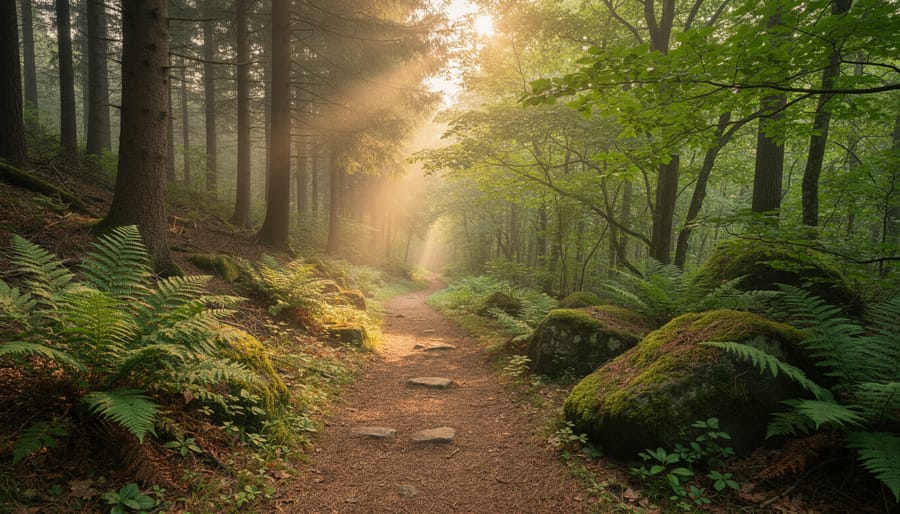
Indigenous spirituality isn’t a museum artifact or a chapter in a history book. It’s a living, breathing framework that continues to shape how many Indigenous people in Ontario relate to the land around them. When you hike through Frontenac Provincial Park or paddle the waterways of the Canadian Shield, you’re moving through spaces that hold spiritual significance reaching back thousands of years.
At its heart, Indigenous spirituality centres on interconnectedness. Everything in the natural world possesses spirit and agency, trees aren’t just resources, water isn’t just H₂O, and animals aren’t simply wildlife. They’re relatives, teachers, and active participants in a relationship that requires respect and reciprocity. If you take something from the land, you offer something back. This isn’t transactional; it’s about maintaining balance.
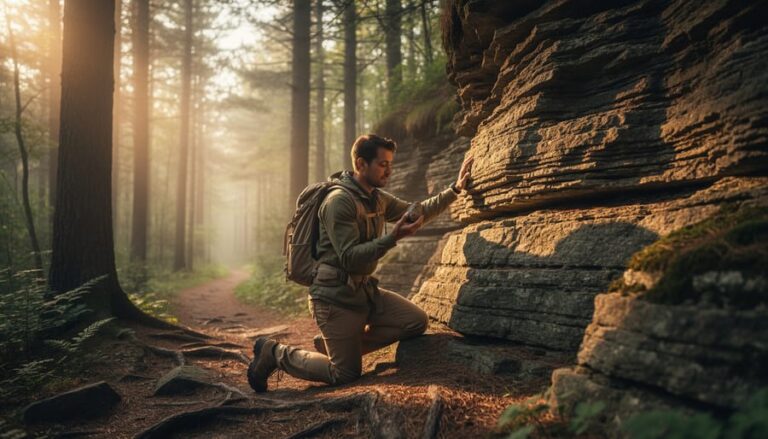
The concept of living landscapes challenges the Western separation between the physical and spiritual realms. In Indigenous worldviews, a rock outcrop or a river bend might be a place where the veil between worlds grows thin, where ancestors communicate, or where specific teachings live. These aren’t abstract ideas, they inform real decisions about how to harvest, where to camp, and how to move through territory.
Here’s what trips up many visitors: there’s no single “Indigenous spirituality” in Ontario. The province is home to diverse Indigenous spiritual traditions across Anishinaabe, Haudenosaunee, Cree, and other Nations. Each carries distinct ceremonies, cosmologies, and relationships with place. What’s sacred to the Mississaugas of the Credit might differ from Mushkegowuk Cree teachings in the far north.
Spiritual cosmology in these traditions encompasses origin stories, clan systems, seasonal ceremonies, and protocols passed down through oral tradition. These aren’t relics preserved behind glass. Indigenous wisdom today actively guides environmental stewardship, cultural revitalization, and how communities navigate contemporary challenges while maintaining ancient connections to territory.
Understanding this foundation transforms how you experience Ontario’s outdoors. You begin to see the landscape not as scenery but as a network of relationships, responsibilities, and stories still unfolding.
Ontario’s Indigenous Nations and Their Spiritual Connections to Place
Ontario is home to a rich tapestry of Indigenous Nations, each carrying spiritual traditions that emerged from, and remain inseparable from, their traditional territories. When you hike through Ontario’s forests or paddle its waterways, you’re moving through landscapes that have held spiritual significance for thousands of years. These aren’t just pretty backdrops; they’re the foundation of living belief systems that continue to guide communities today.
The Anishinaabe peoples (including Ojibwe, Odawa, and Potawatomi) hold the largest presence across Ontario, with territories spanning from the Great Lakes northward to Hudson Bay. Their spirituality centers on the concept that everything possesses spirit, the rocks beneath your feet, the cedar you brush against on the trail, the lakes reflecting the sky. The Great Lakes themselves feature prominently in Anishinaabe cosmology, viewed as sacred waters that sustain all life. Many traditional teachings speak of underwater beings, spirit keepers, and the responsibility to protect these waters for future generations.
The Haudenosaunee Confederacy (Six Nations including Mohawk, Oneida, Onondaga, Cayuga, Seneca, and Tuscarora) maintain deep connections to southern Ontario’s landscapes, particularly along the Grand River and Lake Ontario shorelines. Their spiritual framework includes the Thanksgiving Address, which acknowledges every element of creation from the earth beneath us to the sky above. Specific landforms, cliffs, rivers, ancient trees, serve as places where the physical and spiritual worlds meet.
| Indigenous Nation | Traditional Territory in Ontario | Key Spiritual Landscape Connections |
|---|---|---|
| Anishinaabe | Great Lakes region to Hudson Bay | Great Lakes as sacred waters, manitous (spirits) in all natural features, grandfather rocks |
| Haudenosaunee | Southern Ontario, Grand River valley | Three Sisters agriculture, rivers as life pathways, Creation Story ties to Turtle Island |
| Cree | Northern Ontario, Hudson Bay Lowlands | Boreal forest as provider and teacher, seasonal migration routes, northern lights teachings |
| Métis | Throughout Ontario (historically concentrated in northwest) | Blended traditions honoring water, land stewardship, seasonal gathering sites |
In northern Ontario, Mushkegowuk Cree and other Cree Nations hold spiritual relationships with the vast boreal forests and muskeg lands. Their cosmology reflects the rhythms of a northern landscape, the return of geese signaling seasonal change, the boreal forest as both provider and teacher, and the northern lights carrying messages from ancestors.
The Métis Nation of Ontario carries distinct spiritual traditions that honor both Indigenous and European ancestry, with deep reverence for the land expressed through seasonal rounds, harvesting practices, and place-based stories that span the province.
What ties these diverse Nations together is the fundamental understanding that spirituality isn’t practiced in buildings separate from daily life. It’s woven into the act of walking through forests, fishing in rivers, harvesting medicines, and acknowledging the spirits that dwell in specific places. Each landscape feature you encounter in Ontario carries layers of meaning, teachings passed down through generations, and ongoing spiritual significance for the communities who’ve called these places home since time immemorial.
Living Cosmology: How the Natural World Holds Spiritual Meaning

Water as Life and Spirit
In Indigenous cosmologies across Ontario, water is understood not as a resource but as a living relative, *nibi* in Anishinaabemowin, with spirit, consciousness, and the power to carry memory. The Great Lakes, rivers, and countless inland waters that define Ontario’s geography are considered the lifeblood of the Earth, intrinsically female and directly connected to the waters that nourish life in the womb. This teaching explains why women often hold primary responsibility for water ceremonies and protection.
Water ceremonies, practiced by many Indigenous Nations in Ontario, involve offerings of tobacco, prayers, and songs that acknowledge water’s sacred role and renew the reciprocal relationship between people and this life-giving element. These aren’t performances for observers but living spiritual practices that connect contemporary Indigenous communities to teachings passed down through generations. You might encounter references to water walks, ceremonial journeys along waterways to raise awareness about water protection, which link spiritual practice directly to environmental stewardship.
The Anishinaabe Water Song, sung by women at sunrise, honors water’s spirit and asks for its continued health. These practices connect to broader seasonal ceremonies that mark the year and reinforce the spiritual bonds between people and place.
When you’re paddling Ontario’s lakes or standing beside a rushing river, understanding water as spiritually alive, as a being deserving respect, gratitude, and protection, transforms how you experience these landscapes and why their preservation matters beyond human convenience.
Trees, Plants, and Medicine Teachings
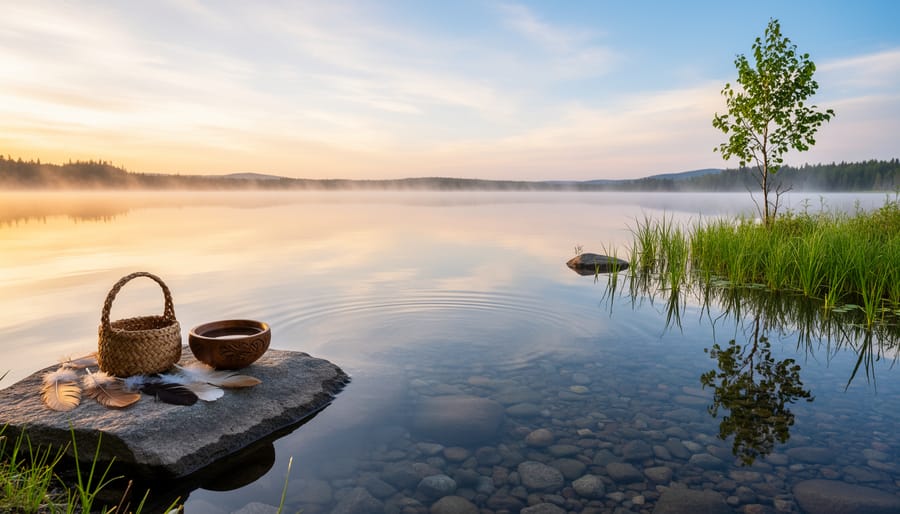
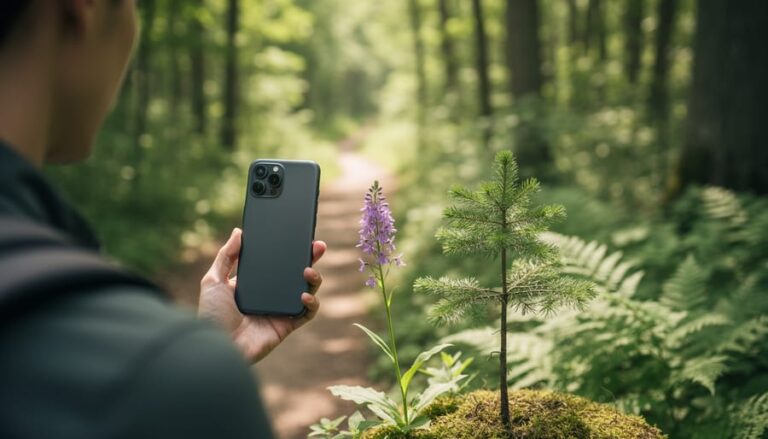
In Indigenous worldviews, plants aren’t resources to harvest, they’re relatives with their own agency, wisdom, and purpose. This relationship transforms a walk through Ontario’s forests into something deeper than recreation. The birch, cedar, sweetgrass, and sage you encounter have teachings to share, if you know how to listen.
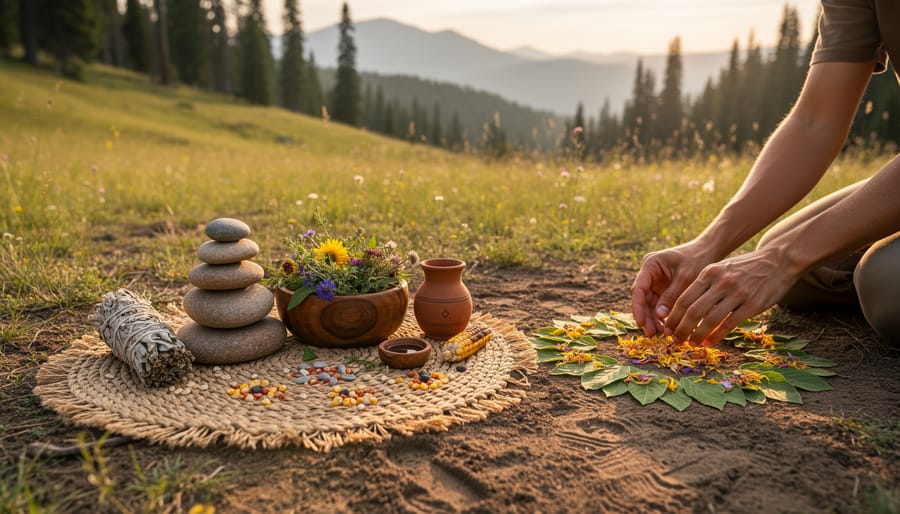
The Anishinaabe concept of plant kinship means treating vegetation as teachers who offer medicine teachings for physical, emotional, and spiritual well-being. White cedar (nookomis giizhik, or grandmother cedar) provides purification and protection. Sweetgrass, braided into three strands representing mind, body, and spirit, carries prayers when burned. Tobacco serves as a sacred offering before taking anything from the land, a practice rooted in reciprocity, not superstition.
Traditional knowledge holders spend years learning which plants grow where, when to harvest sustainably, and how plants interact with each other and the broader ecosystem. This isn’t folklore, it’s sophisticated ecological science passed down through generations, refined through careful observation of Ontario’s specific bioregions.
When you hike through Carolinian forests in the south or boreal stands in the north, you’re moving through living pharmacies and classrooms. Indigenous communities continue this knowledge transmission today, though much was disrupted by colonization. Recognizing plants as teachers means understanding that the forest holds intelligence we’re still learning to appreciate, and that Indigenous peoples developed intimate relationships with these landscapes over thousands of years.
Experiencing Indigenous Spirituality Respectfully as a Visitor
Approaching Indigenous spiritual sites and teachings in Ontario requires a shift in mindset from casual tourism to genuine respect. These places aren’t just scenic viewpoints, they’re living spiritual centers where ceremonies still happen and ancestors are remembered. The first rule is simple: if you encounter prayer ties, tobacco offerings, or ceremonial items at a site, leave them completely undisturbed. Never touch, photograph, or remove these sacred objects.
Before visiting known sacred sites like petroglyphs or pictograph locations, research whether they’re open to visitors and what protocols apply. Some sites are closed to non-Indigenous people entirely, and that boundary deserves your respect. At accessible sites, many Indigenous communities appreciate visitors who bring tobacco as an offering, ask locally about proper protocol, as customs vary between Nations. When you offer tobacco, do it quietly and with intention, not as a photo opportunity.
Listen more than you speak when Indigenous knowledge keepers share teachings. Oral traditions carry spiritual weight and aren’t meant for recording, live-tweeting, or casual retelling. Ask permission before photographing ceremonies, people, or sacred objects, the answer might be no, and that’s perfectly fine. Many spiritual practices aren’t intended for outside observation.
Seek out Indigenous-led experiences rather than third-party interpretations. When you book tours with Indigenous guides or visit cultural centers run by First Nations, you’re learning from the source while supporting communities directly. These experiences often include protocol teaching, so you’ll understand appropriate behavior naturally.
What not to do is equally important. Don’t sage yourself or perform ceremonies you’ve seen demonstrated, these practices belong within their cultural context, not as borrowed rituals. Avoid treating spiritual teachings as exotic entertainment or demanding access to closed ceremonies. Never collect rocks, plants, or artifacts from sacred sites, even if they seem abandoned.
The goal isn’t performative respect but genuine humility. Recognize that you’re a guest in territories where spiritual traditions stretch back thousands of years. That perspective transforms a hike past ancient rock art from a checkbox activity into something deeper, a chance to witness how spirituality and landscape remain inseparable in Indigenous worldviews.
Where to Learn More: Indigenous-Led Experiences in Ontario Parks
Ontario’s parks and protected areas increasingly serve as venues for Indigenous-led programs that share spiritual teachings while supporting Indigenous communities directly. Killarney Provincial Park partners with the Anishinaabe community of Sheguiandah First Nation to offer guided canoe experiences where participants learn about the spiritual significance of water routes that have carried travelers for thousands of years. At Pukaskwa National Park along Lake Superior’s eastern shore, the Ojibway community leads interpretive walks explaining how the rugged Canadian Shield landscape features in traditional teachings and seasonal ceremonies tied to the boreal forest.
The Wabakimi Lake Area Provincial Park system, one of Ontario’s largest wilderness parks, works with local Anishinaabe Nations to provide cultural programming during the summer months. These experiences move beyond generic “Indigenous awareness” and instead focus on specific spiritual concepts, how to approach water with respect, why certain trees hold particular teachings, and how the interconnectedness of living beings forms the foundation of Anishinaabe cosmology. You’ll hear stories that explain why this particular landscape holds spiritual meaning, not just abstract cultural information.
At Quetico Provincial Park, the Lac La Croix First Nation guides overnight canoe trips that incorporate traditional protocols for entering sacred spaces and leaving tobacco offerings. These aren’t performances, they’re invitations into living practices. Similarly, the Six Nations of the Grand River offer seasonal programs at various conservation areas throughout southern Ontario where visitors can participate in harvest ceremonies and learn about Haudenosaunee spiritual connections to the land.
Rock Point Provincial Park features interpretive programs developed with local Haudenosaunee knowledge keepers that explain the spiritual significance of Lake Erie and the traditional territories around it. Many parks now include sessions on Indigenous language teachings, helping visitors understand how the words themselves reflect spiritual concepts and worldviews tied to specific places.
Before visiting, contact parks directly to confirm program schedules and any protocols or preparations requested by Indigenous guides. Small group sizes are often preferred for these experiences, and advance booking is usually required. Many programs run seasonally based on traditional calendars rather than standard tourism schedules.
Understanding Indigenous spirituality transforms how you experience Ontario’s landscapes. What might once have seemed like just a lake, a forest, or a rock formation becomes a living, storied place, part of a cosmology that has thrived here for thousands of years. When you paddle across Georgian Bay or hike through Algonquin, you’re moving through spaces that hold deep spiritual significance for the Nations who have stewarded them since time immemorial.
This awareness doesn’t diminish your outdoor adventures. It enriches them. You begin to see reciprocity in action: taking only what you need, offering gratitude, leaving places better than you found them. You recognize that the protocols you’ve learned, asking permission before entering sacred sites, respecting ceremony, supporting Indigenous-led experiences, aren’t restrictions but invitations into a more meaningful relationship with the land.
Indigenous spiritual traditions aren’t relics of the past. They’re vibrant, evolving practices that continue to guide communities across Ontario today. Elders still pass down teachings, ceremonies still mark the seasons, and young people still learn the languages and stories that connect them to their territories. As visitors and residents, we’re privileged to witness and learn from these living traditions.
Your journey doesn’t end here. Keep seeking out Indigenous voices, reading Indigenous authors, and choosing experiences led by community members. Listen more than you speak. Ask thoughtful questions. Recognize that understanding Indigenous spirituality is a lifelong practice, not a single lesson, and that this ongoing commitment makes you a better steward of Ontario’s extraordinary natural heritage.


+ There are no comments
Add yours