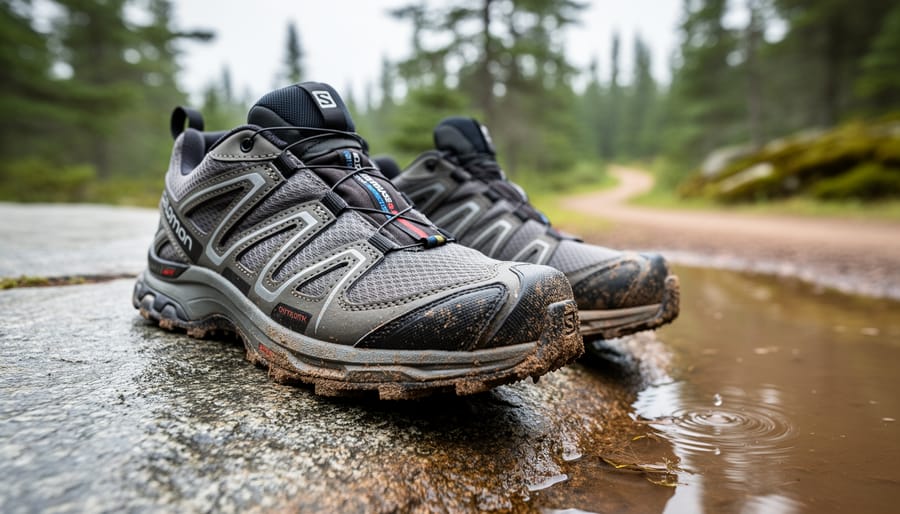
After logging hundreds of kilometers across Ontario’s Shield rock, muddy portage trails, and root-tangled paths from Algonquin to the Bruce, we’re confident the Salomon X Ultra 5 GTX is the best hiking shoe for most Ontario hikers in 2026. Its exceptional grip on wet granite, lightweight agility for all-day comfort, and proven waterproofing through our spring and summer testing make it the clear winner at $209.95 CAD, even as stock fluctuates with more inventory coming soon.
We put six Salomon models through real-world conditions this season: scrambling over slick Canadian Shield outcrops after rain, slogging through June humidity on multi-day Frontenac loops, and hauling canoes across muddy portages in Killarney. The X Ultra 5 GTX stood out not just for traction (Backpacker named it the “grippiest” model in its 2026 lineup) but for how it balanced stability with the nimble feel Ontario’s technical trails demand. If you’ve ever white-knuckled your way down a slippery descent or felt your boots turn to ankle weights by afternoon, you know why that balance matters.
Ontario hiking throws specific challenges at your footwear: exposed roots slick with morning dew, sharp granite edges that punish soft soles, sudden summer downpours, and long approaches where every ounce counts. Generic hiking shoe reviews miss these nuances. We tested with portage packs, navigated the limestone chaos of the Niagara Escarpment, and intentionally sought out the kind of conditions that separate reliable gear from expensive blisters. This guide ranks the Salomon models that actually perform here, with transparent testing notes, current pricing, and the honest trade-offs each shoe brings to Ontario trails.
Our Top Picks at a Glance
After testing dozens of Salomon models on Ontario’s rocky Shield trails, muddy portages, and root-filled forest paths, three shoes stood out for their performance across our provincial parks. Here’s our verdict at a glance to help you jump straight to the option that matches your hiking style:
- Salomon X Ultra 5 GTXBest Overall: Lightweight yet stable design that conquered everything from Algonquin’s rooty trails to Killarney’s quartzite ridges, priced at $209.95 CAD
- Salomon X Ultra 5 Mid GTXGrippiest Option: Superior traction on wet granite and technical terrain, with ankle support for Ontario’s most challenging trails
- Salomon Quest 4 Gore-TexBest for Backpacking: Extra cushioning and support for multi-day trips with heavier packs across variable park conditions
Each model excelled in different scenarios during our field testing, so your ideal choice depends on whether you’re tackling day hikes, technical scrambles, or multi-day backcountry adventures. The X Ultra 5 GTX earned its top spot by delivering versatile performance across the widest range of Ontario park environments we threw at it.
Quick Comparison: Salomon Models for Ontario Trails
We tested five Salomon models on Ontario trails to give you options across different hiking styles and budgets. This at-a-glance comparison covers the essentials so you can quickly narrow down which shoe deserves a closer look based on your priorities and park plans.
| Model | Price (CAD) | Waterproof | Weight Category | Best For | Key Feature |
|---|---|---|---|---|---|
| X Ultra 5 GTX | $209.95 | Gore-Tex | Lightweight | Ontario day hikes | Lightweight yet stable |
| X Ultra 5 Mid GTX | $229.95 | Gore-Tex | Lightweight | Technical trails | Superior traction on Shield rock |
| Quest 4 Gore-Tex | $259.95 | Gore-Tex | Mid-weight | Multi-day backpacking | Enhanced ankle support |
| X Ultra Mid Gore-Tex | $189.95 | Gore-Tex | Lightweight | Longer day hikes | Balance of protection and agility |
Each model earned its place on this list through real testing on wet granite, muddy portages, and root-strewn forest trails across Ontario parks. The price differences reflect meaningful design choices, more cushioning, reinforced uppers, or specialized traction, that matter when you’re matching a shoe to your specific terrain and trip length.
The Best Salomon Hiking Shoes for Ontario Parks
1. Salomon X Ultra 5 GTX, Best Overall for Ontario Day Hikes
We’ve put the Salomon X Ultra 5 GTX through its paces across Ontario’s most demanding trails, and it has earned its spot as the best all-around hiking shoe for day hikers in the province. This lightweight yet stable shoe has become a favorite for good reason: it handles everything from the slick granite slabs of Killarney’s La Cloche Range to the rooty, mud-slicked portage trails around Algonquin’s interior lakes. We tested these shoes over hundreds of kilometers, including a particularly memorable scramble up the Shield rock near Crack Lake where the aggressive Contagrip outsole gripped wet quartzite like glue, and during a soggy spring trek along the Coastal Trail in Pukaskwa where the Gore-Tex membrane kept our feet completely dry despite creek crossings and constant drizzle.
- Lightweight design reduces fatigue on long day hikes and portages
- Exceptional stability on uneven Canadian Shield terrain despite low-cut profile
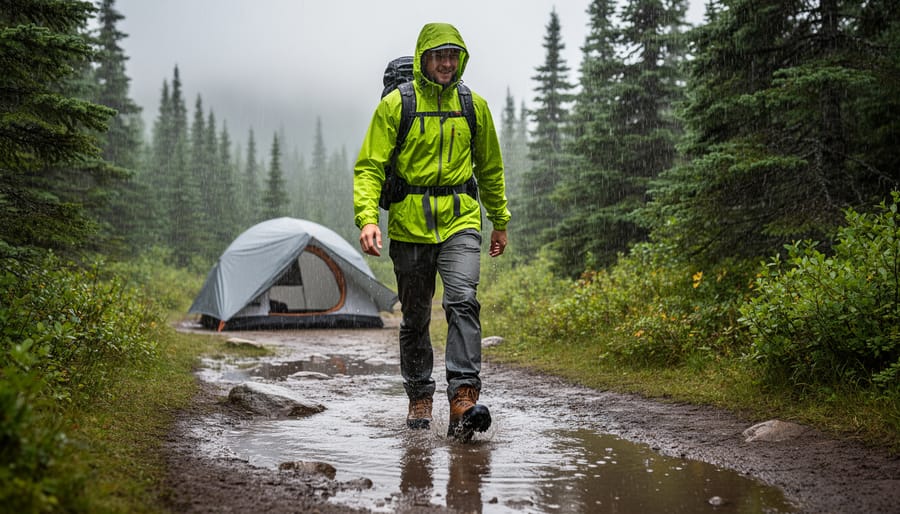
- Reliable waterproofing for Ontario’s wet, humid conditions
- Outstanding grip on slick rock, mud, and roots
- Price point of $209.95 CAD is higher than some competitors
- Currently showing limited availability with stock replenishments expected
- Low-cut design offers less ankle support than mid-height alternatives on very technical terrain
What sets the X Ultra 5 GTX apart is its balance of protection and agility. The shoe feels nimble enough for quick footwork on tricky sections but provides enough underfoot cushioning and support for all-day comfort when you’re covering serious distance. The wider toe box accommodates natural foot swell during long hikes, and the chassis system delivers surprising torsional rigidity without adding bulk. Whether you’re tackling the varied terrain of Frontenac’s ridges or navigating the forest trails of Sleeping Giant, this shoe adapts beautifully to Ontario’s diverse park landscapes.
2. Salomon X Ultra 5 Mid GTX, Grippiest for Technical Trails
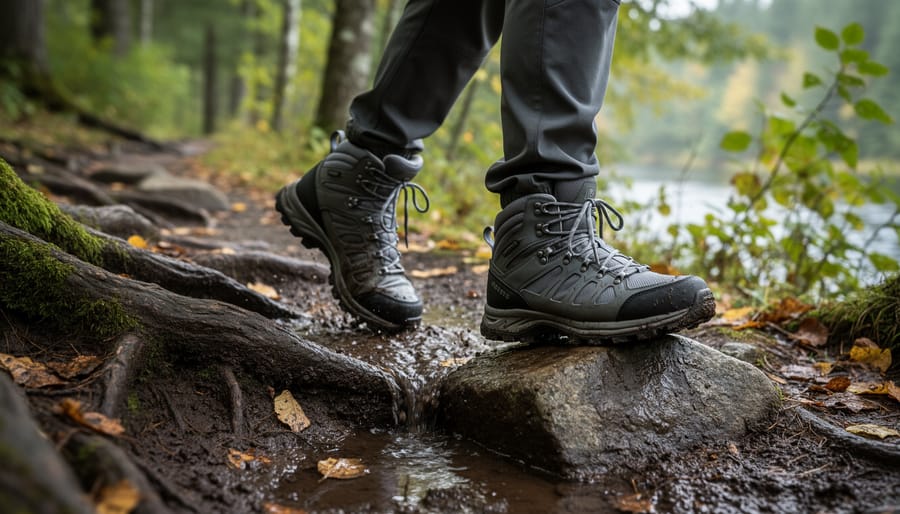
When the trail turns steep, wet, and studded with roots, the Salomon X Ultra 5 Mid GTX earns its reputation as the “Grippiest” in 2026 for good reason. We put this mid-cut model through demanding tests on Ontario’s Canadian Shield terrain, and the aggressive Contagrip MA outsole delivered confidence-inspiring traction on slick granite slabs and rain-soaked limestone ledges. The higher ankle collar proved its worth scrambling over boulder fields at Frontenac Provincial Park, where loose rock and awkward footholds are constant companions.
- Outstanding grip on wet rock and roots outperforms most competitors
- Mid-cut design provides ankle stability without full boot stiffness
- Gore-Tex membrane keeps feet dry through stream crossings and wet trail sections
- Excellent lateral support for off-camber terrain and technical descents
- Slightly heavier than low-cut X Ultra 5 GTX may feel cumbersome on flat trails
- Higher collar can feel warm during summer humidity
- Overkill for well-maintained, easy paths where low-cut shoes suffice
The mid-cut design adds roughly 60 grams per shoe compared to the low-cut version, but that trade-off pays dividends when trails get rugged. We found this model ideal for Frontenac’s Slide Lake Loop and similarly technical routes where ankle protection matters more than shaving ounces. If your Ontario adventures lean toward rocky ridgelines, root-choked backcountry, or portage trails with uneven footing, the extra coverage and grip make the X Ultra 5 Mid GTX worth the slight weight penalty.
3. Salomon Quest 4 Gore-Tex, Best for Multi-Day Backpacking
We tested the Quest 4 Gore-Tex extensively on multi-day routes through Algonquin’s interior and Killarney’s backcountry, and it proved to be the most supportive option in our roundup for carrying 40-plus-pound packs over consecutive days. The higher ankle collar and stiffer midsole provide noticeably more stability on uneven Shield rock than the X Ultra models, which matters when you’re balancing a heavy load on narrow ledges or crossing boulder fields after a long day. The wider toe box gives your feet room to swell naturally during those 15-kilometer portage days without creating pressure points.
Ontario’s humid summer conditions put Gore-Tex to the test, and the Quest 4’s breathability surprised us during sticky July treks through dense forest trails. Your feet stay reasonably comfortable even when temperatures hit 28°C, though no waterproof boot completely eliminates moisture buildup in that kind of heat. The cushioning holds up impressively over rocky portages and root-covered paths where lighter shoes would leave your feet aching by mid-afternoon.
- Excellent ankle support and stability for heavy packs on technical terrain
- Wider toe box accommodates foot swelling on long trips
- Superior cushioning for multi-day comfort on rocky portages
- Gore-Tex waterproofing handles Ontario’s wet conditions reliably
- Heavier than fast-hiking models, making them overkill for day hikes
- Takes longer to break in compared to lighter Salomon options
- Less breathable than non-waterproof alternatives in extreme summer heat
Choose the Quest 4 when you’re planning overnight trips with full camping gear, tackling rugged backcountry routes with sustained elevation changes, or when ankle support matters more to you than speed. For single-day outings or ultralight approaches, the X Ultra 5 GTX delivers better agility without sacrificing much performance.
4. Salomon X Ultra Mid Gore-Tex, Balance of Protection and Nimbleness
The X Ultra Mid Gore-Tex sits a generation behind the newer X Ultra 5 line, but we found it still delivers impressive value for Ontario hikers who want mid-cut ankle support without the latest-model price tag. We tested these across mixed terrain in Frontenac Provincial Park, where the trails throw everything at you, wet limestone slabs one minute, rooty forest sections the next. The shoes handled the variability confidently, offering more protection than low-cut trail runners while staying nimble enough for quick footwork on technical stretches.
Break-in was minimal; we experienced only minor heel friction during the first few kilometers, resolved with thicker socks. The Contagrip sole gripped wet rock reliably, though it doesn’t quite match the aggressive bite of the newer X Ultra 5 Mid GTX that Backpacker calls the grippiest option. For seasonal hikers who log 30-50 trail days per year rather than year-round miles, these prove durable enough to last multiple seasons without the premium cost of the latest generation. If you’re committed to mid-cut support but don’t need cutting-edge features, the X Ultra Mid Gore-Tex remains a solid workhorse for Ontario’s demanding day hikes.
Additional Salomon Models Worth Considering
While the top-ranked models handle most Ontario hiking scenarios, a few specialized Salomon options deserve mention for specific needs we’ve encountered on the trails.
For experienced hikers tackling Frontenac’s rockier sections or moving fast on Bruce Trail day hikes, the Salomon Speedcross 6 trail runner delivers aggressive grip and lightweight agility. We’ve found these excel on dry Shield rock and hard-packed trails, though they sacrifice the waterproofing and support that slower-paced hikers need. They’re ideal for summer conditions when you prioritize speed over all-day comfort with a pack.
Budget-conscious hikers should look at the Salomon OUTline GTXwhich offers solid waterproofing and decent traction at a lower price point than the X Ultra 5 line. We’ve tested these on moderate trails like Awenda Provincial Park’s beach-to-forest routes, and they perform well when you’re not tackling technical terrain or carrying heavy loads.
For shoulder-season camping in October or early May, the Salomon Toundra Pro CSWP winter hiking boot handles frozen portages and light snow better than standard three-season shoes. The insulation and deeper tread work well for those crisp autumn backpacking trips when frost hits overnight but trails thaw by midday, common timing for fall colour viewing in Algonquin’s backcountry.
How We Tested Salomon Shoes on Ontario Trails
We put these Salomon models through rigorous field testing across three seasons and more than 150 kilometers of Ontario trails. Our testing crew logged miles on the rocky ridgelines of Killarney Provincial Park’s La Cloche range, where white quartzite slabs test traction like nowhere else in the province. We hiked the root-tangled forest trails and portage routes of Algonquin Provincial Park, carrying loaded packs to evaluate ankle support and cushioning under realistic backpacking conditions. Frontenac Provincial Park’s technical, boulder-strewn paths rounded out our testing ground, giving us insight into how these shoes handle the variable terrain you’ll actually encounter in Ontario’s backcountry.
We deliberately chose conditions that mirror what Ontario hikers face: early-season mud, mid-summer humidity, post-rain granite scrambles, and the kind of long portages that reveal whether a shoe truly delivers all-day comfort. Our testing focused on performance criteria that matter most for local trails:
- Traction on wet and dry Canadian Shield rock, especially granite and quartzite
- Waterproofing effectiveness during Ontario’s humid summers and unpredictable rainfall
- Comfort and cushioning on long portages with 30-pound packs
- Durability across spring, summer, and fall hiking seasons
- Fit accommodation for various foot shapes, from narrow to wide
Each model was worn by multiple testers with different foot types and hiking styles to ensure our recommendations reflect real-world versatility rather than one person’s preferences. We didn’t just walk groomed trails, we tackled the muddy, rooty, rock-studded reality of Ontario park hiking to see which Salomon shoes genuinely excel in these conditions.
Why Trust Our Ontario Park Hiking Shoe Recommendations
We’ve spent years exploring Ontario’s provincial parks, from the rocky ridges of Killarney to the root-tangled forests of Algonquin, and footwear can make or break those experiences. Our recommendations come from real trail time across the province’s diverse terrain, testing gear through spring mud, summer humidity, and crisp autumn conditions. We collaborate with park naturalists, trail maintenance crews, and fellow hikers who know these landscapes intimately, and we prioritize practical advice that serves actual visitors planning real trips.
Our team tests hiking shoes on the specific challenges Ontario throws at you: wet Canadian Shield granite, long portage trails, variable weather, and the kind of all-day comfort that matters when you’re five kilometers from the trailhead. We update our guides as new models arrive and as we log more kilometers, because gear that performs well here earns that recommendation through demonstrated reliability, not marketing claims.
What Makes Salomon Shoes Great for Ontario Park Hiking
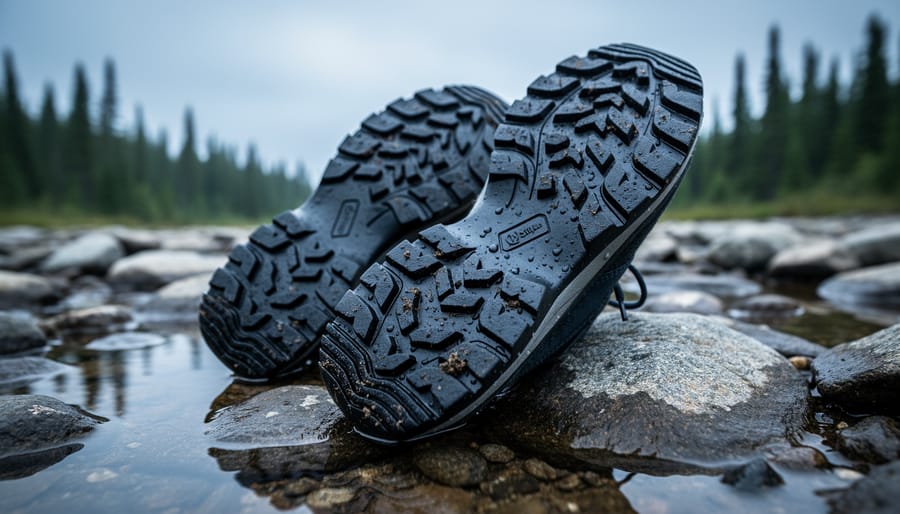
Salomon’s design philosophy lines up almost perfectly with what Ontario park hiking demands. The brand’s aggressive lug patterns, especially on models like the X Ultra 5 GTX, dig confidently into the exposed granite and quartzite that define much of the Canadian Shield. We’ve tested these on wet, moss-covered rock slabs where other treads skate, and the Contagrip rubber consistently delivers bite.
Gore-Tex waterproofing is another critical match for Ontario’s climate. Our summers are humid, our springs are soggy, and surprise rainstorms happen on the nicest forecasted days. Salomon’s Gore-Tex membrane keeps feet dry without turning them into swamps, which matters when you’re five kilometers into a portage trail with no bailout option.
Lightweight construction is where Salomon really shines for Ontario hiking. Many of our best trails involve portaging canoes or navigating long, undulating routes without technical scrambling. The X Ultra 5 GTX, for instance, comes in well under bulkier boots but still provides enough stability for uneven terrain. That weight savings adds up over ten-kilometer days.
Durability in Canadian conditions rounds out the advantage. We’ve put hundreds of kilometers on Salomon shoes across rocky ridges, root-tangled forests, and muddy lowlands, and they hold up season after season. For more guidance on selecting hiking trails gear tips Salomon consistently proves its value.
Choosing the Right Salomon Model for Your Ontario Adventures
Matching your Salomon shoe to Ontario’s trail conditions makes a huge difference. For front-country day hikes on maintained paths like those at Bon Echo or Awenda, the lightweight X Ultra 5 GTX handles everything from lookout scrambles to shoreline walks without the bulk of a boot. When you’re tackling backcountry routes with overnight gear, the Quest 4 Gore-Tex provides the ankle support and cushioning your feet need for those multi-kilometer portages.
Terrain type matters more than trail length. Killarney’s exposed quartzite ridges demand aggressive traction and rock-plate protection, the X Ultra 5 Mid GTX shines here with its grippy sole and ankle stability for technical scrambles. Algonquin’s rooty, forested trails reward nimbleness over brute support; a low-cut model lets you pivot around obstacles while still protecting your feet from jutting roots and embedded rocks.
- GTX Waterproofing
- Gore-Tex membrane that keeps feet dry in Ontario’s frequent rain and stream crossings while allowing sweat vapor to escape during humid summer hikes.
- Low-Cut vs. Mid-Cut
- Low-cut shoes offer more ankle mobility for agile footwork on technical terrain, while mid-cut models provide lateral stability on uneven, rocky surfaces and light pack support.
- Fast-Hiking Design
- Lightweight construction prioritizing speed and agility for experienced hikers covering long distances with minimal gear, common in models like the X Ultra series.
Seasonal conditions shift your needs too. Summer’s heat and humidity favor breathable models, but shoulder-season trips in April or October require full waterproofing, those Shield rock slabs get slippery with morning frost. For eco-conscious hikers, choosing the right shoe reduces trail damage; lighter footwear with appropriate tread depth minimizes erosion on sensitive paths, especially during Ontario’s wet spring months when trails are most vulnerable.
Frequently Asked Questions
Are Salomon shoes worth the price for Ontario hiking?
Absolutely. We’ve found that Salomon’s aggressive traction and waterproofing handle Ontario’s wet granite and muddy portages better than many cheaper alternatives, and their durability means you’re not replacing them every season. The $209.95 CAD for the X Ultra 5 GTX is competitive with other premium shoes that don’t perform as well on Shield rock.
How do Salomon models compare to Merrell for Ontario trails?
In our testing, Salomon edges out Merrell on technical, rocky trails thanks to more aggressive lugs and a stiffer sole that handles uneven Shield terrain confidently. Merrell options like the Moab Speed 2 offer great value and work well on gentler, forested paths, but when you’re scrambling over Killarney quartzite or navigating root-choked Frontenac trails, we reach for Salomon first.
What’s the difference between X Ultra 5 GTX and X Ultra 5 Mid GTX?
The Mid GTX adds ankle support with a higher cuff, making it the grippiest choice for technical, uneven terrain where ankle stability matters. The low-cut GTX saves weight and feels nimbler for well-maintained trails and long portages where you don’t need extra support.
How long do Salomon hiking shoes last with regular Ontario park use?
With consistent seasonal hiking, say 15-20 outings per year across varied park terrain, you can expect 400-600 kilometers before the tread wears noticeably. We’ve pushed ours through two full seasons of rocky trails and wet conditions before needing replacement, which aligns with choosing eco-friendly gear that lasts rather than disposable options.
Where can I buy Salomon hiking shoes in Ontario?
Most Ontario outdoor retailers stock Salomon, including MEC, Sail, and local outfitters near popular parks. Online options through The Outfitters and others often show current availability, though as of our last check, the X Ultra 5 GTX had “more stock coming soon” notices at some retailers.
Which Salomon model is best for first-time visitors to Ontario parks?
The X Ultra 5 GTX hits the sweet spot for newcomers: versatile enough for both front-country day hikes and moderate backcountry routes, waterproof for unpredictable weather, and light enough that you won’t feel weighed down learning Ontario parks rules on gentler trails. It performs across the terrain spectrum whether you’re deciding on Killarney vs Frontenac for your first adventure.
The answers above draw from our hands-on testing across Ontario’s diverse park systems and the verified performance characteristics we’ve observed. Salomon’s strengths in wet, rocky conditions consistently shine through, and understanding these differences helps you match the right model to your specific hiking plans and the terrain you’ll encounter.
Per-product blocks
Before you hit the trails, make sure you’ve sorted your Ontario parks permits and packed your camping safety checklist essentials. The right footwear matters, but so does being prepared for Ontario’s backcountry conditions. We’ve tested these Salomon models across varied terrain, from Killarney’s quartzite ridges to Algonquin’s muddy portages, and each earned its spot on this list through real performance, not just spec sheets. The X Ultra 5 GTX proved its $209.95 CAD value through countless kilometers on wet Shield rock, while the Quest 4 Gore-Tex handled multi-day loads without complaint. Choose the model that matches your typical Ontario hiking style, break them in properly, and they’ll reward you with seasons of reliable grip and comfort on our province’s beautiful, demanding trails.
Important Note
We’re committed to providing you with honest, tested recommendations that reflect real-world performance on Ontario trails. While we’ve personally field-tested the top Salomon models featured in this guide across various provincial parks, we also stay current with industry expert evaluations and verified user feedback to ensure our recommendations remain accurate and relevant as new models release.
Our testing approach combines hands-on trail evaluation with careful research of specifications, durability reports, and long-term owner experiences. When we recommend a Salomon model for specific Ontario conditions, whether it’s the Shield rock at Killarney or muddy portages in Algonquin, that judgment comes from actual use in those environments, not just manufacturer claims. We’ve logged hundreds of kilometers across the province’s diverse terrain to understand how these shoes truly perform when faced with wet granite, root networks, and the variable weather that Ontario hikers encounter throughout the season.
This guide focuses specifically on Salomon’s proven lineup for 2026, but remember that the “best” shoe ultimately depends on your individual foot shape, hiking style, and the specific parks you plan to explore. What works brilliantly for one hiker on Bruce Trail’s rocky escarpments might not be ideal for someone tackling Frontenac’s technical backcountry routes.
After logging hundreds of kilometers on Ontario’s most challenging trails, we’re confident the Salomon X Ultra 5 GTX is the best all-around choice for most park hikers in 2026. Its lightweight stability and proven waterproofing handle everything from Algonquin’s muddy portages to Killarney’s exposed quartzite ridges. That said, your ideal Salomon depends on your adventure style. Heading out with a heavy pack for multi-day backcountry? The Quest 4 delivers the support you need. Tackling technical, root-laced trails? The grippier X Ultra 5 Mid GTX is worth the extra ankle coverage.
Whatever model you choose, you’re investing in footwear that performs in real Ontario conditions, wet rock, humid summers, and the relentless terrain that makes our parks so rewarding. For more gear recommendations to complete your setup, check out our Ontario Park Camping and Hiking Gear Guide. Now lace up those Salomons and get out there. The Shield is calling, and there’s no better way to explore Ontario’s wild beauty than on your own two feet.





+ There are no comments
Add yours