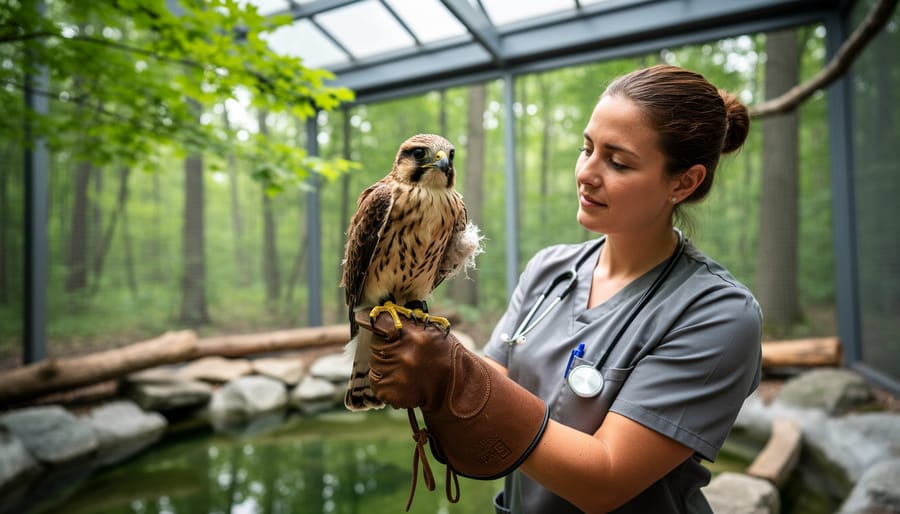
Zoological conservation is the science and practice of protecting endangered species through coordinated programs at zoos, aquariums, and wildlife facilities that combine captive breeding, habitat preservation, research, and public education. Rather than simply housing animals for display, modern zoological conservation turns facilities into active recovery hubs where threatened species get a fighting chance at survival while scientists gather crucial data and visitors become advocates for wildlife protection.
This approach has pulled dozens of species back from the brink of extinction. Canada’s own Vancouver Island marmot, once down to fewer than 30 individuals in the wild, now numbers over 200 thanks to intensive breeding programs at Toronto Zoo and other facilities. The wood bison, peregrine falcon, and black-footed ferret all owe their current populations to similar efforts that began when wild numbers crashed.
For Ontario travelers seeking meaningful nature experiences in 2026, zoological conservation offers something unique: the chance to witness wildlife rescue in action while supporting the science that keeps ecosystems functioning. You’re not just observing animals behind glass. You’re funding the genetic studies that prevent inbreeding in small populations, the veterinary expertise that treats injured wildlife, and the reintroduction programs that return captive-bred animals to restored habitats across the province.
The conservation work happening at Ontario’s accredited facilities directly supports the wild spaces you explore on hiking trails and canoe routes. When a zoo successfully breeds threatened turtles or rehabilitates injured raptors, those animals often return to provincial parks and conservation areas where you might encounter their descendants during your outdoor adventures. Understanding how this system works helps you make informed choices about where to visit and how your tourism dollars contribute to protecting the wildlife that makes Ontario special.
What Zoological Conservation Means for Wildlife
Zoological conservation is the practice of protecting and recovering species through coordinated efforts that combine scientific research, captive breeding, habitat management, and public education. At its heart, it’s about preventing extinction and restoring populations of threatened animals by giving them safe spaces to breed, grow, and eventually return to the wild when conditions allow.
Think of it as a safety net for wildlife facing threats they can’t escape on their own, habitat loss, climate change, poaching, disease. Modern zoological conservation operates on two fronts simultaneously: protecting animals in controlled environments like zoos and wildlife parks while also working to preserve and restore their natural habitats. Both approaches work together, not in isolation.
- Ex situ conservation
- The protection and breeding of species outside their natural habitat, typically in zoos, aquariums, or specialized breeding facilities where conditions can be carefully controlled.
- In situ conservation
- Conservation efforts that protect species within their natural ecosystems, focusing on habitat preservation and addressing threats in the wild.
- Genetic diversity
- The variety of genetic traits within a population, crucial for species survival because it provides resilience against disease and environmental changes.
- Species recovery programs
- Coordinated plans involving multiple institutions working together to increase population numbers and genetic health of endangered species, often leading toward reintroduction.
- Conservation breeding
- Carefully managed reproduction programs that maintain genetic diversity while building sustainable captive populations that can support wild populations.
In Ontario, you can see zoological conservation in action at facilities like the Toronto Zoo, which runs recovery programs for the Blanding’s turtle and eastern loggerhead shrike. African Lion Safari near Cambridge maintains breeding populations for species like the white rhinoceros, participating in global conservation networks that track genetics and coordinate transfers between facilities.
These institutions do far more than display animals. They maintain detailed genetic databases, conduct veterinary research that benefits wild populations, train conservation professionals, and educate hundreds of thousands of visitors annually about biodiversity threats. When you visit the Reptile Breeding Foundation in Picton or Aspen Valley Wildlife Sanctuary near Parry Sound, you’re witnessing conservation science at work, not just viewing animals behind glass.
The education component matters enormously. When people connect with a threatened species face to face, they’re more likely to support habitat protection, donate to conservation causes, and make lifestyle changes that reduce environmental impact. That’s the power of zoological conservation, it turns abstract extinction statistics into living animals with stories, creating advocates who’ll fight for their survival.
How Zoological Conservation Works in Practice
The Role of Zoos and Wildlife Parks
Modern zoos and wildlife parks in Ontario have evolved far beyond their original entertainment mandate. Today, they’re sophisticated conservation centres where science meets public engagement, and every exhibit tells a story of species survival.
These facilities maintain carefully managed breeding populations of threatened animals, creating genetic safety nets for species facing extinction in the wild. The Toronto Zoo, for instance, coordinates breeding programs for over 40 species, including the endangered black-footed ferret and the Canadian loggerhead shrike. When you watch these animals during your visit, you’re seeing individuals that might one day help repopulate wild habitats.
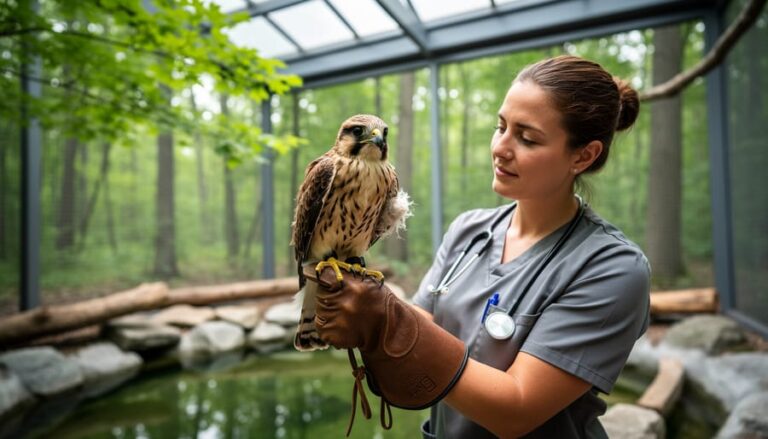
Behind the public spaces, zoological parks house research laboratories, veterinary hospitals, and climate-controlled breeding facilities. Staff conduct behavioral studies, develop new conservation techniques, and share findings with wildlife managers worldwide. The African Lion Safari in Cambridge participates in international databases tracking genetics across zoo populations, ensuring breeding pairs are matched to maximize genetic diversity.
These institutions also serve as training grounds. Conservation biologists learn field techniques here before deploying to remote habitats. Wildlife rehabilitation specialists perfect their skills on injured animals brought in from across the province. Education teams develop programs that connect thousands of schoolchildren with wildlife they’d never otherwise encounter, building the next generation of conservation advocates through hands-on experience and memorable encounters.
Behind-the-Scenes Conservation Work
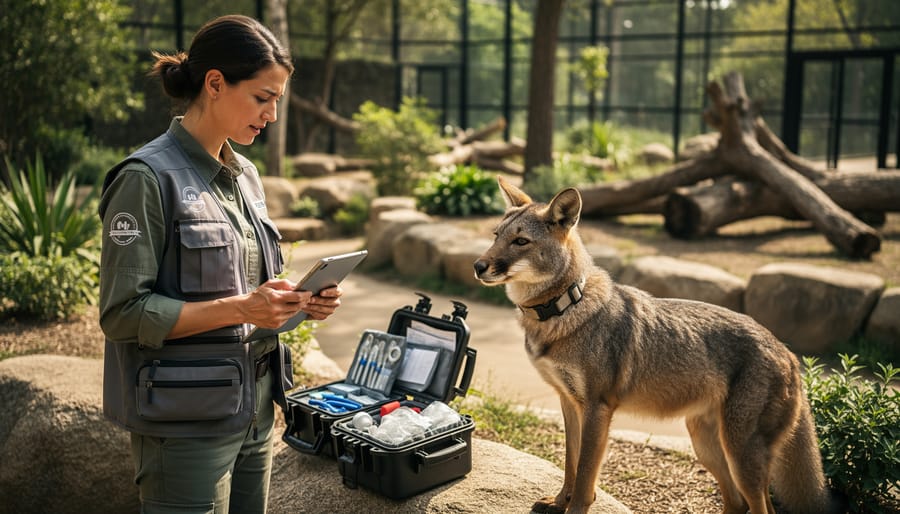
Walk into the staff areas of Ontario’s leading wildlife facilities and you’ll find work most visitors never glimpse. Genetic databases track the ancestry of every animal in North American breeding programs, helping coordinators match individuals to maintain diversity and prevent inbreeding, essentially a dating service backed by DNA analysis. Veterinary researchers develop new surgical techniques and health protocols that benefit both captive populations and wild counterparts, sharing findings across institutions.
Collaborative breeding programs extend far beyond single facilities. Ontario zoos regularly transfer animals between accredited institutions, coordinating births to strengthen species populations continent-wide. A turtle born at the Toronto Zoo might eventually contribute to breeding efforts in Chicago, with both facilities sharing data and expertise.
Field partnerships represent perhaps the most crucial behind-the-scenes element. Conservation doesn’t stop at facility boundaries. Staff from Ontario’s zoological institutions spend months in remote locations studying wild populations, training local conservationists, and implementing protect natural heritage strategies that work hand-in-hand with captive programs. The African Lion Safari, for instance, funds cheetah research in Namibia while maintaining its own breeding population.
Education teams develop curriculum materials distributed to schools across the province, extending conservation messaging beyond zoo visits. Nutritionists formulate species-specific diets that mirror wild food sources, preparing animals for potential reintroduction. Meanwhile, behavior specialists design enrichment programs that maintain natural instincts, critical if an animal’s descendants will eventually return to the wild.
This invisible infrastructure makes visible conservation possible. Without it, facilities would be collections rather than conservation engines.
Different Approaches to Zoological Conservation
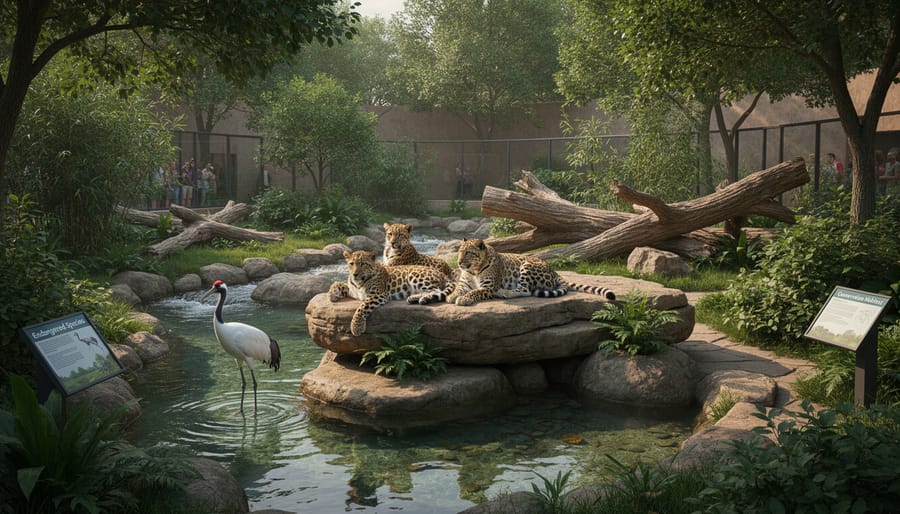
Zoological conservation isn’t a one-size-fits-all proposition. Different species face different threats, and conservationists have developed a toolkit of strategies to match. Understanding these approaches helps you appreciate what’s actually happening when you visit an Ontario wildlife facility, and why some programs focus on breeding while others prioritize habitat work.
Captive breeding remains the most visible approach. Facilities maintain genetically diverse populations of endangered species, carefully managing breeding pairs to prevent inbrestation and preserve healthy gene pools. The Toronto Zoo’s Blanding’s turtle program exemplifies this: biologists track lineages across multiple institutions, ensuring hatchlings represent the widest possible genetic variation before release into protected wetlands.
Genetic rescue takes this further. When wild populations become dangerously inbred, a real concern for isolated species like Ontario’s massasauga rattlesnakes, conservationists introduce carefully selected individuals from captive populations to refresh the gene pool. It’s delicate work requiring deep knowledge of population genetics, and it’s increasingly important as habitat fragmentation isolates wildlife communities.
Assisted migration addresses climate change head-on. As Ontario’s climate shifts, some species can’t move north fast enough on their own. Conservation programs help relocate populations to newly suitable habitat, though this remains controversial. Most Ontario efforts focus on species already native to the province, moving southern populations northward within historical ranges rather than introducing entirely new species.
The most comprehensive approach combines multiple strategies:
- Captive breeding programs for critically endangered species
- Species reintroduction initiatives in restored habitats
- Genetic diversity management across zoo populations
- Conservation education and outreach to build public support
- Research and monitoring programs tracking wild populations
- Habitat restoration partnerships with conservation authorities
- Cross-institutional collaboration networks sharing expertise and animals
Habitat-based conservation recognizes that breeding animals in captivity means nothing without wild places to release them. Ontario facilities increasingly partner with land trusts and conservation authorities to protect and restore habitat before reintroduction. The Ojibwe Prairie Complex near Windsor shows how this works: while zoos bred endangered Karner blue butterflies, conservationists restored native lupine meadows the butterflies need to survive.
Green infrastructure planning connects these fragmented habitats, creating wildlife corridors that let released animals move safely between protected areas. Some programs even work with specialized ecosystems like caves and karst formations, which shelter unique bat species facing disease and habitat loss.
Most successful Ontario programs blend several approaches simultaneously. The Axolotl Conservation Program at Toronto Zoo combines captive breeding, genetic research, habitat restoration funding in Mexico, and public education, recognizing that saving a species requires working on multiple fronts at once.
Where Zoological Conservation Meets Ecotourism in Ontario
Ontario Success Stories You Can Visit
When you visit the Toronto Zoo’s Canadian Domain, you’re walking through a living success story. The zoo played a crucial role in bringing the eastern loggerhead shrike back from the brink of local extinction. By the early 2000s, fewer than 30 breeding pairs remained in Ontario. Today, thanks to intensive captive breeding and release programs, that number has more than tripled. The zoo’s bird experts hand-raised hundreds of shrikes before releasing them into carefully monitored grassland habitats. Watching these small but fierce predators in the zoo’s breeding facility gives you a real appreciation for the painstaking work behind each release.
African Lion Safari in Hamilton offers another inspiring example with its work on whooping cranes. Though not native to Ontario, the facility has contributed birds to North American recovery efforts for decades. During summer visits, you might spot young cranes being raised using costume-rearing techniques, handlers dress as adult birds to prevent the chicks from imprinting on humans. It’s quirky conservation science at its finest, and the results speak for themselves.
The Assiniboine Park Zoo collaborated with Ontario partners on the Vancouver Island marmot recovery, demonstrating how zoological networks operate across provinces. Closer to home, look for the black-footed ferret exhibit at select Ontario facilities, a species once declared extinct in the wild now thriving partly due to zoo-based breeding programs.
These aren’t just static displays. Many facilities offer keeper talks, behind-the-scenes tours, and seasonal volunteer programs where you can learn directly from conservationists about ongoing projects. Check facility websites for special conservation-focused events throughout the year.
Supporting Conservation Through Responsible Tourism
Your choices as a visitor matter more than you might think. When you support facilities that prioritize genuine conservation work, you’re directly funding species recovery programs, habitat restoration, and research that extends far beyond Ontario’s borders.
Start by looking for accreditation. Facilities recognized by the Canadian Association of Zoos and Aquariums (CAZA) or Association of Zoos and Aquariums (AZA) meet rigorous conservation and animal welfare standards. Check their websites for details about specific breeding programs, research partnerships, and field conservation projects they support. The best facilities transparently share their conservation goals and measurable outcomes.
Book keeper tours and behind-the-scenes experiences whenever possible. These programs typically cost extra, but proceeds fund conservation initiatives while giving you unprecedented access to the real work happening daily. You’ll meet the people running breeding programs, see veterinary facilities, and learn about individual animals contributing to species survival. Many Ontario wildlife centres offer seasonal programs like spring baby animal encounters or fall migration observations that combine education with conservation fundraising.
Consider extending your conservation-minded trip beyond zoo visits. Ontario’s Indigenous heritage sites often showcase traditional ecological knowledge that complements modern conservation science, while staying at nearby eco resorts supports businesses committed to environmental stewardship.
Beyond admission, adopt an animal through facility programs. Your contribution funds specific care and conservation work, and you’ll receive updates about your adopted species. Volunteer opportunities exist at many facilities for everything from habitat maintenance to public education. Even small actions like skipping single-use plastics during your visit and spreading the word about conservation successes amplify your impact.
Common Questions About Zoological Conservation
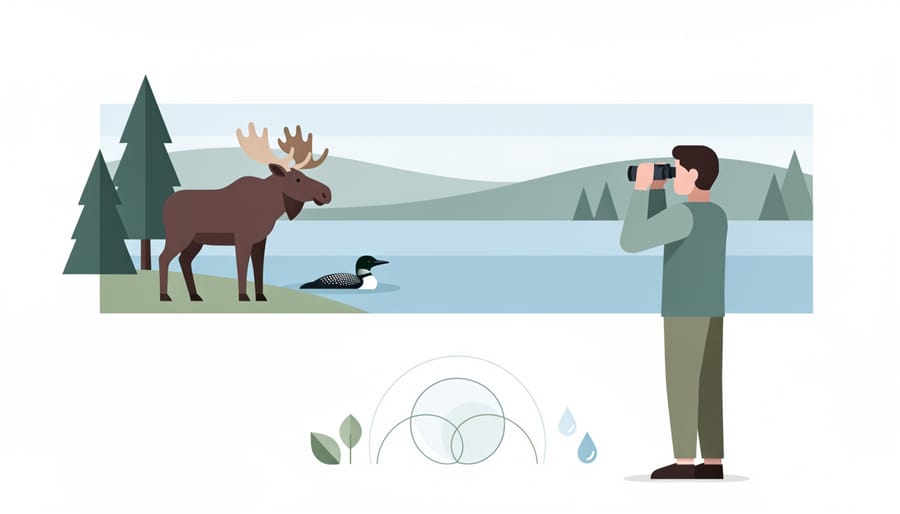
Visitors to Ontario’s wildlife facilities often arrive with thoughtful questions about how conservation really works, and whether it’s making a difference. Here are the answers to what we hear most often.
How successful are captive breeding programs?
Success varies by species, but many programs have prevented extinctions and restored wild populations. In Ontario, programs for species like the Eastern Massasauga Rattlesnake and Blanding’s Turtle have produced healthy offspring that thrive after reintroduction, though long-term recovery takes years of sustained effort.
Is conservation in zoos ethical?
Modern accredited facilities prioritize animal welfare with spacious habitats, enrichment activities, and veterinary care that often exceeds what’s possible in declining wild habitats. The ethical framework centres on whether captivity serves genuine conservation goals rather than entertainment alone.
What happens to animals after reintroduction?
Released animals are monitored closely through radio tracking, camera traps, and field surveys to assess survival, reproduction, and habitat use. Not every individual survives, but successful programs see establishing populations that eventually sustain themselves without human intervention.
How can I support zoological conservation in Ontario?
Choose facilities with active Species Survival Plans, participate in keeper talks and behind-the-scenes tours, and consider symbolic adoptions or memberships that fund research. Volunteering for habitat restoration days connects you directly to fieldwork supporting these programs.
Which Ontario species benefit most from these programs?
Reptiles and amphibians see significant gains, think Massasauga Rattlesnakes, Spotted Turtles, and various frog species, alongside birds like the Piping Plover and mammals such as the American Marten in northern recovery zones.
The cost question comes up frequently too. Running a professional conservation program isn’t cheap. Genetic testing, specialized diets, climate-controlled habitats, and years of post-release monitoring require substantial funding. That’s why your admission fees and donations matter so much, they’re not just supporting the animals you see during your visit, but the decades-long recovery work happening in labs and field sites across the province.
If you’re wondering about getting personally involved beyond visiting, many Ontario facilities offer citizen science opportunities. You might help monitor nesting sites, collect habitat data, or even assist with animal care under supervision. These hands-on roles give you an insider’s view of conservation work while contributing real value to ongoing projects. Check facility websites for volunteer programs, which often fill quickly due to high interest.
Zoological conservation isn’t just happening in labs and behind closed doors, it’s alive and accessible across Ontario, waiting for you to discover it. Every time you visit a facility genuinely committed to species recovery, you’re not just watching animals; you’re witnessing science in action and contributing to efforts that pull species back from the brink. The connection between conservation work and meaningful tourism creates something rare: an experience that educates, inspires, and actually makes a difference.
What makes Ontario’s approach special is how accessible these programs are. You can watch black-footed ferrets being raised for reintroduction, learn about genetic rescue projects during keeper talks, or support habitat restoration simply by choosing where you spend your tourism dollars. The facilities doing real conservation work are eager to share their stories, they want you to understand the challenges, celebrate the victories, and feel connected to species you might never encounter in the wild.
So next time you’re planning an Ontario getaway, look beyond the standard attractions. Seek out the zoos, wildlife centres, and conservation parks where your curiosity funds real research and your entrance fee helps protect biodiversity. Ask questions, take the behind-the-scenes tours, and spread the word about what you’ve learned. Conservation thrives when people care enough to show up, pay attention, and keep coming back. Ontario’s wildlife needs that kind of enthusiasm, and there’s never been a better time to explore what these dedicated facilities have to offer.





+ There are no comments
Add yours