# What Is Community Action Partnership in Ecotourism?
Community action partnerships transform how you experience Ontario’s natural spaces by connecting local residents, Indigenous communities, conservation groups, and tourism operators in collaborative efforts to protect ecosystems while creating meaningful visitor experiences. These partnerships ensure that when you explore Ontario’s trails, waterways, and wilderness areas, your tourism dollars directly support the people who safeguard these landscapes year-round.
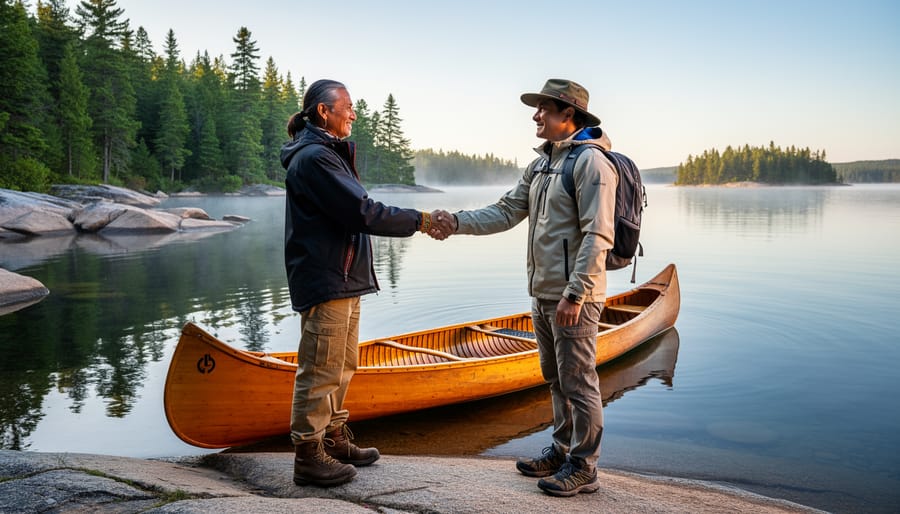
Picture arriving at a remote lake in Northern Ontario where your fishing guide is also a member of the First Nation community that has stewarded these waters for generations. The partnership between the community, environmental organizations, and tour operators means your visit funds habitat restoration, employs local residents, and preserves traditional ecological knowledge. This is community action partnership in practice—a three-way win for travelers, communities, and the environment.
Unlike traditional tourism models where profits flow to distant corporations, these partnerships keep resources circulating locally. You gain authentic experiences led by people deeply connected to the land. Communities receive sustainable income that doesn’t compromise their environment. Conservation efforts get funded through tourism revenue rather than competing with it.
Throughout Ontario, from the Bruce Peninsula to Algonquin Park, community action partnerships are reshaping ecotourism into something more purposeful. They turn passive sightseeing into active participation in conservation, cultural exchange, and community development. Understanding how these partnerships work helps you choose travel experiences that leave positive ripples long after you return home.
Understanding Community Action Partnership Basics
A community action partnership is essentially neighbors, local groups, businesses, and government coming together like a well-organized potluck dinner—everyone brings something different to the table, and the result is far better than what any single person could create alone. Think of it as collective problem-solving where the people who know a community best work side-by-side to tackle challenges and create opportunities that benefit everyone.
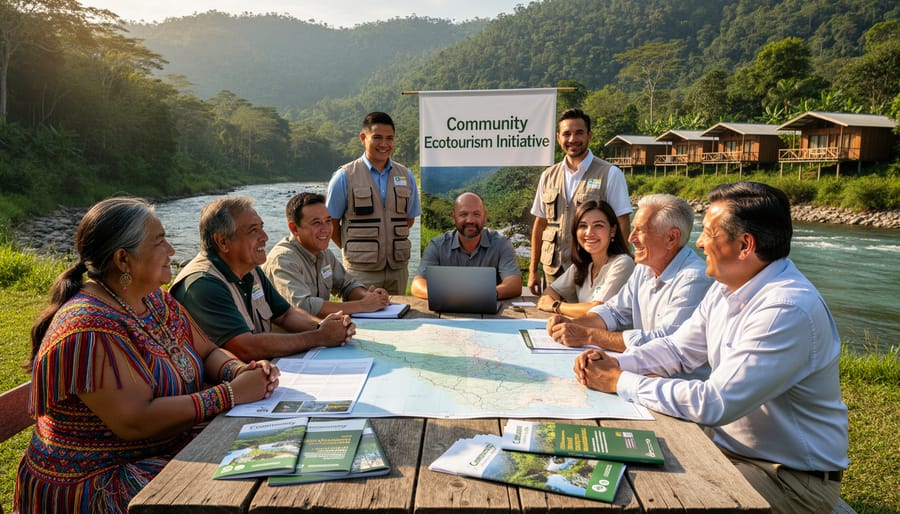
In Ontario’s ecotourism sector, these partnerships are particularly powerful. Imagine a small lakeside town where the local conservation authority, Indigenous communities, business owners, and residents join forces to protect a wetland while creating sustainable tourism opportunities. That’s community action partnership in action—multiple voices working toward shared goals that protect the environment and strengthen the local economy.
- Collaborative Governance
- A decision-making approach where community members, organizations, and government agencies share power and responsibility rather than working in isolation.
- Stakeholder Engagement
- The process of involving everyone affected by community decisions—from local shop owners to outdoor enthusiasts—in meaningful conversations and planning.
- Shared Resources
- The pooling of knowledge, funding, volunteer time, and expertise from different partners to achieve outcomes no single group could accomplish alone.
- Grassroots Leadership
- Community-driven initiatives where local residents identify needs and lead solutions, rather than having solutions imposed from outside.
The beauty of these partnerships lies in their flexibility. Whether it’s establishing a new hiking trail network, protecting wildlife habitats, or developing eco-friendly tourism programs, community action partnerships bring diverse perspectives together. A local naturalist might contribute ecological knowledge, while a business owner offers marketing expertise, and Indigenous elders share traditional land stewardship practices. When you visit Ontario’s natural spaces, you’re often experiencing the fruits of these collaborative efforts—trails maintained by volunteer groups, interpretive programs developed with local historians, and conservation initiatives funded through community fundraising.
How Community Action Partnerships Power Ontario’s Ecotourism
The Partnership Model in Action
Across Ontario, you can see how local partnerships transform ecotourism into something truly special. Take Algonquin Park, where Indigenous guides from nearby communities lead canoe trips that weave together traditional knowledge with wildlife viewing. These aren’t just tours—they’re opportunities to hear stories passed down through generations while paddling the same routes ancestors traveled for centuries.
In Bruce Peninsula National Park, community action partnerships bring together park wardens, local conservation groups, and volunteer trail stewards to protect endangered orchids while keeping trails accessible for visitors. You’ll often spot these dedicated teams doing habitat restoration work, and they’re always happy to share what they’re learning.
Down at Point Pelee, the partnership model shines during spring migration when local birding experts collaborate with Parks Canada to guide visitors through one of North America’s premier birding hotspots. The partnership includes nearby bed-and-breakfasts, eco-friendly shuttle services, and community naturalists who’ve been watching these skies for decades.
Here’s an insider tip: many of these partnership programs offer “meet the expert” evenings at visitor centers where you can chat with conservationists, Indigenous knowledge keepers, and park ecologists. It’s the perfect way to deepen your understanding while supporting sustainable tourism practices that benefit both nature and local communities.
Benefits for Visitors and Communities Alike
Community action partnerships create a beautiful win-win situation that benefits everyone involved. When you choose to visit destinations that embrace these collaborative approaches, you’re not just getting a vacation—you’re becoming part of something meaningful that enriches your experience while making a real difference.
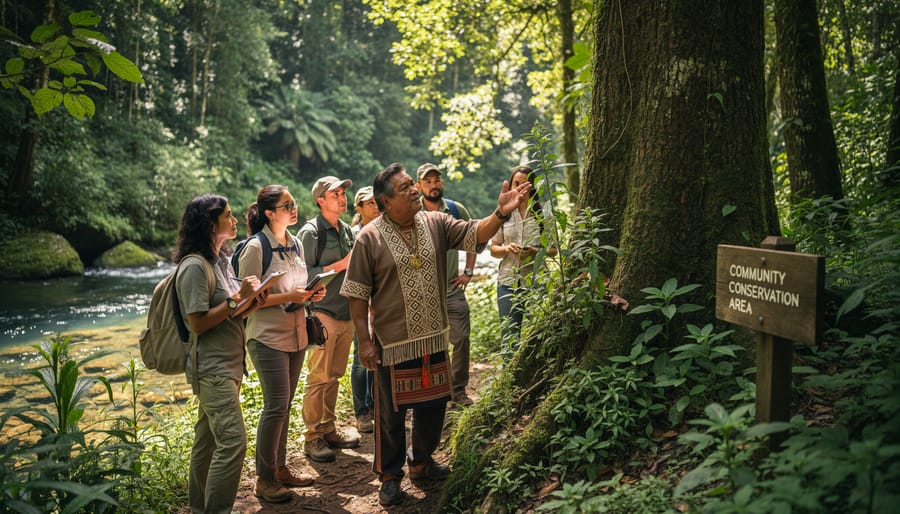
For you as a visitor, these partnerships unlock authentic experiences you simply can’t find in traditional tourism settings. Instead of observing from a distance, you’ll connect directly with locals who share their knowledge, stories, and passion for their region. Imagine learning traditional fishing techniques from someone whose family has worked these waters for generations, or discovering hidden trails that only residents know about. These genuine interactions transform a good trip into an unforgettable adventure.
- Revenue stays within local communities rather than flowing to external corporations
- Natural areas receive better protection through community-led conservation efforts
- Cultural heritage and traditional knowledge are preserved and shared authentically
- Visitors gain deeper, more meaningful connections to the places they explore
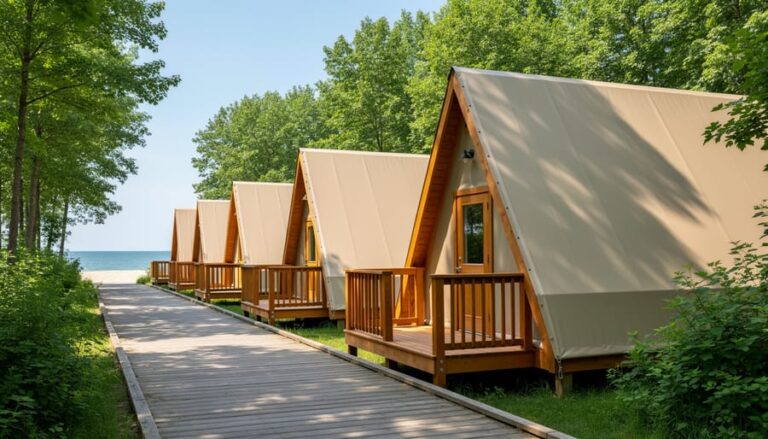
- Accommodations and services may be smaller-scale than conventional resort options
- Availability can be limited during peak seasons due to community capacity
- Some activities require more planning and advance booking
From the community perspective, these partnerships ensure tourism dollars support local families and businesses rather than distant corporations. This economic boost helps maintain vibrant rural communities across Ontario. Equally important, these collaborations fund sustainable park operations and conservation initiatives, protecting the very landscapes that draw visitors in the first place.
Here’s an insider tip: when you book locally-owned accommodations or hire community guides, ask them about their favorite spots. You’ll often discover remarkable places that never make it into guidebooks, creating those magical moments that define truly special trips while supporting the people who call these beautiful places home.
Key Players in Community-Based Ecotourism Partnerships
When you’re exploring Ontario’s natural wonders through community action partnerships in ecotourism, you’re actually connecting with a whole network of passionate people working together behind the scenes. Let me introduce you to the key players who make these sustainable travel experiences possible.
Local businesses form the backbone of these partnerships, from family-run lodges and restaurants to adventure outfitters and craft shops. They provide authentic experiences while keeping tourism dollars circulating within the community. Think of the canoe rental shop owner who’s lived by the lake for generations and knows every hidden inlet, or the café serving wild berry jam made by local artisans.
Indigenous communities play a vital role as knowledge keepers and cultural ambassadors. They share traditional practices, lead guided nature walks that reveal medicinal plants, and offer cultural experiences that deepen visitors’ understanding of the land. Their involvement ensures tourism respects sacred sites and traditional territories while providing economic opportunities for community members.
Conservation organizations bring scientific expertise and environmental stewardship to the table. They help monitor ecosystems, develop sustainable visitor guidelines, and educate tourists about protecting fragile habitats. Many offer hands-on volunteer opportunities where you can contribute to conservation efforts during your visit.
Tourism boards coordinate these diverse groups, handle marketing, and ensure quality standards. They’re your go-to resource for planning trips that support community action partnerships. Meanwhile, park managers balance visitor access with habitat protection, maintaining trails and facilities while preserving natural beauty.
Volunteer groups round out the team, organizing cleanup events, citizen science projects, and community fundraisers. As a visitor, you can join these efforts—many partnerships welcome travelers who want to give back during their stay.
Here’s an insider tip: when booking your Ontario adventure, ask tour operators which local partners they work with. The best experiences happen when everyone’s working together toward sustainable tourism that benefits both communities and nature.
Ontario Success Stories You Can Experience
Ready to see community action partnerships in action? Ontario’s parks and outdoor spaces offer some truly inspiring examples that you can experience firsthand during your travels.
Head to Bruce Peninsula National Park, where local Indigenous communities partner with Parks Canada to offer authentic cultural experiences. The Saugeen Ojibway Nation collaborates on guided hikes that weave traditional ecological knowledge with stunning Niagara Escarpment views. When you book these tours, you’re directly supporting Indigenous-led conservation efforts and helping preserve ancestral stories connected to this landscape. My friend visited last summer and couldn’t stop talking about how the experience completely changed her perspective on the land she’d hiked for years.
Over in Algonquin Provincial Park, community action partnerships take a different shape. Local outfitters work alongside park staff and environmental groups to maintain backcountry campsites and portage routes. Many of these businesses contribute a portion of their rental fees to trail restoration projects. Here’s an insider tip: book your canoe through one of the partnership-certified outfitters displaying the green paddle logo, and you’ll know your rental supports habitat protection initiatives.
The Kawartha Lakes region showcases how small communities rally together for waterway health. Cottage associations, fishing guides, and tourism operators have joined forces to monitor water quality and protect fish spawning areas. You can participate by choosing accommodations and tour operators who are partnership members. Look for properties displaying the Clean Water Coalition certification, these businesses follow sustainable practices and contribute to ongoing conservation work.
Don’t miss the emerging partnerships in lesser-known gems like Frontenac Provincial Park. Local hiking clubs have teamed up with park management to create accessible trail options while protecting sensitive ecosystems. Volunteer trail days happen monthly, and visitors are welcome to join. It’s a fantastic way to give back during your visit and meet fellow outdoor enthusiasts.
These experiences prove that community action partnerships aren’t abstract concepts but real collaborations you can witness and support. Every visit, every tour booked, every partnership-certified business you choose strengthens these vital connections between communities and the natural spaces we all cherish.
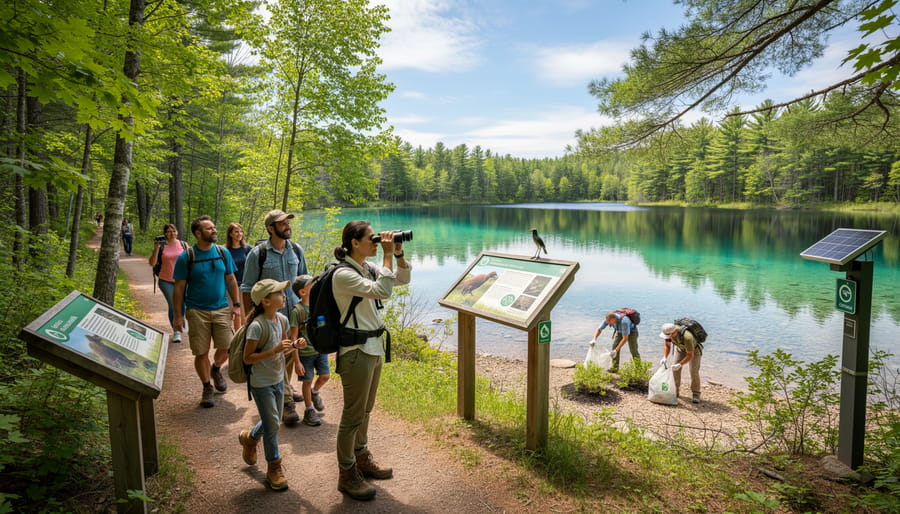
How to Support Community Action Partnerships as a Visitor
Ready to make a real difference during your Ontario adventures? Supporting community action partnerships while traveling isn’t just good for local communities—it enriches your experience too. Here’s how to ensure your tourism dollars truly benefit the people and places you visit.
Start by doing a bit of homework before you book. Look for operators who clearly explain their connections to local communities on their websites. Genuine partnerships usually feature stories about specific families, Indigenous nations, or conservation groups they work with. If a company is vague about where your money goes, that’s a red flag.
When planning your trip, follow these practical steps to identify and support authentic community action partnerships:
- Research the operator’s background and read reviews mentioning community involvement or local guides
- Ask direct questions about how much revenue stays in the community and who owns the business
- Check if Indigenous-led experiences are actually operated by Indigenous people, not just themed by outside companies
- Look for certifications from recognized ecotourism or sustainable tourism organizations
- Book directly through community-based operators rather than third-party booking sites when possible
Once you arrive, embrace responsible tourism practices by following local guidelines, respecting cultural protocols, and purchasing from community artisans and food producers. Ask your guides about their lives and communities—most love sharing their stories.
Here’s an insider tip: smaller group sizes often mean more money stays local and you’ll have richer interactions. A private canoe trip with a local guide beats a crowded tour bus every time. Don’t hesitate to ask questions about what makes the partnership work—operators proud of their community connections will happily explain their model.
So, what is community action partnership when it comes to your Ontario adventures? It’s simply the beautiful collaboration between local communities, conservation groups, businesses, and visitors like you working together to protect the natural spaces we all love. Every time you choose an eco-certified outfitter, support a locally-owned lodge, or participate in a trail cleanup, you’re becoming part of this partnership in action.
Here’s my insider tip: your next camping trip or hiking adventure can make a real difference. Look for experiences that give back to the community—whether that’s booking with Indigenous-led tourism operators, shopping at farmers’ markets near provincial parks, or choosing accommodations that employ local staff and source regional products. These choices might seem small, but collectively they strengthen the entire network of people dedicated to preserving Ontario’s wilderness.
Ready to make your next outdoor adventure count? Start by exploring partnerships already happening in your favorite regions and reduce your travel impact while you’re at it. Remember, sustainable tourism isn’t just about what you avoid—it’s about actively participating in something bigger than yourself, creating positive ripples that benefit both nature and the communities who call these spectacular landscapes home.






+ There are no comments
Add yours