
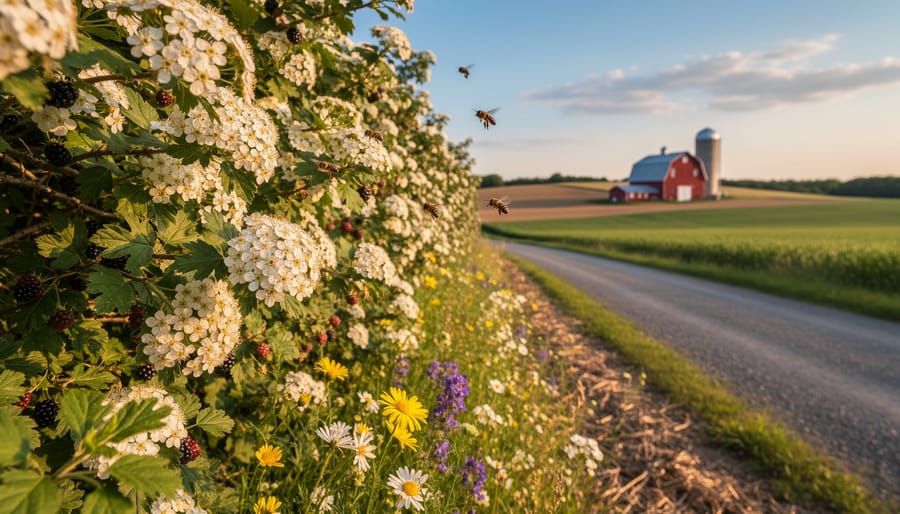
Look beyond the neat rows of crops to discover the hidden treasure tracing the edges of Ontario’s farmland: hedgerows. These living borders burst with wildflowers, buzzing pollinators, and rustling creatures that transform ordinary agricultural land into thriving ecological networks. Walk along any country road in spring and you’ll spot hawthorn blossoms attracting native bees, while summer brings blackberries ripening alongside goldfinches nesting in dense brambles.
Hedgerows function as vital wildlife corridors, connecting isolated habitat patches across cultivated landscapes. These dense strips of shrubs, trees, and wildflowers shelter fox dens, provide hunting grounds for kestrels, and offer migration stopovers for warblers traveling thousands of kilometers. A single hedgerow can support over 80 bird species and 600 plant varieties throughout the seasons.
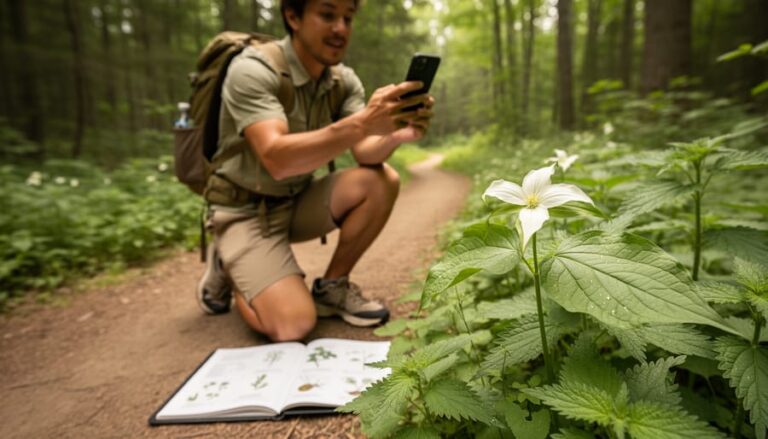
Ontario’s farmland hedgerows reveal themselves differently each season. Early morning visits in May showcase the best wildflower displays when dew still clings to trilliums and wild columbine. Autumn transforms these corridors into berry-laden buffets where you’ll spot migrating thrushes feasting before their southern journey. Winter strips away the disguise, exposing intricate branch structures and revealing how these features break harsh winds protecting both wildlife and crops.
This guide helps you identify the species calling hedgerows home, understand their ecological connections, and discover the best farmland landscapes to explore across Ontario.
What Makes a Farmland Hedgerow More Than Just a Fence
Picture this: you’re driving through Ontario’s countryside, admiring the patchwork quilt of golden fields and green pastures, when something catches your eye. Between the farmland plots, there are these beautiful, wild-looking ribbons of vegetation—dense tangles of shrubs bursting with berries, small trees swaying in the breeze, and wildflowers dotting the edges. That’s a hedgerow, and trust me, it’s so much more than a property line.
In Ontario, hedgerows are living boundaries made up of native shrubs, trees, and wildflowers that mark where one farm field ends and another begins. Unlike a simple wire fence or stone wall, these are vibrant ecosystems in their own right. Early settlers planted them to divide land and contain livestock, borrowing the tradition from European farming practices. Many of Ontario’s oldest hedgerows date back over a century, planted by hand by farming families who understood that these natural fences could do double duty.
Here’s what makes them special: while a regular fence just marks territory, a hedgerow creates habitat. It’s like building a miniature forest corridor right through agricultural land. Modern farmers maintain them not just for boundaries, but because they’ve rediscovered what their great-grandparents knew—these living fences reduce soil erosion, provide windbreaks for crops, and create homes for the birds and beneficial insects that help control pests naturally.
The best part? When you’re exploring Ontario’s farmland, these hedgerows are often accessible from roadside pull-offs, making them perfect spots for spontaneous nature watching. Bring your binoculars and camera—you never know what you’ll discover in these green corridors threading through our agricultural landscape.
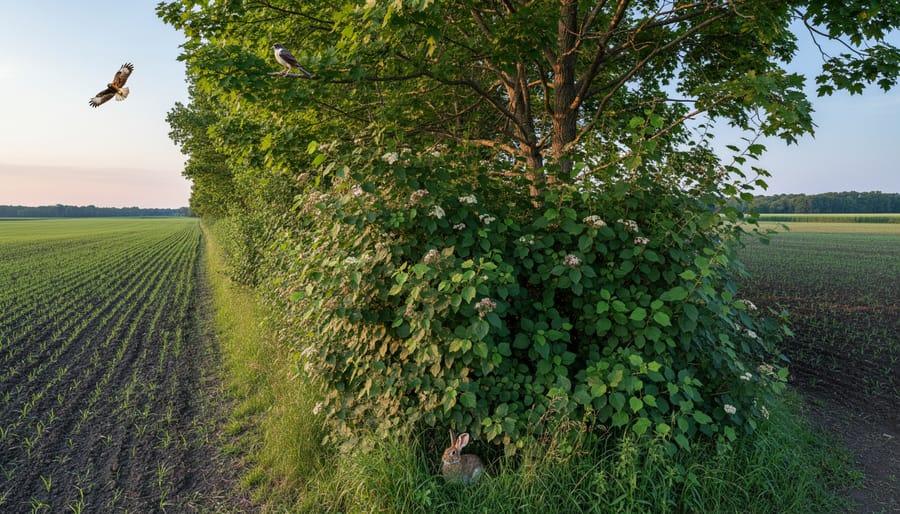
The Flora That Forms Ontario’s Hedgerow Backbone
Woody Favorites: Shrubs and Trees You’ll Spot
Walking along Ontario’s farmland hedgerows feels like stepping into a living library of native plants, each with its own story to tell. These woody wonders aren’t just pretty faces—they’re hardworking members of the agricultural landscape that keep both farmers and wildlife happy.
Hawthorn stands out as the backbone of many hedgerows, especially around the end of May when its clusters of white flowers practically glow against dark branches. Look for those distinctive thorns (they’re serious business, so keep your distance!) and small, lobed leaves. Come fall, bright red berries called haws feed everything from cedar waxwings to white-tailed deer. Farmers love hawthorn because it creates natural fencing that cattle actually respect.
Wild plum transforms hedgerows into fragrant wonderlands each April with clouds of white blossoms appearing before the leaves even emerge. The small, round fruits ripen to deep purple by late summer—if the birds don’t get them first! I’ve watched robins practically stage battles over these tart treasures.
Red-osier dogwood is your winter friend, showing off brilliant crimson stems that add colour when everything else looks drab. Its flat-topped white flower clusters in June give way to white berries that migrating thrushes devour. The stems provide flexible material farmers traditionally used for basket-weaving.
Serviceberry kicks off the blooming season in early April with delicate white flowers that look like tiny stars. The purple-black berries taste like sweet blueberries with almond hints—absolutely worth sampling a few (leave plenty for wildlife!). Indigenous peoples considered these berries so important they held ceremonies when they ripened. Today’s farmers appreciate how serviceberry stabilizes soil while providing four-season interest along field edges.
The Understory Heroes: Wildflowers and Ground Cover
When you crouch down to explore the lower reaches of a hedgerow, you’ll discover an entire world thriving beneath the shrubs and trees. This understory layer is where Ontario’s farmland landscapes truly come alive with colour and movement throughout the growing season.
In early summer, watch for the cheerful blooms of wild bergamot, with their lavender-pink crowns that look like miniature fireworks. These minty-scented flowers are absolute magnets for bees and butterflies—I’ve counted over a dozen pollinators on a single plant during peak bloom in July. Running your fingers gently across the leaves releases that distinctive bergamot fragrance, a scent you’ll start recognizing everywhere once you know it.
As summer progresses into late August and September, goldenrod takes center stage with its brilliant yellow plumes. Despite its bad reputation, goldenrod doesn’t cause allergies—that’s ragweed, which blooms simultaneously. The real story here is how goldenrod supports over a hundred species of native bees and serves as crucial late-season fuel for migrating monarchs.
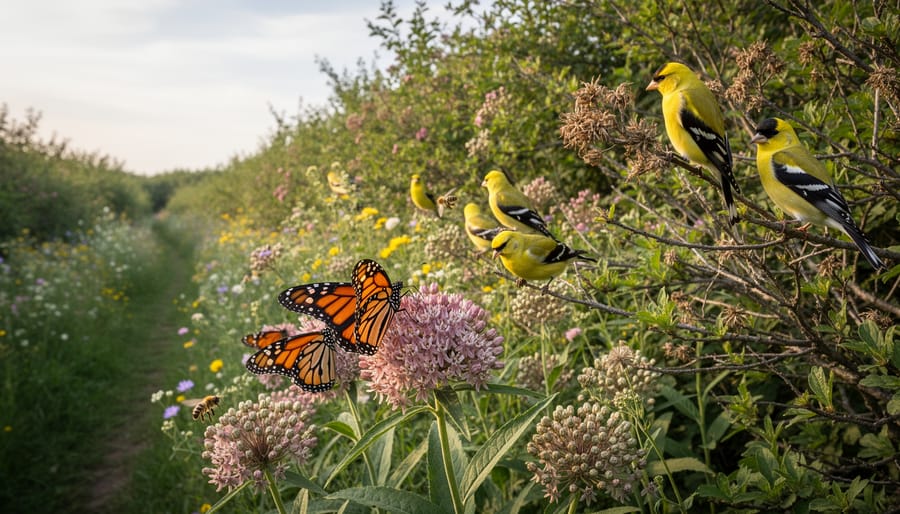
Speaking of monarchs, keep your eyes peeled for milkweed throughout summer. These plants, with their clusters of pink or orange flowers and distinctive seed pods, are the only food source for monarch caterpillars. If you’re lucky, you might spot the striped caterpillars munching away or even a chrysalis hanging like a jade jewel from a leaf.
Native grasses like big bluestem and Indian grass add texture and movement, their seed heads catching light and swaying in the breeze. By autumn, they transform into warm coppers and golds, creating that quintessential Ontario countryside aesthetic.
Insider tip: Visit in the golden hour just before sunset when the low light makes these understory plants absolutely glow.
Wildlife Guilds: Who Calls the Hedgerow Home
Songbirds and Pollinators Making the Most of Every Branch
If you’ve ever strolled past a farmland hedgerow on a June morning, you know the symphony that greets you. Gray catbirds live up to their name with their distinctive mewing calls, often hidden in dense shrubs as they forage for insects and berries. These talented mimics are hedgerow regulars from May through September, and your best chance to spot them is early morning when they’re most vocal.
American goldfinches bring splashes of sunshine yellow to the landscape, particularly drawn to thistle and sunflower seeds ripening along hedgerow edges. Watch for their distinctive bouncing flight pattern between July and October. Song sparrows, meanwhile, are the hedgerow’s year-round residents in southern Ontario, perched prominently on branches delivering their cheerful three-note introduction followed by varied trills.
But the real magic happens when you slow down to observe the smaller visitors. Native pollinators treat hedgerows like bustling highway rest stops. Native bees, including bumble bees and mason bees, work the hawthorn blossoms in spring and goldenrod blooms come fall. Monarchs pass through during their September migration, refueling on late-season wildflowers, while swallowtails dance around wild bergamot throughout summer.
Here’s an insider tip: visit hedgerows during the golden hour, that magical time just after sunrise or before sunset. The angled light illuminates pollinators beautifully, and birds are most active during feeding times. Bring binoculars and move slowly. Mid-September offers a spectacular window when fall migration overlaps with peak goldenrod blooming, creating a buzzing, chirping celebration of life that makes these humble field borders absolutely unforgettable.
Small Mammals and Helpful Predators in the Thicket
When you stroll along Ontario’s farmland hedgerows, you’re walking beside bustling highways for some pretty industrious little residents. Eastern cottontail rabbits make their homes in the dense thicket bases, nibbling on tender shoots and keeping an eye out for danger. Meadow voles scurry through underground tunnels beneath the vegetation, creating an intricate network that rivals any subway system. These small herbivores are abundant, but they’re kept in balance by nature’s own pest control team.
Red foxes patrol these hedgerow corridors at dawn and dusk, their sharp ears tuned to the slightest rustle of a vole’s movement. Short-tailed shrews, though tiny, are ferocious predators themselves, consuming insects, slugs, and other invertebrates that might otherwise damage crops. Weasels slip through the brambles with remarkable agility, hunting rodents that could become agricultural pests if left unchecked.
Here’s an insider tip: if you’re visiting farmland areas during early morning hours, watch the hedgerow edges for fox activity. You might spot one pouncing, mouse-style, on unsuspecting prey. This natural pest management saves farmers from relying solely on chemical controls, making these predators invaluable farm partners.
While hedgerow wildlife differs from Ontario’s forest wildlife, both ecosystems demonstrate how interconnected species create balanced, healthy environments. The predator-prey relationships you observe here represent centuries of ecological fine-tuning, offering fascinating wildlife watching opportunities while supporting sustainable agriculture.
The Unexpected Residents: Amphibians, Reptiles, and Insects
When you’re wandering through Ontario’s farmland hedgerows, don’t just look up at the birds—some of the most fascinating residents are right beneath your feet! These living fencerows teem with creatures that might not grab headlines but play starring roles in keeping farms healthy and productive.
Garter snakes sun themselves on warm rocks along hedgerow edges, controlling rodent populations while hunting for insects and slugs. You might spot a toad tucked under a log during the day, waiting for dusk when it emerges to feast on countless garden pests. These amphibians depend on the cool, moist shelter that dense hedgerow vegetation provides, creating essential bridges between terrestrial and aquatic ecosystems.
Ground beetles scurry through leaf litter, devouring pest larvae and weed seeds—nature’s tiny farm helpers working around the clock. Ladybugs, lacewings, and native bees find overwintering sites in hollow stems and bark crevices, emerging in spring ready to pollinate crops and control aphids.
Here’s an insider tip: visit hedgerows in early morning when dew still clings to spider webs, revealing the incredible density of these eight-legged architects. Each web represents a predator keeping insect populations balanced.
These micro-habitats within hedgerows function as wildlife corridors and refuges, proving that conservation doesn’t require vast wilderness—sometimes a simple row of native shrubs creates an entire ecosystem. Next time you explore Ontario farmland, take a closer look at these unsung heroes keeping agricultural landscapes thriving.
Why These Green Corridors Matter for Ontario’s Future
Those leafy borders threading through Ontario’s farmland are doing far more heavy lifting than you might imagine. When farmers maintain hedgerows on their properties, they’re creating green corridors that serve as wildlife highways, connecting fragmented habitats and allowing species to move safely across the landscape. I’ve watched rabbits dart between field and hedgerow, and spotted migrating warblers using these natural rest stops during their incredible journeys.
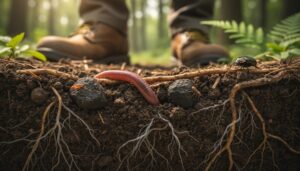
Here’s where it gets really exciting: these hedgerows are climate champions. Their deep root systems help sequester carbon from the atmosphere, storing it safely underground while simultaneously improving soil health. Those roots also prevent erosion, keeping precious topsoil where it belongs rather than washing into waterways. Speaking of water, hedgerows act as natural filtration systems, trapping runoff and pollutants before they reach streams and lakes that we depend on for recreation and drinking water.
The biodiversity boost is remarkable too. A single hedgerow can support hundreds of plant species, which in turn provide food and shelter for insects, birds, and mammals. This creates resilience in our agricultural landscapes, helping ecosystems bounce back from droughts, floods, and other climate-related challenges.
Want to support this incredible ecological work? Here’s an insider tip: shop at farmers’ markets and ask producers about their land management practices. Many farmers who maintain hedgerows are proud to share their conservation efforts. Look for farms offering tours or pick-your-own experiences where you can see these green corridors firsthand. Consider joining Community Supported Agriculture programs from farms practicing hedgerow conservation. Your food dollars become votes for biodiversity, and you’ll taste the difference that comes from land managed with nature in mind. Plus, visiting these farms makes for a wonderful day trip where education meets delicious, locally-grown rewards.
Where to Experience Hedgerow Beauty Yourself
Ready to explore Ontario’s hedgerow treasures for yourself? You’re in for a treat, and I’ve got some favorite spots to share that showcase these living corridors at their absolute best.
The scenic backroads of Prince Edward County offer some of the most photogenic hedgerows in the province. Drive along County Road 8 between Bloomfield and Wellington during late spring, and you’ll encounter centuries-old hawthorn hedges bursting with white blossoms against rolling vineyard landscapes. Pack a picnic and take your time—these country roads reward slow exploration.
For a more structured experience, head to Elora and the surrounding farmland. The countryside around Fergus features beautifully maintained hedgerows where you can spot everything from indigo buntings to fox dens. Many local farms welcome agritourists during harvest season, offering the perfect excuse to observe working hedgerows up close while supporting rural communities.
Conservation areas provide excellent hedgerow viewing too. Apps Mills Conservation Area near Brantford and Luther Marsh Wildlife Management Area both feature accessible trails alongside agricultural landscapes where hedgerows frame the scenery. Spring migration season, from late April through May, brings incredible birdwatching opportunities as warblers and thrushes use these corridors as rest stops.
Here’s an insider tip: golden hour—that magical time just after sunrise or before sunset—transforms hedgerows into photography paradise. The angled light catches dewdrops on spider webs and illuminates wildflowers in ways midday sun simply can’t match.
When visiting, remember these hedgerows are working parts of active farms. Stay on public roads and designated trails, never climb fences or disturb nesting sites, and always ask permission before entering private property. Many farmers are surprisingly enthusiastic about sharing their hedgerow stories if you approach respectfully.
Autumn offers spectacular foliage displays, particularly late September through October, when dogwoods and sumacs turn brilliant crimson. Winter reveals the architectural beauty of bare branches and makes spotting overwintering birds much easier. Whatever season you choose, bring binoculars, patience, and curiosity—these unassuming landscape features have stories worth discovering.
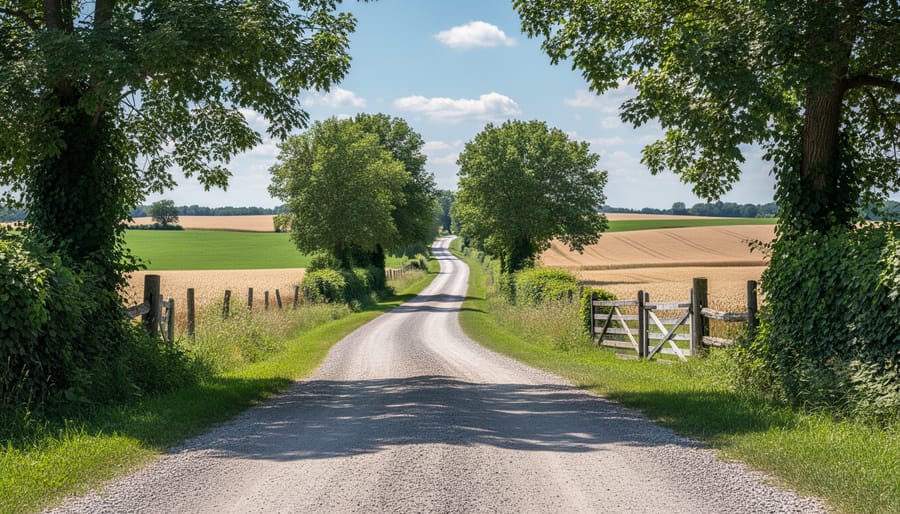
Next time you find yourself cruising past Ontario’s patchwork farmlands, resist the urge to speed toward your destination. Roll down the windows, pull over at a safe spot, and really look at those hedgerows stitching field to field. What you’ll discover is nothing short of extraordinary—a living, breathing community where white-throated sparrows serenade elderberry bushes, where red foxes patrol for meadow voles beneath dogwood branches, and where migrating monarchs refuel on milkweed before their epic journey south.
These aren’t just scenic backdrops for countryside photos. They’re critical lifelines for wildlife navigating an increasingly fragmented landscape, providing food, shelter, and safe passage through our agricultural heartland. Every hawthorn cluster supports dozens of insect species. Every bramble thicket becomes a nursery for songbirds.
As visitors and stewards of this landscape, we can make a difference. Seek out farmers’ markets featuring producers who maintain hedgerows and wildlife corridors. Support conservation organizations working to protect these vital habitats. And most importantly, approach Ontario’s farmland with fresh curiosity and wonder. The magic is there, thriving just beyond the pavement—you just need to slow down enough to see it.








+ There are no comments
Add yours