
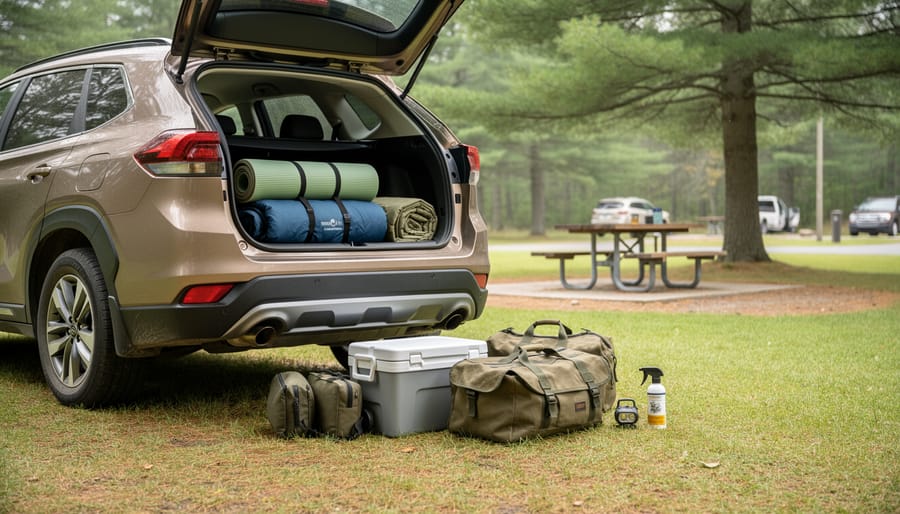
Picture this: you’ve booked your campsite, mapped your route, and loaded everyone into the car. Then someone asks, “Did we pack the bug spray?” Creating a camping packing list that actually works takes more than throwing gear into bags. You need a system that covers the essentials without turning your vehicle into a Tetris nightmare.
Over the past decade camping in Ontario’s parks, I’ve learned that successful trips hinge on three things: bringing the right gear for your specific conditions, organizing it so you can find what you need, and leaving behind what sounds useful but just takes up space. The difference between a weekend where you’re improvising shelter from rain and one where you’re cozy by the campfire? Usually about twenty items you either remembered or forgot.
This camping packing list breaks down exactly what belongs in your car, organized by category and priority. I’ve tailored it specifically for Ontario’s camping conditions in 2026, accounting for our unpredictable weather, the reality of provincial park amenities, and what actually fits in a standard vehicle. You’ll find seasonal adjustments for spring mud season versus summer heat, weight-saving swaps for backcountry trips, and eco-friendly alternatives that perform just as well as conventional gear.
Whether you’re heading to Algonquin for your first overnight or you’re a veteran camper refining your setup, having a reliable checklist prevents those 2 AM realizations that you left the can opener at home. Let’s make sure your next trip has everything you need and nothing you don’t.
Why Your Current Camping Packing List Probably Isn’t Working
I learned this lesson the hard way on a May long weekend trip to Killarney Provincial Park. I’d printed a generic camping checklist from Pinterest, ticked every box, and still ended up wearing rain-soaked jeans for two days because I’d packed summer shorts instead of proper layers. My car was stuffed with gear I never touched, yet I was missing the basics I actually needed.
Here’s the thing about most camping packing lists: they’re written for someone camping somewhere else. That comprehensive checklist covering “everything you could possibly need” doesn’t account for Ontario’s notorious weather swings. It doesn’t distinguish between pulling up to a drive-in site with electrical hookups at Pinery Provincial Park and portaging into the backcountry at Algonquin. And it certainly doesn’t warn you that blackflies in early June require a completely different bug strategy than mosquitoes in August.
The most common mistake I see Ontario campers make is treating all camping the same. They over-pack for car camping trips, hauling three coolers and a full camp kitchen when a simple setup would do. Then they under-pack for backcountry adventures, forgetting that you can’t just run back to the car for that extra tarp when the rain starts. I’ve watched friends bring space heaters to parks without electrical service and leave behind water purification systems on canoe trips where they’d actually need them.
The other trap is ignoring where and when you’re camping. A packing list that works perfectly for July in Sandbanks will leave you shivering in September at Killarney. What you need for a weekend at a frontcountry site near Tobermory looks nothing like what belongs in your pack for Temagami’s backcountry.
The solution isn’t a longer, more detailed list. It’s a smarter one that adapts to your specific Ontario camping plans.
The Foundation: What Every Ontario Camper Actually Needs
Shelter and Sleep Essentials
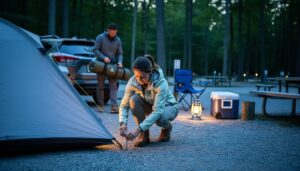
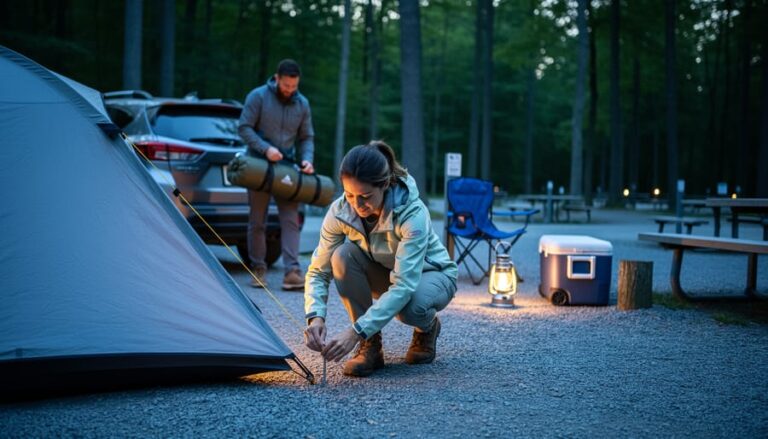
Your tent is your fortress against Ontario’s notorious weather swings, so choose one with a rainfly that extends to the ground and seam-sealed construction. I learned this the hard way during a June downpour in Killarney when my “waterproof” tent turned into a kiddie pool. For sleeping bags, look at the comfort rating, not the survival rating, a bag rated for 5°C is genuinely comfortable at that temperature, which matters when September nights dip unexpectedly. Three-season bags work for most Ontario camping from May through October.
Don’t skip the sleeping pad. It’s not about comfort; it’s about insulation from the cold ground that will suck your body heat faster than any breeze. I’ve shivered through nights with just an air mattress until I learned that closed-cell foam or insulated pads make all the difference. Finally, a ground tarp under your tent protects the floor from sharp Ontario Shield rocks and adds a moisture barrier. Footprint tarps cut to your tent’s exact size prevent water from pooling underneath during storms.
Food, Water, and Kitchen Gear
Your kitchen setup can make or break a camping trip, and I learned this the hard way during a May long weekend at Bon Echo when I realized I’d brought three spatulas but no can opener. Start with a two-burner camp stove and fuel, one pot for boiling water, one pan for cooking, and basic utensils that nest together to save space. A sharp knife, cutting board, and biodegradable dish soap are essential, along with a sponge and tea towels for cleanup.
Water management deserves serious thought. Bring enough drinking water for the first day, plus a refillable jug for campsite use. If you’re heading into backcountry areas or parks without potable water, pack a filtration system or purification tablets. I keep both in my kit as backup.
For food storage, a quality cooler with block ice lasts longer than cubes, and I pre-freeze what I can at home. In parks like Algonquin where bears are active, use the provided bear lockers or rent a bear canister for backcountry trips. Never store food in your tent, and keep scented items like toothpaste in your bear-safe storage too. Pack your meals in reusable containers rather than excess packaging to minimize waste and maximize cooler space.
Clothing for Ontario’s Mood Swings
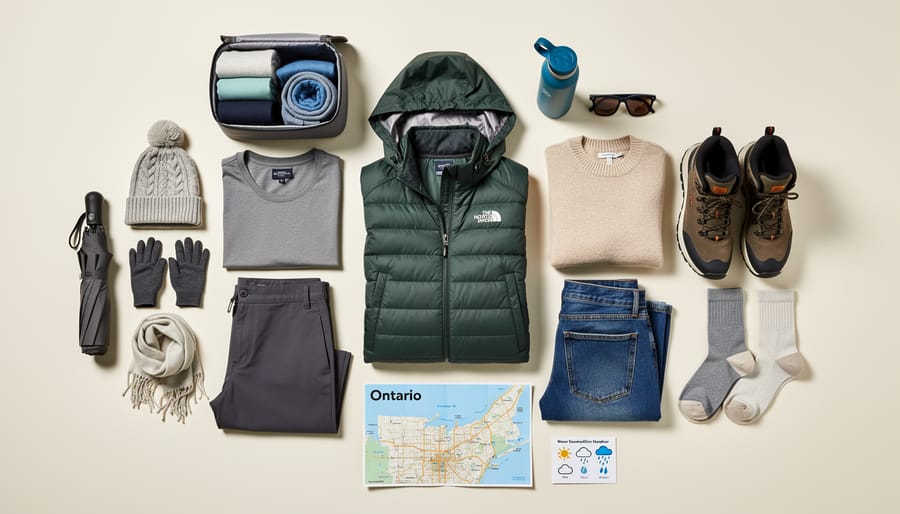
I learned this lesson on a June morning in Killarney when I woke to frost on my tent, after sweating through a 28°C hike the afternoon before. Ontario’s weather doesn’t just change between seasons; it changes between breakfast and dinner. Your clothing strategy needs to account for 20-degree temperature swings, sudden downpours, and the fact that what works in Point Pelee won’t cut it in Pukaskwa.
The solution is layering. Pack a moisture-wicking base layer (synthetic or merino wool, never cotton), an insulating mid-layer like fleece, and a waterproof-breathable outer shell. This trio handles nearly everything Ontario throws at you. Rain gear deserves special attention, a proper rain jacket and pants, not a disposable poncho. I’ve watched too many campers shiver through soggy evenings because they assumed it wouldn’t rain.
Here’s the item everyone forgets: extra socks. Pack twice as many as you think you need. Wet feet lead to blisters, cold nights, and miserable mornings. Throw in a warm hat and gloves even for summer trips to the northern parks. When the sun drops behind the pines at Lake Superior Provincial Park in August, you’ll be glad you did.
Customize Your List: Where, When, and How You’re Camping
Drive-In vs. Backcountry: Two Different Games
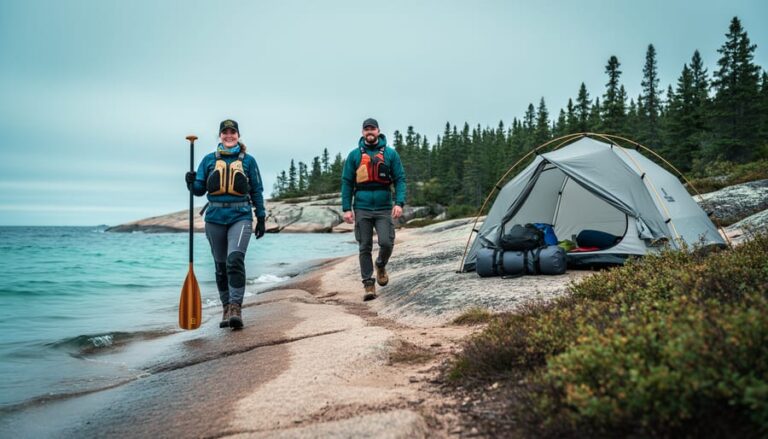
The biggest mistake I see Ontario campers make is treating every trip the same. Your car camping essentials for a weekend at a provincial park with electrical hookups look nothing like what you’d bring for a three-day canoe trip in Algonquin’s backcountry.
When you’re driving right to your site, weight isn’t your enemy, it’s actually your friend. I pack a full-size cooler, cast iron skillet, my favourite pillow, and even a small folding table. You’ve got trunk space, so use it. Comfort items that seem ridiculous for backpacking (like that camp chair with the built-in cooler) suddenly make sense when you’re not carrying them on your back.
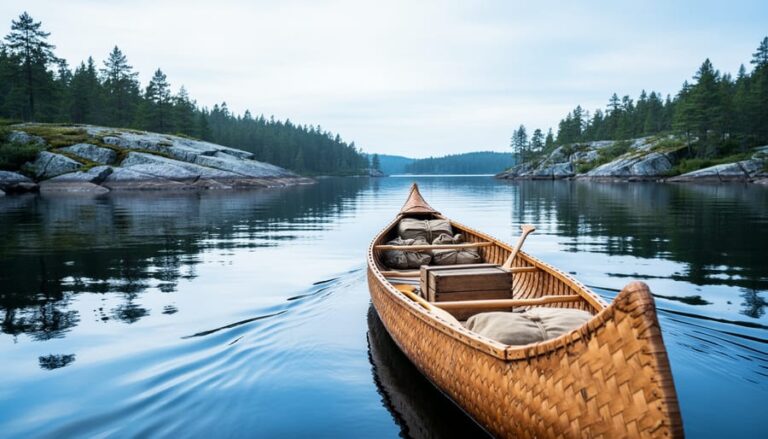
Backcountry trips demand a completely different mindset. Every item earns its spot by being lightweight and multi-purpose. Your cookware shrinks to a single pot. That cozy fleece blanket stays home in favour of a compact sleeping bag. Portaging a canoe 1.5 kilometres changes your relationship with gear real fast, I learned this the hard way on my first Killarney trip when I packed like I was car camping.
| Category | Drive-In Approach | Backcountry Approach |
|---|---|---|
| Cookware | Full set, cast iron optional, multiple pots | Single lightweight pot, titanium utensils |
| Shelter | Larger family tent, screen room, canopy | Ultralight 2-person tent under 2kg |
| Seating | Padded chairs, table, hammock | Sit pad or your sleeping pad |
| Cooler | Full-size with ice for days | None, bear canister or barrel only |
The golden rule: if you’re portaging or hiking it in, everything gets weighed and justified.
Seasonal Adjustments for Ontario Camping
Ontario’s weather doesn’t read the calendar. I’ve sweated through May mornings in Algonquin that felt like July, then shivered through August nights at Killarney that demanded a winter sleeping bag. Your camping packing list needs to account for these swings, not trust the season alone.
Spring camping (late April through June) means two words: bugs and rain. Pack a head net and bug spray with at least 30% DEET, blackflies peak in May, mosquitoes in June. I learned this the hard way at Bon Echo, where I forgot my bug jacket and spent an entire evening hiding in my tent. Bring a rain fly that extends well beyond your tent footprint and extra tarps for your cooking area. Mornings can dip near freezing, so a sleeping bag rated to 0°C handles the variability. Waterproof bags for your gear are non-negotiable; spring trails stay muddy for weeks.
Summer (July-August) flips the script to sun and heat management. Wide-brimmed hats, high-SPF sunscreen, and lightweight, breathable clothing move to the top of your camping packing list. At Sandbanks or any park with exposed sites, shade structures make the difference between enjoying your trip and counting down the hours until you can leave. Pack extra water containers, you’ll drink twice what you expect. A portable fan for your tent isn’t luxury; it’s sleep insurance during those humid weeks.
Fall camping (September-October) requires serious warmth planning. Temperatures can swing 20°C between afternoon and night. Layer aggressively: thermal base layers, insulating mid-layers, and a proper winter jacket for evenings. Upgrade to a three-season sleeping bag rated to -7°C, and throw in a liner for extra warmth. I’ve watched campers at Frontenac shiver through dinner in their summer gear, insisting it’s “only September.” Ontario fall doesn’t care about your optimism.
The Overnight vs. Week-Long Difference
Here’s my question: for a three-day canoe trip in Algonquin, do you pack three times the socks you’d bring for one night? Not quite. Trip duration changes quantities, not categories, you’ll still need the same basic gear, just more fuel, food, and maybe an extra set of clothes.
For an overnighter, you can get away with one dinner, one breakfast, and a single canister of fuel. Pack clothes for the conditions, plus one backup set. You won’t need to overthink it because you’ll be back at your car in 24 hours. I’ve done countless overnight trips with just a daypack, minimal food, one change of base layers, and I’m good.
Week-long trips require multiplication: calculate meals per day, add 20% extra fuel (cold mornings burn more), and bring at least two full clothing changes. Consider resupply options if you’re near a park store or passing through a town midway. In places like Killarney or Algonquin’s longer routes, some paddlers cache food at designated spots or plan routes that loop past outfitters.
The real difference isn’t what you pack, it’s how much. Your camping packing list stays the same, you just scale the consumables.
The Safety and Navigation Essentials You Can’t Skip
I’ve carried a first aid kit on camping trips for years, but I didn’t realize how incomplete mine was until a friend sliced her hand opening a can at our campsite near Bon Echo. We had bandages but no proper wound closure strips, no tweezers for the metal fragment, and our pain relief had expired two years earlier. That night taught me that camping safety gear isn’t just about checking boxes on a generic list.
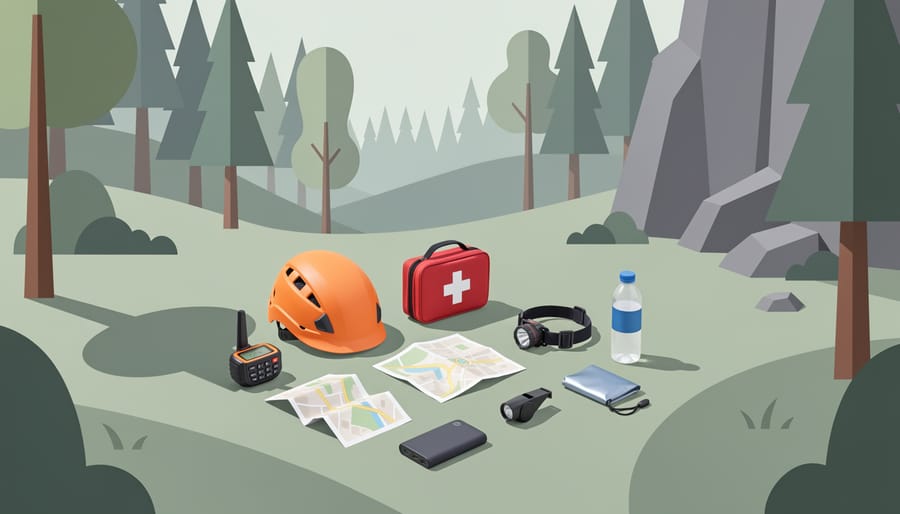
Your first aid kit needs wound care supplies (gauze, closure strips, antiseptic), medications (pain relief, antihistamines, anti-diarrheal), blister treatment, and tweezers. Include any personal medications and know where the nearest hospital is relative to your campsite. In backcountry areas, that might be hours away.
For navigation, your phone isn’t enough. Cell service disappears quickly once you leave highway corridors in Ontario parks. Carry a physical map of your park, a compass you actually know how to use, and consider a GPS device for longer backcountry trips. I keep maps in a waterproof case after learning this lesson during a rainstorm in Killarney.
Fire safety means a bucket or collapsible container for water, and never assume your site will have one. For bear safety in parks like Algonquin, bring rope for hanging food (unless bear lockers are provided), bear spray if you’re comfortable using it, and know proper food storage protocols. A whistle and headlamp with fresh batteries round out your safety essentials.
The Eco-Friendly Camper’s Packing Strategy
Packing sustainably doesn’t mean sacrificing convenience, it just means making smarter choices that align with Leave No Trace principles. I switched to reusable silicone bags for snacks and leftovers years ago, and they’ve outlasted dozens of trips while eliminating the mountain of plastic baggies I used to haul out.
Swap single-use items for durable alternatives: cloth napkins instead of paper towels, beeswax wraps instead of plastic wrap, and metal or bamboo utensils rather than disposables. For washing up, choose biodegradable soap and carry it at least 70 meters from water sources (Ontario parks are strict about this, and for good reason). Pack a small mesh bag for wet waste and a separate container for food scraps so nothing ends up buried or scattered.
Your camping packing list should include dedicated waste management supplies: trash bags for everything you bring in, a small trowel for human waste in backcountry areas, and ziplock bags for packing out used toilet paper. Many Ontario parks don’t have waste disposal at every site, so assume you’re carrying everything out.
When buying new gear, prioritize quality over quantity. One well-made tent that lasts ten years beats three cheap ones that end up in landfills.
The Comfort Items Worth Their Weight (and the Ones That Aren’t)
After years of camping across Ontario, I’ve learned that comfort items fall into two camps: the ones I’d never leave behind and the ones that made exactly one trip before being banished to the garage.
Let’s start with what actually earns its space. A good camp chair transforms your entire experience. I resisted buying one for years, thinking the picnic table bench was fine, but sitting by the fire in a proper chair changed everything. Hammocks are similar winners if you’re at a treed site, offering the perfect afternoon reading spot between hikes. A quality headlamp with a red light setting is another non-negotiable for me now. That red mode preserves your night vision and doesn’t blind your tent-mates when you need a midnight bathroom run.
- Camp chairs provide comfortable seating around the fire and make meal times far more enjoyable
- Hammocks offer a lightweight rest spot that doesn’t require flat ground
- Headlamps with red light preserve night vision and reduce campsite disturbance
- Insulated mugs keep morning coffee hot through leisurely breakfast
- Bulky camping pillows take up precious space when a stuff sack of clothes works fine
- Portable speakers create noise pollution in quiet natural settings
- Camp rugs add weight and rarely stay clean past the first day
- Elaborate lantern setups are overkill when headlamps cover most lighting needs
Now for the dead weight. I once hauled a camp rug to Killarney, convinced it would make the tent feel homey. It was dirty within hours and I never brought it again. Bulky camping pillows are another offender. A stuff sack filled with your fleece works perfectly and you’re already bringing those clothes anyway. Portable speakers might seem appealing, but most Ontario parks have quiet hours for good reason, and honestly, the soundscape of the forest beats any playlist.
The key is being honest about what you’ll actually use versus what sounds nice in theory.
Your Pre-Trip Packing Routine (So You Don’t Forget Anything)
The night before your trip, spread everything out on the floor by category. I start with the big stuff, tent, sleeping bags, cooler, then move through kitchen gear, clothing, and safety items. Physically seeing your pile makes it obvious if you’ve forgotten something, and it’s way easier to spot the missing tent poles before you’re three hours north.
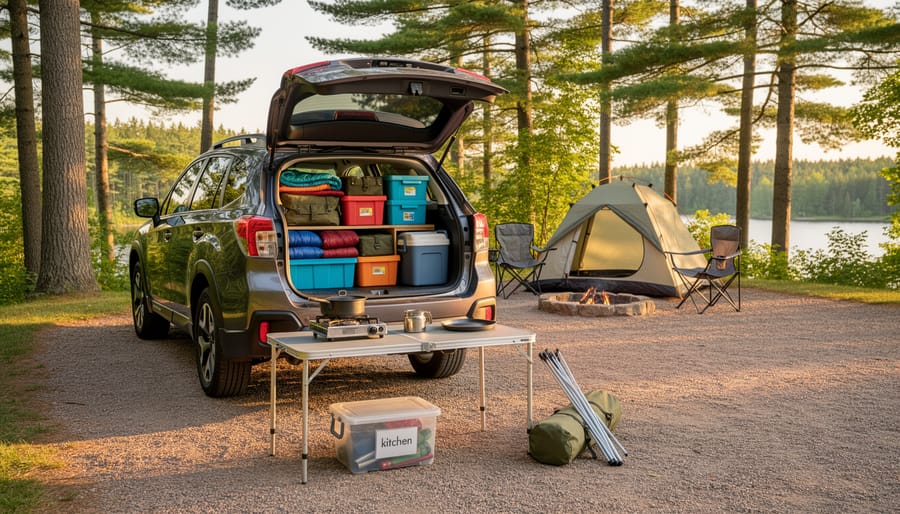
Pack your car strategically. Heavy coolers and bins go in first, closest to the axle. Things you’ll need immediately at camp (firewood, chairs, first-aid kit) stay accessible near the top or back. I learned this the hard way unloading my entire trunk at dusk to find the flashlight buried underneath everything.
Use a written camping packing list and actually check items off. It sounds obvious, but crossing things off as you load them prevents that panicky “did I pack the stove?” moment on the highway. I keep a laminated checklist in my camping bin year-round and add notes after each trip about what worked and what I forgot.
Double-check Ontario camping rules for your specific park the night before, especially if you’re visiting a new destination. Some parks have specific requirements for food storage or fire equipment that affect what you need to bring.
The morning you leave, do a final walk-through: permits printed, reservations confirmed, phone charged, and one last glance at the weather forecast.
Here’s the truth about packing for Ontario camping trips: there’s no perfect list that works for everyone, every time. Your ideal camping packing list for a May weekend at Killbear looks completely different from an October backcountry trip in Algonquin. That’s not a problem, it’s an opportunity to pack smarter.
Start with the foundation we covered, shelter, sleep system, food, water, clothing, and safety gear. Then customize based on where you’re going, when you’re heading out, and how long you’ll be there. Every trip teaches you something new: maybe you’ll discover you never use that fancy gadget, or you’ll wish you’d brought an extra pair of dry socks. That’s all part of becoming a more confident camper.
Ontario’s provincial parks are waiting for you in 2026, from the rugged shores of Lake Superior to the quiet canoe routes of Kawartha Highlands. Stop overthinking the perfect camping packing list and start experiencing these incredible places. Pack your basics, check them off systematically, and get out there. The best camping memories happen when you’re well-prepared enough to relax and actually enjoy the wilderness around you.




+ There are no comments
Add yours