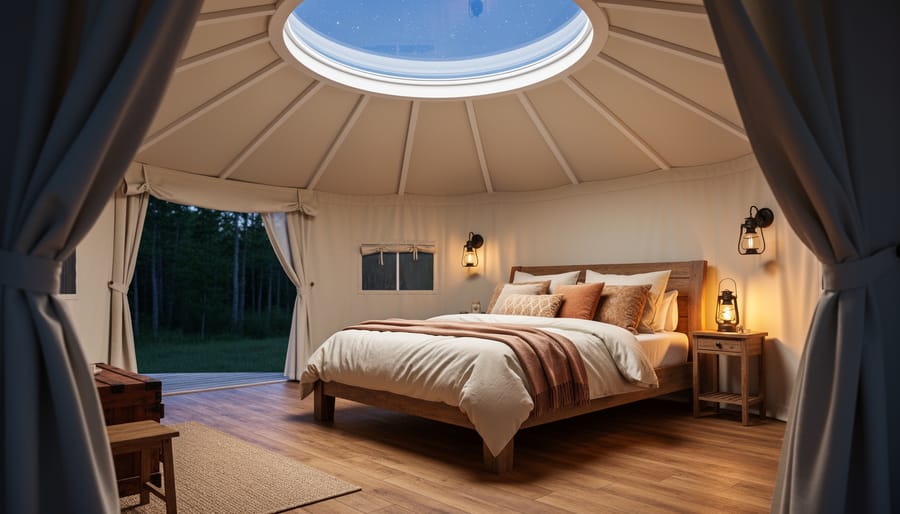
A luxury yurt is a round, canvas-walled tent-cabin with a real bed, proper heating, and the comforts of a boutique hotel room, set down in the middle of the woods. Think hardwood floors, a skylight dome for stargazing, a wood stove or electric heat, and often a private deck, hot tub, or fire pit just outside the door. You get the sound of rain on the roof without the soggy sleeping bag.
In Ontario, yurts sit in the same family as cabins, tiny homes, and glamping tents: roofed stays that let you sleep outdoors without giving up the good stuff. What sets a luxury yurt apart is the details. Think quality linens, a private bathroom or a short walk to a spotless one, a kitchenette, and a layout that feels open and calm instead of cramped.
Choosing one comes down to a few simple questions. How much privacy do you want? Which season are you visiting? What comfort features matter most to you? We’ll walk through each one below, plus a few insider tips, like asking about heating before you book a shoulder-season trip.
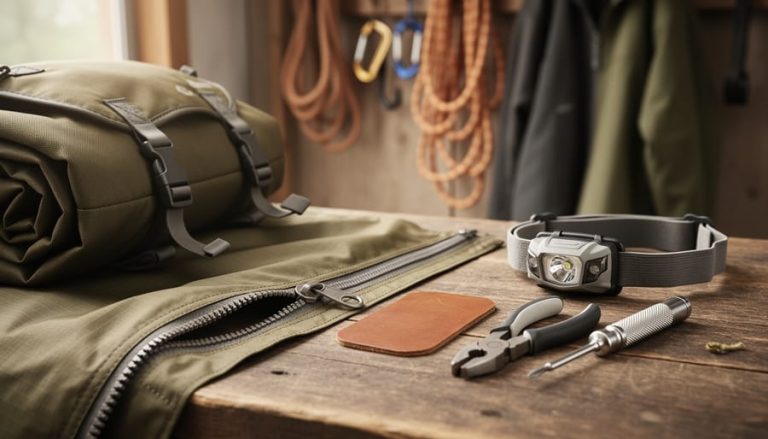
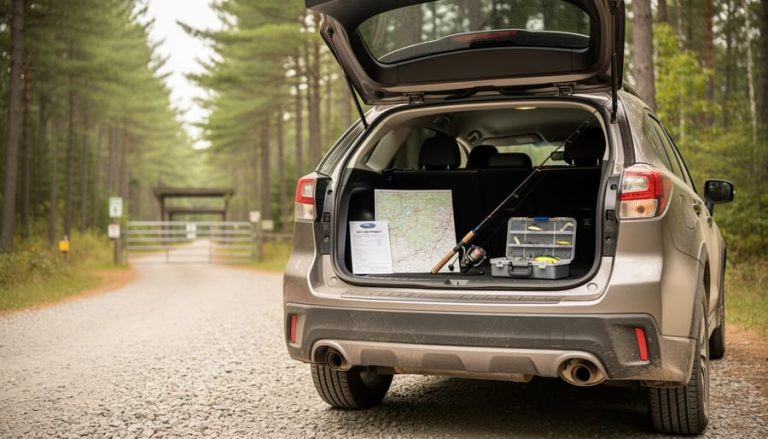
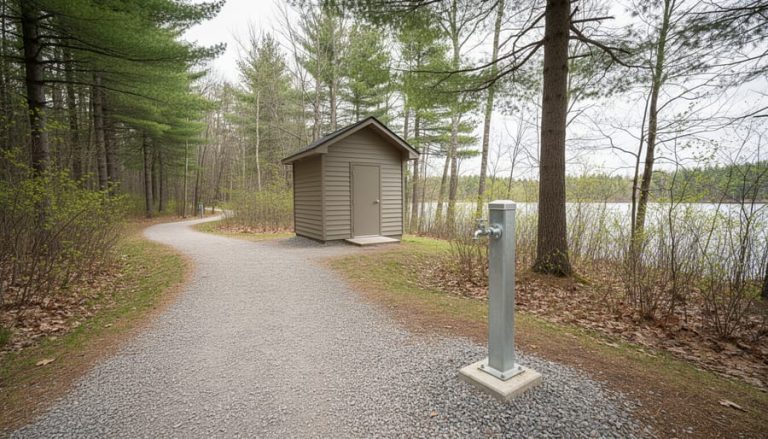
Pack a reusable water bottle and a headlamp, and you’re set. Many yurt hosts also run on solar or composting systems, so small eco-friendly habits go a long way. Photos and a map follow to help you picture your stay.
What Is a Luxurious Yurt, and How Does It Fit Among Roofed Stays?
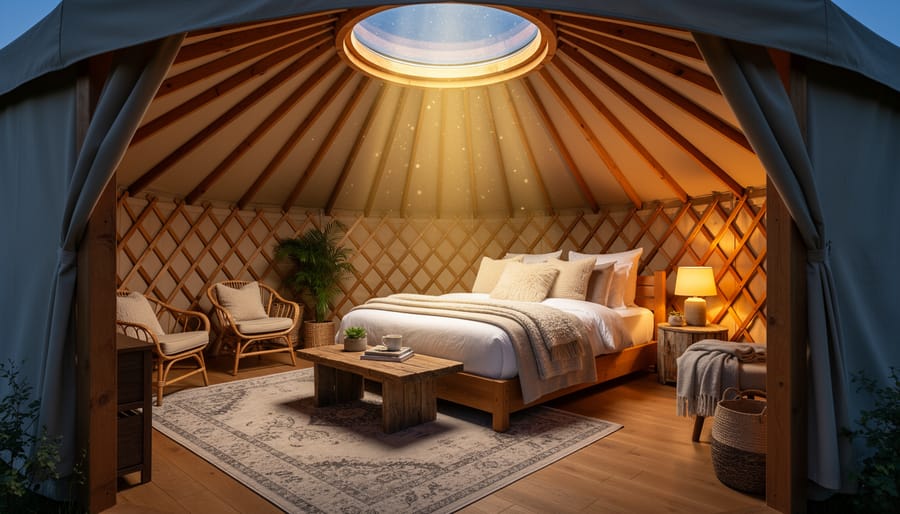
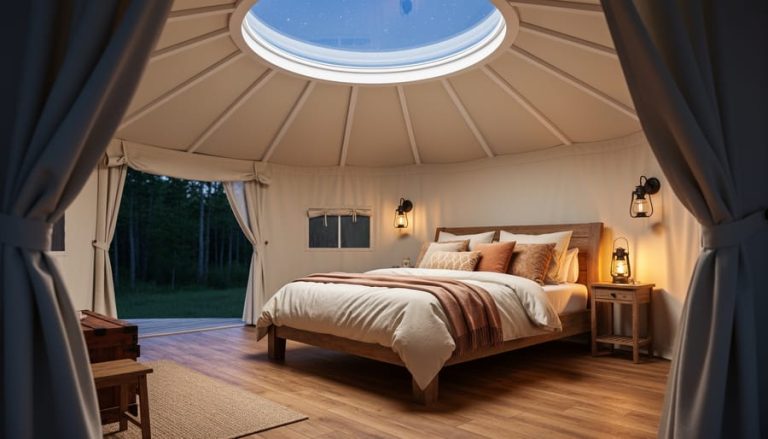
A yurt is a round, roofed shelter built on a circular lattice frame, with fabric or canvas walls and a gently domed roof. Many have a skylight right at the peak, which is the secret to that soft, glowing light inside. It looks like a tent from the outside, but it’s sturdier and far roomier, and it sits on a raised wooden floor.
A rustic park-style yurt keeps things simple: bunk beds or a futon, a table, maybe a small heater, and a short walk to a shared washroom. A luxurious yurt takes the same shape and adds the comforts you’d expect from a boutique stay, like proper mattresses, soft linens, reliable heat, good lighting, and often a private deck. Some even include a hot tub or a kitchenette. Amenities vary by location, so it’s worth confirming details with each operator.
I still remember my first time stepping inside one. I’d expected a glorified tent, but the sunlight pouring through the skylight made the whole room feel like a warm lantern. I stood there grinning, with a cozy quilt on the bed and the forest right outside the door.
(Photo suggestion: a yurt interior with the skylight glowing.)
So where do yurts fit among roofed stays? Here’s a quick side-by-side:
| Stay type | Feel | Typical comforts | Privacy level | Best suited for |
|---|---|---|---|---|
| Cabin | Traditional, solid-walled, woodsy | Beds, heat, simple kitchen or fire pit | Moderate to high | Classic getaways and cooler seasons |
| Yurt | Airy, round, close to nature | Real beds, heating, skylight, often a deck | Moderate to high | First-time campers and stargazers |
| Cottage | Home-like and self-contained | Full kitchen, bathroom, living space | High | Families and longer stays |
If you like the idea of a compact, solid-walled retreat, our guide to 1 room cabins is a great place to compare. Yurts land right in the middle, with more of an open-air feel than a cabin and a lighter footprint than a cottage.
What You Can Expect Inside: Comforts That Set Deluxe Yurts Apart
Sleeping, Heating, and Staying Cozy
The first thing you’ll notice is the bed. Most deluxe yurts come with a proper mattress, often a queen or a bunk setup for kids, plus real linens and sometimes extra blankets. Some operators include bedding, while others ask you to bring your own, so check before you pack.
Heat is where yurts really earn their comfort points. Many use a wood stove, which gives off a lovely, crackly warmth, while others rely on electric heaters or baseboard units that are easy to dial up or down. Cooler months feel cozy rather than chilly, though canvas walls are thinner than a cabin’s, so temperatures shift a little faster.
A few easy habits help. Layer your clothing and bedding so you can adjust through the night, and wear a warm hat to bed if the forecast dips. In summer, open the vents or skylight for airflow and let the evening breeze do its work. Insider tip: warm up the space an hour before bedtime, then bank the stove or lower the heater so the temperature stays steady while you sleep.
Little Extras: Decks, Hot Tubs, and Skylights
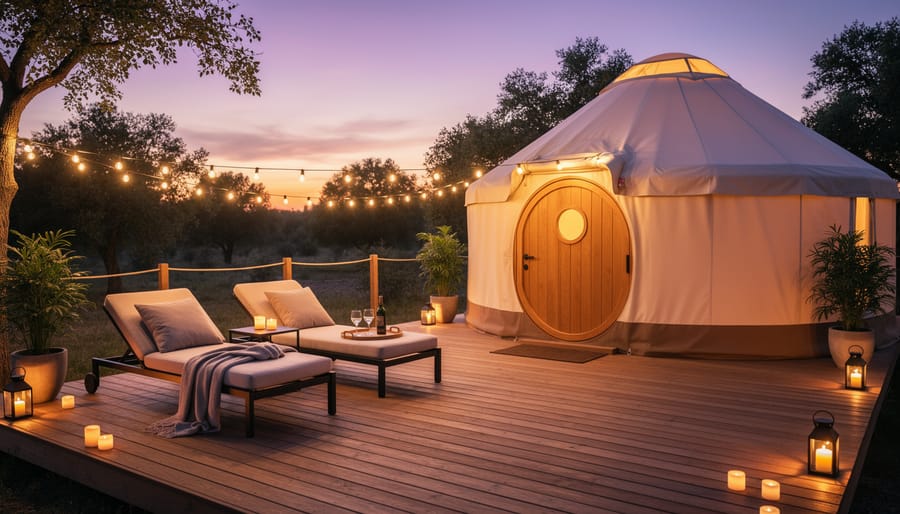
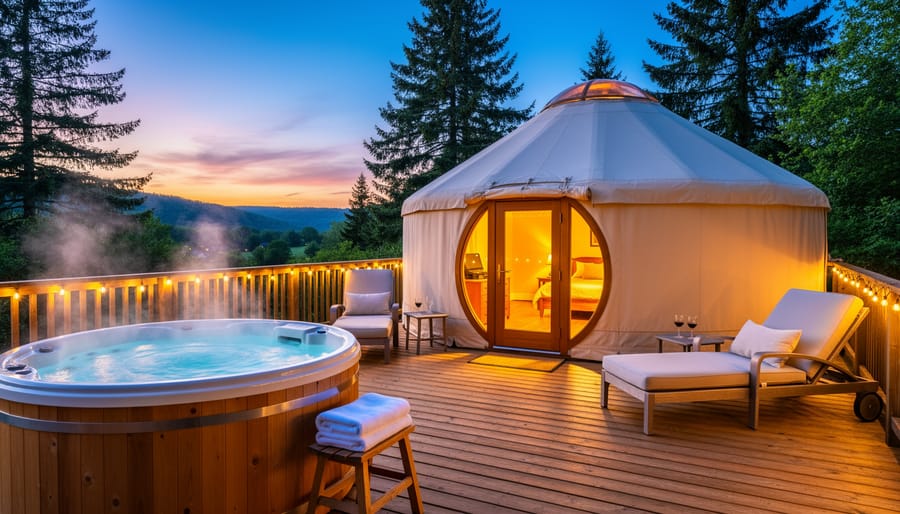
A private deck is the unsung hero of a luxurious yurt. It’s where morning coffee tastes better, where you watch loons drift by, and where the evening settles in slowly. Picture a deck at dusk, string lights just flickering on, a blanket over your knees and the forest turning blue around you. That’s the photo to take, and it’s the memory you’ll keep.
Hot tubs and saunas are the showstoppers. Soaking under a canopy of stars after a long hike is hard to beat, especially in the cooler months when steam rises into crisp air. Not every yurt has one, so confirm with the operator before you book.
Then there’s the skylight. Lying in bed watching clouds drift past by day, or constellations by night, makes the whole stay feel a little magical.
Insider tip: match the extras to your trip. Couples often lean toward a hot tub or sauna, families love a roomy deck for games and s’mores, and stargazers should prioritize a clear skylight and a quiet, low-light setting.
How to Choose the Right Yurt: What We Looked For
When we sat down to pick yurts worth recommending, we skipped the brochure photos and asked a simple question: would we want to spend a rainy weekend here? Here’s the checklist we used, and you can borrow it.
Setting and privacy. Look at how close the neighbouring yurts sit. Some spots tuck each unit into its own pocket of trees, while others line them up like cottages in a row. If quiet matters to you, check for notes about spacing.
Comfort level. Decide how much “luxury” you really want. A real bed and a heater might be plenty, or you might be dreaming of a hot tub and a kitchenette. Know your must-haves before you start comparing.
Accessibility. Check for ramps, wide doors, and the distance from parking to the door. Our guide to accessible roofed stays is a helpful place to start if mobility is a factor.
Pets and family policies. Rules on dogs, kids, and group size vary a lot, so confirm them early.
Trails, water, and shore access. Think about what you’ll do once you arrive. Being a short walk from a trailhead or the water’s edge makes the whole trip feel easier.
Booking flexibility. Peek at cancellation terms and minimum-stay rules, especially in peak season.
Insider tip: Before you book, find out exactly what’s included. Firewood, linens, towels, and cookware are provided at some places and bring-your-own at others. A quick message to the operator can save you a lot of trunk-packing, and a surprise trip to buy sheets.
Ontario Yurt Settings Worth Exploring
Ontario’s yurt stays tend to cluster in a few kinds of landscapes, and knowing the options helps you match a setting to the kind of trip you want.
Provincial park campgrounds are often the first stop for first-timers. Many Ontario Parks offer roofed accommodations tucked into campground loops, so you get trails, beaches, and ranger programs right outside your door. Picture waking up, pulling on a sweater, and walking to a quiet shoreline before the day-trippers arrive.
Forested retreats lean toward privacy. Think pine and maple woods, a small clearing, and a deck where the only sound is birdsong. These are lovely for couples or anyone craving a true digital break.
Lakeside and riverside areas add paddling, swimming, and sunset views to the mix. Some of the best settings put water within a short stroll, which makes morning coffee feel extra special.
Rural farm settings bring a gentler, pastoral mood, with open skies, fresh air, and sometimes local produce nearby.
The Frontenac area is a great example of how these landscapes blend together, with rugged Canadian Shield scenery, countless lakes, and plenty of quiet woods. If a yurt isn’t quite right for your group, it’s worth looking at nearby hotels & lodges for another comfortable base close to the parks.
Insider tip: Availability, amenities, and booking windows change from place to place and season to season, so always check the official Ontario Parks pages and each operator’s website for what’s currently offered.
A map showing Ontario’s regions with roofed-stay options would be a handy visual here, helping you spot which areas combine a yurt, a trailhead, and a lake all in one trip.
Eco-Friendly Tips for a Low-Impact Yurt Getaway
The best part of a yurt stay is how lightly it sits on the land, so a few small habits go a long way toward keeping it that way.
Start with your packing. Reusable water bottles, a cloth tote, real plates and a good insulated mug cut down on trash you’d otherwise have to haul out. Bring a small bag for your recyclables and pack out everything you pack in.
If your site allows campfires, buy firewood locally instead of bringing your own. Moving wood from far away can spread invasive pests like the emerald ash borer, so buying nearby is a simple way to protect the forest.
Inside, treat energy and water like precious things. Switch off lights when you step out, close the door quickly to hold in the heat, and keep showers short. A canvas-walled space makes you notice every resource, which is oddly satisfying.
Follow Leave No Trace principles: stay on marked paths, leave rocks and plants where you found them, and keep your voice low at dusk. Watch wildlife from a distance and store food securely. The less you disturb, the more you’ll see.
Key Takeaways Before You Book
Before you book, remember that a luxurious yurt is really about comfort layered onto a canvas-walled stay: real beds, reliable heat, and a few special touches like a private deck or hot tub. Not every yurt includes the same extras, so a quick check up front saves surprises later.
Before you hit “reserve,” confirm three things with the operator: how the yurt is heated, whether washrooms and water are on-site or shared, and what the pet and family policies are. Ask about check-in times and cancellation flexibility too. A friendly message or phone call usually gets you a clear answer, and it helps you plan a stay that feels easy from the first moment.
Luxurious Yurt FAQs
Are yurts warm in cooler months?
Many deluxe yurts come with a wood stove or electric heat, so they can stay cozy well beyond summer. Canvas walls hold less warmth than solid ones, so pack layers and ask your operator how each yurt is heated.
Do luxurious yurts have bathrooms?
It depends on the location. Some have a private washroom inside, while others share a nearby comfort station, so check the listing before you reserve.
Are yurts pet- and kid-friendly?
Policies vary a lot from one operator to the next. Many welcome families, and some allow dogs, but it’s worth confirming rules on pets, age limits, and decks or hot tubs ahead of time.
How early should I book?
Yurts are popular and there are usually only a few at each site, so it pays to book early especially for summer weekends and fall colours. Weekdays and shoulder seasons are often easier to land.
Are yurts good for first-time campers?
They’re a gentle way in. You get a real bed, a roof, and often heat, without hauling a tent or sleeping on the ground, which makes them a favourite for anyone new to the outdoors.
Whatever you’re wondering about, a quick call or message to the operator usually clears it up. Ask about what’s included, from firewood to linens, so there are no surprises when you arrive.
A luxurious yurt proves you don’t have to choose between comfort and the outdoors. You get the glow of a skylight, the hush of the forest, and a proper bed waiting after a long day on the trail. It’s one gentle way to ease into nature, especially if you’ve never slept outside before.
Yurts are just one part of the Roofed Stays family, so if canvas walls aren’t quite your style, there’s plenty more to explore. Cozy cabins and homey cottages offer their own kind of magic. Pick your favourite, pack light, and go see what Ontario has waiting.






+ There are no comments
Add yours