

Transform your first camping adventure from intimidating to incredible with precise preparation. Start by testing your tent setup at home, ensuring every pole, stake, and rainfly works perfectly. Create a comprehensive gear checklist organized by category: shelter, sleeping, cooking, and safety equipment. Master three essential camping skills before departure: fire-starting without matches, basic knot tying, and weather-reading fundamentals. Pack strategically using the layer method – heaviest items centered in your backpack, frequently needed items accessible, and weather-sensitive gear protected in waterproof bags. Consider Ontario’s diverse climate by packing adaptable clothing and equipment suitable for both warm days and cool nights. Nature beckons with endless possibilities, but success lies in methodical preparation and respect for the wilderness.
Essential Camping Gear: Your Home Away From Home
Shelter and Sleep Setup
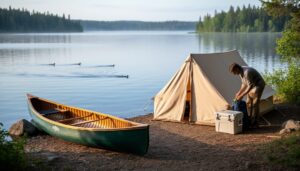
Choosing the right shelter and sleep setup is crucial for a comfortable camping experience in Ontario’s diverse climate. For three-season camping (spring through fall), opt for a waterproof tent with a sturdy rainfly and sealed seams. A good rule of thumb is to choose a tent rated for one more person than your group size to ensure comfortable space for gear storage.
When it comes to sleeping bags, temperature ratings are your best friend. For summer camping in Ontario, a bag rated for +5°C to +10°C usually suffices, but spring and fall campers should consider bags rated for 0°C or lower. Pro tip: bring a lightweight fleece liner to add warmth on unexpectedly chilly nights without investing in multiple sleeping bags.
Don’t overlook the importance of a quality sleeping pad – it’s not just about comfort, but also insulation from the cold ground. I learned this lesson the hard way during my first spring camping trip! Self-inflating pads offer a good balance of comfort and packability, while closed-cell foam pads are more affordable and virtually indestructible.
For eco-conscious campers, consider renting gear for your first few trips before making purchases. Many outdoor stores in Ontario offer rental services, letting you test different setups while reducing environmental impact. Remember to set up your tent at home before your trip – there’s nothing worse than discovering a missing pole or torn seam when you’re already at the campsite!
Camp Kitchen Essentials
A well-equipped camp kitchen makes outdoor cooking a breeze and keeps your food safe from our furry forest friends. Start with a reliable two-burner camp stove – it’s perfect for whipping up morning coffee while your pancakes sizzle away. Don’t forget to pack a fuel canister and a lighter or matches in a waterproof container!
For food prep, bring along a cutting board, a sharp knife, and a set of cooking utensils (spatula, serving spoon, and tongs are must-haves). A cast-iron pan and a medium-sized pot will handle most of your cooking needs. Pro tip: pre-measure your spices into small containers or zip-lock bags to save space and avoid lugging entire spice jars.
Keep your food fresh and secure in a hard-sided cooler – Ontario’s wildlife can be quite curious! Place ice packs at the bottom, and store raw meats separately from other foods. For dry goods, use airtight containers or hang a food bag at least 4 meters high between two trees (especially in bear country).
Clean-up is crucial, so pack biodegradable soap, a washing basin, and quick-dry towels. A collapsible water carrier will save you multiple trips to the water source. Remember to bring along reusable plates, bowls, and cutlery – they’re more eco-friendly than disposables and more durable for outdoor use.
Insider tip: Line your cooler with frozen water bottles instead of loose ice. As they melt, you’ll have cold drinking water, and your food won’t get waterlogged!
Choosing Your Perfect Campsite in Ontario

Beginner-Friendly Provincial Parks
For newcomers to camping, Ontario offers several welcoming and well-maintained provincial parks that rank among the best camping spots in Ontario. Presqu’ile Provincial Park is perfect for first-timers, featuring spacious campsites, clean comfort stations, and helpful park staff who regularly check on campers. The park’s gentle hiking trails and sandy beaches make it ideal for families.
Sibbald Point Provincial Park on Lake Simcoe is another excellent choice, offering electrical hookups and well-maintained facilities. The shallow waters are perfect for swimming, and the park store stocks camping essentials if you forget anything. Park naturalists often host educational programs about local wildlife and basic camping skills.
Six Mile Lake Provincial Park provides a more intimate camping experience while maintaining excellent amenities. Their ranger-led programs teach essential camping skills like fire starting and tent setup. Pro tip: book sites near the comfort stations for easier nighttime access, and don’t hesitate to ask staff for help – they’re there to ensure your camping experience is memorable and safe.
Understanding Campsite Types
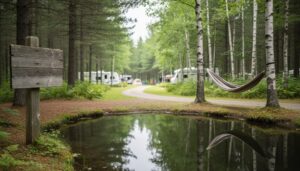
Ontario’s campgrounds offer a variety of accommodation options to suit every comfort level and camping style. For beginners, serviced campgrounds provide the perfect introduction to outdoor living, featuring amenities like electrical hookups, nearby washrooms, and designated fire pits. These sites often include picnic tables and cleared tent pads, making setup a breeze.
For those seeking a more rustic experience, unserviced sites offer a closer connection to nature while still maintaining basic amenities like shared comfort stations. These sites typically cost less and provide a more authentic camping experience, though you’ll need to be more self-sufficient.
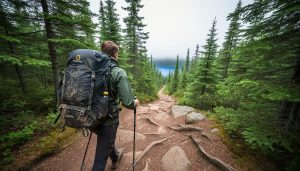
Backcountry camping takes you deep into Ontario’s wilderness, away from developed facilities. These sites require more preparation and outdoor skills but reward you with unparalleled solitude and pristine natural surroundings.
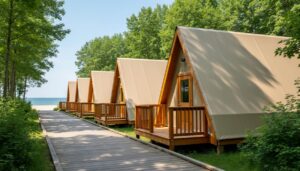
For campers wanting extra comfort, many Ontario parks now offer roofed accommodation options like yurts and cabins. These provide a cozy middle ground between traditional camping and cottage living, perfect for families or those new to outdoor adventures.
Eco-friendly tip: Regardless of your chosen site type, always practice Leave No Trace principles to help preserve our beautiful parks for future generations.
Camping Skills You Need to Know
Setting Up Camp
Selecting the perfect spot for your tent is crucial – look for level ground away from slopes and water sources. Clear the area of rocks and sticks, but avoid disturbing the natural environment too much. Pro tip: place your tent’s door facing east to catch those beautiful Ontario sunrises!
Start by laying out your groundsheet and unfolding your tent. Most modern tents are color-coded, making assembly straightforward. If it’s windy, start with the windward side first. Always secure your tent with stakes at all corners before installing the poles to prevent it from blowing away (trust me, I’ve learned this the hard way!).
Once your tent is up, organize your campsite in zones. Keep your cooking area at least 50 meters from your sleeping area to avoid attracting wildlife. Set up your food storage area even further away, preferably using a bear-proof container or hanging your food pack.
Create a designated gathering spot with camp chairs and a table if you have them. Remember to keep sustainability in mind – use existing fire pits if available, and always maintain a clean campsite. Think of your campsite as your temporary home in nature, and organize it accordingly!

Fire Safety and Management
Building and maintaining a safe campfire is both an art and a responsibility. Always check local fire regulations and obtain any necessary permits before starting a fire. Choose a designated fire pit or create one by clearing a 10-foot diameter area of leaves, twigs, and other flammable materials. Surround your pit with rocks to contain the fire.
When gathering firewood, remember the mantra “dead, down, and distant” – collect only dead wood that’s already on the ground and away from your campsite. Stack your wood upwind and keep three distinct piles: tinder (small, dry materials like paper or dry leaves), kindling (small twigs and branches), and fuel wood (larger logs).
Start small and build your fire gradually. Never use gasoline or other accelerants. Keep water and a shovel nearby for emergency extinguishing. Supervise children around the fire and establish a “fire-free zone” of 4 feet around the pit.
When it’s time to extinguish your fire, do it properly: drown the embers with water, stir the ashes, and repeat until everything is cold to the touch. Remember the camper’s golden rule: if it’s too hot to touch, it’s too hot to leave.
Remember, a well-managed campfire creates wonderful memories, while a poorly managed one can devastate the environment.
Wildlife Awareness
When camping in Ontario’s wilderness, proper wildlife awareness is crucial, especially in bear country. Always store your food in airtight containers and keep them in your vehicle or suspended at least 4 meters high between two trees, about 100 meters from your campsite. Never keep food, toiletries, or scented items in your tent – bears have an incredible sense of smell!
Make noise while hiking by chatting with companions or wearing bear bells to avoid surprising wildlife. If you spot a bear, remain calm, back away slowly while facing the animal, and make yourself appear larger by raising your arms. Most bears will avoid human contact if given the chance.
Keep your campsite clean by properly disposing of food waste in designated bear-proof containers. Cook your meals away from your sleeping area, and change out of cooking clothes before bed. For added peace of mind, carry bear spray (and know how to use it), especially when camping in Northern Ontario where black bears are more common.
Remember, most wildlife encounters can be prevented with proper preparation and awareness. By following these guidelines, you’ll help keep both yourself and our wildlife friends safe.

Weather-Ready Camping
Seasonal Packing Lists
Your camping gear needs will vary significantly with the seasons in Ontario. For spring camping, pack waterproof gear, including rain boots and a reliable tarp system, as melting snow and April showers are common. Include layers that can be easily added or removed as temperatures fluctuate.
Summer campers should focus on lightweight, breathable clothing and robust sun protection. Don’t forget insect repellent, as Ontario’s mosquitoes can be persistent! A portable fan or battery-operated misting bottle can provide welcome relief on humid days.
Fall camping requires warm sleeping bags and extra layers, particularly for nighttime when temperatures can dip significantly. Pack thermal base layers and waterproof outer shells to stay comfortable during autumn rain.
For winter camping preparation, invest in a four-season tent, extreme-weather sleeping bag, and insulated sleeping pad. Hand warmers, snow boots, and multiple pairs of wool socks are essential for enjoying Ontario’s winter wilderness safely.
Pro tip: Keep a season-specific checklist on your phone to make packing easier for future trips!
Weather Emergency Plans
Mother Nature can be unpredictable, so having a solid weather emergency plan is crucial for a safe camping experience. Always check the forecast before your trip, but be prepared for sudden changes. Pack a weather radio and download offline weather apps to stay informed about approaching storms.
Create an emergency kit with waterproof matches, emergency blankets, and extra tarps. Know where the nearest emergency shelter is at your campsite, and establish a plan with your camping group for different weather scenarios. If you hear thunder, follow the 30-30 rule: count the seconds between lightning and thunder, and stay in shelter for 30 minutes after the last thunder.
For unexpected rain, ensure your tent is properly waterproofed and pitched on higher ground. Keep essential gear in waterproof bags and have rope handy to create emergency shelter. During high winds, secure loose items and move your vehicle to a clearing away from trees. Remember, it’s always better to end a trip early than risk your safety in severe weather.
Environmental Stewardship
When camping in Ontario’s beautiful wilderness, practicing eco-friendly camping practices isn’t just responsible – it’s essential for preserving these natural spaces for future generations. I’ve learned through years of camping that leaving no trace is easier than you might think with a bit of planning.
Start by choosing biodegradable soaps and toiletries, and always use them at least 200 feet away from any water sources. Pack reusable containers and dishes instead of disposable ones – trust me, that morning coffee tastes even better in a proper camping mug that you can use trip after trip!
When setting up camp, stick to designated sites and existing fire pits. If you’re backcountry camping, look for durable surfaces like rock or packed soil for your tent. Avoid trampling vegetation, and never cut branches from living trees – there’s usually plenty of fallen wood around for your campfire needs.
Speaking of campfires, keep them small and manageable. I always bring a portable stove for cooking, which reduces my impact and works even during fire bans. Before leaving, ensure your fire is completely out – cold to the touch. A handy trick is to scatter the ashes widely and naturalize the site.
Food waste and garbage management is crucial. Store all food securely to avoid attracting wildlife, and pack out everything you bring in. I like to keep a separate bag for trash and do a final sweep of the campsite before leaving. Remember, even organic waste like apple cores should be packed out – they’re not natural to the ecosystem and can alter wildlife behavior.
Respect wildlife by maintaining a safe distance and never feeding them. Take photos instead of collecting natural souvenirs, and if you spot garbage left by others, consider picking it up – it’s a small gesture that makes a big difference. Remember, good campers leave their sites better than they found them!
Preparing for a camping adventure doesn’t have to be overwhelming. With proper planning and the right gear, you’ll be ready to embrace the great outdoors with confidence. Remember to start with the essentials: a reliable tent, appropriate sleeping gear, and cooking equipment. Always check the weather forecast and pack clothing accordingly, including those extra layers for unexpected temperature drops.
Safety should remain your top priority, so don’t forget your first-aid kit, emergency supplies, and a way to purify water. Make your campsite booking well in advance, especially during peak seasons in Ontario’s popular parks. Consider doing a backyard trial run to familiarize yourself with your equipment before heading out.
Most importantly, embrace the spirit of outdoor adventure while respecting nature. Pack eco-friendly products, follow the “leave no trace” principles, and be mindful of wildlife. Whether you’re planning a weekend getaway or an extended wilderness experience, proper preparation will ensure your camping trip creates lasting memories for all the right reasons.
So what are you waiting for? Ontario’s breathtaking wilderness is calling, and now you’re ready to answer. Happy camping!





+ There are no comments
Add yours