
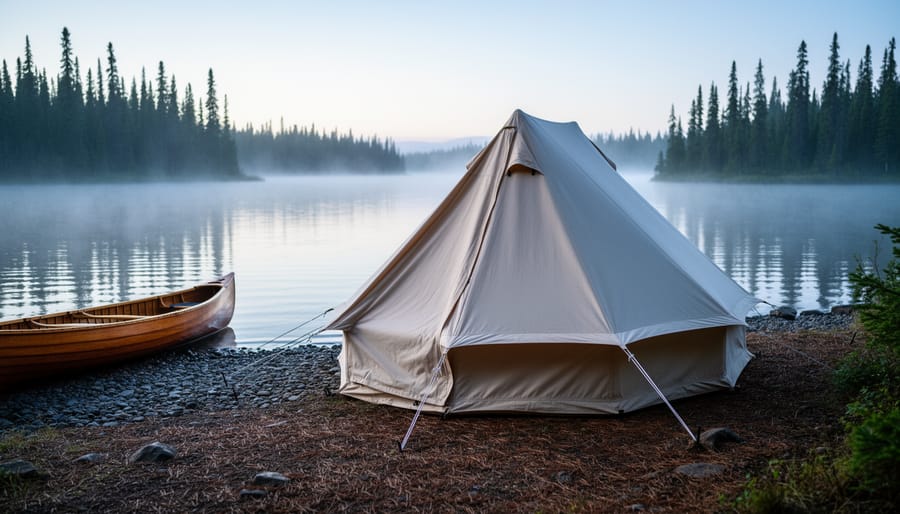
Camping in St-Félicien is easy to plan in a weekend: pick a site, book it through the official campground or park reservation system, pack a simple kit, and set up before dark. Most first-timers can go from “I’d like to try this” to a tent pitched in a few days, with no special skills beyond a little patience. The key prerequisite is a confirmed reservation, since popular sites fill up long before summer arrives.
St-Félicien sits in Quebec’s Lac-Saint-Jean region, a landscape of big water, boreal forest and wide-open skies. If you’re coming from Ontario, it’s a real adventure, and our Ontario to Quebec trip guide covers what to expect when you cross the border to camp. I like to treat the first night as a gentle test run: arrive early, take your time with the tent, and learn how your gear behaves before you need it.
This guide walks you through what to bring, how to stay safe, the order to set up camp, and a quick check before you head home. Rates, dates and amenities change, so confirm those with the official sources before you go. Along the way, I’ll share a few insider tips and easy eco-friendly habits that leave the forest just as you found it.
Why St-Félicien Is a Great Place to Learn to Camp
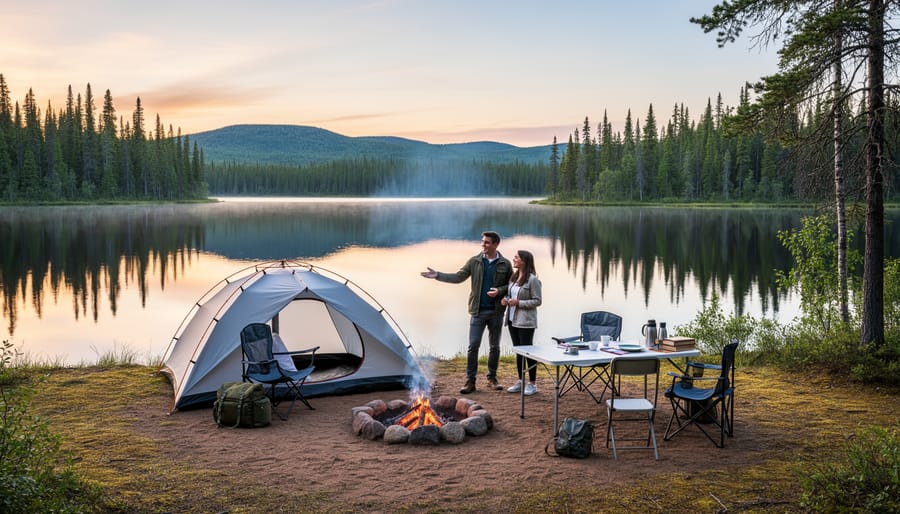
St-Félicien sits on the northwest edge of Quebec’s Lac-Saint-Jean region, where the landscape opens up into wide water, rolling farmland and the dark green edge of the boreal forest. For a first-timer, that mix is a gift. You get the feel of true northern wilderness without having to commit to a remote backcountry trip.
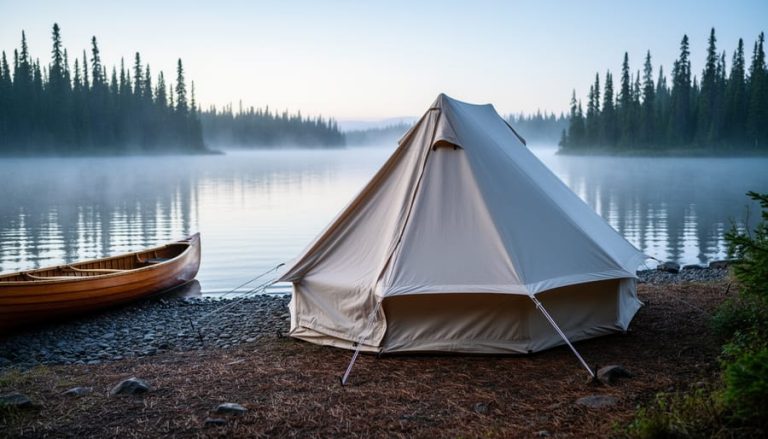
Picture waking up to mist on the lake, spruce and fir in every direction, and the quiet that only a northern morning brings. That scenery does a lot of the work for you. When the setting is this good, even a simple night of tent camping feels like an adventure.
What makes the area especially beginner-friendly is that a trip doesn’t have to revolve around the tent alone. The surrounding region offers plenty to explore, from trails and waterways to wildlife and local culture, so rainy afternoons and rest days never feel empty. That variety takes the pressure off learning your camp skills perfectly on day one.
One important habit to build early: campground options, amenities and operating seasons can change, so confirm everything directly with local operators or official tourism sources before you reserve. A quick call or email saves surprises later.
[Map: the Lac-Saint-Jean area, with St-Félicien marked]
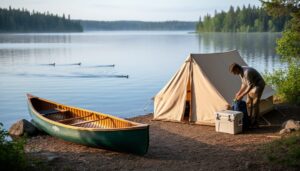
[Photo: a lakeside campsite at golden hour]
Tools and Materials: What to Pack for a St-Félicien Camping Trip
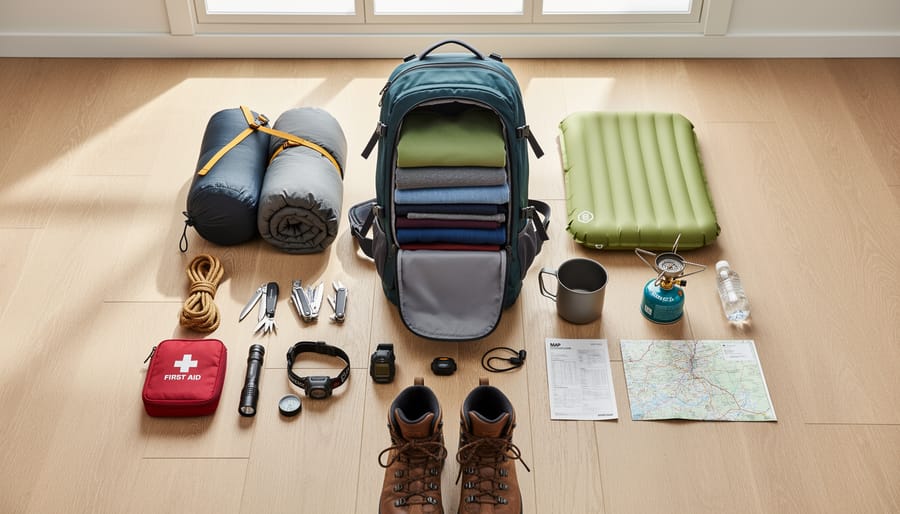
Packing for St-Félicien is easier when you think in groups instead of one long, overwhelming list. Northern weather can swing from warm afternoons to chilly, damp nights, so a little planning goes a long way.
Shelter: A three-season tent is your best bet. Pack a ground tarp to go under it, plus a second tarp to string overhead. That second one is my favourite insider tip: it gives you a dry spot to cook, play cards or wait out a drizzle.
Sleeping: Sleeping bags carry a temperature rating, which tells you the lowest temperature at which an average sleeper stays comfortable. Evenings in the north can run cool, so pick a bag rated a few degrees colder than the coldest night you expect. Add a sleeping pad, because it blocks the cold rising from the ground.
Kitchen: A camp stove, a lighter, a pot, a pan, a cooler with ice, and a basin for washing up cover most beginner meals.
Light and comfort: A headlamp beats a handheld flashlight every time. Your hands stay free for tent poles and dishes after dark.
Here’s a quick checklist to tuck into your gear bin:
- Shelter: tent, footprint tarp, rain tarp, rope, extra stakes
- Sleep: sleeping bag, sleeping pad, small pillow
- Kitchen: stove, fuel, lighter, cookware, utensils, cooler, water jug
- Clothing: rain jacket, warm layers, wool socks, a hat, sturdy shoes
- Safety and bug protection: first-aid kit, headlamp, spare batteries, insect repellent, long sleeves
- Eco-friendly extras: reusable containers, biodegradable soap, cloth towels, a trash bag for packing out
For clothing, think layers rather than bulk. A base layer, a fleece and a waterproof shell let you add or remove warmth as the day shifts. Pack an extra pair of dry socks, since cold, wet feet can ruin an otherwise lovely evening.
Bugs are part of northern camping, especially near water at dusk. Repellent, long sleeves and light-coloured clothing help a lot, and a screened shelter makes meals far more relaxing.
Small swaps also make your trip kinder to the forest. Reusable containers cut down on waste, and biodegradable soap is gentler on the soil, though you should still wash dishes well away from lakes and streams.
Choosing and Booking Your Campsite
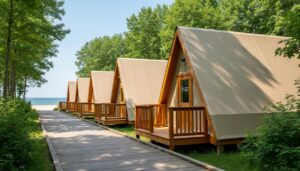
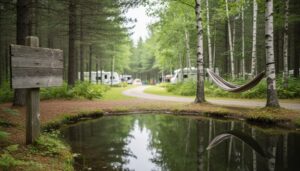
Before you reserve anything, decide what kind of camping suits your comfort level. Serviced sites offer hookups for power and sometimes water, which makes them a gentle starting point for first-timers. Unserviced sites skip the hookups but usually keep washrooms and drinking water nearby. Rustic sites are the most basic, often with little more than a flat pad and a fire ring, and they reward you with quiet and a stronger feel for the forest.
Once you have a type in mind, think about the site itself. Shade is a lifesaver on hot afternoons, but leave room for morning sun so your tent dries out after cool, damp nights. Look for level ground, and check that water won’t pool beneath your tent if it rains. Distance from facilities matters too. A spot close to washrooms is convenient with kids, while one farther back tends to feel more private. Insider tip: walk the loop before choosing, if the campground lets you, and notice how the sites sit in relation to the road and the shared spaces.
Book early, especially for summer weekends and holidays, since popular sites tend to go first. Don’t rely on assumptions about prices, rules or opening dates. Check the official campground website or the regional tourism office for current rates, reservation methods, seasonal dates and fire regulations before you commit.
Safety Warnings and Know-Before-You-Go Basics
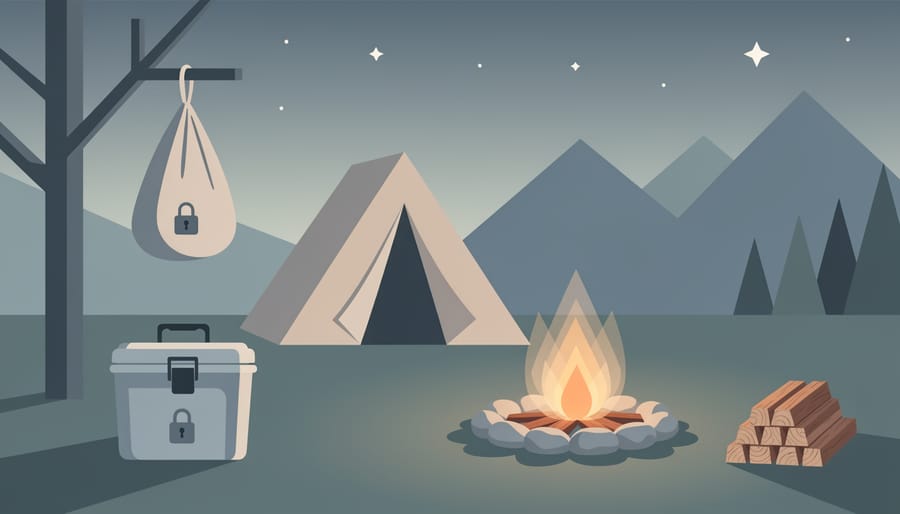
Safety is what lets you relax and enjoy the trip, so a few simple habits go a long way. Think of them as the quiet foundation under all the fun.
Start with wildlife. The boreal forest around Lac-Saint-Jean is home to animals that deserve your respect, from curious raccoons to the occasional bear. Keep your campsite tidy, store food, coolers and scented items in a locked vehicle or designated storage, and never keep snacks in your tent.
Weather in the north can change quickly, so pack layers and a rain shell, and check the forecast before you leave. For bugs, a good repellent, long sleeves at dusk and a quick tick check after hikes keep things comfortable. Near the water, stay close to shore if you’re new to paddling, wear a lifejacket, and keep a close eye on children.
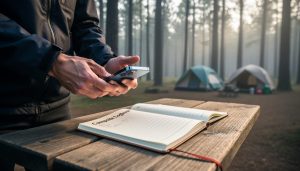
Cell coverage can be limited in some areas, so don’t count on your phone for directions or emergencies. Download offline maps and tell a friend or family member where you’re staying and when you’ll be back. Our guide to camping essentials covers the gear that makes all of this easier.
Insider tip: a small first aid kit and a headlamp cost very little and solve most small surprises. With these basics sorted, you can settle into campfire evenings with real peace of mind.
Step-by-Step: From Arrival to Your First Campfire Night
Arriving with a few hours of daylight left makes everything easier, especially the first time. Here’s the order that works for me, from the moment you pull in until the last marshmallow.
- Check in and read the site rules, including any fire restrictions posted for the day.
- Walk your site and clear away rocks, sticks and pinecones. Pick the flattest, best-drained spot for the tent, away from low areas where rain pools.
- Lay down a footprint or groundsheet, then pitch the tent and stake it firmly. Face the door away from the wind.
- Set up your camp kitchen on the opposite side of the site from your sleeping area, with the stove on level ground.
- Roll out sleeping pads, fluff your sleeping bags and tuck a headlamp where you can find it in the dark.
- Cook something simple for your first meal, like foil-packet vegetables or pasta, and store all food and scented items properly right after eating.
- Where fires are permitted and not banned, build a small fire in the existing fire ring, keep water close and never leave it unattended.
Here’s a lesson I learned the hard way: practice pitching your tent in the backyard or living room before you go. Nothing says “beginner” like wrestling poles in fading light while the mosquitoes hold a meeting around your head. One dry run, and you’ll know exactly which pole goes where.
A few eco-friendly habits keep your site beautiful for the next camper. Pack out all your trash, wash dishes well away from lakes and streams with biodegradable soap, and stick to marked paths and your own site. For fires, use only firewood bought locally or provided by the campground where required, since moving wood can spread invasive insects. Keep flames small, burn wood down to ash, and douse the fire completely before bed.
Make the Most of Your Stay: Activities Near St-Félicien
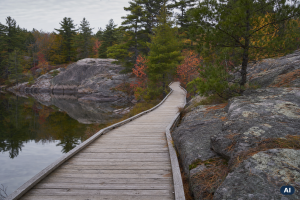
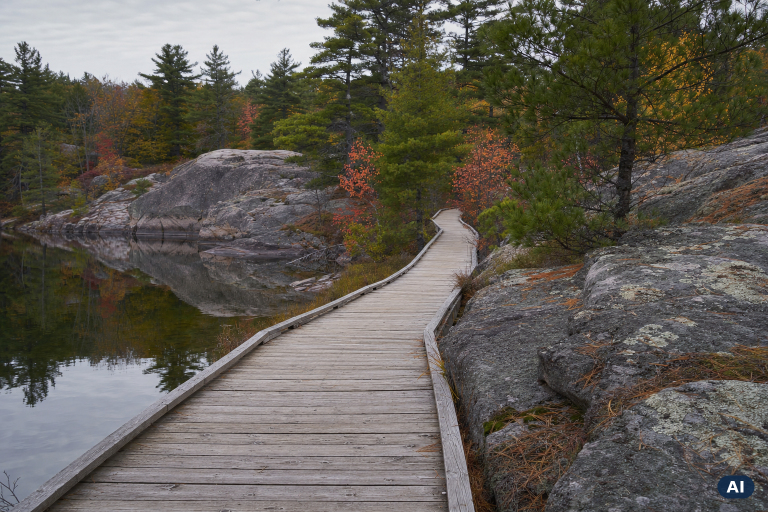
Once the tent is up, the fun really begins. The Lac-Saint-Jean region is made for slow, scenic days, so think about mixing a few outdoor activities with plenty of downtime. Hiking and walking trails are a gentle way to meet the boreal forest, while paddling a canoe or kayak on calm water gives you a front-row seat to the lake. Keep your eyes open for wildlife, too, and bring binoculars if you have them. You can also drive out to explore nearby villages and viewpoints around the lake. Since offerings, seasons and hours change, look up each activity and confirm details locally before you head out.
Insider tip: go early. Mornings are usually calmer for paddling and birdwatching, and the light is gorgeous. Then plan a lazy afternoon back at camp with a book and a hot drink. Balancing one active outing with one slow stretch keeps energy high, especially for first-timers and kids.
Photo suggestion: a quiet lake at sunrise, with a canoe resting near the shore, or a forest trail dappled with morning light.
Verification and Next Steps: Breaking Camp and Planning Your Next Trip
Breaking camp is the last skill to learn, and it matters as much as pitching the tent. Before you pull out of the site, run through this quick check:
- Confirm the fire is fully out: drown it, stir the ashes, and hold your hand near them to check they are cold to the touch.
- Walk the site and leave it cleaner than you found it, picking up even the tiny bits of litter.
- Pack out all garbage and recyclables rather than leaving them in a bag by the fire ring.
- Check the ground for tent stakes, bits of rope, and anything left behind.
- Pack your gear away dry, or hang the tent and tarp at home to air out before storing.
That last point is an insider tip worth remembering: a damp tent shoved into its bag will grow mildew fast, and you’ll smell it on your next trip.
Once you’re home and unpacked, think about what you’d like to try next. A longer stay lets you settle into a rhythm, while a different campground shows you how much sites can vary. A shoulder-season trip, with cooler nights and fewer bugs, is a great way to test your gear and your confidence. If you want to keep building your skills, our beginner camping guide is a friendly next read. Every trip teaches you something new.
Frequently Asked Questions About Camping at St-Félicien
When is the best time to go camping in St-Félicien?
Summer is the most popular season, with warm days and long daylight, but the shoulder seasons can be quiet and beautiful too. Check with local campground operators for their current opening dates before you plan.
Do I need to make a reservation?
Booking ahead is a smart habit, especially on weekends and holidays when sites fill up fast. Confirm how reservations work, and any current rates, directly with the campground or official tourism sources.
How do I deal with bugs?
Pack insect repellent, wear light long sleeves at dusk, and consider a bug jacket or screened shelter. Do a quick tick check after hikes, too.
Can I bring kids or pets?
Many campers do, and it’s a wonderful way to introduce them to the outdoors. Pet and family policies vary by campground, so ask about leash rules and any restrictions before you go.
Beginners don’t need anything fancy: a reliable tent, a warm sleeping bag, and a headlamp will carry you a long way. Rules, fire restrictions and rates can change from season to season, so always check the official campground or regional tourism pages for the latest details before you hit the road.
You’ve got everything you need to take the leap. Pick a campsite that suits your comfort level, pack smart for changeable northern weather, and keep safety front of mind so you can relax and enjoy yourself. Set up with daylight on your side, build your camp kitchen, and settle in. When it’s time to go, leave the site cleaner than you found it.
The first trip is always the hardest and the most rewarding. Soon you’ll be swapping stories around the fire and planning the next one. Welcome to camping, and enjoy every moment under those big Lac-Saint-Jean skies.


+ There are no comments
Add yours