

Planning your first camping adventure demands careful preparation of essential gear that stands between you and the elements. Pack a weatherproof tent, sleeping bag rated for local temperatures, and a reliable sleeping pad to create your home base in the wilderness. Every successful camping trip builds on three fundamental pillars: shelter, sustenance, and safety. Your shelter system protects you from weather and wildlife, while a well-stocked camp kitchen – including a reliable stove, fuel, and easy-to-prepare meals – keeps you energized. Safety equipment, including a first-aid kit, flashlight, and emergency communication device, forms your crucial backup plan. Whether you’re heading into Ontario’s pristine backcountry or setting up at a family campground, these core essentials remain unchanged, forming the foundation of every memorable outdoor experience.
Shelter and Sleep Systems
Choosing Your First Tent
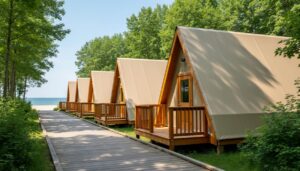
Choosing your first tent is like picking a home away from home, and getting it right can make or break your camping experience. For Ontario’s varied climate, a 3-season tent is your best bet – it’ll keep you comfortable from late spring through early fall. When sizing up, follow the “+1 rule”: pick a tent rated for one person more than your group size to ensure comfortable space for both people and gear.
Look for tents with a waterproof rainfly that extends well over the sides and a bathtub-style floor to keep you dry during those unexpected Ontario summer showers. Pro tip: set up your tent at home before heading out to familiarize yourself with the process and check for any missing pieces.
Weight matters too – if you’re car camping at provincial parks, you can opt for a heavier, more spacious tent. However, if you’re planning to backpack, look for lightweight options under 5 pounds. For extra peace of mind, grab a footprint (ground sheet) to protect your tent’s floor and extend its life. Remember, the best tent isn’t necessarily the most expensive one, but rather the one that matches your camping style and needs.

Sleep Setup Basics
A good night’s sleep can make or break your camping experience, so let’s get your sleeping setup right! Start with a quality sleeping bag rated for the season – in Ontario, a 3-season bag (rated for 0°C to 15°C) works well for spring through fall camping. Look for synthetic fills if you’re starting out, as they’re more forgiving when damp than down alternatives.
Don’t skip the sleeping pad! While that forest floor might look soft and inviting, you’ll want insulation from the ground. A closed-cell foam pad is budget-friendly and reliable, but self-inflating or air pads offer extra comfort. Pro tip: test inflating your pad at home first – you’ll thank me later!
For added comfort, bring a small camping pillow or stuff a soft jacket into a pillowcase. A cozy toque (even in summer) and warm socks can make a world of difference when temperatures drop at night. Eco-friendly camper’s tip: instead of buying special camping pillows, repurpose soft items from home that you’d already pack, like sweaters or towels, as makeshift pillows.
Food and Water Essentials
Water Storage and Treatment
Staying hydrated while camping is crucial, and knowing how to manage your water supply can make or break your outdoor adventure. For short trips, bring at least 2 liters of water per person per day, stored in durable containers like reusable water bottles or collapsible jugs. These are lightweight when empty and won’t take up much space in your pack.
For longer stays, you’ll need to know how to treat water from natural sources. I always pack a combination of water treatment methods. A quality water filter is your first line of defense – look for ones that remove bacteria and protozoa. Alternatively, water purification tablets are lightweight and reliable backups, though they can leave a slight taste.
Here’s an eco-friendly tip: instead of buying multiple plastic water bottles, invest in a good filtration system. If you’re camping near a lake or stream, bring a large water container (20L) to minimize trips to the water source. Remember to collect water upstream from any camping areas and avoid stagnant water.
For winter camping, keep your water bottles insulated and stored upside down – water freezes from the top down, so this prevents the cap from freezing shut. Smart planning with your water supply means more time enjoying nature and less time worrying about basics.
Basic Camp Kitchen Setup
A well-organized camp kitchen makes outdoor cooking both enjoyable and efficient. Start with a reliable camping stove – a two-burner propane model is perfect for most situations, offering enough space to cook multiple items simultaneously. Don’t forget to pack extra fuel!
For cookware, bring a medium-sized pot, a large frying pan, and a kettle for morning coffee or tea. A set of cooking utensils including a spatula, serving spoon, and tongs will make meal prep easier. Pack a cutting board and a good knife for food preparation, but remember to store them safely.
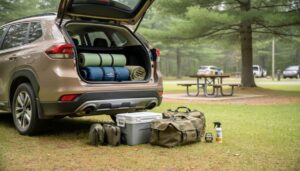
Food storage is crucial in the wilderness. Always bring a cooler for perishables, and use ice packs instead of loose ice to keep things dry. Pro tip: freeze some of your meals beforehand – they’ll help keep other items cold and be ready when you need them. For dry goods, use airtight containers or heavy-duty zip-lock bags to keep critters out.
Remember to pack biodegradable soap, a washing basin, and quick-dry towels for cleanup. A small garbage bag for food scraps is essential – never leave food waste at your campsite. Bringing along a basic spice kit and cooking oil will help you create tasty meals without hauling your entire kitchen into the wilderness.

Safety and Navigation Tools
First Aid and Emergency Gear
When it comes to camping safety, a well-stocked first aid kit is absolutely essential. Pack basic supplies like adhesive bandages in various sizes, gauze pads, medical tape, antiseptic wipes, and antibiotic ointment. Don’t forget pain relievers, antihistamines for allergic reactions, and any personal medications you might need.
Pro tip: Keep your first aid supplies in a waterproof container and store them in an easily accessible spot in your pack. I learned this the hard way when my kit got soaked during an unexpected downpour!
For emergency preparedness, always pack a flashlight with extra batteries, a multi-tool or knife, waterproof matches, and an emergency blanket. A whistle is crucial for signaling in case you get lost – the sound carries much further than your voice. Consider bringing a basic compass and a physical map of the area, even if you have a phone GPS.
Remember to familiarize yourself with basic first aid procedures before your trip, and keep emergency contact numbers handy. It’s also smart to let someone know your camping plans and expected return date.
Finding Your Way
Never underestimate the importance of knowing your way around the campground and surrounding trails. A reliable compass and detailed maps of your camping area are absolute must-haves, even in this age of smartphones. While your phone’s GPS can be helpful, batteries die and signals fail – that’s why experienced campers always pack traditional navigation tools as backup.
Keep your campsite location marked on your map and learn to identify major landmarks around you. A good tip is to take a photo of the trail map at the entrance of your camping area and save it on your phone for quick reference. When hiking, pay attention to trail markers and distinctive natural features like unique trees or rock formations.
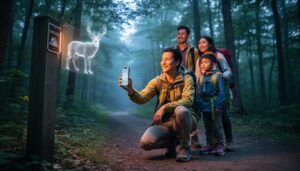
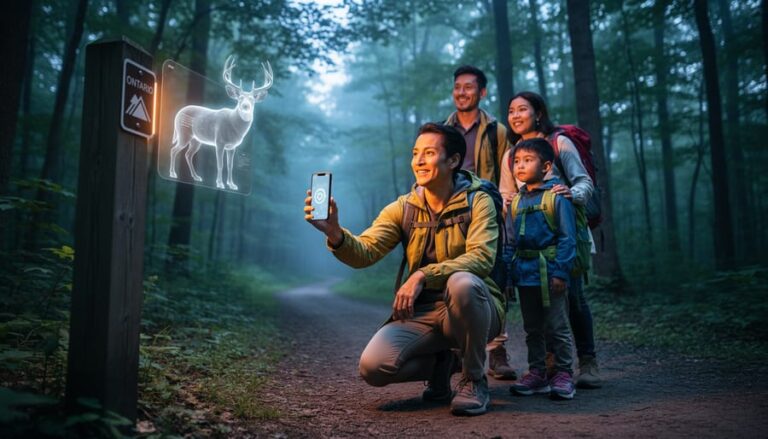
For night navigation, pack a reliable headlamp or flashlight with extra batteries. Many Ontario parks use reflective markers on trails and campground posts, which become invaluable when you’re heading back to your site after watching the sunset or using the facilities after dark.
Pro tip: Before settling in, take a short walk around your campground during daylight hours to familiarize yourself with important locations like washrooms, water sources, and the park office.
Clothing and Personal Items
Weather-Appropriate Clothing
Choosing the right weather-appropriate camping gear can make or break your outdoor adventure in Ontario. Start with moisture-wicking base layers that keep you dry and comfortable. Pack breathable, quick-drying shirts and pants, and avoid cotton which stays wet and can lead to discomfort or even hypothermia when temperatures drop.
Always bring a warm, insulating middle layer like fleece or wool, and don’t forget a waterproof outer shell to protect against rain and wind. Pack extra socks and undergarments – trust me, you’ll thank yourself later! For footwear, sturdy hiking boots with good ankle support are essential, along with camp shoes for relaxing around the site.
Remember to check the forecast before your trip and pack accordingly. Even in summer, Ontario nights can get chilly, so include a warm hat, gloves, and a cozy jacket. Pro tip: pack your clothes in waterproof bags or stuff sacks to keep them dry, no matter what Mother Nature throws your way.

Personal Care Essentials
Don’t let the wilderness cramp your style – maintaining basic hygiene while camping is easier than you think! Pack a small toiletry kit with biodegradable soap, toothbrush, toothpaste, and quick-dry towel. Hand sanitizer is your best friend at the campsite, especially before meal prep. Remember deodorant and any personal medications you might need.
Pro tip: Skip the heavy bottles and transfer your essentials into lightweight travel containers. Pack some toilet paper in a sealed bag (trust me on this one!), and bring biodegradable wet wipes for those times when a shower isn’t available. Don’t forget sunscreen and insect repellent – Ontario’s mosquitoes can be quite welcoming!
For longer trips, consider bringing a small mirror and a camping shower bag. Ladies, bring any feminine hygiene products you might need. Keep everything in waterproof bags to protect against unexpected rain or morning dew.
Embarking on your first camping adventure doesn’t have to be overwhelming. With the essential gear we’ve covered – from reliable shelter to proper clothing and safety equipment – you’re well-prepared to start making memories in Ontario’s beautiful outdoors. Remember, you don’t need to invest in everything at once; start with the basics and build your camping kit gradually. Many provincial parks offer excellent resources and learning to camp basics programs perfect for beginners. Consider joining local camping groups or borrowing gear from experienced friends for your first few trips. Most importantly, prioritize safety while embracing the joy of connecting with nature. Pack thoughtfully, respect the environment, and don’t forget to check weather forecasts before heading out. Whether you’re planning a weekend at Algonquin Park or a family trip to Killarney, having these camping essentials will help ensure a comfortable and enjoyable outdoor experience. So gather your gear, embrace the adventure, and get ready to create lasting memories under Ontario’s starlit skies.





+ There are no comments
Add yours