
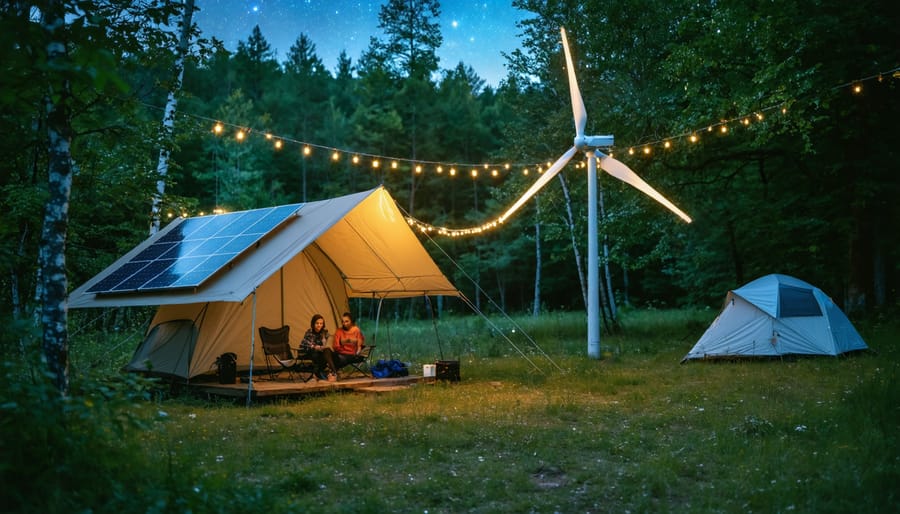
Transform your park experience with cutting-edge eco-friendly solutions that blend seamlessly into the natural environment. Solar-powered camping gear, recycled materials, and energy-efficient innovations are revolutionizing how we connect with Ontario’s wilderness while preserving it for future generations.
Start your green journey by exploring practical, tested solutions that work specifically in park settings. From portable solar panels that power your essential devices to compact composting systems that leave no trace, today’s eco-technology makes sustainable camping not just possible, but incredibly convenient.
Ontario’s park visitors are leading this environmental revolution, proving that comfort and conservation can coexist perfectly. Whether you’re a weekend camper or a seasonal park resident, implementing these green solutions helps protect our precious natural spaces while enhancing your outdoor experience.
Real-world success stories from Ontario parks demonstrate how simple changes – like using LED lighting systems, water-saving devices, and renewable energy sources – create significant positive impact. These proven solutions not only reduce your environmental footprint but also save money and improve your camping experience.
By embracing these eco-friendly innovations, you’re joining a community of conscious travelers who understand that the future of park living depends on the choices we make today. Let’s explore how these sustainable solutions can transform your next park adventure.
Solar-Powered Camping Equipment That Actually Works
Portable Solar Panels for Campsites
When exploring Ontario’s remote campgrounds, portable solar panels are game-changers for eco-conscious campers. I’ve tested several models throughout Ontario’s parks, and the Jackery SolarSaga 100W has consistently impressed me with its reliability and ease of use. It’s perfect for powering essential devices while maintaining our connection with nature.
During my latest camping trip to Algonquin, this panel powered my phone, camera, and LED lights for five full days. Even under partial cloud cover, it maintained about 60% efficiency – impressive for our variable Ontario weather! The panel folds down to roughly the size of a laptop, making it ideal for both car camping and shorter hiking trips.
For family camping, I recommend the BigBlue 28W panel, which includes multiple USB ports for simultaneous charging. Its waterproof design has proven invaluable during unexpected summer showers, and the built-in voltage regulator prevents device damage.
Pro tip: Position your panels facing south and adjust them every few hours for optimal charging. I’ve found that elevating them slightly off the ground using your camping chair helps avoid morning dew and maximizes exposure. Remember to bring a power bank – it acts as a buffer for cloudy days and ensures you’re never without backup power.
These solar solutions not only reduce our environmental impact but also provide reliable power without the noise and emissions of traditional generators. It’s a win-win for both campers and our beautiful Ontario parks.

Battery Banks and Storage Solutions
One of the biggest challenges in embracing green energy is figuring out what to do when the sun isn’t shining or the wind isn’t blowing. That’s where battery banks come in, and they’re becoming increasingly popular in Ontario’s parks and recreational areas. Think of them as your personal energy savings account – storing power when it’s abundant and delivering it when you need it most.
Modern lithium battery systems are game-changers for park living. They’re compact enough to fit in your RV or cabin while storing enough energy to power your essentials for days. Many campers we’ve talked to particularly love the Goal Zero Yeti series, which combines portability with impressive storage capacity.
For permanent installations, deep-cycle lead-acid batteries remain a cost-effective choice, though they require more maintenance. We’ve seen successful setups in Ontario’s seasonal cottages using these traditional systems, often paired with solar panels for a complete off-grid solution.
Smart battery management systems are worth the investment, as they protect your batteries and extend their lifespan. They prevent over-charging and deep discharging, which can be particularly important during Ontario’s varying seasonal conditions.
Pro tip: Consider a modular battery system that allows you to add capacity as your needs grow. Start with enough storage for essential items like lighting and small appliances, then expand when you’re ready to power more demanding devices.
Wind Energy Options for Extended Stays
Portable Wind Turbines
Imagine harnessing the power of Ontario’s breezes right at your campsite! Portable wind turbines are becoming increasingly popular among eco-conscious campers and park visitors. These compact powerhouses, typically standing between 2-4 meters tall, can generate enough electricity to charge your devices or power LED camping lights.
The best part? Many modern portable turbines fold down to the size of a camping chair and weigh less than 10 pounds. They’re perfect for setting up in open areas where wind consistently flows, like lakeside campsites or elevated grounds. Some popular models, like the WindPax Wisp and the Texenergy Infinite Air, can start generating power in winds as low as 8 mph – perfect for Ontario’s varied weather conditions.
During our test runs at various provincial parks, we found these turbines work particularly well when paired with portable solar panels, providing a reliable power solution even on cloudy, windy days. Just remember to check park regulations before setup, as some locations have height restrictions for temporary structures. For the best results, position your turbine away from trees and large obstacles, and always secure it properly with guy-lines, especially during those gusty Great Lakes evenings.

Installation Tips for Park Compliance
When installing wind energy systems in Ontario parks, it’s essential to work within established guidelines to protect our natural spaces. Start by checking with park authorities about permitted locations for portable wind turbines – most parks have designated areas away from wildlife corridors and camping zones. Keep your installation temporary and easily removable; permanent structures are typically not allowed.
Choose lightweight, collapsible systems that pack down small for transport. Most parks require wind turbines to be under 10 feet in height when deployed, and they should be properly secured with non-invasive anchoring methods like sandbags rather than ground stakes. Remember to position your turbine downwind from your campsite to minimize noise.
For optimal performance while staying compliant, set up your system during daylight hours and take it down during severe weather. Many experienced park visitors recommend using hybrid systems that combine small wind turbines with portable solar panels, providing reliable power while maintaining a minimal footprint. Always have a backup power solution ready, and be prepared to adjust your setup based on specific park ranger instructions.
Keep all wiring safely covered and marked to prevent tripping hazards for other park visitors. When in doubt, consult the park office – they’re usually happy to provide guidance on eco-friendly power solutions.
Smart Energy Conservation Techniques
LED Lighting Systems
Looking to brighten up your campsite while keeping your environmental footprint small? LED lighting systems are a game-changer for eco-conscious campers and RV enthusiasts. These energy-efficient lights use up to 90% less power than traditional bulbs while lasting significantly longer, making them perfect for extended stays in Ontario’s beautiful parks.
For your RV, consider replacing old incandescent fixtures with LED strip lights or puck lights. They’re incredibly versatile – perfect for illuminating your awning area, creating ambient lighting inside, or lighting up your outdoor cooking space. Many campers have found success with solar-powered LED string lights, which can transform your campsite into a cozy outdoor living room without drawing any power from your batteries.
Here’s a practical tip: Look for warm white LEDs (around 2700K-3000K color temperature) for a more natural, campfire-like glow that won’t disturb wildlife. Water-resistant options are essential for Ontario’s variable weather conditions, and motion-sensor LED lights can help conserve energy while providing security around your campsite.
Remember to properly dispose of your old bulbs at designated recycling facilities. Many Ontario parks now feature LED lighting throughout their facilities, and following their example can make a real difference in reducing our collective energy consumption while enjoying the great outdoors.

Energy-Efficient Appliances for Park Living
When enjoying Ontario’s beautiful parks, choosing energy-efficient appliances can make your stay both comfortable and eco-friendly. LED lanterns are a must-have, providing bright illumination while consuming minimal power. Look for models with solar charging capabilities – they’ll keep your campsite well-lit without draining batteries.
For meal preparation, consider portable induction cooktops, which use 70% less energy than traditional electric hotplates. These efficient cookers are perfect for RV camping and come with precise temperature controls. Pair them with a 12V refrigerator designed for camping – modern models can run efficiently on solar power systems while keeping your food fresh for days.
Coffee lovers, rejoice! Manual pour-over coffee makers and French presses deliver amazing brews without electricity. For those must-have morning cups, portable solar-powered kettles heat water using only the sun’s energy.
USB-rechargeable fans are another game-changer for summer camping. These compact devices run for hours on a single charge and can be powered by portable solar panels or power banks. Speaking of power banks, invest in a high-capacity one with multiple charging ports – today’s models can keep your essential devices running for days while taking up minimal space.
Don’t forget about lighting alternatives like solar-powered string lights and motion-sensor pathway lights. They create a magical ambiance while requiring zero power from your main supply.
Real Success Stories from Ontario Parks
Meet Sarah Thompson, a regular visitor to Algonquin Provincial Park who transformed her family’s camping experience with solar-powered solutions. “We started small with portable solar panels for charging our devices,” Sarah shares. “Now we’ve upgraded to a complete solar setup that powers our RV, reducing our carbon footprint while enjoying nature’s beauty.”
The Williams family from Thunder Bay discovered the perfect balance between comfort and conservation at Lake Superior Provincial Park. “Installing a mini wind turbine alongside our solar panels gives us reliable power even on cloudy days,” explains Mark Williams. “We’ve inspired at least five neighboring campers to make the switch after they saw how effectively our system worked.”
At Killarney Provincial Park, the Martinez family’s eco-journey began with a simple goal: to eliminate generator noise. “Our quiet solar setup changed everything,” says Elena Martinez. “Now we can truly appreciate the wilderness sounds while running our essential appliances. Plus, we’re saving significantly on fuel costs.”
These success stories are part of the broader green initiatives in Ontario parks that encourage visitors to embrace sustainable solutions. Long-term camper Robert Chen shares his experience at Bon Echo Provincial Park: “Using a combination of solar panels and energy-efficient appliances, we’ve created a completely self-sustainable campsite. The initial investment paid for itself within two seasons.”
The Gordon family’s tiny cabin at Presqu’ile Provincial Park showcases how green solutions can enhance the camping experience year-round. “Our solar-powered heating system keeps us cozy during shoulder seasons,” notes Jennifer Gordon. “We’ve even installed LED lighting throughout our site, powered entirely by renewable energy.”
Park staff have noticed the positive impact. “Campsites with green energy solutions tend to be more respectful of quiet hours and leave a smaller environmental footprint,” observes Park Warden Mike Peterson. “These visitors often become advocates for sustainable camping practices, sharing their knowledge with others.”
These success stories demonstrate that eco-friendly solutions aren’t just good for the environment – they’re enhancing the outdoor experience for countless Ontario park visitors while inspiring a new generation of sustainable campers.
Embracing eco-friendly solutions in Ontario’s parks isn’t just about preserving our natural wonders – it’s about creating a sustainable future for generations of outdoor enthusiasts to come. As we’ve explored throughout this guide, there are countless ways to minimize our environmental impact while maximizing our enjoyment of these pristine spaces.
Remember, every small action counts. Whether you’re switching to solar-powered lighting for your campsite, using biodegradable cleaning products, or simply practicing the “leave no trace” principle, you’re contributing to the preservation of Ontario’s magnificent park system.
The success stories we’ve shared from fellow park visitors prove that sustainable camping isn’t just possible – it’s also rewarding. From families saving money with solar panels to campers creating thriving temporary communities around shared eco-friendly resources, these experiences show how green solutions enhance rather than detract from the outdoor experience.
As you plan your next park adventure, challenge yourself to incorporate at least one new eco-friendly practice. Start small with reusable water bottles and solar chargers, then gradually expand your sustainable toolkit. Share your experiences with other campers and learn from theirs – building a community of environmentally conscious outdoor enthusiasts.
Let’s make Ontario’s parks a model for sustainable recreation. After all, protecting these natural treasures isn’t just our responsibility – it’s our privilege. Happy eco-friendly camping!







+ There are no comments
Add yours