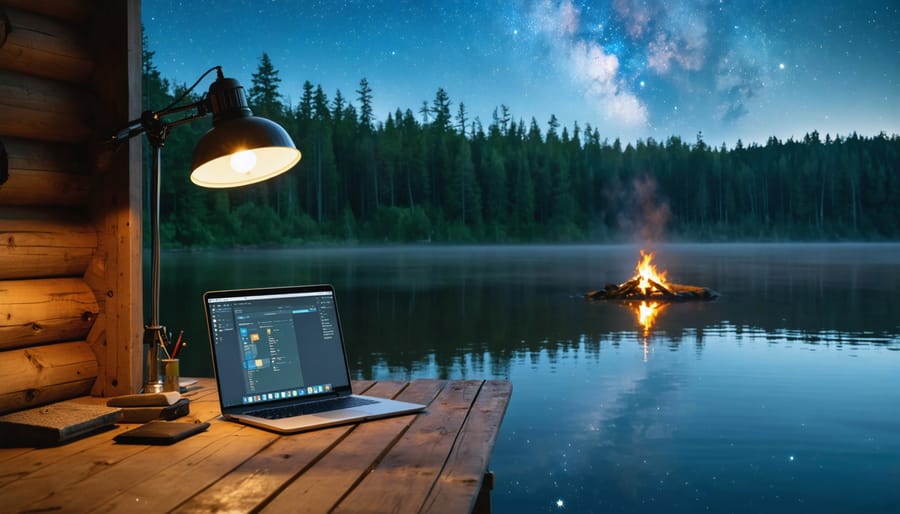
Transform your career and lifestyle by becoming a digital nomad in Ontario’s breathtaking wilderness. Remote campground positions blend the freedom of working as a remote workspace in parks with the adventure of living among towering pines and pristine lakes. Park operators now actively seek professionals who can manage reservations, coordinate site maintenance, and handle guest communications while embracing the serenity of campground living.
Picture starting your workday with sunrise views over misty waters, taking lunch breaks on scenic hiking trails, and ending your shift around a crackling campfire. These positions typically offer free or heavily subsidized accommodation, utilities included, and the unique opportunity to build a tight-knit community with fellow outdoor enthusiasts. Whether you’re a seasoned remote worker seeking a change of scenery or an outdoor professional ready to leverage your digital skills, campground remote work opens doors to an extraordinary work-life integration where nature becomes your office.
Available Remote Campground Positions
Park Interpreter and Education Roles
The digital age has transformed how parks deliver educational programming, creating exciting opportunities for remote interpreters and educators. These roles combine traditional park interpretation with modern technology, allowing staff to connect with visitors and students virtually from anywhere in Ontario.
Remote park interpreters develop and deliver online nature programs, virtual field trips, and digital workshops about Ontario’s diverse ecosystems and wildlife. Using video conferencing platforms, they bring the wonders of provincial parks directly into classrooms and homes across the province.
A typical day might involve hosting a morning webinar about local bird species, creating educational content for social media, or conducting a live virtual nature walk for school groups. These positions require strong communication skills, tech-savvy abilities, and deep knowledge of Ontario’s natural heritage.
Many parks now offer hybrid positions where interpreters split their time between on-site programs during peak season and virtual education during shoulder seasons. This flexibility allows for year-round employment while maintaining that vital connection to park life.
Pro tip: Having experience with video editing and social media management can give you a competitive edge when applying for these innovative roles.

Digital Marketing and Social Media Management
In today’s digital age, many campgrounds need savvy professionals to manage their online presence, and the best part is you can often do this work remotely. These positions typically involve managing social media accounts, creating engaging content about park activities, and maintaining the campground’s website. You might find yourself crafting Instagram posts showcasing stunning sunset views, responding to camper inquiries on Facebook, or writing blog posts about upcoming events and seasonal activities.
Digital marketers in campground settings often collaborate with on-site staff to gather fresh content and stay updated on park happenings. Your responsibilities could include email marketing campaigns, virtual tour creation, and managing online booking systems. Some positions even combine digital duties with occasional on-site work during peak seasons, offering the perfect blend of remote flexibility and hands-on experience.
The role requires strong communication skills, creativity, and an authentic passion for outdoor experiences that shines through in your digital storytelling.
Reservation System Management
One of the most sought-after remote positions in campground management is reservation system coordination. These roles combine customer service with technical know-how, allowing you to work from your cozy cabin while helping campers plan their perfect outdoor getaway. You’ll handle online bookings, respond to inquiries, and manage cancellations through digital platforms.
A typical day might involve processing reservations, troubleshooting booking issues, and providing detailed campsite information to guests. Many parks now use sophisticated booking software that can be accessed remotely, making it possible to manage multiple campgrounds from one location.
The best part? These positions often come with flexible hours and the opportunity to live on-site during peak season. You’ll need strong communication skills, basic computer literacy, and a knack for problem-solving. Previous customer service experience is valuable, but many parks provide comprehensive training on their specific reservation systems.
Pro tip: Familiarize yourself with common camping reservation platforms before applying – it’ll give you a competitive edge!
Living and Working Arrangements
Staff Housing Options
Working in Ontario’s serene remote campgrounds comes with various housing perks that make the experience even more rewarding. Most locations offer staff accommodations ranging from cozy cabins to shared dormitory-style lodging, depending on the park and position.
Typical staff housing includes basic furnishings, heating, and electricity. Many locations provide shared kitchen facilities equipped with appliances and cooking essentials. Bathroom facilities might be private or shared, depending on the accommodation type. Some parks even offer upgraded housing options for senior staff or those staying long-term.
Pro tip: While amenities vary by location, most staff accommodations include internet access for essential communications, though bandwidth might be limited. Storage space is usually compact, so pack strategically! Some parks provide laundry facilities on-site, while others may require trips to nearby towns.
The best part? Housing costs are often subsidized or included as part of your compensation package, making this an excellent opportunity to save money while living in nature’s backyard. Remember to inquire about specific housing details during your application process, as arrangements can differ significantly between parks.
Internet Connectivity Solutions
Working remotely in Ontario’s campgrounds requires reliable internet connectivity, and thankfully, many parks have embraced modern technology. The evolution of digital infrastructure in parks means you can stay connected while enjoying nature’s tranquility.
Most larger campgrounds offer Wi-Fi hotspots near visitor centers and staff accommodation areas. For remote workers, we recommend bringing a personal hotspot or mobile router as backup. Major cellular carriers like Bell, Rogers, and Telus provide decent coverage in many park areas, though signal strength can vary by location.
Pro tip: Before accepting a position, check the specific park’s connectivity options. Some remote workers successfully use satellite internet services, while others combine cellular data with signal boosters. Many parks now provide staff with dedicated internet connections in their accommodations – just ask during your interview!
Remember to download essential work files and create offline backups, as even the best connections can experience occasional disruptions during storms. Some remote workers schedule their most internet-intensive tasks during off-peak hours when network traffic is lower. Pack a portable power bank and consider a compact solar charger to keep your devices running smoothly.

Work-Life Balance in the Parks
Finding the perfect work-life balance while camping is easier than you might think. The key is establishing a routine that embraces both productivity and park life. Start your day early with a refreshing nature walk before settling into your work schedule. Create a dedicated workspace in your RV or cabin, but choose a spot with a view of the surrounding wilderness for inspiration.
Set clear boundaries between work and leisure time. When your workday ends, truly disconnect – put away your devices and immerse yourself in park activities. Take advantage of your lunch breaks to enjoy quick hiking trails or wildlife watching. Many remote workers find that breaking up their day with outdoor activities actually increases their productivity and creativity.
Remember to maintain a reliable internet connection through a mobile hotspot or the park’s Wi-Fi services. Keep a backup power source handy, and always check weather forecasts to plan your work schedule around outdoor conditions. The beauty of remote campground work is the flexibility to adjust your schedule to make the most of both your professional responsibilities and the natural paradise around you.
Benefits and Perks
Nature at Your Doorstep
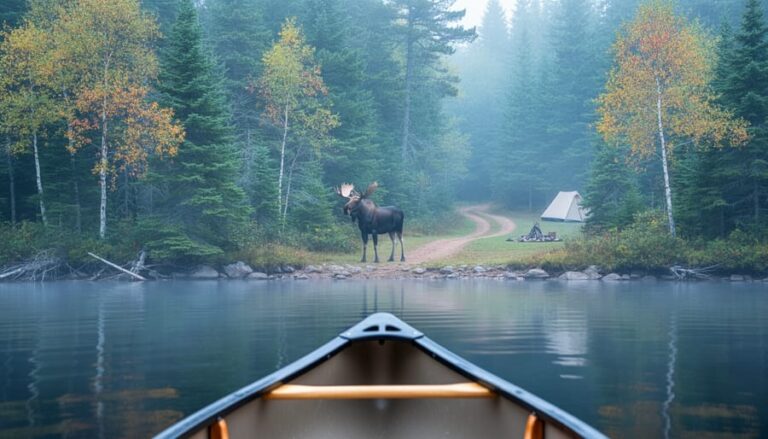
Working at a remote campground means waking up to birdsong instead of traffic noise, with nature’s wonders right outside your door. During your breaks, you can paddle across pristine lakes, spot wildlife like moose and beavers, or hit the hiking trails that begin steps from your accommodation. The lifestyle offers a unique blend of work and outdoor adventure that’s hard to find anywhere else.
Many campground workers describe magical moments like watching the northern lights dance across the sky during evening shifts or encountering deer while doing their morning rounds. Your “commute” might involve a peaceful walk through towering pines, and your lunch break could become an impromptu wildlife photography session.
The recreational opportunities are endless and vary with the seasons. Summer brings swimming, kayaking, and mountain biking. Fall offers spectacular hiking amid colorful foliage. Winter transforms the landscape into a wonderland perfect for snowshoeing and cross-country skiing. Spring brings the excitement of watching the forest come alive with returning birds and emerging wildflowers.
Best of all, you’ll have access to these activities when the parks are quietest, often before or after regular visitor hours. It’s like having your own private wilderness playground.

Professional Development Opportunities
Working at a remote campground isn’t just about the day-to-day duties – it’s a unique opportunity to develop valuable skills and advance your career in outdoor recreation and park management. Many seasonal staff members start as general maintenance workers or guest services representatives and progress to supervisory roles within a few seasons.
Professional development often includes certifications in wilderness first aid, search and rescue operations, and outdoor education programming. Park operators frequently offer training in wildlife management, environmental conservation, and interpretive program development. These skills are highly transferable and sought after throughout the parks and recreation industry.
Technology skills also get a boost, as many remote campgrounds now use sophisticated booking systems, point-of-sale software, and digital communication tools. Staff members often become proficient in radio communication, GPS navigation, and various maintenance equipment operation.
Leadership opportunities abound through mentoring new staff, coordinating volunteer programs, and managing special events. Some positions even offer cross-training between departments, allowing you to gain experience in everything from visitor services to natural resource management.
Many former campground workers have gone on to successful careers as park superintendents, outdoor education coordinators, or environmental consultants, proving that a seasonal position can be the first step toward a rewarding long-term career in outdoor recreation.
Application Process and Requirements
Essential Qualifications
While remote campground jobs offer an exciting opportunity to work in nature, they do require specific qualifications to ensure smooth operations and guest safety. First and foremost, most positions require a valid driver’s license and reliable transportation, as campgrounds are often located in areas without public transit access.
Strong communication skills are essential, as you’ll interact with campers from diverse backgrounds and handle various inquiries and situations. Basic computer literacy is necessary for managing reservations, processing payments, and maintaining digital records. Many positions also require CPR and First Aid certification, which can usually be obtained before starting the job.
Physical fitness is important, as the role often involves walking long distances, carrying equipment, and performing maintenance tasks in various weather conditions. Previous customer service experience is highly valued, whether from hospitality, retail, or similar industries.
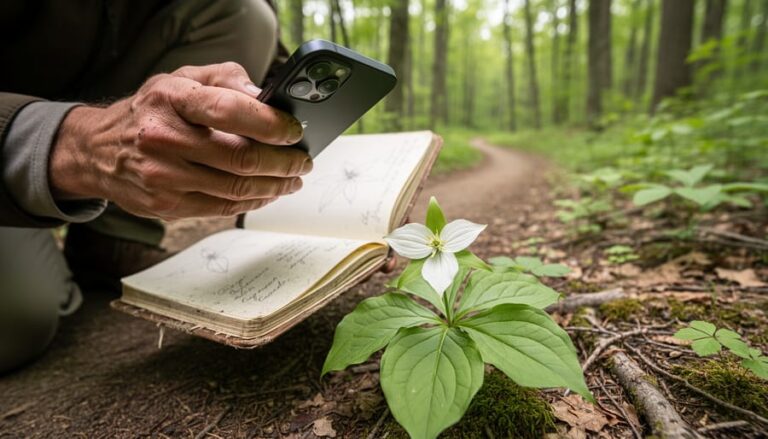
While not always mandatory, knowledge of local flora, fauna, and outdoor activities is a significant advantage. Familiarity with camping equipment and basic maintenance tools is beneficial, as is the ability to work independently and problem-solve effectively.
Most importantly, you should be comfortable with limited connectivity and amenities. A positive attitude, adaptability, and genuine enthusiasm for the outdoors are qualities that successful campground workers share. Some positions may require additional certifications like food handling or boat operation permits, depending on specific job responsibilities.
Application Tips and Timeline
The best time to start your campground job search is between January and March, as most parks begin their hiring process for the summer season during this period. Many positions are filled by April, though some last-minute opportunities may pop up in May.
To increase your chances of landing a remote campground position, start by creating a resume that highlights your outdoor experience, customer service skills, and ability to work independently. Include any camping, hiking, or wilderness first aid certifications you may have.
Apply directly through the Ontario Parks website or individual park operators’ career pages. It’s also worth reaching out to smaller private campgrounds directly, as they might not advertise all positions on major job boards. A personalized email expressing your interest can go a long way.
During the application process, be prepared to discuss your living arrangements. Some parks provide staff accommodation, while others require you to have your own setup, like an RV or trailer. Make sure to ask about internet connectivity and cell service if you plan to combine your campground duties with remote work.
Pro tip: Following parks and camping organizations on social media can give you a heads-up on job openings before they’re widely advertised. Don’t forget to emphasize your flexibility and willingness to work weekends and holidays, as these are crucial aspects of campground operations.
Working remotely from Ontario’s campgrounds offers a unique opportunity to blend career aspirations with a nature-filled lifestyle. Imagine starting your workday with a sunrise paddle, taking your lunch break on a hiking trail, or wrapping up emails while listening to loons call across the lake. This isn’t just a dream – it’s becoming an increasingly popular reality for digital nomads and remote workers seeking an alternative to traditional office environments.
The combination of modern technology and the tranquil setting of Ontario’s parks creates an ideal environment for those looking to escape the urban grind while maintaining their professional commitations. Whether you’re a freelancer, digital marketer, writer, or tech professional, these positions offer the perfect balance of work and wilderness.
Ready to trade your cubicle for a campsite? Start by updating your remote work skills, researching available positions, and connecting with park operators who welcome remote workers. Consider starting with seasonal positions to test the waters, and don’t forget to ensure you have reliable internet access and necessary equipment for your specific role.
The future of work is evolving, and Ontario’s campgrounds are leading the way in providing unique living and working arrangements. If you’re passionate about nature and ready for a change, this could be your chance to create the perfect work-life harmony in some of Ontario’s most beautiful settings. Take that first step today – your office in the wilderness awaits.






+ There are no comments
Add yours