

Imagine tracking a majestic bull moose through Ontario’s misty dawn light, your camera poised to capture that perfect moment when sunlight catches his breath in the crisp morning air. Wildlife photography tours transform casual nature enthusiasts into skilled visual storytellers, offering unique opportunities to photograph everything from soaring eagles to elusive wolves in their natural habitats.
Ontario’s diverse landscapes provide an extraordinary canvas for wildlife photographers, with each season unveiling different species and photographic possibilities. From the spring bird migrations at Point Pelee to winter’s arctic foxes in the northern regions, guided tours connect photographers with experienced naturalists who know exactly when and where to find the most compelling subjects.
Beyond just finding wildlife, these specialized tours teach crucial photography techniques while emphasizing responsible wildlife observation. Participants learn to read animal behavior, master challenging lighting conditions, and capture those split-second moments that transform good photos into exceptional ones. Whether you’re wielding a professional DSLR or a bridge camera, expert guides ensure you’re positioned for success while maintaining a safe, respectful distance from your subjects.
Create images that tell powerful stories about Ontario’s wild residents while developing skills that will enhance your nature photography for years to come.
Prime Wildlife Photography Locations in Ontario
Algonquin Provincial Park: The Photographer’s Paradise
Nestled in the heart of Ontario, Algonquin Provincial Park offers photographers an unparalleled opportunity to capture the raw beauty of Canadian wildlife. The park’s diverse ecosystem supports an impressive array of species, from majestic moose and elusive wolves to playful otters and over 270 bird species.
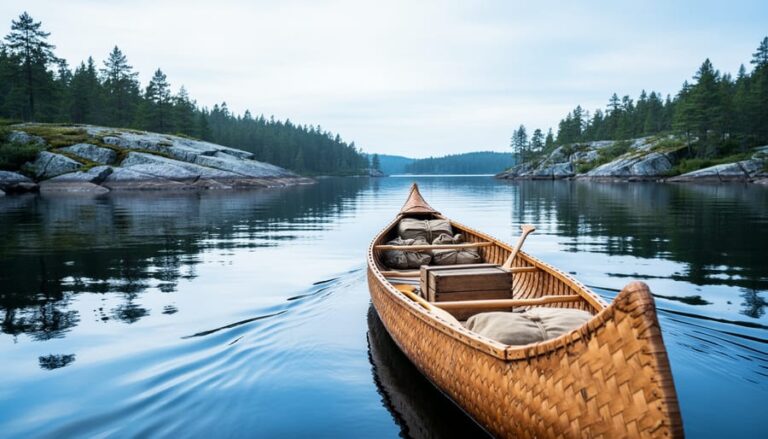
For the best wildlife encounters, head to the Highway 60 corridor during early morning or dusk. The Mizzy Lake Trail and Two Rivers Trail are particularly rewarding for photographers, with numerous wetlands and meadows where wildlife frequently gathers. Accessing remote photography locations via canoe can lead to extraordinary shots of beavers, loons, and perhaps even the occasional black bear.
Each season brings unique photography opportunities. Spring offers excellent bird photography during migration, while summer mornings often reveal moose feeding in marshy areas. Fall transforms the park into a colorful backdrop for wildlife shots, particularly during the annual moose rut. Winter presents chances to photograph snow-dusted landscapes and track wolves through the snow.
Pro tip: Visit the Logging Museum backyard feeders for close-up shots of winter birds, including evening grosbeaks and gray jays. Remember to maintain a safe distance from wildlife and bring a telephoto lens (400mm or longer) for the best results without disturbing the animals.

Hidden Gems: Lesser-Known Wildlife Hotspots
While everyone flocks to Algonquin Park, savvy wildlife photographers know that some of Ontario’s best shots come from unexpected places. Take the serene Frontenac Provincial Park, where kayaking to wildlife hotspots offers intimate encounters with osprey and river otters without the crowds.
The Matchedash Bay Provincial Wildlife Area near Orillia is a hidden treasure for bird photography. This lesser-known wetland hosts hundreds of migratory birds, including rare species like the least bittern. Early morning visits often reward photographers with misty scenes of herons fishing in golden light.
Don’t overlook the Minesing Wetlands near Barrie. This secluded ecosystem provides extraordinary opportunities to photograph woodland caribou and countless waterfowl species. The elevated boardwalks offer stable platforms for your tripod, and the morning fog creates ethereal backdrops for your shots.
The Napanee Plain Alvar, just north of Kingston, is a photographer’s secret weapon during spring and fall migrations. Its unique limestone plain landscape attracts distinctive wildlife, from short-eared owls to eastern loggerhead shrikes. Visit at dawn when the low light illuminates the distinctive geological features and wildlife is most active.
Pro tip: These locations often require advance permits or seasonal access arrangements. Contact local conservation authorities before visiting to ensure responsible photography practices and the best viewing opportunities.
Essential Gear and Techniques
Camera Equipment for Ontario Conditions
Ontario’s diverse weather conditions demand versatile and reliable camera equipment. A weather-sealed DSLR or mirrorless camera body is essential, especially during our damp spring mornings and snowy winters. Pack a couple of high-capacity batteries – cold weather can drain them quickly!
For wildlife shots, I recommend a telephoto lens with at least 300mm reach, though 400-600mm is ideal for capturing shy creatures from a safe distance. A sturdy tripod is non-negotiable; look for one with all-terrain feet and weather-resistant materials. Don’t forget a rain cover for your camera – sudden showers are common in our forests!
Consider bringing a wide-angle lens too. Ontario’s landscapes make stunning backdrops, and you might want to capture that moose with the misty lake behind it. A polarizing filter helps manage glare off water and reduces haze on bright days.
For dawn and dusk shoots (prime wildlife viewing times), pack a fast lens with f/2.8 or wider aperture. Memory cards? Bring extras! There’s nothing worse than running out of space when a fox family appears. I always carry a lightweight cleaning kit – dust and moisture are constant companions in Ontario’s wilderness.
Pro tip: Keep your gear in a waterproof backpack with good padding. Our terrain can be rough, and weather changes quickly!

Wildlife Photography Ethics and Rules
When photographing wildlife in Ontario’s parks, following ethical guidelines isn’t just good practice – it’s essential for both your safety and the well-being of our furry and feathered friends. Always maintain a safe distance from wildlife; if an animal changes its behavior because of your presence, you’re too close. Remember, a longer lens is better than getting physically closer!
Make sure you’re familiar with backcountry safety essentials before venturing out. Never bait or lure animals for a photo opportunity, and avoid disturbing nesting sites or dens. Flash photography should be minimal, especially during dawn and dusk when many animals are most active.
Stay on marked trails and viewing platforms whenever possible. This protects both the natural habitat and ensures you’re in compliance with park regulations. If you’re shooting in early morning or late evening, wear bright colors to make yourself visible to other photographers and park visitors.
Before posting your photos online, consider removing location data for sensitive species. This helps prevent overcrowding at specific sites and protects vulnerable wildlife populations. Remember, a great shot isn’t worth compromising an animal’s well-being or your safety.

Seasonal Photography Guide
Spring and Summer Opportunities
Spring and summer bring Ontario’s wilderness to life, offering photographers incredible opportunities to capture nature at its most vibrant. As the snow melts and temperatures rise, millions of migratory birds return to their breeding grounds, creating a spectacular show of color and movement across our skies and wetlands.
From late March through May, you’ll find yourself surrounded by songbirds in their breeding plumage, making this the perfect time to photograph warblers, thrushes, and waterfowl. Popular spots like Point Pelee National Park become a photographer’s paradise during the spring migration, with dozens of species visible in a single day.
Summer brings another special treat: baby season! From June through August, you can photograph fox kits playing near their dens, bear cubs learning to forage, and fawns taking their first steps through wildflower meadows. Early morning and late evening offer the best light and highest wildlife activity, plus you’ll catch that magical golden hour that makes photos truly pop.
Pro tip: Pack lightweight, breathable clothing and don’t forget your insect repellent – those perfect shots might require waiting in mosquito territory! Consider bringing a portable blind or wearing camouflage to blend in with your surroundings. Wildlife is most active during these warm months, but they’re also more wary of predators while protecting their young.
Remember to maintain a respectful distance and never bait or lure animals for photos. The best shots come naturally when we practice patience and good field ethics.
Fall and Winter Magic
As autumn’s vibrant colors paint Ontario’s landscapes, wildlife photographers are treated to spectacular opportunities during fall migration. Vast flocks of Canada geese create stunning V-formations against crisp blue skies, while sandhill cranes gather in marshlands, offering dramatic scenes for patient photographers. Early mornings often bring magical mist rising from lakes and rivers, creating ethereal backdrops for your shots.
When winter blankets the province in snow, a whole new world of photography possibilities emerges. White-tailed deer stand out beautifully against pristine snowscapes, and red foxes showcase their thickest, most luxurious coats. For those willing to brave the cold, combining winter outdoor activities with photography can yield remarkable results.
Pro tip: Pack hand warmers for both yourself and your camera batteries, as cold temperatures can quickly drain power. Consider using a lens hood to protect against snowfall, and always carry a microfiber cloth to wipe away moisture. Early afternoon light in winter creates beautiful long shadows and warm golden tones that complement wildlife subjects perfectly.
Look for animal tracks in fresh snow to locate active feeding areas, and remember that many species are more active during daylight hours in winter as they search for food. Dawn and dusk remain prime photography times, offering the added bonus of catching wildlife against spectacular winter sunrises and sunsets.
Local Tour Operators and Workshops
Choosing the Right Tour
Selecting the perfect wildlife photography tour can make all the difference in capturing those magical moments in nature. Start by honestly assessing your photography skill level – some tours cater to beginners with equipment rentals and basic instruction, while others are designed for experienced photographers who need less guidance and more time in the field.
Consider the specific wildlife you’re hoping to photograph. Ontario offers diverse opportunities, from spring bird migrations to fall moose rutting season. Look for tours that align with your target species and their peak activity periods. Some tours specialize in particular animals, while others provide a broader wildlife experience.
Group size matters too. Smaller groups typically offer more one-on-one instruction and flexibility, though they tend to be pricier. Larger groups can be more budget-friendly but may limit your shooting positions and time at each location.
Don’t forget to read reviews and ask about the guide’s credentials. The best tours are led by photographers who not only know their camera settings but also understand animal behavior and local ecosystems. They should prioritize both getting the shot and respecting wildlife.
Before booking, confirm what’s included – transportation, meals, accommodation, and most importantly, whether you need to bring your own camera gear. Some tours provide basic equipment, while others require participants to bring their own professional setup.
Photography Workshops and Classes
Whether you’re a beginner looking to master the basics or an experienced photographer aiming to refine your wildlife photography skills, Ontario offers a variety of learning opportunities to suit your needs. Local photography clubs and nature centers regularly host weekend workshops where you can learn directly from experienced wildlife photographers in the field.
The ROM (Royal Ontario Museum) occasionally offers specialized wildlife photography courses that combine classroom learning with practical field sessions in Toronto’s urban wildlife areas. For those seeking more immersive experiences, organizations like Focus on Nature run multi-day workshops in provincial parks, teaching participants how to track and photograph animals while practicing responsible wildlife photography.
Several community colleges across Ontario, including Humber and Seneca, offer part-time evening courses in nature and wildlife photography. These programs typically cover essential techniques, equipment selection, and post-processing skills.
For hands-on learning, consider joining photo walks led by professional photographers through conservation areas. These small-group sessions provide personalized instruction and insider tips on local wildlife hotspots. Many tour operators also offer photography-specific workshops before the main touring season, helping you prepare for your upcoming wildlife adventures.
Remember to check with local camera shops, as they frequently host free or low-cost seminars featuring guest wildlife photographers sharing their expertise and experiences.
Embarking on a wildlife photography tour in Ontario is more than just taking pictures – it’s about connecting with nature, learning new skills, and creating lasting memories. Whether you’re capturing the graceful flight of a great blue heron or the playful antics of a fox family, each expedition offers unique opportunities to grow as a photographer and nature enthusiast. Remember to research your chosen location, respect wildlife boundaries, and consider joining guided tours when starting out. Pack your camera, bring your patience, and prepare to be amazed by Ontario’s incredible wildlife. The perfect shot awaits you in our province’s stunning wilderness – all you need to do is take that first step and start your photography adventure today. Your journey into wildlife photography promises not just beautiful images, but also unforgettable experiences in Ontario’s natural wonderland.





+ There are no comments
Add yours