
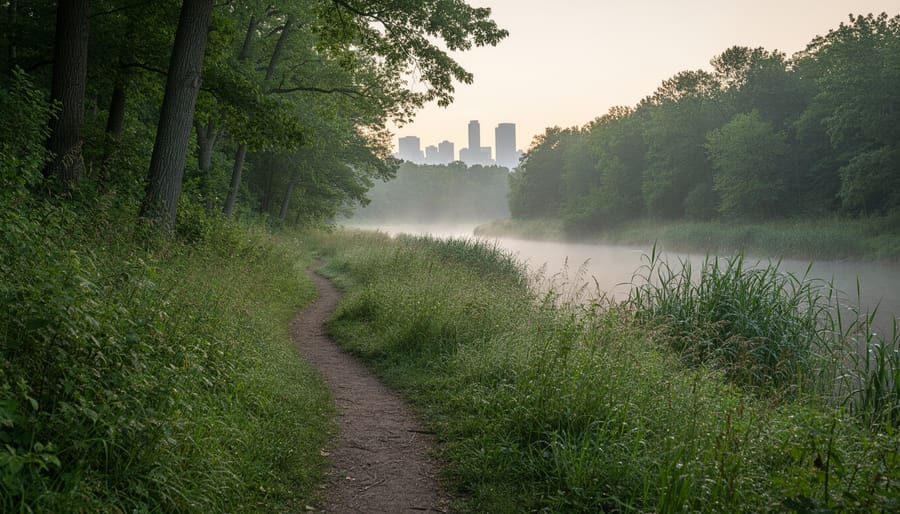
Rouge National Urban Park sits at the crossroads of two very different futures. Right now, this 79.1-square-kilometre sanctuary in Toronto’s eastern edge remains Canada’s first national urban park, accessible by car, bike, and public transit just as it has been since its establishment. But conversations about urban air mobility networks are beginning to reshape how we think about reaching protected natural spaces, particularly those surrounded by dense urban development like the Rouge.
If you’re planning a visit in 2026, you’ll still arrive the traditional way: driving along highways, cycling the waterfront trail, or taking GO Transit to the park’s edges. Urban air mobility, the emerging concept of electric aircraft shuttling passengers above city congestion, remains largely in the planning and regulatory phases. No vertiports or air taxi routes currently serve the park, and any future implementation will need to carefully balance accessibility with the park’s conservation mandate.
What makes this conversation fascinating is the Rouge’s unique position. Here’s a place where farmers still work the land their families have tended for generations, where you can spot white-tailed deer in the morning and return to downtown Toronto for lunch, where Carolinian forest meets marshland along the Rouge River. The park protects natural, cultural, and agricultural landscapes that have existed for millennia, including sites sacred to Indigenous peoples.
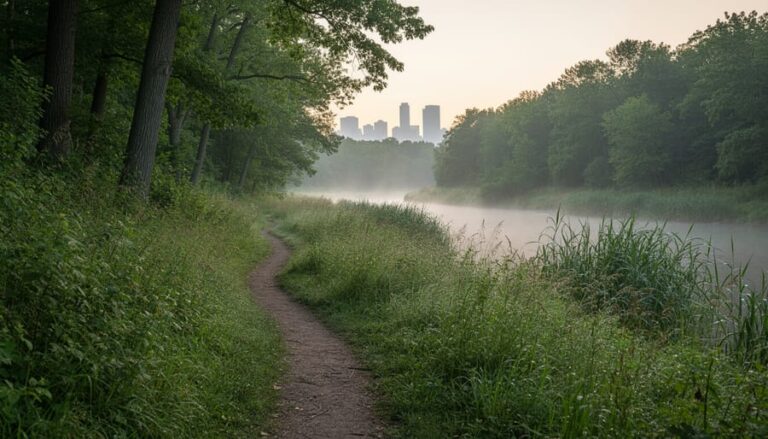
As transportation evolves, the challenge will be preserving what makes the Rouge special: the quiet rustle of wind through tallgrass prairie, the unhurried pace of a woodland trail, the sense of stepping outside the city’s relentless rhythm. For now, getting there means slowing down, and perhaps that’s exactly the point.
What Makes Rouge National Urban Park Special
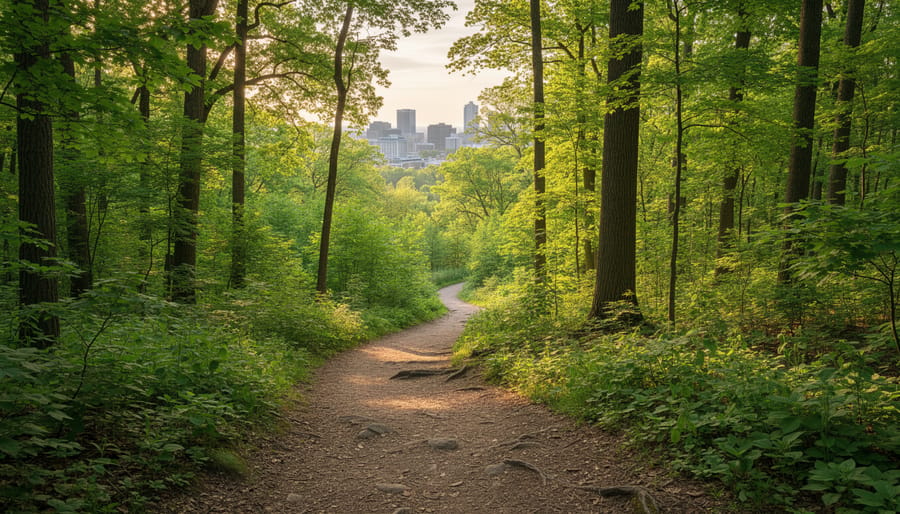
Rouge National Urban Park holds a special place in Canadian conservation history as Canada’s first national urban park. Established to protect natural and cultural heritage within the Greater Toronto Area, it offers something you won’t find in most urban settings: a genuine wilderness experience just minutes from Canada’s largest city. The park spans over 79 square kilometers, making it one of the largest protected green spaces in any urban area worldwide.
What makes Rouge truly unique is its remarkable biodiversity packed into an accessible urban location. The park protects forests, wetlands, meadows, rivers, and even a Lake Ontario beach. You’ll find over 1,700 species of plants and animals here, including rare Carolinian species that exist nowhere else in Canada. The Rouge River winds through the landscape, creating habitats that support everything from salmon runs to nesting birds.
The cultural significance runs just as deep. This land holds over 10,000 years of human history, from Indigenous peoples to early European settlement. You can explore heritage sites, working farms that have operated for generations, and archaeological locations that tell the story of how people have lived alongside this landscape for millennia.
On April 14, 2026, the park hosted an event for A Force of Nature: Canada’s Strategy to Protect Nature, reinforcing its role as a model for balancing conservation with urban accessibility. For visitors, this means world-class natural experiences without the long drive to remote wilderness areas. Whether you’re looking for a quick morning hike before work or a full day of exploration, Rouge delivers authentic nature experiences that most city dwellers can only dream of having this close to home.
How to Get to Rouge National Urban Park Today
Driving and Parking
Driving remains the most popular way to reach Rouge National Urban Park. The park has multiple entry points along Meadowvale Road, Twyn Rivers Drive, and Zoo Road, each offering free parking areas that serve different trail networks. Arrive before 10 a.m. on summer weekends and holidays to snag a spot at the busiest lots near the Orchard Day Use Area and Glen Rouge Campground.
If you’re driving an electric vehicle, plan ahead: while charging infrastructure is expanding across Ontario parks, Rouge currently has limited on-site options. Check EV charging tips for nearby public stations in Markham and Pickering, and review EV charging costs to budget your visit. The south end parking lots fill slower and provide easier access to riverside trails if you don’t mind a slightly longer walk to the main attractions.
Public Transit Routes
Getting to Rouge National Urban Park by public transit is straightforward, though you’ll need to plan for a short walk from your final stop. GO Transit and TTC both serve the area, with the best option depending on which section of the park you’re visiting.
For the southern areas near the Rouge Beach and Riverside Trail, take the GO Train Lakeshore East line to Rouge Hill GO Station. From there, it’s roughly a 15-minute walk to the park entrance. This route works beautifully if you’re visiting during weekdays when GO trains run frequently.
TTC buses offer more flexibility for reaching different park sections. The 85 Sheppard East bus stops near Meadowvale Road, giving access to the northern trails and Beare Road entrance. The 86 Scarborough bus connects to stops along Sheppard Avenue East, close to the Bob Hunter Memorial Park entrance.
Here’s an insider tip: check your route the night before, especially on weekends when transit schedules thin out. Download the TTC and GO Transit apps for real-time updates. Summer weekends get busy, so arriving on an early morning bus means you’ll have trails largely to yourself and won’t worry about return trip crowding. Bring exact change or load your Presto card in advance, because the closest stations to park entrances don’t have fare machines.
Active Transportation
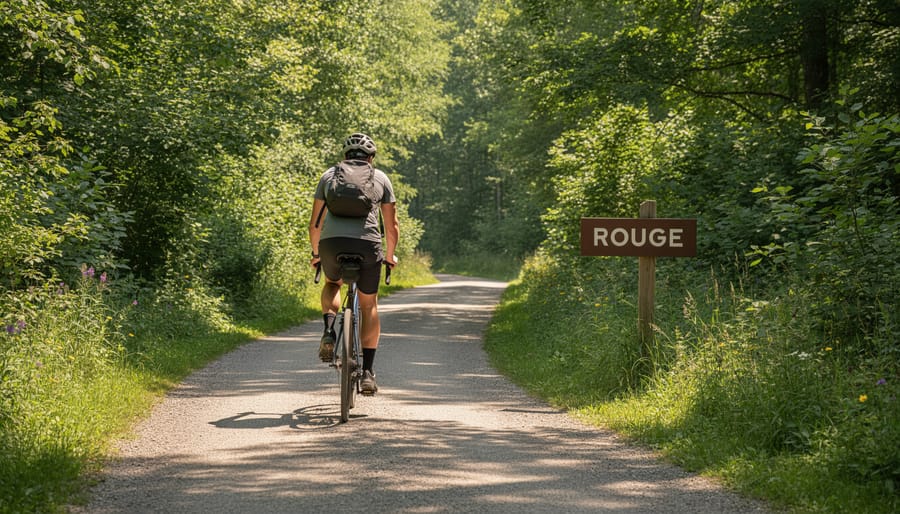
Cycling and walking to Rouge National Urban Park offers the most eco-friendly way to arrive, letting you ease into the natural setting before you even enter. The park sits along several multi-use trails that connect to Toronto’s broader pathway network. The main cycling entry points are via the Meadowvale Road entrance from the west and the Twyn Rivers Drive entrance from the east, both accessible from the Waterfront Trail system. If you’re coming from downtown Toronto, expect a 90-minute ride along the Lake Ontario waterfront, bring water and plan rest stops.
For walkers, the park’s southern boundaries blend directly into residential neighborhoods in Scarborough and Pickering, making it possible to literally walk from your doorstep if you live nearby. The Bob Hunter Memorial Park entrance provides easy pedestrian access. Leave early in spring and fall when daylight hours are shorter, and wear visible clothing if you’ll be on roads at dusk.
Consider pairing your visit with smart bike sharing programs available in the Greater Toronto Area, you can ride to the park, explore, then return your bike at a closer station rather than cycling the full round trip. Always carry a repair kit, respect trail closures during wet seasons to prevent erosion, and stick to designated paths to protect sensitive habitats.
Urban Air Mobility: The Future of Park Access

What Urban Air Mobility Means for Nature Lovers
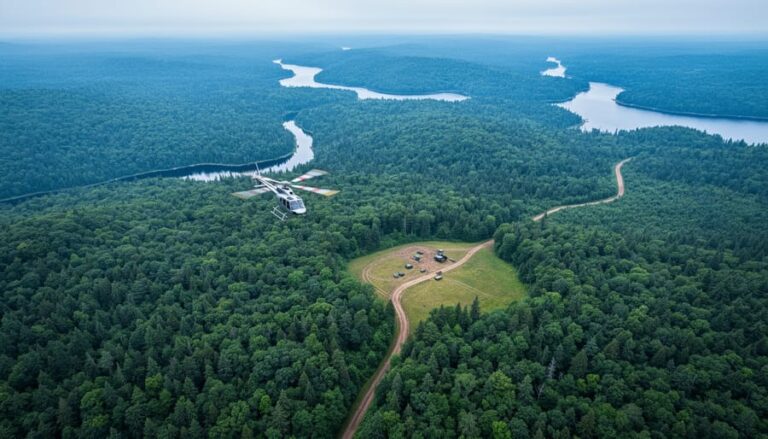
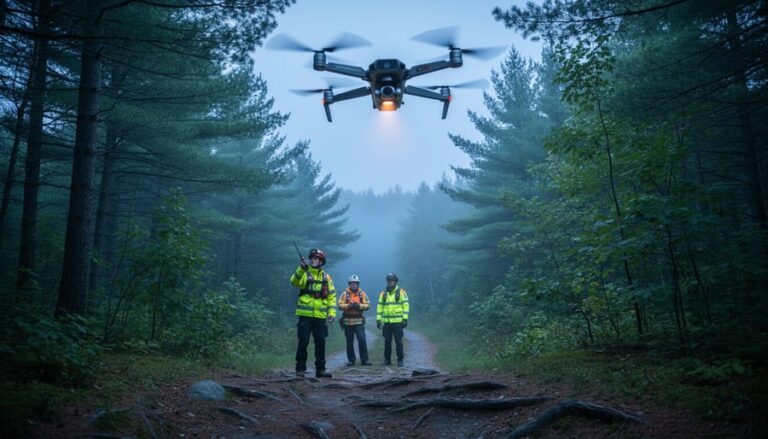
What is Urban Air Mobility in the context of visiting natural spaces? Picture electric vertical takeoff and landing aircraft that could transport you from downtown Toronto to Rouge National Urban Park in minutes rather than the current 45-minute drive through traffic. These small, quiet electric aircraft operate more like elevated shuttles than traditional helicopters, designed to carry a few passengers at a time.
For nature lovers, the appeal goes beyond speed. Electric propulsion means zero direct emissions during flight, addressing the environmental concerns that come with increased access to protected areas. Instead of adding more cars to already congested routes during peak visiting hours, air mobility could reduce ground traffic while getting you to the trailhead faster.
The technology also promises increased accessibility for visitors who find current transit options challenging. Mobility-impaired nature enthusiasts or families with young children could skip lengthy transfers and reach remote park sections more easily. The quieter operation of electric aircraft compared to conventional helicopters means less noise pollution disturbing the very wildlife and tranquility you came to experience.
Potential Benefits and Considerations
If Urban Air Mobility becomes available for Rouge National Urban Park, the changes could be significant. Imagine cutting a 90-minute rush-hour drive from downtown Toronto to a 15-minute flight, suddenly, a weekday evening hike becomes realistic for people who’d otherwise skip it. That improved access might bring more visitors to Canada’s first national urban park, spreading out the crowds currently concentrated at a few popular trailheads and reducing the car traffic that clogs nearby roads on summer weekends.
The environmental story gets complicated. Electric aircraft produce zero direct emissions and far less noise than helicopters, which matters when you’re flying over neighborhoods and wildlife habitat. Yet these systems require charging infrastructure, landing pads, and new facilities that could disrupt the very landscapes they’re meant to protect. The energy has to come from somewhere, and construction in sensitive areas always carries risks.
Watch for pilot programs and community consultations before any service launches. Parks Canada and aviation regulators will need to balance innovation with conservation, no technology is worth compromising the park’s biodiversity or the quiet that makes nature restorative. If you care about sustainable access, pay attention to how these projects address noise footprints, wildlife disturbance, and energy sources. The best outcome would preserve what makes Rouge special while genuinely improving how people reach it.
Planning Your Visit: What to Know Before You Go
Best Times and Seasons to Visit
Rouge National Urban Park shines year-round, but each season offers distinct experiences. Spring (late April through June) brings wildflowers, migrating birds, and rushing streams, perfect for wildlife watching when trails are less crowded. Summer weekends see the heaviest visitor traffic, especially at popular spots like the Orchard Trail and Beare Road entrance. Arrive before 9 a.m. or after 4 p.m. to snag parking and enjoy cooler temperatures.
Fall transforms the park into a tapestry of reds and golds from late September through October. This is my favorite time: crisp air, fewer bugs, and spectacular foliage make every trail memorable. Weekday visits during autumn offer near-solitude on backcountry paths.
Winter turns Rouge into a quiet wonderland for snowshoeing and cross-country skiing, though some trails close seasonally. Check Parks Canada updates before heading out in colder months.
Insider tip: Visit mid-week during shoulder seasons (May or September) for the best balance of good weather, manageable crowds, and active wildlife. Early mornings always reward you with better animal sightings and parking availability, regardless of season.
Activities and Trail Options
Rouge National Urban Park offers something for everyone, whether you’re planning a family outing, a scouting adventure, or a solo nature escape. The park features over 50 kilometres of trails ranging from easy riverside walks to more challenging terrain through forests and wetlands. The Vista Trail and Orchard Trail are perfect for families with young children, offering gentle paths with interpretive signage about the area’s biodiversity.
For wildlife enthusiasts, early morning visits increase your chances of spotting white-tailed deer, beavers, and over 225 bird species, including rare Blanding’s turtles near wetland areas. Bring binoculars and move quietly for the best viewing opportunities.
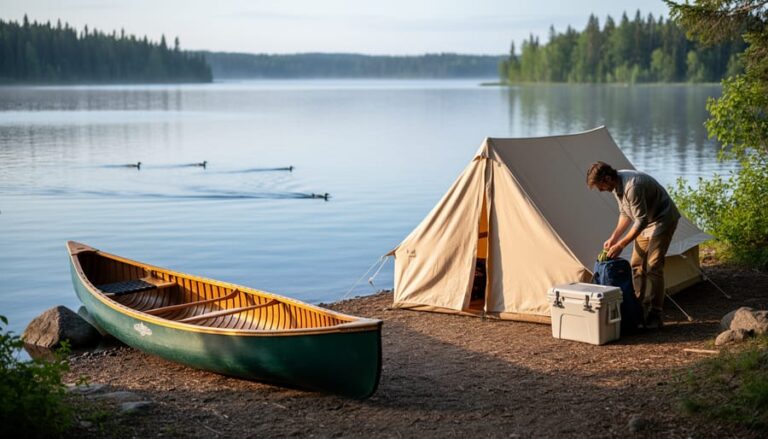
Cultural sites within the park include historic farmsteads and remnants of early settler communities, providing insight into the area’s human heritage alongside its natural beauty. The Beare Road and Old Finch campgrounds offer backcountry camping experiences surprisingly close to Toronto, though advance reservations are essential during summer months.
Insider tip: Scout groups and educators can arrange guided heritage walks that combine outdoor skills with local history lessons, making Rouge ideal for badge programs and experiential learning.
Eco-Friendly Visiting Tips
Rouge National Urban Park relies on visitors like you to protect its ecosystems for future generations. Start by staying on marked trails, wandering off compacts soil, damages plant roots, and disturbs nesting birds. Pack out everything you bring in, including fruit peels and biodegradable wrappers that can take months to decompose and attract wildlife to human food. Keep your dog leashed; even friendly pets stress deer, coyotes, and ground-nesting species that call this urban refuge home.
Choose low-impact transportation when possible. If you’re driving solo, consider carpooling next time or taking transit to reduce emissions and parking pressure. Looking ahead, innovations like autonomous shuttles may offer greener ways to reach Ontario’s parks. Observe wildlife from a distance, never feed animals or approach them for photos, which alters their natural behaviour and can be dangerous. Support the park directly by participating in volunteer clean-up days or donating to conservation programs that protect this unique blend of forest, wetland, and farmland in the heart of the Greater Toronto Area.
Common Questions About Visiting Rouge National Urban Park
Is there an entrance fee to visit Rouge National Urban Park?
No, entry to Rouge National Urban Park is free year-round. However, some activities like camping require permits and fees.
Can I bring my dog to the park?
Yes, pets are welcome but must be kept on a leash no longer than three meters at all times. Please clean up after your pet and keep them on designated trails to protect wildlife habitat.
How do I reserve a campsite at Rouge National Urban Park?
Camping reservations can be made through the Parks Canada reservation system, typically opening several months in advance for the upcoming season. Book early for summer weekends, as sites fill quickly.
Is the park accessible for visitors with mobility challenges?
Several trails and facilities offer accessible features, including paved paths and accessible washrooms at main entry points. Contact Parks Canada directly for specific accessibility information about the areas you plan to visit.
Beyond these common questions, visitors often wonder about seasonal access. The park remains open throughout the year, though some facilities and parking areas may close during winter months. Trail conditions vary significantly by season, spring can bring muddy paths from snowmelt, while winter offers opportunities for snowshoeing and cross-country skiing on certain routes.
For those curious about staying informed on emerging transportation options like Urban Air Mobility, your best bet is to follow Parks Canada’s official channels and subscribe to their email updates. These services don’t yet exist for park access, but as the technology develops and regulatory frameworks take shape, official park communications will provide accurate information about any new access methods.
If you’re planning group visits or educational programs, Rouge National Urban Park offers special programming for schools, scout groups, and community organizations. These programs often include guided hikes, cultural heritage tours, and hands-on nature activities. Booking ahead is essential, particularly during the busy spring and fall school trip seasons.
Weather can change quickly, so check conditions before you head out. The park’s website provides current trail status, closure notices, and safety alerts. During peak summer heat or severe weather events, some trails may close temporarily for visitor safety. A quick check saves disappointment and ensures you’re prepared for the conditions you’ll actually encounter.
Whether you drive, take transit, cycle along the waterfront trails, or someday catch an electric air taxi from downtown, Rouge National Urban Park offers an escape into nature that’s remarkably close to urban life. Right now, getting there is straightforward with multiple transit and road options, and the park rewards every visit with forests, meadows, and wildlife just minutes from the city. As transportation evolves, keep an eye on emerging options that could make your trip even faster and greener. My insider tip: visit on a weekday morning in spring or fall when the trails are quiet and wildlife is most active, you’ll have this spectacular urban wilderness largely to yourself. Explore Rouge, and discover why protecting accessible nature matters for everyone in Ontario.




+ There are no comments
Add yours