
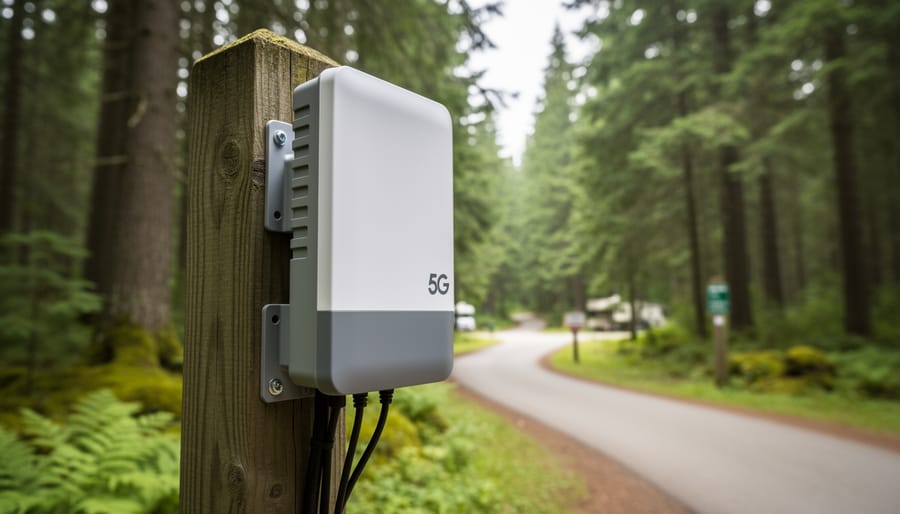
A 5G access point is a wireless networking device that broadcasts fifth-generation cellular signals to provide high-speed internet connectivity in a specific area, functioning much like traditional Wi-Fi but using cellular technology instead of landline broadband. Think of it as a cellular tower scaled down to serve a park, campground, or trail system rather than an entire city block.
For anyone planning outdoor adventures in Ontario’s parks, understanding 5G access points matters because connectivity in remote areas has traditionally been spotty at best. These devices are changing that reality. Parks Canada and Ontario Parks have started deploying 5G infrastructure at select locations, allowing visitors to stay connected for safety, navigation, and sharing experiences without relying solely on their phone’s built-in cellular signal, which often drops to zero once you’re beyond the visitor center.
The practical difference is significant. Standard cellular service depends on distant towers that struggle to penetrate dense forest canopy or reach valley floors. 5G access points installed at trailheads, campgrounds, or lakeside facilities create localized connectivity zones with faster speeds and more reliable coverage. You’ll find these increasingly common at high-traffic parks where visitor safety and communication are priorities.
This guide breaks down exactly what 5G access points are, how they function in outdoor environments where traditional infrastructure doesn’t reach, the different types of connectivity you’ll encounter during park visits, and practical ways to use this technology for everything from downloading trail maps to emergency communication. Whether you’re a weekend camper checking weather updates or a backcountry hiker wanting to share your summit photo, knowing what to expect from park connectivity helps you plan smarter and stay safer on Ontario’s trails.
What 5G Access Points Really Mean for Park Visitors
When you’re planning a visit to one of Ontario’s beautiful parks, you might see “5G access point” mentioned in amenity lists alongside restrooms, parking, and accessible trails. But what does that actually mean for your day outdoors?
At its simplest, a 5G access point is a piece of technology that lets your smartphone, tablet, or laptop connect to high-speed internet while you’re away from home. Think of it as a digital gateway that bridges the gap between your device and the broader internet, using fifth-generation wireless technology to move data at speeds much faster than older systems.
Here’s where things get a bit confusing, though. The term “5G access point” can actually refer to two different things:
- 5G Network
- The fifth generation of cellular technology that your phone uses to connect through carriers like Rogers, Bell, or Telus. It’s the successor to 4G/LTE and offers significantly faster speeds and lower delay times.
- Access Point
- A hardware device that creates a wireless network, allowing multiple devices to connect to the internet simultaneously. Think of it as the technical term for what makes Wi-Fi work.
- Cellular vs. Wi-Fi
- Cellular uses your phone’s SIM card and data plan through cell towers, while Wi-Fi connects through a local wireless network, often requiring a password but not using your mobile data.
- Bandwidth
- The amount of data that can be transmitted at once, like the width of a pipe determining how much water flows through. Higher bandwidth means more people can stream, video call, or upload photos without slowdowns.
- Coverage Area
- The physical zone where a signal reaches with sufficient strength for devices to maintain a connection. In parks, this might be limited to specific areas like visitor centers or campgrounds.
In the context of Ontario parks, you’re most likely encountering either traditional cellular 5G coverage from your phone carrier or a Wi-Fi network that uses 5G technology as its backbone to deliver internet to a specific location. The first uses your regular phone plan, while the second typically requires you to connect to a named network, often provided free by the park.
Why does this distinction matter? Because it affects everything from whether you’ll burn through your data plan to how reliably you can make an emergency call from the backcountry. A park with “5G cellular coverage” means your phone connects directly to nearby towers. A park with “5G Wi-Fi access points” means you’ll need to actively join a network, usually only available in high-traffic areas.
How 5G Access Points Work in Outdoor Settings
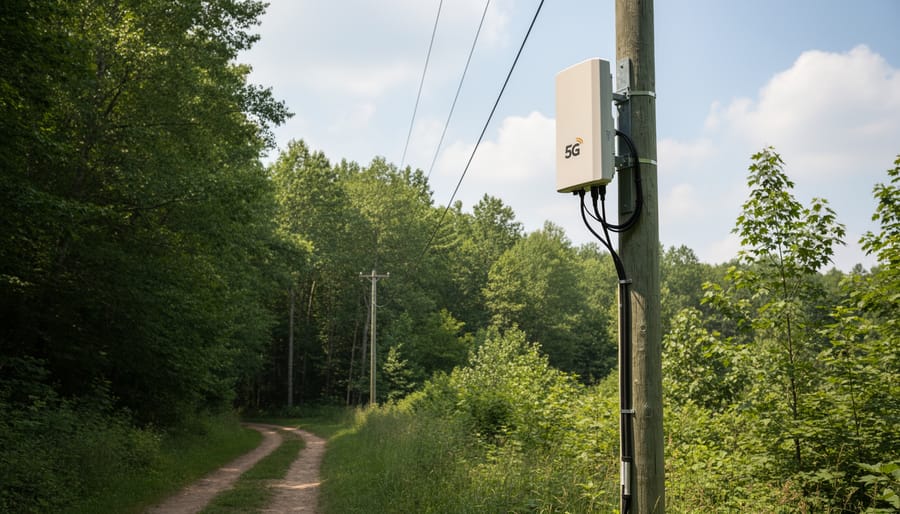
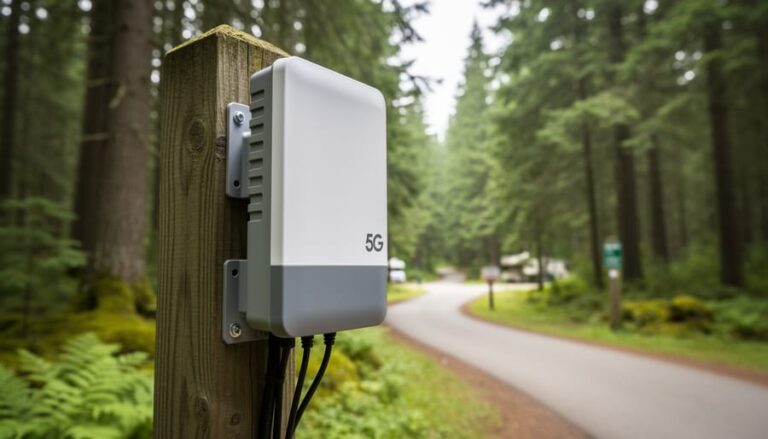
At its core, a 5G access point in an outdoor setting works by creating a wireless bridge between your device and the broader internet infrastructure. The process starts with a physical tower or small cell unit, which receives data from fiber-optic cables or microwave backhaul connections. This equipment then broadcasts 5G radio signals across a specific coverage area, much like a really powerful router, but using cellular frequencies instead of standard Wi-Fi channels.
When you pull out your phone at a provincial park, your device sends a request signal to the nearest 5G access point. That access point authenticates your connection, routes your request through the network backbone, fetches the data you need, and beams it back to your phone. The entire round trip happens in milliseconds when conditions are right.
What makes 5G different from the 4G/LTE you’re used to is the spectrum it uses and how it handles data. 5G operates on three frequency bands: low-band (similar to 4G, offering wide coverage), mid-band (the sweet spot for speed and reach), and high-band or millimeter wave (incredibly fast but short-range). In Ontario’s parks, you’ll mostly encounter low-band and mid-band 5G because they can travel farther through trees and around terrain obstacles. That high-band stuff works great in downtown Toronto but struggles to penetrate dense forest canopy.
The catch with outdoor 5G is infrastructure. Unlike urban areas with access points every few blocks, parks need strategically placed equipment to cover vast, often rugged terrain. A single tower might serve dozens of square kilometers, but valleys, rock formations, and thick tree cover create dead zones where signals can’t reach. Parks closer to populated areas like Presqu’ile or Killarney tend to have better connectivity simply because carriers have already built the necessary infrastructure nearby. Remote parks in Northern Ontario face a harder challenge: the cost of running fiber-optic cables or establishing microwave links to isolated locations makes 5G deployment expensive and slow.
Weather plays a role too. Heavy rain and snow can weaken 5G signals more than older 4G technology, particularly in those higher frequency bands. That’s why you might notice your connection drops during a summer storm, even in areas with generally solid coverage.
Different Types of 5G Connectivity You’ll Encounter
Cellular 5G Access Points
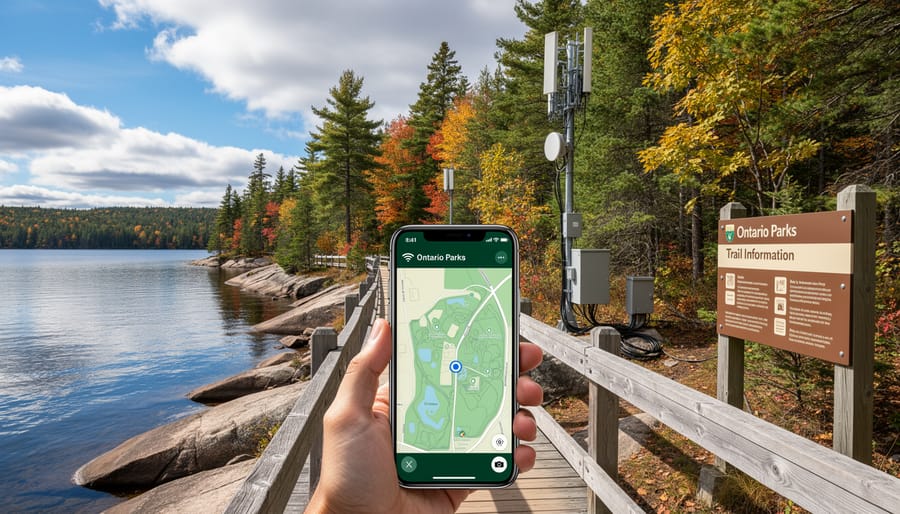
Cellular 5G access points are the most common type you’ll encounter at popular Ontario parks, these are the towers and small cell installations operated by major carriers like Rogers, Bell, and Telus. Unlike older 4G towers that cover massive areas from a distance, 5G relies on a denser network of smaller transmitters positioned closer together, typically within 300-500 meters of each other for optimal performance.
In Ontario’s park system, you’ll find the strongest cellular 5G coverage at high-traffic destinations near urban centers. Algonquin Park’s Highway 60 corridor, for instance, now has decent 5G coverage thanks to towers serving the Huntsville and Pembroke regions. Similarly, parks along the Bruce Peninsula and Niagara Escarpment benefit from infrastructure built for nearby towns. Provincial parks close to the GTA, like Sandbanks, Presqu’ile, and Killarney, generally offer reliable cellular 5G coverage in their main day-use areas and campgrounds.
However, venture into backcountry zones or remote northern parks like Quetico or Lake Superior Provincial Park, and cellular 5G drops off quickly. The infrastructure simply hasn’t reached those areas yet, and it may never arrive in designated wilderness zones where maintaining natural character takes priority.
Public Wi-Fi with 5G Backhaul
Some Ontario parks have found a clever middle ground: they use 5G cellular networks as the internet “backbone” to deliver traditional Wi-Fi at specific locations. You won’t see 5G on your phone’s signal bars here, but you’ll connect to a regular Wi-Fi network that’s powered by 5G behind the scenes.
This setup works particularly well at visitor centers, main campground areas, and popular trailheads. The park installs 5G receiving equipment (usually on a building or tower), which then feeds internet to standard Wi-Fi routers. You connect the same way you would at a coffee shop, just look for the park’s network name and enter the password if required.
The advantage is speed and reliability without running expensive fiber-optic cables through protected wilderness. Parks can offer decent connectivity where campers gather without blanketing entire natural areas with signal coverage. Algonquin’s visitor center and several Bruce Peninsula campgrounds currently use variations of this approach.
Connection quality varies by how many people are using the network simultaneously. Early mornings typically offer better speeds than peak afternoon hours when everyone’s uploading photos at once.
Hybrid Connectivity Solutions
Remote parks and conservation areas across Ontario are increasingly adopting hybrid connectivity setups that blend different technologies to maximize coverage while minimizing infrastructure impact. These solutions typically pair 5G cellular backhaul with localized Wi-Fi networks, creating connectivity “islands” at strategic locations like trailheads, backcountry ranger stations, or lakefront day-use areas.
Here’s how it works in practice: A 5G small cell or receiver pulls high-speed data from the nearest cellular tower, sometimes miles away, then redistributes it through a series of Wi-Fi access points covering maybe 100-200 meters around a campground office or interpretive center. You might connect to “ParkWiFi” on your phone while the network itself runs on 5G infrastructure behind the scenes.
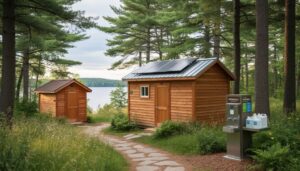
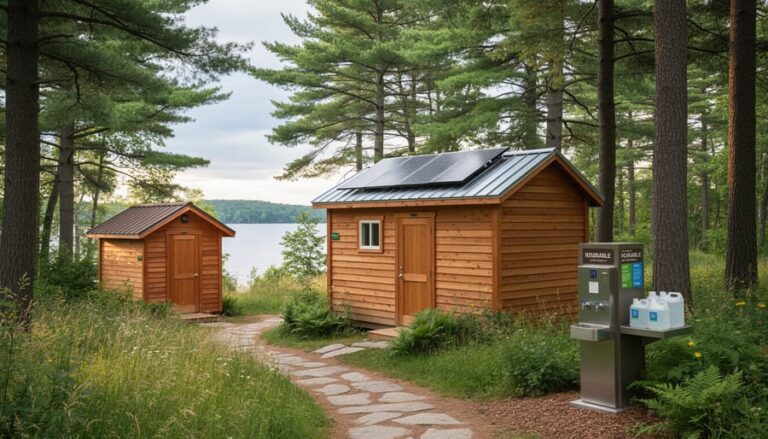
Ontario Parks has piloted these hybrid systems at several conservation reserves where running fiber-optic cables would disrupt ecosystems or prove prohibitively expensive. Algonquin’s East Gate area, for instance, uses this approach to serve visitors without scarring the landscape with extensive trenching. The setup requires less power than traditional systems, often solar-powered, which fits the low-impact philosophy of remote park management.
The trade-off? Coverage remains limited to specific zones rather than blanketing entire park properties. That’s intentional. Park planners aim to provide connectivity where it matters most for safety and visitor services while preserving the unplugged experience that draws people to wilderness areas in the first place.
When and Why You’d Use 5G in Ontario’s Parks
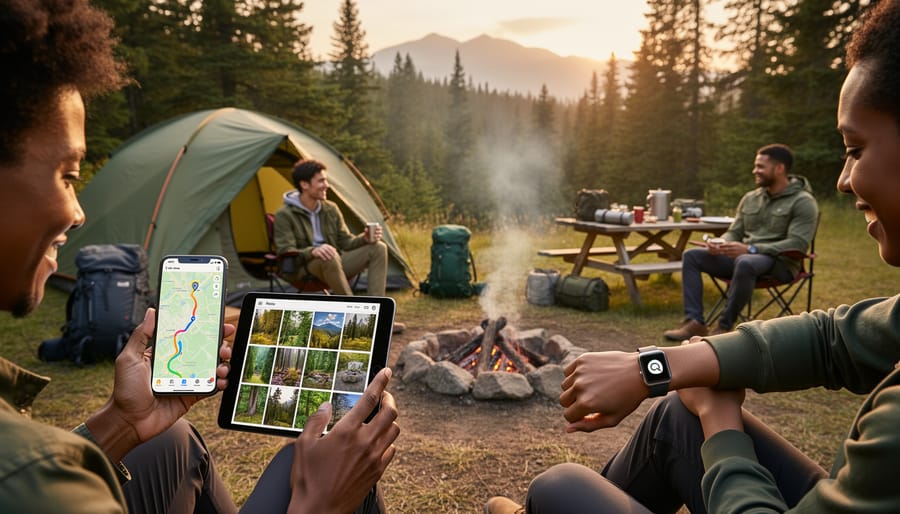
For most visitors, 5G connectivity transforms from a nice-to-have into a genuine asset once you’re actually exploring Ontario’s parks and outdoor spaces. The faster speeds and lower latency mean you can accomplish tasks that would frustrate you on slower connections, and in some situations, that improved reliability makes a meaningful difference in both safety and enjoyment.
Safety applications top the list of legitimate reasons to value strong connectivity in the backcountry. When you need to communicate an emergency, send your precise GPS coordinates to rescue services, or check rapidly-changing weather conditions before you’re caught in a severe storm, 5G’s reliability can be genuinely important. Park rangers and conservation officers increasingly rely on connected systems for incident response, and visitors benefit when they can reach help quickly rather than hiking back to a visitor center to report a medical issue or trail hazard.
Beyond emergencies, 5G supports practical applications that enhance your park experience without detracting from it:
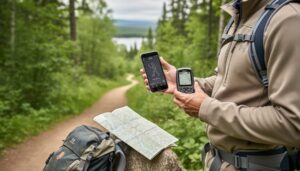
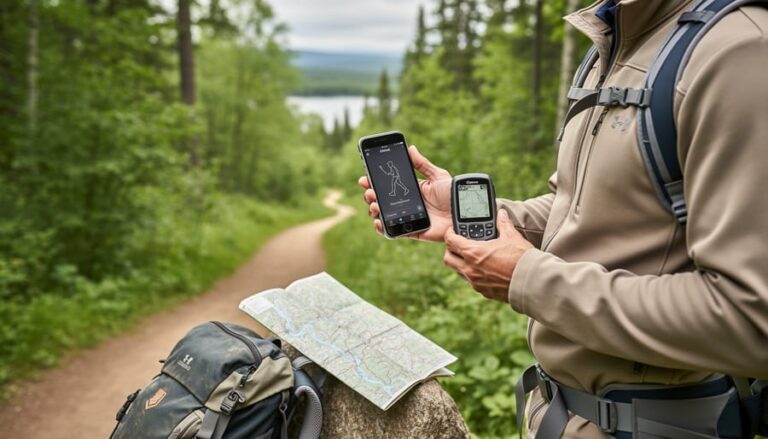
- Real-time trail navigation with detailed topographic maps that load instantly
- Current weather radar and severe weather alerts specific to your location
- Wildlife identification apps that help you learn about species you encounter
- Educational resources about geology, ecology, and park history at specific sites
- Sharing photos and videos with family while experiences are fresh
- Remote work from campsites for digital nomads and extended-stay visitors
- Emergency communication with park staff or rescue services
These uses matter differently depending on your trip type. Day hikers might simply want to check trail conditions before setting out or share a summit photo. Families camping for a week might need to balance some work obligations with vacation time. Those on RV trip planning excursions often appreciate the ability to research their next stop, book campsites ahead, or stream entertainment during downtime without burning through limited mobile data.
The key is matching your connectivity use to your goals for the visit. If you’re seeking digital detox and wilderness immersion, knowing 5G exists provides peace of mind for emergencies without tempting you into constant scrolling. If you’re documenting your adventures or working remotely from nature, reliable connectivity lets you accomplish those tasks efficiently and get back to enjoying your surroundings rather than fighting with slow uploads or failed connections.
Finding 5G Coverage at Your Destination
Before you head out, a bit of connectivity homework can save you frustration. Start with your carrier’s official coverage map, available on Bell, Rogers, and Telus websites. These maps now distinguish between 5G and 4G/LTE zones, though remember they show theoretical coverage, not guaranteed signals in valleys or dense forest.
Most Ontario Parks publish connectivity information on their individual websites. Check the “Visitor Information” or “Facilities” sections for specifics about which areas have cell service and where public Wi-Fi is available. Parks Canada sites often include connectivity details in their trip planning guides. For current insights on Ontario coverage in 2026 you’ll find carrier infrastructure has improved significantly at major provincial parks.
Set realistic expectations. Even parks with listed 5G coverage typically mean signal at visitor centers, main campgrounds, or parking areas, not on backcountry trails. Download maps, trail guides, and emergency information before you arrive. Grab offline versions of anything you might need.
Here’s an insider tip: call the park office directly a few days before your visit. Staff know exactly which campsites get signal, where the dead zones are, and whether recent storms knocked out any infrastructure. They appreciate visitors who plan ahead rather than complaining upon arrival.
Consider embracing limited connectivity as a feature, not a bug. Designate specific times to check messages rather than constant scrolling. Many visitors find that partial digital detox actually enhances their park experience. For practical phone signal tips understanding when to rely on technology versus when to disconnect helps you make the most of both worlds.
Understanding what 5G access points are and how they work helps you set realistic expectations for your next Ontario park adventure. While connectivity can enhance safety and convenience, from checking trail conditions to sharing those stunning sunset photos, it shouldn’t define your outdoor experience. The best approach is to plan before you go download maps and information while you have reliable coverage, and treat any 5G connectivity as a helpful bonus rather than a guarantee.
Do all Ontario parks have 5G coverage?
No, 5G coverage varies widely across Ontario’s parks. Popular provincial parks near urban areas like Killarney and Algonquin have some 5G spots, while remote parks often rely on 4G or have limited cellular service altogether.
Is 5G safe in natural areas?
Yes, 5G technology operates within the same safety standards as previous cellular generations. The radio frequencies used pose no documented risk to wildlife or park ecosystems.
Can I rely on 5G for emergency calls in parks?
Don’t count on it exclusively. Always carry a backup communication plan like a satellite messenger or let someone know your itinerary, since cellular coverage of any kind can be spotty in remote areas.
Will 5G work inside my tent or cabin?
Signal strength depends on your location and surroundings. Dense tree cover, hills, and building materials can all weaken 5G signals, so you might need to step outside for better connectivity.
As Ontario’s park infrastructure continues to evolve, we’ll see improved connectivity that respects the natural character these spaces are known for. That means better safety communication and visitor services without sacrificing the quiet, unplugged moments that make parks special in the first place.



+ There are no comments
Add yours